- Cognitive Engagement: Calligraphy requires sustained attention and fine motor coordination, which act as a form of “active meditation” that supports neuroplasticity.
- Accessibility: You do not need expensive equipment to start; focusing on posture, grip, and deliberate movement is more important than the cost of your materials.
- Sustainable Practice: Success in calligraphy for the 60-80 age group comes from short, daily sessions that prioritize comfort and ergonomic support over long periods of intense focus.
Learning calligraphy is far more than an aesthetic pursuit; it is a sophisticated exercise in cognitive control and physical precision. For adults aged 60 to 80, the practice offers a unique intersection of artistic expression and neurological stimulation. Unlike passive hobbies, calligraphy demands the simultaneous coordination of visual perception, fine motor control, and rhythmic breathing. This article explores how you can integrate this practice into your life to enhance your mental agility and manual dexterity.
The Neurological Connection: Why Calligraphy Matters
When you engage in calligraphy, you are not simply writing; you are executing a series of complex motor plans. Each stroke requires the brain to calculate pressure, speed, and spatial orientation. Research into “graphomotor” activities suggests that the act of deliberate, slow writing engages the prefrontal cortex—the area of the brain responsible for executive functions such as planning, focus, and impulse control.
For the older adult, this is particularly significant. As we age, maintaining the integrity of our neural pathways is a priority. While physical exercise supports cardiovascular health, calligraphy supports “cognitive reserve.” The challenge of learning a new script or perfecting a specific stroke creates new neural connections. It shifts the brain from the “autopilot” mode of everyday handwriting into a state of heightened mindfulness.
The “Flow” State in Practice
Psychologists often describe the “flow state” as an optimal experience where a person is fully immersed in an activity. Calligraphy is an ideal vehicle for this. Because the process is inherently slow, it forces the practitioner to disconnect from external stressors. In real-life terms, this looks like setting aside 20 minutes where the only goal is to complete a single line of consistent, flowing shapes. The cognitive benefit is derived from the sustained concentration required to maintain uniformity across the page.
Establishing Your Workspace for Comfort and Longevity
Many beginners fail to sustain their interest in calligraphy because they treat it as an afterthought, practicing at a kitchen table that is too high or too low. Proper ergonomics are essential to prevent strain on your wrists, neck, and back. Your body should be in a position that allows for fluid movement of the arm, rather than just the fingers.
| Feature | Recommendation | Why It Matters |
|---|---|---|
| Surface Height | Elbows slightly above the desk | Prevents shoulder tension and allows for full-arm movement. |
| Lighting | Task lamp at the non-dominant side | Reduces eye strain by preventing shadows on the writing area. |
| Posture | Feet flat, back supported | Ensures stability, which translates to steadier hand movements. |
| Materials | High-weight, smooth paper | Prevents ink bleeding and provides a smooth surface for the nib. |
The table above highlights that equipment choices are not merely about aesthetics; they are about physical sustainability. For instance, using paper that is too thin or porous will cause ink to “feather,” leading to frustration. Choosing a 100-120gsm (grams per square meter) paper ensures that your pen glides with minimal friction, which is crucial if you have mild arthritis or joint stiffness.
Step-by-Step: The Fundamentals of Stroke Control
Calligraphy is built on a foundation of basic strokes. Before attempting complex letters or elaborate styles, it is vital to master the “pressure-release” technique. This is the hallmark of professional-looking calligraphy, where the pen creates thick lines on downstrokes (when you press harder) and thin lines on upstrokes (when you lighten your touch).
- The Warm-up (5 Minutes): Before starting your main practice, draw continuous loops (like a long string of cursive ‘e’s) or simple zigzag patterns. This warms up the small muscles in your hand and sets a rhythmic pace.
- Pressure Control: Take your pen and practice drawing a vertical line. Start with light pressure at the top, increase pressure as you pull down, and release pressure at the bottom. Repeat this until the thickness of the line is consistent across ten attempts.
- The Transition: Once you master the vertical line, practice the “oval” shape. This is the building block for letters like ‘o’, ‘a’, ‘d’, and ‘q’. Ensure the oval is closed properly. A common mistake is rushing the closure, which disrupts the flow of the next character.
- Spatial Awareness: Use a guide sheet with printed guidelines. These lines are your “safety net.” They help you maintain consistent height and slant, preventing your text from drifting upward or downward.
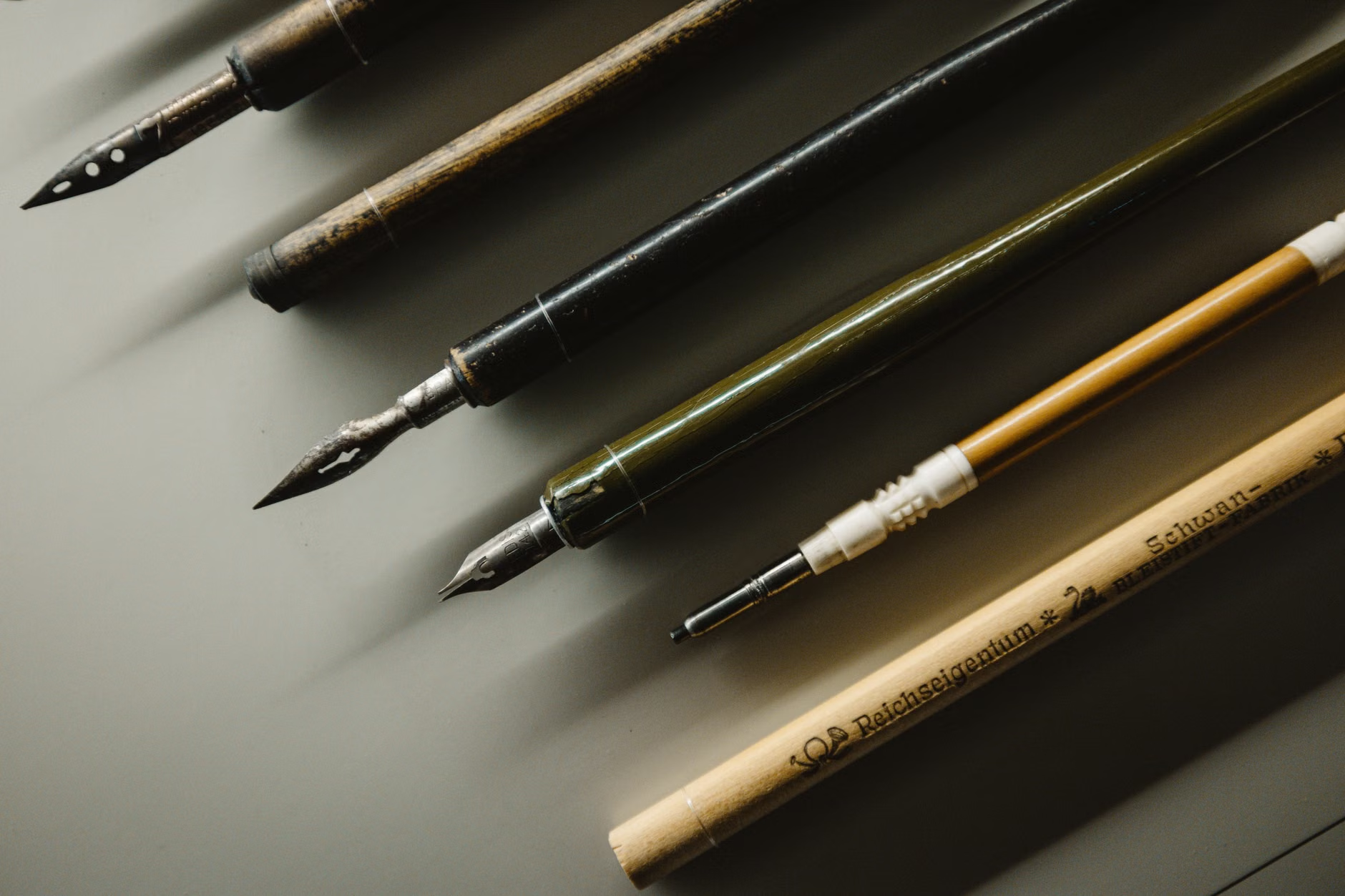
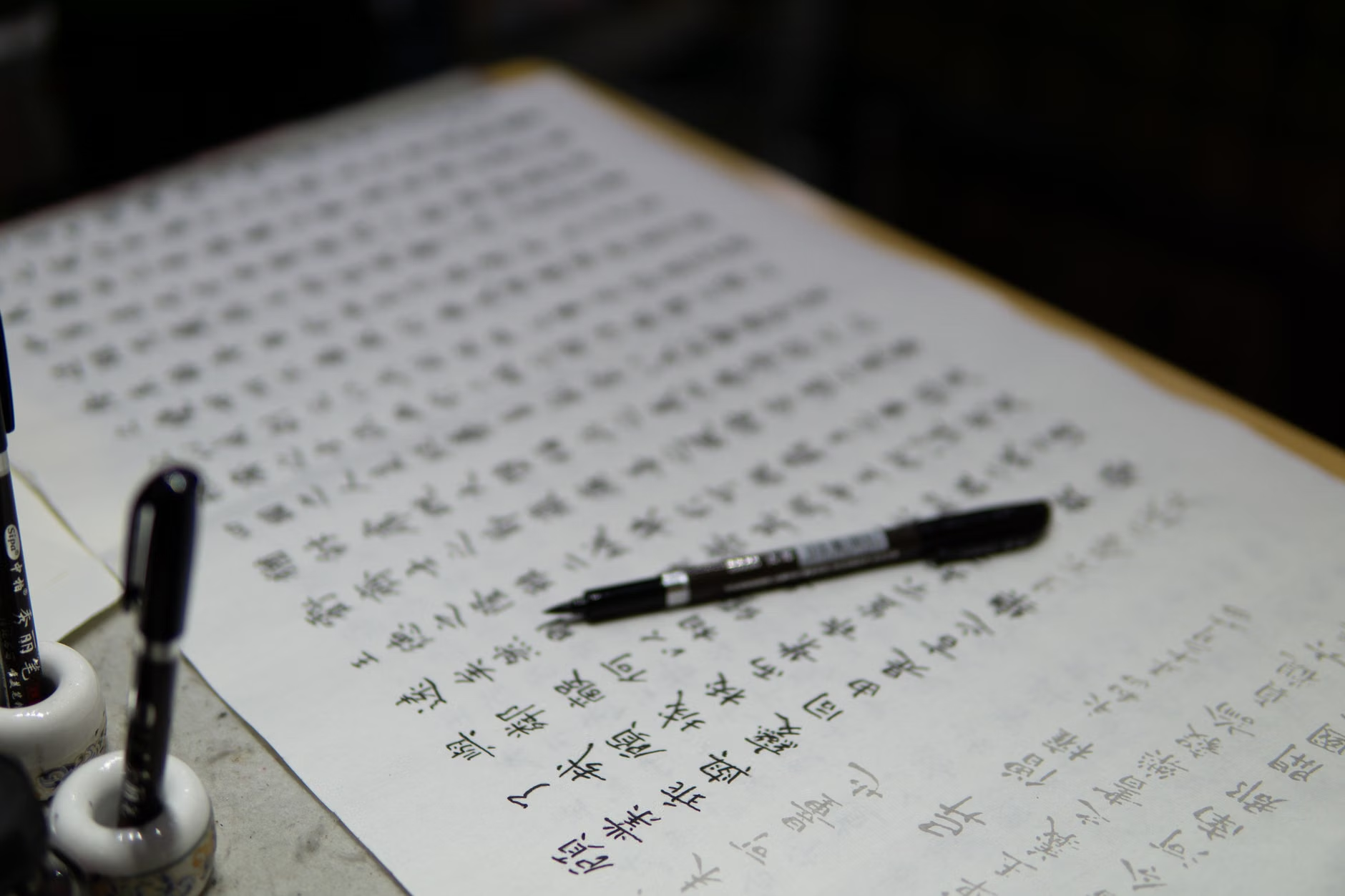
A note on equipment: For those just starting, I recommend a “brush pen” rather than a traditional dip-pen. Dip-pens require frequent ink refills and precise angles that can be daunting. A felt-tip brush pen offers the same resistance and flexibility required to learn pressure control without the mess or the technical barrier of managing an inkwell.
Addressing Common Hurdles for the Senior Practitioner
One of the most frequent concerns I hear from older adults is, “My hands are not as steady as they used to be.” It is important to reframe this. Calligraphy is not about achieving perfection—it is about the process of intentional movement. If you experience tremors or stiffness, consider the following modifications:
- Larger Nibs: Use larger pens or brush markers. They are easier to grip and require less extreme fine-motor precision than fine-point metal nibs.
- Weighted Pens: Some practitioners find that a slightly heavier pen provides more tactile feedback, which can help compensate for reduced sensitivity in the fingertips.
- Stamina Management: Do not practice for hours. The “diminishing returns” threshold for calligraphy is usually around 30-40 minutes. Beyond this, fatigue sets in, your grip tightens, and the quality of your work—and the joy of the activity—decreases.
If you have concerns about chronic joint pain or nerve conditions in your hands, please consult with your primary care physician or a physical therapist. They can provide specific exercises to improve grip strength and range of motion, which will directly translate into a more comfortable calligraphy practice.

The Philosophical Aspect: Patience as a Cognitive Tool
In a digital world, we are accustomed to instant results. We type an email, and it appears instantly. Calligraphy operates in the opposite temporal space. It is a slow, deliberate act that requires you to be present. This “slowing down” is a form of cognitive training. When you are forced to wait for the ink to dry, or when you must carefully plan the spacing of a word before you write it, you are training your brain to exercise patience and foresight.
This practice also serves as a form of non-pharmacological mood regulation. The rhythmic, repetitive nature of basic strokes has a calming effect on the nervous system. Similar to knitting or gardening, the focus required for calligraphy can quiet the “background noise” of daily worries. When you finish a page, you have a physical record of your focus and effort, which provides a sense of accomplishment that digital tasks rarely offer.
Integrating Calligraphy into Your Daily Routine
To make this a lasting habit, remove the friction of getting started. Keep your materials in a dedicated “calligraphy station.” If you have to spend 15 minutes finding your paper, pens, and ink every time you want to practice, you are less likely to do it. Have a dedicated tray or folder where everything is ready to go.
Consider linking your practice to an existing habit. For example, many people enjoy writing a short, one-sentence quote in calligraphy after their morning coffee. By pairing the activity with a routine you already enjoy, you lower the mental energy required to initiate the practice. Over time, this becomes a form of “cognitive hygiene”—a way to clear the mind and prepare for the day.
Advanced Considerations: Expanding Your Skillset
Once you are comfortable with the basic strokes, you might be tempted to jump into complex scripts like Copperplate or Spencerian. While these are beautiful, they are also highly demanding. I recommend that you first explore “Modern Calligraphy.” This style is more forgiving and allows for individual flair. It focuses on the rhythm of the letters rather than strict, historical adherence to specific angles.
Keep a “progress journal.” Every two weeks, write the same sentence. When you look back at your work from a month ago, the improvement will be visible. This is a powerful form of positive reinforcement. It demonstrates that growth is possible at any age and that your brain retains the capacity to learn and refine complex motor skills.
Safety and Accessibility: Making it Work for You
While calligraphy is a low-risk activity, it is worth noting the importance of posture and hydration. As we age, our muscles fatigue more quickly. If you find yourself holding your breath while writing—a common tendency when focusing—make a conscious effort to breathe deeply and rhythmically. This prevents the buildup of tension in the shoulders and neck.
Furthermore, ensure your environment is well-ventilated if you are using specialized inks, as some may have strong odors. For most beginners, water-based fountain pen inks are safe, odorless, and easy to clean. Always check the labels to ensure the products are non-toxic, especially if you have pets or grandchildren who might interact with your workspace.
If you are a caregiver reading this, you can facilitate this hobby by ensuring the workspace is well-lit and that the materials are accessible. Encouraging a senior to take up calligraphy is an excellent way to support their mental health. It provides a non-screen-based activity that is intellectually stimulating and physically manageable.
Ultimately, the goal is not to become a professional scribe. The goal is to cultivate a practice that challenges your mind, relaxes your body, and leaves you with a sense of pride. The beauty of the letters you write is secondary to the beauty of the focus you develop while writing them.
For those interested in further resources, the International Association of Master Penmen, Engrossers, and Teachers of Handwriting (IAMPETH) offers extensive historical and technical guides. While their materials are often advanced, their website provides a wealth of information on the history and fundamentals of the craft. You can visit their resource library at https://www.iampeth.com.
Frequently Asked Questions
1. Do I need to have “good handwriting” to start calligraphy?
Not at all. Calligraphy is a distinct skill from everyday handwriting. In fact, many people who feel they have “messy” handwriting find that they excel at calligraphy because it is a slower, more deliberate process that uses different muscle groups and focuses on artistic shape-building rather than speed.
2. Is calligraphy too expensive to start as a hobby?
It can be as inexpensive or as costly as you choose. A beginner set consisting of a quality brush pen and a pad of smooth paper can be purchased for a very modest price. You do not need expensive nibs, holders, or specialty inks to learn the fundamental strokes and gain the cognitive benefits of the practice.
3. How often should I practice to see improvements in my motor skills?
Consistency is more important than duration. Practicing for 15 to 20 minutes daily is far more effective for building muscle memory and cognitive pathways than practicing for three hours once a week. Short, frequent sessions keep the brain engaged and prevent physical fatigue.
Disclaimer: This article is for informational purposes and does not constitute medical advice. If you have concerns regarding tremors, chronic pain, or neurological conditions, please consult with a qualified healthcare professional before beginning any new, repetitive physical activity.