- Cognitive Engagement: Local history circles stimulate memory and analytical thinking by connecting personal recollections with archival research.
- Social Integration: These groups combat social isolation by fostering intergenerational dialogue and providing a sense of shared purpose within the neighborhood.
- Practical Contribution: Participants play a vital role in local heritage preservation, ensuring that neighborhood narratives are documented for future generations.
Engaging with local community history is more than a nostalgic pastime; it is a profound way to maintain cognitive sharpness, foster meaningful social connections, and contribute to the cultural tapestry of your living environment. For adults aged 60 to 80, these history circles offer a unique intersection of intellectual challenge and social belonging. By investigating the evolution of your neighborhood, you transform from a passive resident into an active custodian of local heritage.
The Cognitive Benefits of Historical Inquiry
Participating in a local history circle requires a blend of memory, research, and synthesis. Unlike passive hobbies, historical research is an active cognitive process. When you compare your own memories of a town’s development with official records, you are engaging in “reminiscence therapy” combined with critical analysis.
Research indicates that engaging in cognitively stimulating activities—such as archival research, mapping historical changes, or curating oral histories—can help maintain executive function. The process involves:
- Categorization: Sorting through documents, photos, and artifacts.
- Synthesis: Connecting personal anecdotes to broader historical trends (e.g., how the post-war housing boom changed your specific street).
- Communication: Presenting findings to the group, which requires linguistic agility and structured thought.
Practical Tip: Start by choosing a specific era or building in your neighborhood that intrigues you. Instead of trying to document the entire history of a town, focus on a “micro-history.” For example, research how the local transport routes shifted over the last 50 years. This manageable scope prevents overwhelm and makes the research process rewarding rather than taxing.
One of the most significant challenges in later life is the loss of professional or workplace social structures. History circles provide a structured, purposeful environment for interaction that transcends casual conversation. In these groups, your life experience is not just “past history”—it is a primary source.
Intergenerational Engagement
Many local history groups now partner with schools or local museums. By sharing your lived experience with younger generations, you fulfill a vital social role: the mentor. This intergenerational exchange has been shown to reduce ageism and increase feelings of self-worth among older adults.
The Structure of a Successful History Circle
If you are looking to join or start a group, look for those that emphasize a collaborative approach. A successful circle typically functions through:
- Monthly Research Themes: Rotating topics such as “The History of Our Local High Street” or “Industrial Landmarks.”
- Digitization Projects: Helping to scan and upload old photos to community archives.
- Oral History Interviews: Recording the stories of other long-term residents.
Common Mistake: Avoid groups that become purely complain-oriented or focused solely on “how things used to be better.” The most rewarding circles are those that look forward—documenting the past to understand the present and influence the future of the community.

Practical Steps to Getting Started
You do not need to be a professional historian to contribute. In fact, your curiosity is your greatest asset. Here is a step-by-step framework to begin your journey into local history.
1. Inventory Your Resources
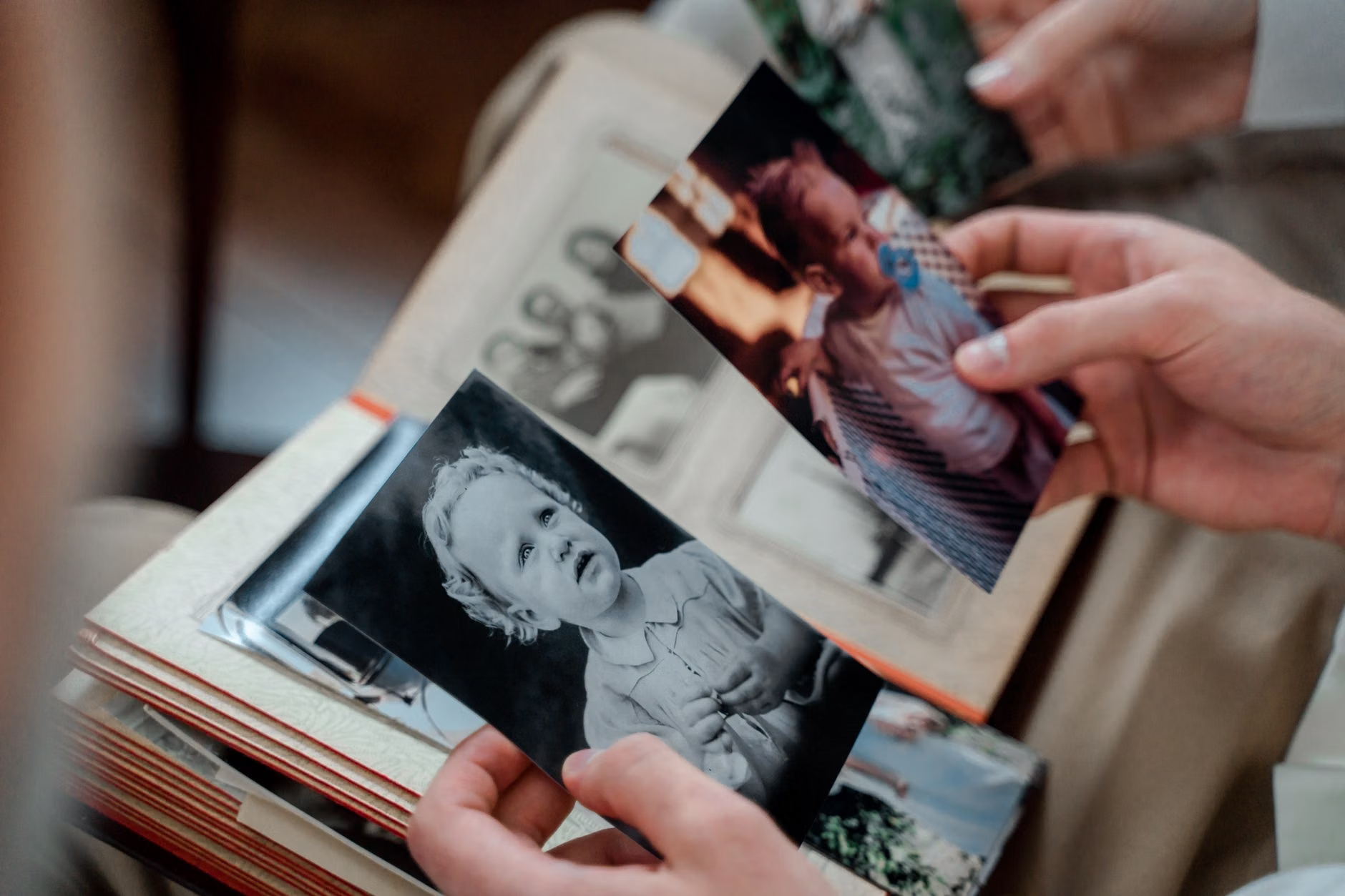
Before leaving your home, look at what you already have. Old photo albums, letters, diaries, or even receipts from local businesses are considered “primary source material” by historians. Start by organizing these items into a simple digital folder or physical box.
2. Identify Your Local Hub
Most towns have a library, a historical society, or a museum. These are the gatekeepers of local information. Visit them and ask specifically about:
- Existing history circles or “Friends of the Museum” groups.
- Opportunities to volunteer for archival indexing.
- Access to digitized local newspapers (often available via the library’s subscription services).
3. Manage Your Physical Comfort
Research can involve long hours in archives or libraries. Ensure you prioritize your physical well-being:
- Mobility: Check if the archive building has step-free access and if seating is provided.
- Visual Accessibility: Ask for magnifying tools or high-contrast screen settings if you are working with digital archives.
- Pacing: Do not commit to more than two hours of research at a time. Fatigue leads to errors in recording data.
| Activity Level | Recommended Approach | Key Benefit |
|---|---|---|
| Low (Home-based) | Digitizing family/personal photos of the town. | Preservation of personal legacy. |
| Moderate (Social) | Joining a monthly discussion-based history circle. | Social connection and mental stimulation. |
| High (Active) | Fieldwork: photographing existing landmarks or conducting interviews. | Physical activity and community contribution. |
The table above suggests that your level of involvement should match your current energy and mobility. If you have limited stamina, focus on the “Low” category—your contributions are just as valuable to the historical record as those of more active members.
Understanding the “Hidden” Value of Your Contribution
Beyond the personal enjoyment, your participation has a tangible impact on the community. Municipalities often lack the resources to document the “everyday” history of a neighborhood. They have records of city council meetings, but they rarely have records of how the community utilized the local park in 1975, or what the social atmosphere was like during the opening of a now-defunct local factory.
By documenting these details, you are providing a service to future urban planners, sociologists, and local residents. You are helping to build a “sense of place.” A community that knows its history is often more resilient, as it has a clearer understanding of its identity and how it has navigated change in the past.
Addressing Potential Inconveniences
It is important to be realistic about the challenges. Archives can be dusty, documents can be fragile, and technology can be temperamental. If you are not tech-savvy, do not let that stop you. Many groups pair “tech-savvy” younger volunteers with “memory-rich” older volunteers. This is a symbiotic relationship; you provide the context and the stories, and they provide the technical support to digitize and store the information.
Ensuring Longevity: Sustainability in Your Hobby
To keep this hobby sustainable, avoid the “project trap.” Many people start with the ambitious goal of writing a book about their town. This often leads to burnout. Instead, aim for “process-oriented” goals. Your success should be measured by the enjoyment of the research and the quality of the social interactions, not by the completion of a massive manuscript.
Safety Note: If you are conducting oral history interviews, always do so in a public place or with a second person present. Respect the privacy of those you interview, and ensure you have their consent before recording or publishing their stories. Most local historical societies have standard release forms; always use these to protect both yourself and the interviewee.
Conclusion: Your Role in the Future
The history of your community is not a static object sitting in a library; it is a living, breathing narrative that continues to evolve. By joining a local history circle, you are not just looking backward—you are actively participating in the present. You are ensuring that the unique character of your neighborhood remains documented, respected, and understood. Whether you are digitizing photos from your attic or facilitating a discussion on local architecture, your contribution is a vital thread in the ongoing story of your community.
Take the first step this week. Visit your local library’s website or call their reference desk. Ask them, “Is there a local history group I can join?” The answer might just open the door to a new circle of friends and a deeper appreciation for the world around you.
Frequently Asked Questions
1. Do I need a background in history to join a local history circle?
Absolutely not. Most local history groups are composed of enthusiasts and residents, not professional historians. Your personal lived experience and curiosity are far more valuable than formal academic training. The group will provide the structure; you provide the enthusiasm and the stories.
2. Is this hobby expensive to get into?
Generally, no. Most local history circles are free or have a nominal annual membership fee to cover the cost of a meeting room or tea and coffee. Using public library resources is free. The only potential cost would be if you choose to purchase specialized books or attend occasional historical workshops, but these are entirely optional.
3. How do I know if a group is right for me?
Attend one or two meetings as a guest before committing. Pay attention to the atmosphere: is it inclusive? Do they encourage questions? Is there a good balance between social time and research-focused time? If the group feels too academic or, conversely, too disorganized, look for another local branch or a related group like a “Friends of the Library” committee.
Official resources for further exploration: