- Prioritize Versatility: Focus on a “capsule wardrobe” where every item coordinates, allowing you to mix and match for both casual daytime excursions and elegant evening dinners.
- Manage Weight for Mobility: Use a lightweight, four-wheeled spinner suitcase to reduce physical strain; if you cannot lift your bag into an overhead bin or onto a train rack, it is too heavy.
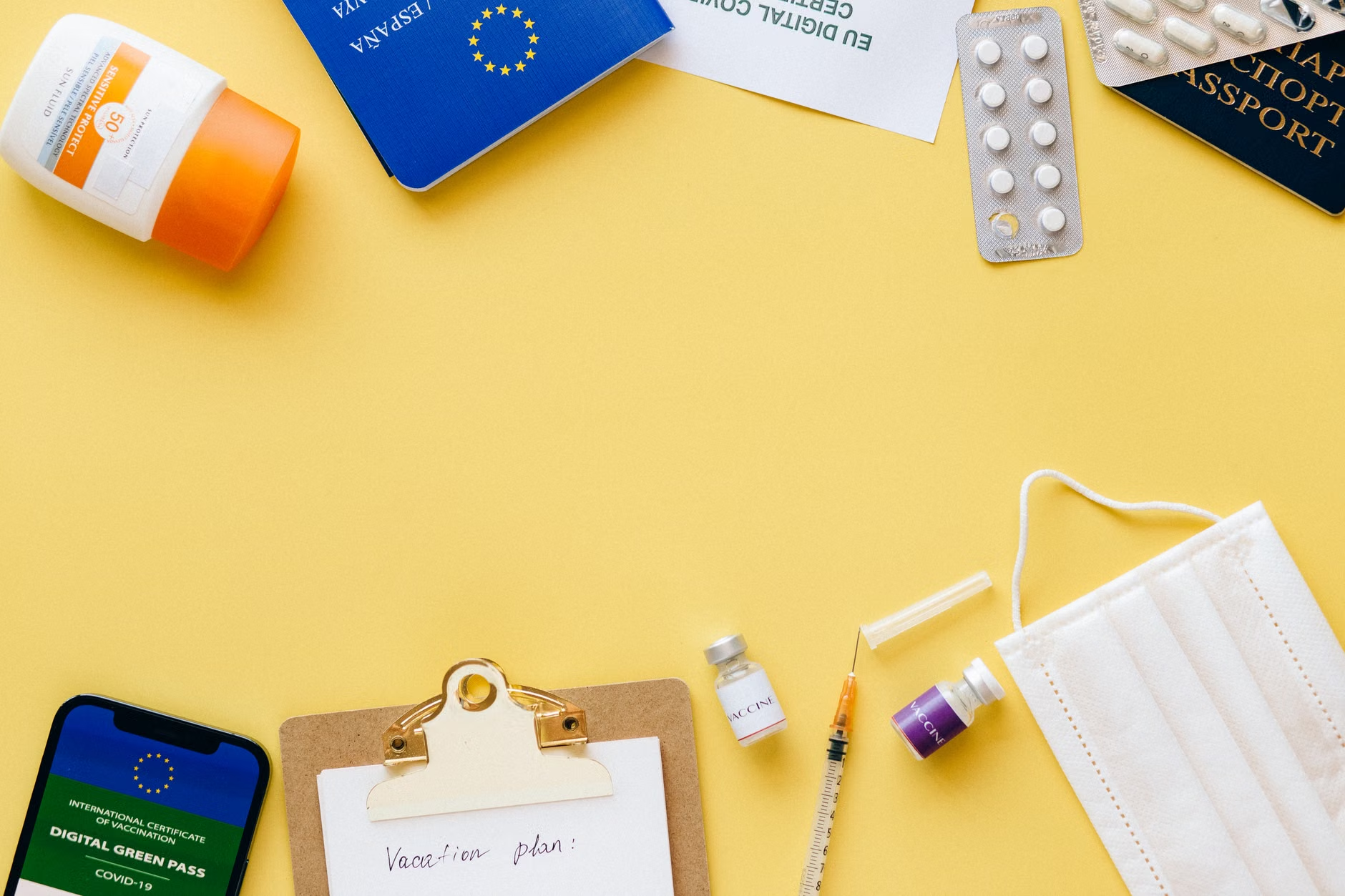
- Strategic Medical Preparedness: Carry a consolidated, clearly labeled medication list and a compact health kit to ensure safety without occupying excessive luggage space.
River cruises are widely celebrated for their intimate scale, scenic beauty, and the convenience of unpacking once while visiting multiple destinations. However, the physical reality of navigating narrow ship corridors, boarding shuttle buses, and moving through historic European cobblestone streets makes “minimalist packing” not just a trend, but a necessity for comfort and safety. For travelers aged 60 to 80, the goal is to carry less so you can experience more, reducing the physical burden of heavy luggage while ensuring you remain prepared for varying weather and social settings.
The Philosophy of Minimalist Packing for Seniors
Minimalism in travel does not mean deprivation; it means intentionality. When you pack for a river cruise, you are essentially managing a mobile living space. The typical river cruise cabin is compact, and storage space is often at a premium. By streamlining your belongings, you gain two primary advantages: increased mobility and reduced stress.
What it is: A capsule wardrobe approach where items are chosen based on their ability to serve multiple purposes. For example, a lightweight scarf can transition a daytime outfit to an evening look, or a moisture-wicking shirt can work for a morning walk or an afternoon museum visit.
Why it matters: As we age, the physical toll of dragging oversized, heavy suitcases across train stations or gangways can lead to fatigue or injury. By keeping your luggage light—ideally under 15 kilograms (33 pounds)—you maintain your independence, allowing you to handle your own bags without relying on porters or causing unnecessary strain on your back, shoulders, and knees.
Evaluating Your Luggage: The Foundation of Mobility
The choice of suitcase dictates your physical exertion throughout the trip. Avoid the temptation to choose a larger bag “just in case.” Instead, look for a high-quality, lightweight spinner suitcase with four multidirectional wheels. These bags allow you to glide the luggage beside you rather than pulling it behind you, which is significantly better for your posture and joint health.
Comparing Luggage Types
| Luggage Type | Pros for Seniors | Cons/Considerations |
|---|---|---|
| Four-Wheel Spinner | Minimal strain on wrists and shoulders; easy to maneuver in tight aisles. | Wheels can be susceptible to damage on extremely rough, uneven cobblestones. |
| Two-Wheel Upright | More stable on uneven ground; larger wheels handle curbs better. | Requires tilting, which puts torque on the shoulder and wrist joints. |
| Soft-Sided Carry-on | Lightweight; fits into smaller overhead compartments; flexible. | Less protection for fragile items; requires careful packing to avoid wrinkles. |
If you have concerns about mobility or stamina, choose the four-wheel spinner. The ability to push the bag upright removes the pressure from your upper body. If your itinerary involves significant travel on historic trains or cobbled streets, consider a sturdy, lightweight carry-on paired with a small, comfortable daypack for your daily essentials.

Building a Versatile Capsule Wardrobe
River cruises typically follow a “smart-casual” dress code. While some special events may call for slightly more formal attire, the days of needing three different outfits per day are over. Focus on breathable, wrinkle-resistant fabrics like merino wool, high-quality synthetics, or linen blends.
The “Rule of Three” for Packing
To keep your wardrobe efficient, follow this simple guideline for a 7-to-10-day cruise:
- Three bottoms: One pair of comfortable walking trousers, one pair of dressier slacks/chinos, and one pair of versatile jeans or skirts.
- Five tops: A mix of short and long-sleeved shirts that can be layered.
- Two pairs of shoes: One pair of high-quality, supportive walking shoes (essential for excursions) and one pair of comfortable, dressy flats or loafers for the evening.
- One outer layer: A high-quality, lightweight, water-resistant jacket.
Common Mistake: Many travelers pack an entire week’s worth of fresh outfits. Instead, plan to do a small amount of laundry on board or carry a small travel-sized detergent packet to rinse out undergarments in your cabin. This allows you to pack for four days and stretch it for ten.
Medical Preparedness: Safety Without the Bulk
Health management is a critical component of travel. However, you do not need to pack an entire pharmacy. The goal is to bring exactly what you need in an organized, accessible format.
The Medical Kit Checklist:
- Medication List: Carry a printed list of all current medications, dosages, and prescribing doctors. Keep a digital copy on your smartphone as well.
- Original Packaging: Always keep prescription medication in its original pharmacy-labeled packaging to avoid customs issues.
- The “Just in Case” Kit: A small bag containing adhesive bandages, antiseptic wipes, a mild pain reliever (e.g., acetaminophen or ibuprofen), and any over-the-counter stomach relief.
If you use a CPAP machine or other medical devices, contact your cruise line at least 30 days before departure. Most major river cruise lines (such as Viking, AmaWaterways, or Scenic) have specific protocols for accommodating medical equipment. Ensure your device is stored in a dedicated, padded bag that counts as your medical luggage, which is often exempt from standard baggage weight limits.
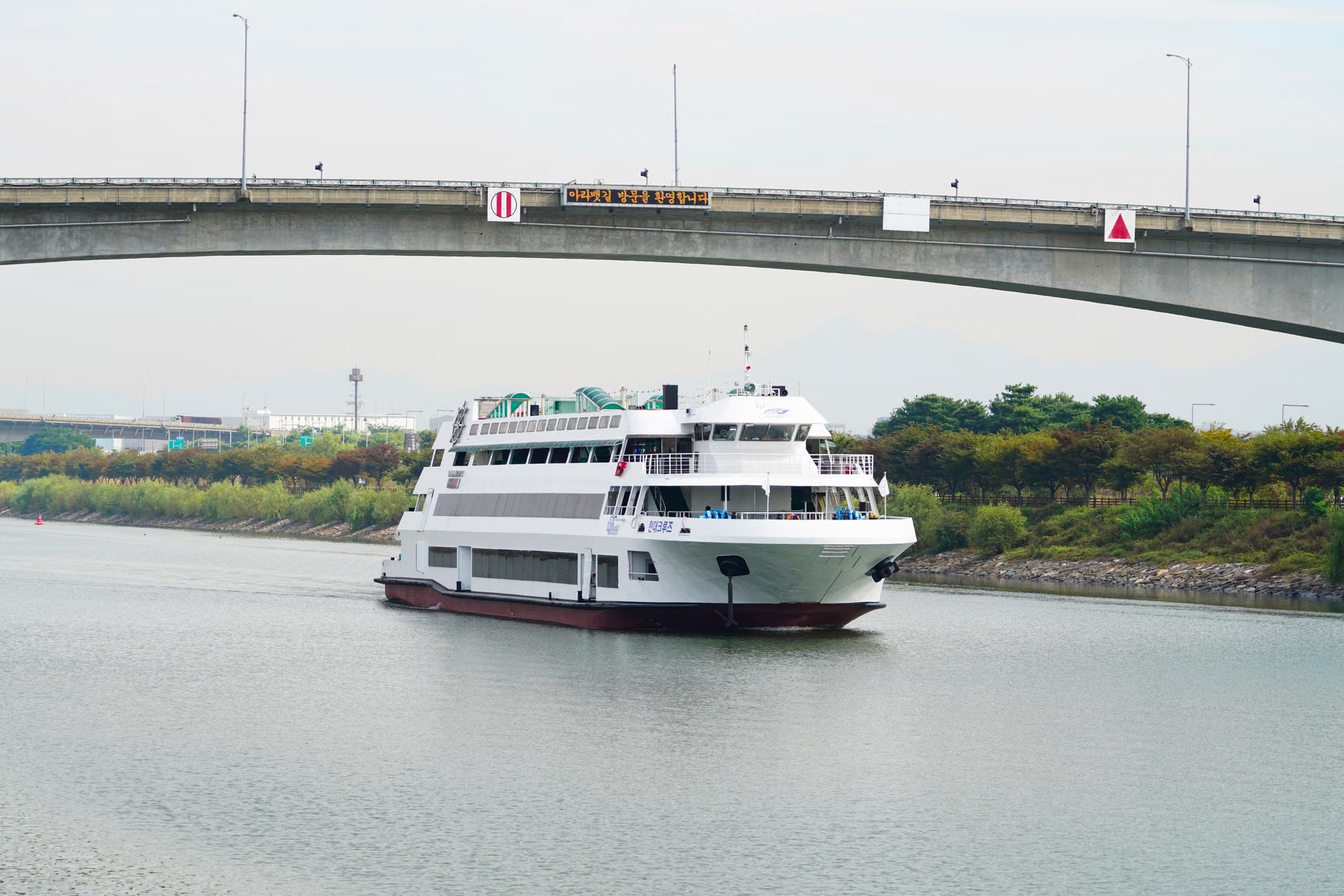
Shore excursions are the highlight of a river cruise, but they can be physically demanding. Many historic European towns feature steep inclines and uneven surfaces. Your goal for your daypack should be to keep it under 2 kilograms (4.5 pounds).
What to pack in your daypack:
- Hydration: A lightweight, reusable water bottle.
- Sun Protection: A foldable hat and high-SPF sunscreen.
- Supportive Aids: If you use a foldable walking cane, ensure it has a rubber tip for traction.
- Emergency Contact Card: A card with your ship’s name, your cabin number, and a local contact number.
Insight: Many travelers overlook the importance of “recovery time.” If a day includes a long walking tour, schedule the following morning as a “ship-only” day to rest your legs. Packing light makes these spontaneous changes in plans much easier to manage.
Managing Digital and Financial Essentials
In the modern era, you can replace many physical items with digital alternatives. Instead of carrying heavy guidebooks, download PDFs or use apps like Google Maps or specialized travel guides that offer offline access. This reduces weight and ensures that critical information is always at your fingertips.
Financial Safety: Carry two different credit cards and keep them in separate locations (e.g., one in your wallet, one in a secure interior pocket of your bag). Ensure both cards have “tap-to-pay” capability, as this is the standard across most European transport systems and shops, reducing the need to fumble for coins or cash.
The Importance of Footwear: A Non-Negotiable Priority
Your shoes are the most important piece of equipment you will pack. River cruise excursions often involve walking 3,000 to 8,000 steps on cobblestones, which are notoriously hard on the feet and joints. Do not break in new shoes during the trip. Wear your most comfortable, supportive walking shoes for at least two weeks before departure.
If you have specific foot conditions like plantar fasciitis or arthritis, consider bringing custom orthotics. The trade-off for packing an extra pair of shoes is the risk of foot pain, which can ruin your ability to enjoy the trip. Therefore, if you must overpack in one category, make it your footwear, but ensure you are swapping out your walking shoes for dressier, yet still supportive, options in the evening.
When Things Don’t Go to Plan: Practical Mitigation
Despite careful planning, situations change. If you find your bag is too heavy, don’t hesitate to use the cruise ship’s laundry service. While it may cost a small fee, the physical relief of having a lighter bag is well worth the investment. Furthermore, if you encounter a mobility challenge, speak to the cruise director immediately. Most ships have wheelchairs or walkers available for guest use during excursions, and they are accustomed to assisting seniors with varying levels of stamina.
Conclusion: Your Path to a Relaxed Journey
Minimalist packing is a gateway to a more enjoyable travel experience. By focusing on quality over quantity and prioritizing your physical comfort, you remove the obstacles that often lead to travel fatigue. Remember, the goal of your river cruise is to immerse yourself in the culture and scenery, not to manage a mountain of luggage. Start your packing process early, test your gear, and focus on the essentials. Your future, more relaxed self will thank you when you are effortlessly boarding your ship, ready to enjoy the river views.
Frequently Asked Questions (FAQ)
1. How do I handle formal nights on a river cruise if I want to pack minimally?
Most river cruise lines have moved toward “elegant casual” rather than formal black-tie events. A simple, wrinkle-resistant dress or a nice pair of trousers with a silk blouse for women, and a collared shirt with a blazer or sweater for men, is usually sufficient. Focus on accessories—like a scarf or a piece of jewelry—to change the look without adding bulk.
2. Should I bring a walking stick or cane?
If you use a cane for stability, bring it. Many modern canes are foldable and can fit into a standard suitcase or a side pocket of a daypack. Ensure the rubber tip is in good condition. If you find yourself needing extra stability during a particularly steep excursion, check if your cruise line provides trekking poles for guests, as many do.
3. What if I forget something essential?
River cruise ships are well-equipped, and the ports of call are usually in well-populated areas. Most essential items—toiletries, over-the-counter medicines, and even basic clothing—can be easily purchased in the towns you visit. Do not let the fear of forgetting an item lead to overpacking; the vast majority of “emergencies” can be solved in a local pharmacy or shop within minutes.
Official resources for travel planning and health:
CDC Travel Health Tips
World Health Organization Travel Advice