Maintaining Lumbar Mobility: A Practical Guide to Seated Spinal-Flexion
- Seated spinal-flexion is a gentle, low-impact exercise designed to maintain mobility in the lumbar spine without the strain of weight-bearing movements.
- Consistent, controlled movement is more effective for long-term spinal health than sporadic, intense stretching sessions.
- Always prioritize a “pain-free range of motion”—if you feel sharp discomfort, stop immediately and consult a physical therapist.
Maintaining a flexible spine is one of the most effective ways to ensure independence as you age. The lumbar region—the lower portion of your back—bears the brunt of your daily movements, from standing up from a chair to reaching for items on a shelf. When this area becomes stiff, simple tasks can become challenging, leading to a cycle of inactivity that further reduces mobility. Seated spinal-flexion is a controlled, accessible exercise that allows you to mobilize the lower spine while keeping your weight supported, reducing the risk of falls or overexertion.
Understanding Lumbar Mobility: Why It Matters
The lumbar spine consists of five large vertebrae that provide structural support for the upper body. As we age, the intervertebral discs may lose hydration and elasticity, and the surrounding muscles can tighten. This natural process doesn’t mean back pain is inevitable, but it does mean that your spine requires intentional maintenance to remain functional.
Lumbar mobility is not just about “bending over.” It is about the ability of your spine to transition smoothly between extension (leaning back) and flexion (leaning forward). When these joints move well, you can maintain your balance, walk with a natural gait, and perform household chores with less fatigue. If you lose this mobility, your body often compensates by putting extra stress on your hips or thoracic spine (upper back), which can cause discomfort in areas that weren’t even the original problem.
The Difference Between Mobility and Flexibility
It is common to confuse mobility with flexibility. Flexibility refers to the length of your muscles, while mobility refers to the ability of a joint to move through its full, functional range. You can have flexible hamstrings but still have a “locked” lower back. Seated spinal-flexion focuses on the mobility of the vertebral joints themselves, ensuring they don’t become fused or stiff over time.
The Mechanics of Seated Spinal-Flexion
Seated spinal-flexion is a “cat-cow” variation performed in a chair. It is an ideal exercise for those who may have balance concerns or who find getting down to the floor for traditional yoga poses difficult. By sitting, you remove the instability of standing, allowing you to focus entirely on the articulation of your spine.
Step-by-Step Execution
Follow these steps to perform the movement safely. If you have any history of disc herniation or spinal surgery, clear this movement with your physician or physical therapist first.
| Phase | Action | Focus Area |
|---|---|---|
| Preparation | Sit upright on a sturdy, armless chair. Feet flat on the floor, hip-width apart. | Stability and alignment |
| Flexion (The “Curve”) | Exhale as you slowly tuck your chin toward your chest and round your mid-back, pulling your belly button toward your spine. | Lumbar and thoracic curve |
| Extension (The “Lift”) | Inhale as you slowly lift your chest, arching your back slightly and looking forward or slightly up. | Opening the vertebrae |
Common Mistakes: Many people try to “force” the movement by pulling on their neck or slouching too deeply. Remember, this is a gentle mobilization, not a deep stretch. You should feel a gradual release of tension, never a pulling sensation or sharp pain.
Integrating Mobility into Daily Life
Exercise is most effective when it becomes a habit rather than a “chore.” You do not need a gym membership or special equipment to keep your lumbar spine mobile. The best approach is to use “environmental cues” to remind yourself to move.
Designing Your Workspace and Seating
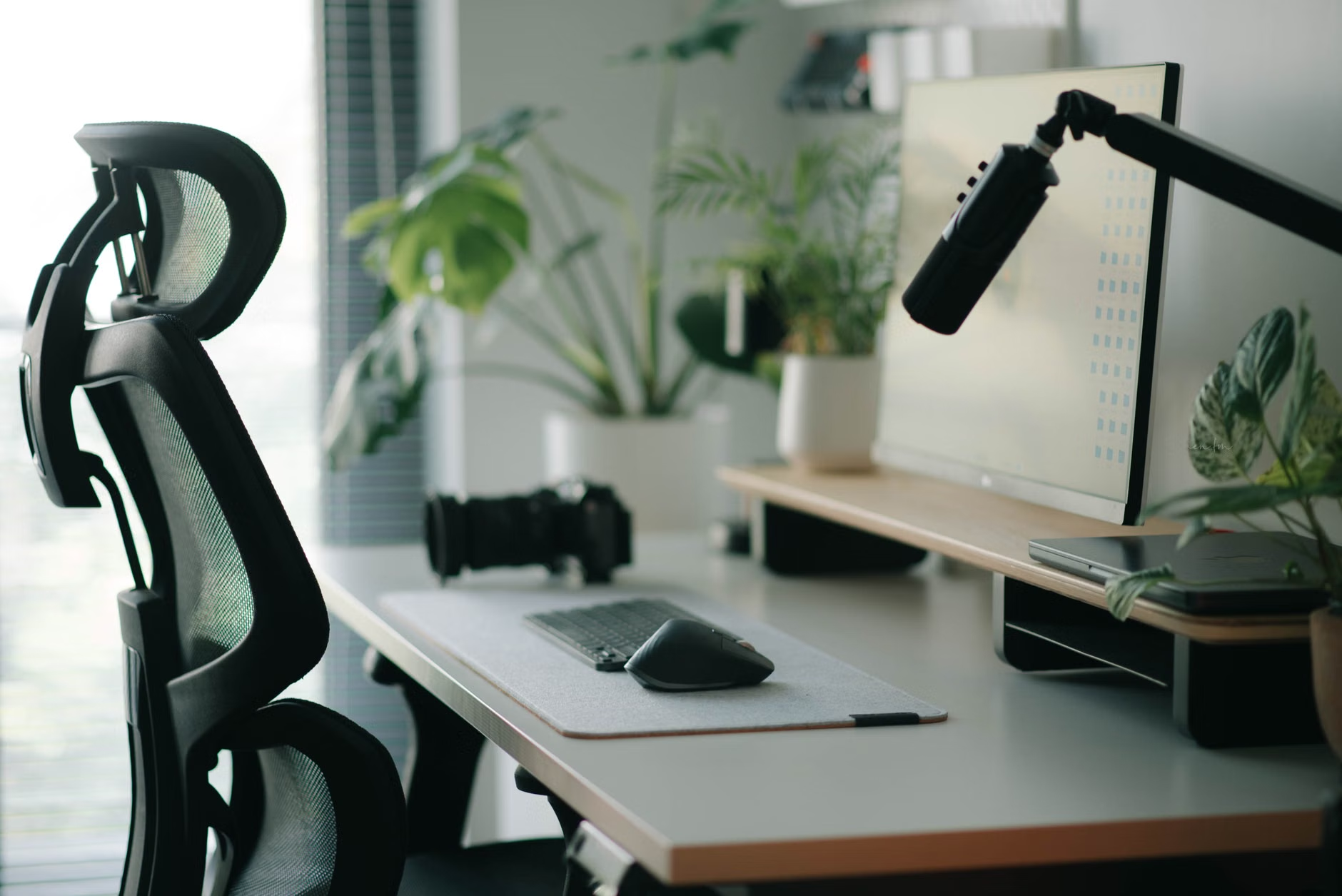
If you spend significant time at a desk or in a favorite armchair, your environment dictates your posture. A chair that is too deep or too soft can cause you to “slump,” which places excessive pressure on the lumbar discs. Ensure your chair provides firm support at the base of your spine.
Practical Decision Rule: When selecting a chair, check for these three criteria:
- Seat Depth: You should be able to sit with your back against the backrest while having 2-3 inches of space between the edge of the seat and the back of your knees.
- Firmness: If you sink into the cushion, your spine loses its natural support. Use a firm lumbar pillow if necessary.
- Height: Your feet must be flat on the floor with your knees at approximately a 90-degree angle.
Safety and Limitations: When to Seek Professional Guidance
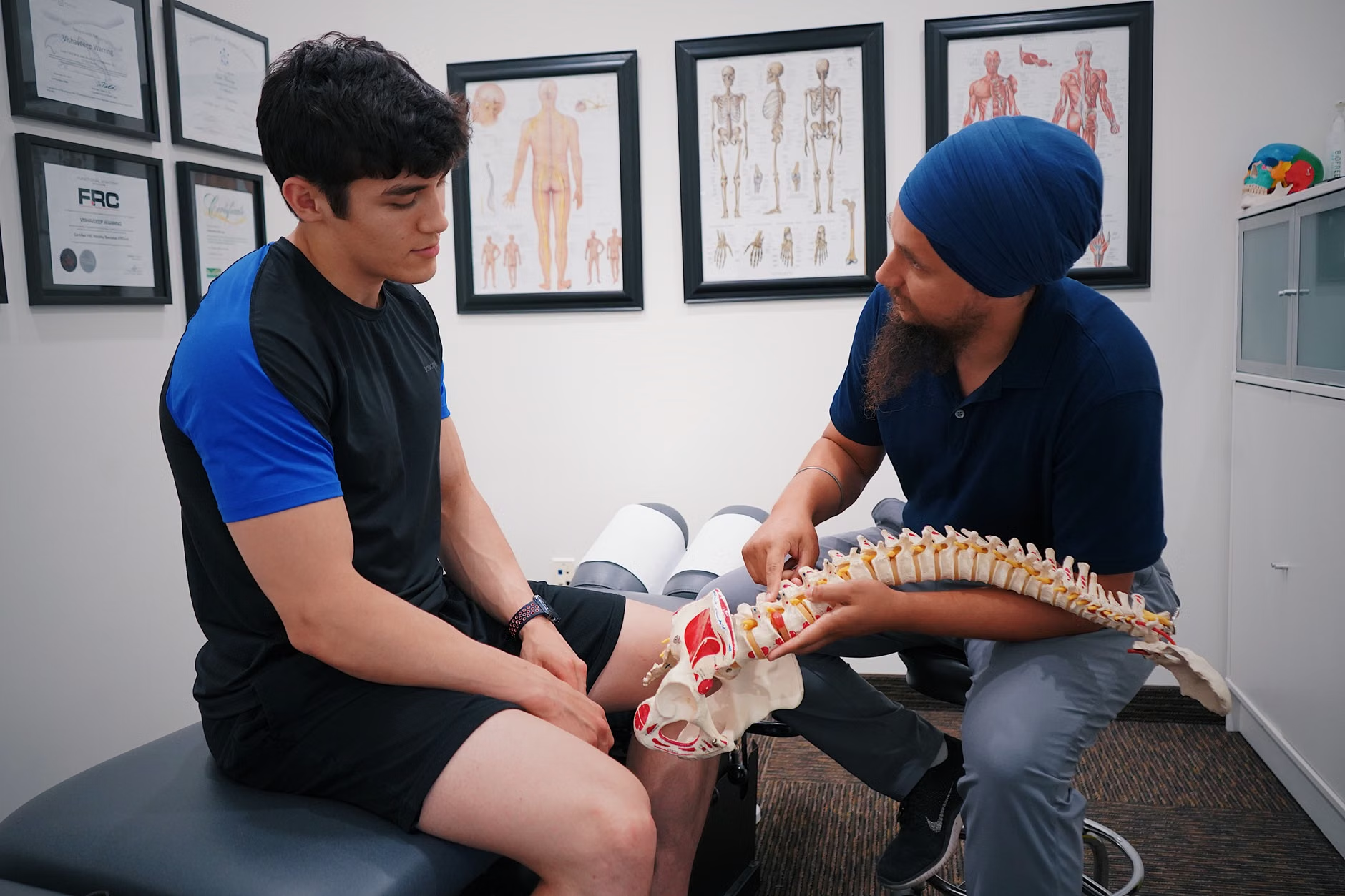
While seated spinal-flexion is generally safe, it is important to understand when your back pain requires more than just gentle movement. If you experience any of the following, do not attempt to “work through it.” Instead, contact a healthcare professional:
- Numbness or Tingling: If you feel “pins and needles” in your legs or feet, this may indicate nerve involvement.
- Radiating Pain: Pain that travels down the leg (sciatica) is a signal that a nerve is being compressed.
- Loss of Bladder or Bowel Control: This is a medical emergency; seek immediate care.
- Pain that Worsens at Night: Persistent pain that keeps you awake or does not improve with rest warrants a clinical evaluation.
When visiting your doctor, bring a “Symptom Log.” Note when the pain occurs, what activities trigger it, and what helps it improve. This allows your healthcare provider to distinguish between mechanical back pain (which responds well to movement) and other conditions that may require specialized treatment.
Mindful Movement: The Role of Breath
The connection between your breath and your movement is often overlooked. In the context of lumbar health, breathing is not just about oxygen; it is about intra-abdominal pressure. When you exhale during the flexion phase, you naturally engage your deep core muscles—the transversus abdominis. This provides a “muscular corset” that supports the spine as you move.
Practice “diaphragmatic breathing” (belly breathing) while performing your spinal-flexion. Place one hand on your chest and one on your belly. As you inhale, focus on your belly rising, not your shoulders. This technique reduces the stress response in the body, which is critical because chronic stress often leads to muscle tension in the lower back.

Long-Term Maintenance: Beyond the Exercise
Mobility is a lifelong project. While seated spinal-flexion is a wonderful tool, it is part of a broader strategy of “movement snacking.” A movement snack is a short, 2-to-5-minute burst of activity performed throughout the day. Instead of doing 30 minutes of exercise once a day, try doing 3 minutes of spinal-flexion every time you finish a meal or before you start a new task.
The Importance of Hydration and Nutrition
Your spinal discs are largely composed of water. Proper hydration is essential for maintaining the “cushioning” effect of these discs. While no specific diet “cures” back pain, maintaining a healthy weight reduces the load on your lumbar spine. For every kilogram of excess body weight, the pressure on your lower back increases significantly during movement. Focus on anti-inflammatory foods, such as leafy greens, fatty fish rich in Omega-3s, and berries, to support overall tissue health.
Walking as a Complement
Walking is the most natural way to maintain spinal health. When you walk, your spine undergoes a subtle rotation and flexion that keeps the small joints lubricated. If you have mobility concerns, ensure you use supportive footwear and choose paths with even surfaces. If you use a cane or trekking poles, these can provide the added stability needed to walk longer distances, which in turn keeps your lumbar spine moving through its natural range.
Developing a Routine
To make this a sustainable habit, use a simple tracking method. Some people find success with a paper calendar, checking off each day they complete their “morning mobility.” Others prefer to link the habit to an existing one, such as “After I finish my morning coffee, I perform 10 cycles of seated spinal-flexion.”
Insight: The “overlooked variable” in spinal health is often the consistency of the movement rather than the intensity. You are far more likely to maintain your mobility by doing 5 minutes of gentle movement every day than by doing 45 minutes of intense work once a week. The goal is to keep the synovial fluid in your spinal joints moving, which prevents the “stiffness” that often accumulates overnight or during long periods of sitting.
Common Misconceptions About Back Pain
There is a persistent myth that “rest is best” for back pain. For many years, medical advice leaned toward bed rest. Modern clinical guidance has shifted significantly. For most non-specific low back pain, activity—not rest—is the recommended course of action. Staying in bed can lead to muscle atrophy and increased stiffness, which makes the eventual return to movement even more painful. Seated spinal-flexion is a safe way to stay active even when you are experiencing mild, non-specific discomfort.
Conclusion: Investing in Your Future
Your spine is the central pillar of your physical life. By dedicating a few minutes each day to seated spinal-flexion, you are not just “doing an exercise”; you are investing in your ability to remain active, mobile, and independent. Start slowly, listen to your body’s signals, and prioritize consistency over intensity. As you become more comfortable with these movements, you will likely find that your daily activities—whether it’s gardening, traveling, or playing with grandchildren—become easier and more enjoyable.
For more information on spinal health and exercise guidelines, consult resources from organizations such as the National Institute of Arthritis and Musculoskeletal and Skin Diseases (NIAMS) or your local national health service’s guidelines on musculoskeletal health.
Frequently Asked Questions
1. How many repetitions should I do in one session?
Start with 5 to 10 repetitions. The goal is to move through a full, comfortable range of motion. If you feel tired or notice your form breaking down, stop. It is better to do high-quality, controlled movements than a high number of sloppy repetitions.
2. Can I do this if I have osteoporosis?
If you have been diagnosed with osteoporosis or osteopenia, please consult your healthcare provider or a physical therapist before performing spinal-flexion exercises. Forward bending (flexion) can sometimes be contraindicated depending on the severity of bone density loss in the vertebrae. Always get personalized advice for your specific bone density profile.
3. Should I feel a “pop” or a “crack” when I move?
It is common to hear or feel small clicks or pops, which are often just gas bubbles in the joint fluid. This is typically harmless. However, if any sound is accompanied by pain, stop the exercise and consult a professional. Never intentionally try to “force” a crack or pop in your back.
Disclaimer: This article is for informational purposes only and does not constitute medical advice. Always consult with a healthcare professional before starting any new exercise program, especially if you have pre-existing health conditions or mobility limitations.