- Prioritize “Level Access” over “Accessibility”: Always verify specific entry points, as historic cathedrals often have separate, non-obvious entrances for step-free access.
- Manage Stamina with Micro-Breaks: Plan your visit around the cathedral’s “hidden” seating, typically found in side chapels or near the ambulatory, rather than relying on the main nave.
- Leverage Digital Accessibility: Many major cathedrals now offer digital audio guides that allow you to tour at your own pace without needing to stand in crowded, slow-moving group tours.
Historic cathedrals are among the most magnificent structures in the world, yet they were designed centuries before modern accessibility standards existed. For the modern traveler aged 60 to 80, these sites present a unique set of challenges: uneven stone floors, dim lighting, limited seating, and complex, multi-level layouts. However, with careful preparation, these architectural marvels remain highly accessible.
The primary hurdle is often not the building itself, but the lack of clear, centralized information regarding specific mobility needs. While a cathedral might be officially “accessible,” this may only apply to the main entrance and not the crypts, towers, or cloisters. Understanding how to interpret “accessibility” in a historic context is the first step toward a stress-free visit.
What “Accessible” Means in Medieval Architecture
In modern urban planning, accessibility implies a seamless, barrier-free experience. In a cathedral built in the 12th century, “accessible” often means “the best possible compromise.” You may encounter ramps that are steeper than modern standards or cobbled paths that require careful navigation. Knowing this allows you to adjust your expectations and equipment accordingly.
Pre-Visit Preparation: Your Mobility Checklist
Before you commit to a visit, you must treat your cathedral tour with the same logistical rigor as a medical appointment. Start by identifying the specific barriers you are likely to face.
| Factor | What to Check | Why It Matters |
|---|---|---|
| Entry Points | Is there a step-free entrance? | Avoiding the main steps is vital for those using mobility aids or with joint pain. |
| Flooring | Is it uneven stone or smooth marble? | Uneven surfaces increase the risk of trips and exacerbate foot fatigue. |
| Seating | Are there chairs or benches in the side chapels? | You will need frequent, short rests to maintain stamina throughout a large site. |
| Lighting | Is the interior dimly lit? | Low light makes uneven floor transitions hard to see, increasing fall risks. |
Practical Decision Rule: If a cathedral’s official website does not explicitly list a “step-free” or “accessible” entrance, contact their visitor services department via email at least one week before your visit. Ask specifically: “Is there a level-access route from the street to the main altar?” If the answer is vague, prioritize sites that provide detailed accessibility maps or virtual tours.

Managing Stamina: The “Micro-Rest” Strategy
The sheer scale of a cathedral can be deceptive. A building that looks small from the outside often involves extensive walking once you account for the ambulatory, the transepts, and the various chapels. The “Micro-Rest” strategy is designed to prevent exhaustion before it begins.
The Architecture of Rest
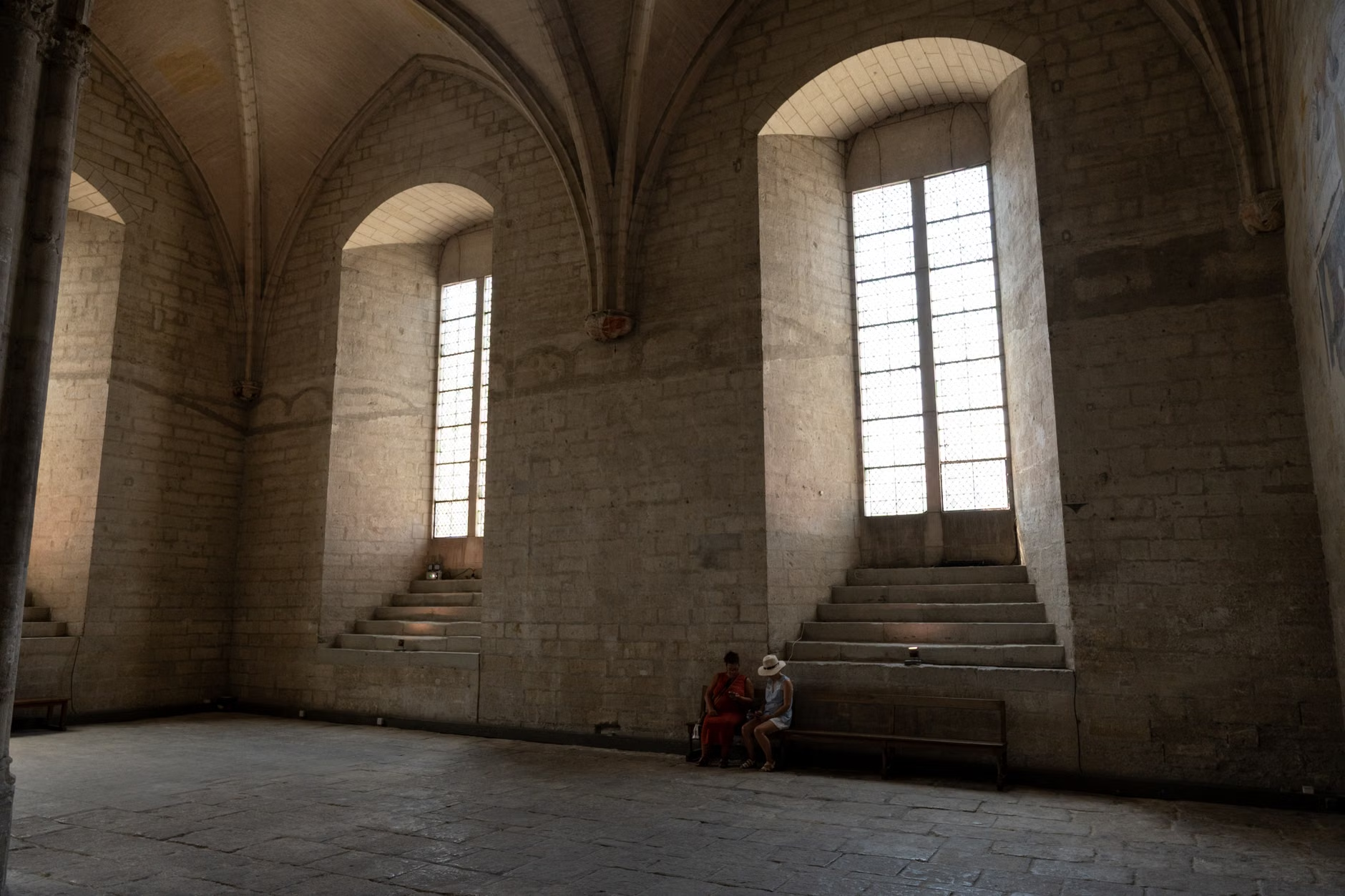
Do not wait until you are fatigued to sit down. Instead, identify “rest nodes” as soon as you enter. These are usually found in the back rows of the side chapels or the outer edges of the nave. These areas are often quieter and less crowded, providing a dual benefit of rest and a more contemplative experience.
Common Mistake: Many travelers attempt to follow the main tourist flow, which is often a circular, high-traffic route. If you find yourself in a crowd, step out of the flow. You are not obligated to follow the “official” path if it forces you to stand for long periods. You can often see the main features of a cathedral by moving from one side-chapel bench to the next, rather than walking the entire length of the nave in one go.
Digital Tools as Accessibility Aids
Technology has revolutionized the way we experience historic sites. If you have concerns about walking long distances, you no longer need to rely on group tours that dictate your pace.
Self-Guided Digital Tours
Most major cathedrals now offer smartphone-based audio guides. These are superior to group tours for several reasons:
- Pacing: You decide when to move and when to stop.
- Volume Control: You can adjust the audio level to suit your hearing needs.
- Safety: You are not forced to stay close to a guide in crowded, potentially unstable areas.
Before you leave your accommodation, ensure your device is fully charged and that you have downloaded the tour app. Bringing a lightweight, portable power bank is a standard practice for the prepared traveler, as cold cathedral temperatures can drain phone batteries faster than expected.
Different mobility needs require different strategies. Let’s break down how to handle common scenarios.
If You Use a Cane or Walker
Ensure your mobility aid has rubber tips with good traction. Cathedral floors, especially those made of polished marble, can be incredibly slippery. If you are using a walker with a seat, you have a massive advantage: you carry your own rest station with you. Do not hesitate to use it in the middle of the nave if you feel your stamina flagging.
If You Have Visual Impairments
Cathedrals are notoriously dark. If you have sensitivities to low light, plan your visit for the brightest part of the day, usually between 11:00 AM and 2:00 PM. Many cathedrals also offer tactile models of the building near the entrance. Ask at the information desk if these are available; they provide a profound sense of the building’s scale that vision alone might not convey.
The Hidden Costs of Accessibility
While many cathedrals are free to enter, “accessible” facilities sometimes come with a fee or require booking in advance. For example, some cathedrals require you to book a specialized “accessible entry” time slot to ensure staff can assist you with a ramp or lift. Always check the “Accessibility” or “Visitor Information” tab on the official website for booking requirements.
Additionally, consider the cost of local transport. If you are staying far from the cathedral, do not try to walk the “last mile.” Use a taxi or a ride-sharing service to drop you off as close to the accessible entrance as possible. Saving your energy for the interior of the cathedral is a better use of your travel budget than saving on a short taxi fare.
Advanced Planning: A Step-by-Step Action Plan
To ensure your visit is successful, follow this chronological guide:
- One Month Out: Research the cathedral’s accessibility page. Look for terms like “step-free,” “level access,” “accessible toilets,” and “disabled parking.”
- Two Weeks Out: Email the visitor center if you have specific concerns (e.g., “Is the ramp to the crypt steep?”).
- Three Days Out: Check the weather. Rain can make stone entrances slippery, and extreme cold can affect joint mobility.
- Day of Visit: Wear shoes with high-grip soles. Carry a small bag for your essentials (water, medication, phone, power bank).
- During the Visit: Locate the nearest accessible toilet immediately upon entry. This reduces anxiety and allows you to focus on the architecture.
The Importance of Professional Guidance
If you have specific concerns about your physical capabilities, such as balance issues or chronic pain, consult with your physical therapist or primary care physician before a major trip. They can provide exercises to improve your gait or recommend specific types of support devices that are better suited for travel than your daily-use equipment. When speaking to them, provide a realistic overview of your trip—for instance, “I plan to visit three cathedrals in five days, each involving about 2,000 to 3,000 steps.” This level of detail helps them give you actionable advice rather than generic “be careful” warnings.
Addressing Common Misconceptions
One of the most common myths is that “old buildings are just not meant for seniors.” This is incorrect. Most historic sites are actively working to preserve their legacy by making them accessible to all. The barrier is often simply communication. By being proactive, asking the right questions, and knowing your own limits, you can experience these sites with the same depth and enjoyment as any other traveler.
Another misconception is that you must see everything. If a cathedral has a tower climb, skip it. If the crypt is narrow and dark, skip it. The essence of a cathedral is often in the main nave and the stained glass, which are usually the most accessible parts. Prioritizing your comfort over “checking off” every room will significantly improve your overall travel experience.
Practical Tips for Travel Safety
Safety is not just about avoiding falls; it is about managing your health in an unfamiliar environment. Always keep an “Emergency Information Card” in your wallet. This card should include your name, emergency contact, list of current medications, and any significant medical conditions. In the unlikely event that you feel unwell, this card allows staff to assist you effectively.
Furthermore, stay hydrated. Cathedrals are often large, dry, and cool. It is easy to forget to drink water, which can lead to fatigue and dizziness. Carry a refillable water bottle, but remember that many cathedrals do not allow food or drink inside. Plan to hydrate immediately before entering and immediately upon exiting.
Conclusion: The Path Forward
Visiting historic cathedrals as a senior is not only possible but can be a highlight of your travels. The key lies in shifting from a mindset of “can I do this?” to “how can I best facilitate this experience?” By respecting your stamina, utilizing technology, and planning for the unique constraints of ancient architecture, you can enjoy these cultural treasures with confidence and ease. The goal is not to endure the visit, but to immerse yourself in the history and beauty of the space, knowing you have the tools to handle whatever challenges arise.
Frequently Asked Questions (FAQ)
1. What should I do if I arrive and find that the “accessible” entrance is closed?
Do not attempt to navigate stairs if you have mobility limitations. Look for an intercom at the entrance or call the cathedral’s visitor center phone number directly. Most cathedrals have staff who can open alternative routes or provide assistance if you alert them to your arrival.
2. Are there any specific times of day that are better for senior travelers?
Yes. Mid-morning (around 10:30 AM) is often ideal. You avoid the early morning rush and the afternoon school tour groups. It is also when light levels are generally at their best for visibility, and the staff are fully prepared for the day’s visitors.
3. Can I bring my own folding stool into a cathedral?
Most cathedrals are very accommodating regarding lightweight, portable folding stools, as they recognize the need for rest. However, it is always best to check the “Visitor Rules” on their website beforehand. If you have a seat-walker, this is almost always permitted, as it is classified as a mobility aid rather than a chair.
For further information on specific cathedral accessibility, consult the official website of the site you intend to visit. For general travel accessibility tips, you may also refer to resources provided by local tourism boards or organizations like Tourism for All.
Deep Dive: Analyzing Mobility Challenges in Historic Environments
To truly understand the environment of a cathedral, one must recognize the material constraints. Historic cathedrals were constructed using local stone, often limestone or sandstone. Over centuries, these stones wear down, creating “dishing” or uneven surfaces in high-traffic areas. For a traveler with balance issues, these subtle dips are far more dangerous than obvious steps. A step is visible; a dip in the floor can cause a subtle shift in your center of gravity that leads to a stumble.
When you are walking through these spaces, maintain a “three-point contact” mindset. If you use a cane, always ensure the cane is firmly planted before moving your forward foot. If you are walking with a companion, do not hesitate to hold their arm. This is not a sign of frailty; it is a smart, tactical move to navigate uneven surfaces safely. Modern, flat-soled shoes with high-traction rubber outsoles are non-negotiable. Avoid leather-soled shoes at all costs, as they offer zero grip on polished stone or marble floors.
The Role of Lighting in Safety
The transition from the bright exterior of a city square to the dim interior of a cathedral is a major factor in fall prevention. Your eyes require time to adjust. When you enter, stop in the vestibule (the area just inside the main door) for at least two to three minutes. Allow your pupils to dilate and your vision to stabilize. This simple act reduces the risk of tripping over low-profile barriers or changes in floor level immediately upon entry.
Strategic Itinerary Planning: The “One-Site-Per-Day” Rule
A common mistake for travelers of all ages, but particularly those in their 60s and 70s, is the “over-packing” of an itinerary. Trying to visit two cathedrals and a museum in a single day is a recipe for physical and mental fatigue. The “One-Site-Per-Day” rule suggests that you dedicate your primary energy to one major site, allowing for a relaxed morning and a restorative afternoon.
When you limit yourself to one major visit, you remove the “rush factor.” You can sit for an hour in a side chapel, read the history of the stained glass, and truly appreciate the space. This is not “missing out”—it is choosing quality over quantity. By the end of your trip, you will remember the details of the one cathedral you spent time in, rather than having a blurred memory of three sites you rushed through while exhausted.
The Psychological Aspect of Accessible Travel
Travel is as much about mindset as it is about physical movement. Many seniors feel a sense of hesitation or “imposter syndrome” when requesting assistance, thinking they are being a burden. It is critical to reframe this. You are a paying visitor, and accessibility is a service that the venue is responsible for providing. When you request a ramp, a lift, or a quiet place to sit, you are not asking for a favor; you are exercising your right to access the facility. This shift in perspective can make your travel experience significantly more enjoyable and less stressful.
Furthermore, if you are traveling with family or caregivers, communicate your needs clearly before you leave home. Establish a “code word” or a simple hand signal that indicates you need a break. This prevents the need for long explanations in the middle of a crowded, noisy cathedral. Your family will appreciate the clarity, and you will feel more secure knowing that your needs are understood and respected.
Advanced Equipment: Beyond the Cane
If you have significant mobility challenges, consider the difference between a standard cane and a quad-cane. A quad-cane provides a wider base of support and can stand on its own, which is incredibly useful when you are trying to read a guidebook or take a photo. If your stamina is a persistent issue, look into ultralight, foldable electric wheelchairs. While this may seem like an extreme step, these devices are becoming increasingly common and are designed to be compact enough to fit through standard doorways and into most accessible cathedral entrances. They provide a level of independence that can turn a “difficult” site into an easy one.
The Importance of Professional Care Coordination
If your travel involves managing a chronic condition, your “travel team” should include your healthcare provider. Before you leave, discuss your itinerary with them. Ask for a “travel-ready” version of your medication list, which includes the generic names of your drugs. This is crucial because brand names change across borders. If you have a fall or a medical emergency, local doctors need to know the chemical composition of what you are taking, not just the brand name.
Also, verify your travel insurance coverage. Does it cover “pre-existing conditions”? Many standard policies do not. Ensure your policy specifically covers medical evacuation and, if necessary, the return of mobility equipment. Knowing you have this safety net in place allows you to focus on the beauty of the architecture rather than worrying about the “what-ifs.”
Summary of the Cathedral Experience
The journey through a historic cathedral is a journey through time. By preparing your mobility tools, managing your stamina through micro-rests, utilizing digital guides, and being proactive in your communication with staff, you can ensure that these experiences are enriching rather than exhausting. Remember: the cathedral was built to inspire awe, not to test your physical limits. Plan accordingly, take your time, and enjoy the majesty of these timeless structures.
Note: This guide is intended for informational purposes and does not constitute medical or professional travel advice. Always prioritize your individual health needs and consult with your healthcare provider before planning long-distance travel.