- Physical Benefits: Community gardening provides low-impact, functional exercise that improves dexterity, balance, and core strength without the strain of high-intensity gym workouts.
- Social Resilience: Participation in shared garden spaces acts as a powerful antidote to social isolation, providing structured, recurring interactions that build genuine community bonds.
- Accessibility Matters: Choosing a garden with raised beds, accessible pathways, and adequate seating is the most critical step to ensuring your gardening hobby remains sustainable and injury-free.
Community gardening is far more than a simple hobby; for adults aged 60 to 80, it serves as a multifaceted intervention that supports physical health, mental clarity, and social integration. Unlike solitary activities, a community garden acts as a “third space”—a location outside of home and the workplace where individuals can gather, collaborate, and share knowledge. By engaging with the soil, the seasons, and one’s neighbors, older adults can cultivate a routine that provides both personal satisfaction and a vital sense of belonging.
The Physiological Advantages of Garden-Based Activity
When we discuss “exercise” for those in the 60-80 age bracket, the conversation often shifts toward walking or swimming. However, gardening offers a unique form of functional movement. Unlike repetitive gym exercises, gardening involves a diverse range of motions that are essential for maintaining independence as we age.
Improving Dexterity and Fine Motor Skills
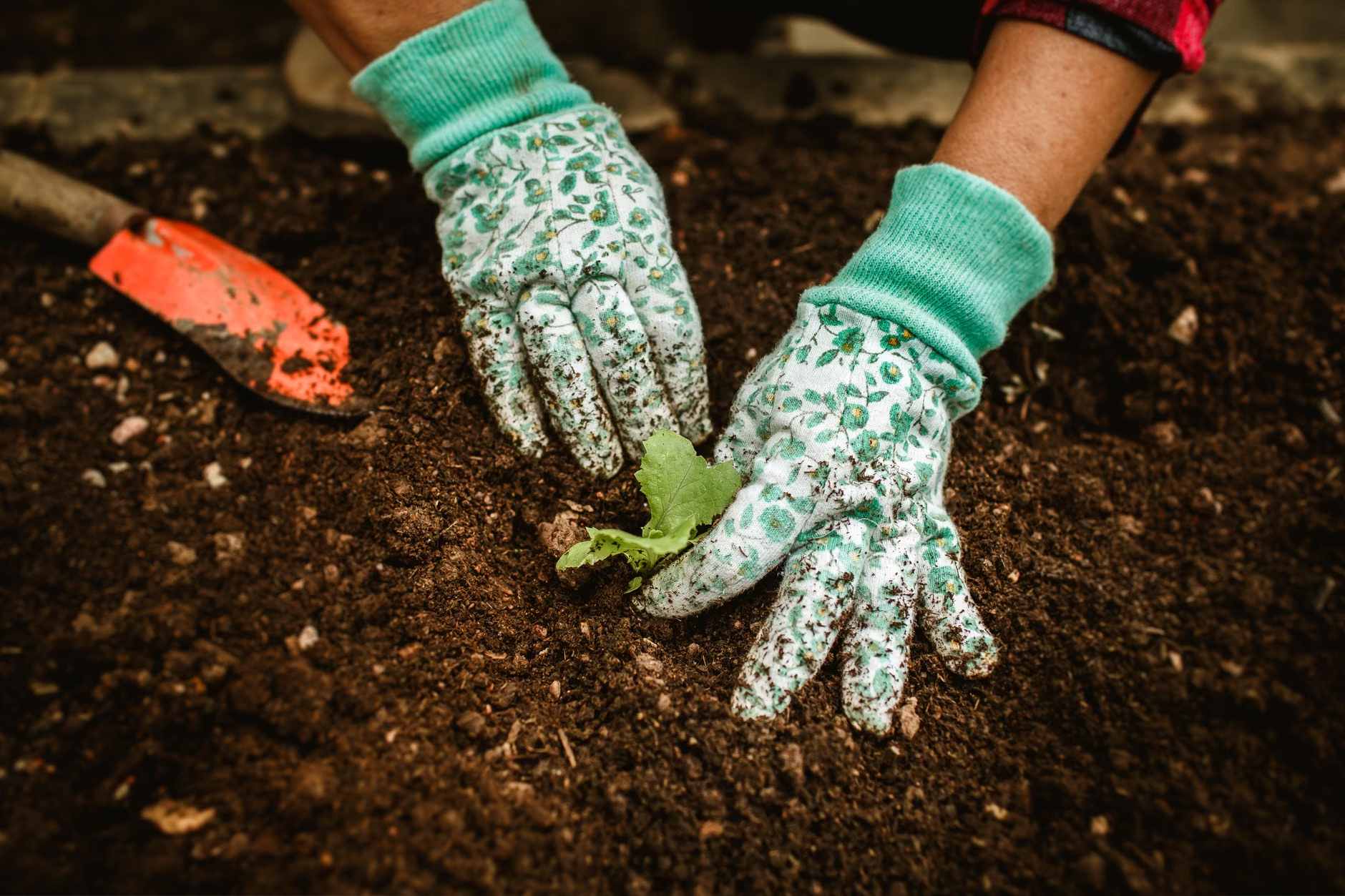
Working with seeds, transplanting seedlings, and harvesting delicate produce requires fine motor control. This constant, gentle engagement of the hands and fingers helps maintain grip strength and manual dexterity, which are often the first areas to decline with age. For those with mild arthritis, the key is using ergonomic tools—those with thick, rubberized grips—and avoiding prolonged periods of repetitive motion. The goal is “active recovery” rather than strain.
Building Core Stability and Balance
Gardening naturally incorporates “functional training.” Reaching across a bed, squatting to weed, or carrying a light watering can engages the core muscles and improves balance. These movements translate directly to improved stability in daily life, reducing the risk of falls. If you are starting, begin with 15-minute sessions to allow your muscles to adapt to the specific demands of gardening, rather than attempting a full afternoon of heavy labor on your first day.
Designing for Accessibility: The Infrastructure of Comfort
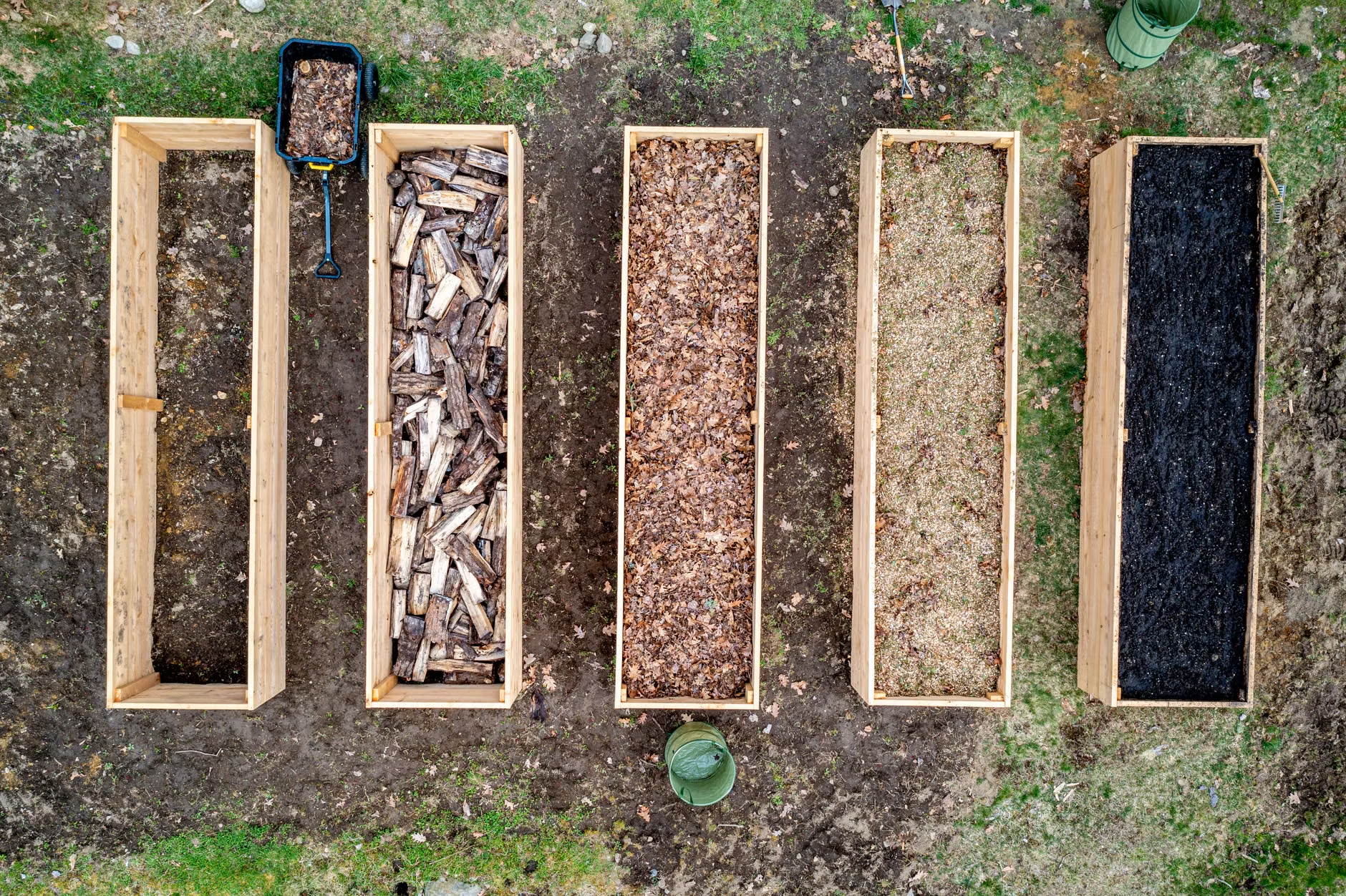
The greatest barrier to long-term gardening is physical discomfort. If your garden setup is not designed for your current mobility level, you are likely to experience fatigue or strain, which leads to quitting. When scouting a community garden, prioritize sites that feature the following accessibility standards:
| Feature | Why It Matters | What to Look For |
|---|---|---|
| Raised Beds | Reduces the need for deep squatting or kneeling. | Beds at least 60-80cm high. |
| Hardened Paths | Prevents tripping and allows for mobility aid use. | Paved or crushed gravel paths, not loose soil or grass. |
| Seating Areas | Essential for rest and social interaction. | Benches with back support located in shaded areas. |
| Water Access | Reduces the weight of carrying equipment. | Hose bibs close to your specific plot. |
If you find a garden that lacks these features, check with the garden committee to see if they have a “modification policy.” Many community gardens receive grants specifically for accessibility upgrades. If you are a caregiver or family member, helping an older relative secure a plot in an accessible garden is one of the most effective ways to ensure they stay active during the growing season.
The Psychological and Social “Harvest”
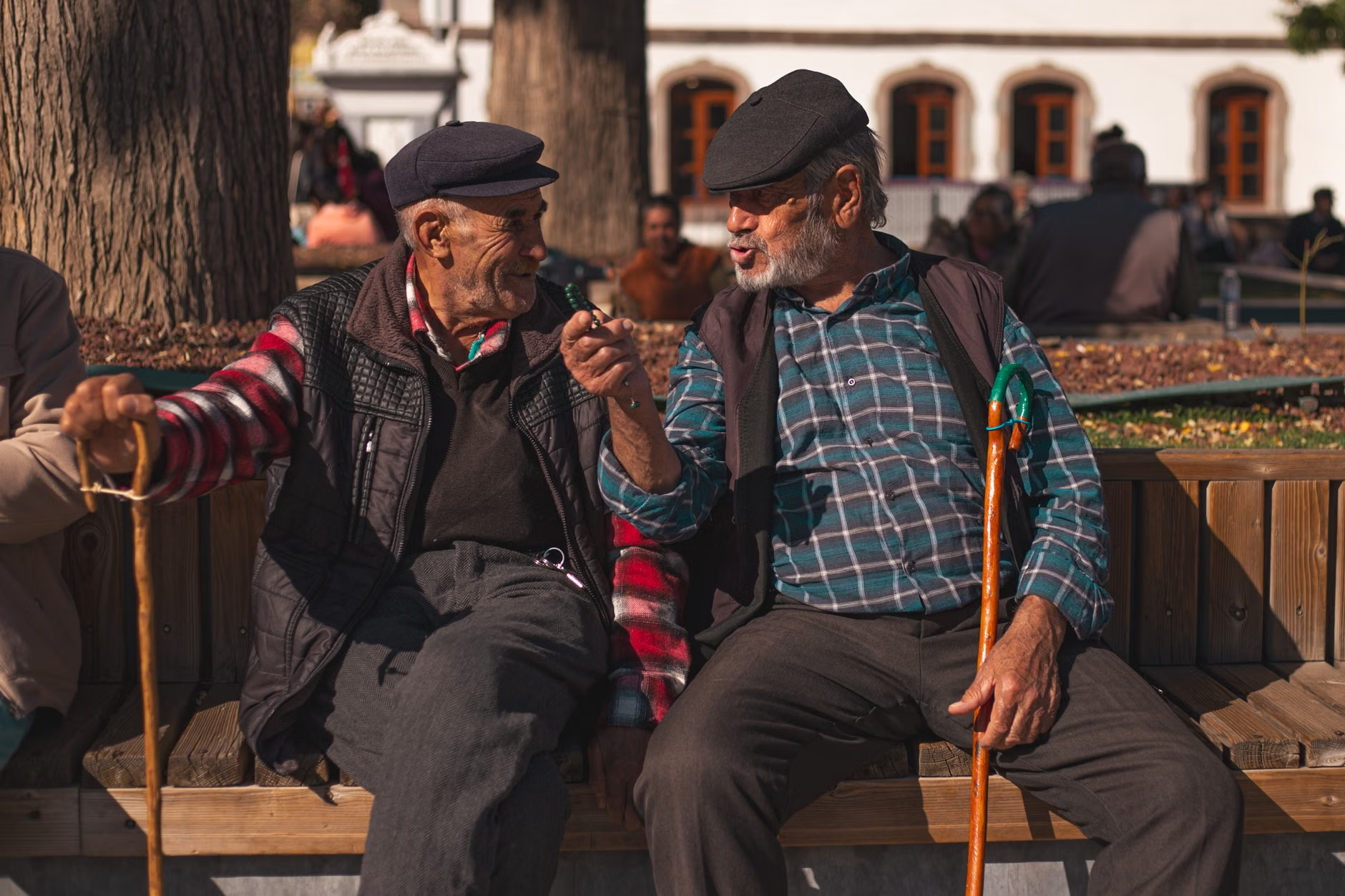
Social isolation is a significant public health challenge for older adults. The structure of a community garden provides a natural, low-pressure environment for socialization. You are not forced to “make conversation”; instead, you have a shared objective—growing food—which acts as a natural icebreaker.
Psychologists note that having a “shared purpose” is a primary driver of happiness in later life. When you are in a garden, you are contributing to a collective output. You might be swapping tips on how to manage tomato blight or sharing a surplus of zucchini. These interactions are not just “chatting”; they are meaningful exchanges that build trust and camaraderie. In many urban settings, this becomes the primary way that older adults build a local support network.
Managing the Mental Load
Gardening requires planning. You must consider planting times, sunlight exposure, soil nutrients, and water cycles. This type of “executive function” keeps the brain sharp. Unlike passive entertainment, gardening is a form of active engagement that requires observation, adaptation, and problem-solving. When a crop fails, you learn from it; when it succeeds, you celebrate it. This cycle provides a sense of mastery that is essential for maintaining a positive outlook.
Practical Steps to Getting Started
If you have decided to join a community garden, do not rush the process. Approach it like any other commitment—by researching, preparing, and setting realistic expectations.
Step 1: Assessing Your Capacity
Before signing up, be honest about your energy levels. Do you have a history of back pain, knee issues, or respiratory conditions that might make working in the heat difficult? If so, prioritize gardens that offer communal plots rather than individual ones. In a communal plot, you work alongside others and only take on the tasks you feel comfortable with, rather than being solely responsible for the maintenance of a large space.
Step 2: Finding a Local Garden
Use local council websites or national gardening associations to find registered community gardens. In the UK, the National Allotment Society is a primary resource. In the US, the American Community Gardening Association provides directories. Always visit the site during operating hours to observe the culture. Is it a place where people talk, or is it strictly business? Choose the environment that matches your social needs.
Step 3: Equipment and Safety
Do not buy expensive equipment immediately. Most community gardens have shared tools. Focus your investment on personal gear:
- Footwear: Supportive, non-slip shoes are non-negotiable.
- Sun Protection: A wide-brimmed hat, UV-protective clothing, and high-SPF sunscreen are essential, as you may lose track of time while gardening.
- Hydration: Carry a refillable water bottle and ensure you drink before you feel thirsty.
While gardening is generally safe, it is important to be aware of the specific risks associated with aging. The most common issues are not related to the garden itself, but to how we interact with it.
Heat Management
Older adults are more susceptible to heat-related illnesses. The body’s ability to regulate temperature changes with age, and the sensation of thirst often diminishes. Rule of thumb: Garden during the “golden hours”—early morning before 10:00 AM or late afternoon after 4:00 PM. Avoid the midday sun entirely.
Preventing Overuse Injuries
It is common to feel a surge of energy on a nice spring day and spend four hours in the garden. This is a recipe for muscle strain or tendonitis. Follow the “15-15 Rule”: for every 15 minutes of moderate physical activity, take 15 minutes of rest in the shade. This prevents the cumulative fatigue that leads to accidents.
Health Precautions
If you have specific health conditions, such as diabetes or heart disease, consult your primary care provider before starting a rigorous gardening regimen. Ask them if there are specific movements (such as excessive bending) that you should avoid based on your medical history. Always carry a list of your current medications and emergency contact information in your garden bag, just as you would for any other excursion.
The Role of Family and Caregivers
Family members often worry about the safety of older relatives engaging in outdoor activities. Instead of discouraging the activity, shift your role to that of a “facilitator.”
- Logistics: Help with the initial setup—transporting soil, installing raised beds, or setting up automated irrigation systems.
- Monitoring: Ask about their garden progress. If they stop talking about it, it might be a sign they are struggling with the physical demands and need assistance or a change in their garden setup.
- Shared Experience: Visit the garden together. It provides a neutral, pleasant environment for family bonding that is far more engaging than sitting in a living room.
Long-Term Sustainability: Staying Engaged
The beauty of community gardening is that it changes with the seasons. In the spring, it is about anticipation and planting. In the summer, it is about maintenance and harvest. In the autumn, it is about clearing and preparation. This cycle prevents the hobby from becoming stagnant.
To keep your interest alive for years, consider specializing. Perhaps you focus on heirloom tomatoes, or you dedicate a portion of your plot to pollinator-friendly flowers. This “niche” focus provides a topic for ongoing learning and keeps the intellectual side of the hobby fresh. If you find the physical labor becoming too much, consider transitioning to a role as a “garden mentor” for younger members. Your years of experience are a valuable asset, and teaching others is a powerful way to stay connected to the community even if your physical capacity changes.
Ultimately, the power of the community garden lies in its ability to ground us. It forces us to slow down, to observe the natural world, and to connect with the people around us. By prioritizing accessibility, pacing your physical effort, and embracing the social aspects of the space, you can turn a simple plot of dirt into a cornerstone of a healthy, active, and fulfilling life in your 60s, 70s, and beyond.
Frequently Asked Questions
1. I have never gardened before. Is it too late to start in my 70s?
It is never too late. Gardening is a skill that is acquired through practice, not innate talent. Start by joining a community garden with a supportive committee and ask for a small plot or to work as an assistant to an experienced gardener for the first season. You will learn the basics of soil, water, and light through observation and trial.
2. What should I do if I have back pain but still want to garden?
Back pain is the most common complaint among gardeners of all ages. The solution is to eliminate the need to bend to the ground. Use raised garden beds that are at least waist-high, use long-handled tools to reach across beds, and always use a sturdy stool or bench when performing tasks that require sitting. If your pain persists, consult a physical therapist who can provide stretches specifically for gardening-related muscle groups.
While community gardens are often low-cost, there are usually annual membership fees to cover water, insurance, and tool maintenance. Additionally, you will need to budget for seeds, seedlings, and potentially organic fertilizer or compost. Before joining, ask the garden management for a breakdown of all expected annual costs and inquire if there are any communal resources available to reduce your personal expenses.