- Social Synergy: Community woodcarving reduces isolation by providing a structured, interest-based environment that naturally fosters long-term peer relationships.
- Cognitive Engagement: The combination of fine motor skills, spatial planning, and patience in woodcarving supports neuroplasticity and sustained attention.
- Safety First: Prioritizing ergonomic setups, proper tool maintenance, and protective gear allows for a sustainable practice that minimizes physical strain.
Woodcarving is frequently viewed as a solitary pursuit—a quiet craftsman alone in a workshop. However, for adults between the ages of 60 and 80, the transition from solitary carving to community-based woodcarving represents a shift from a mere hobby to a powerful tool for social, cognitive, and physical well-being. By engaging in this craft within a group setting, you gain access to shared knowledge, collective problem-solving, and a consistent social rhythm that is vital for healthy aging.
The Social Architecture of Woodcarving Groups
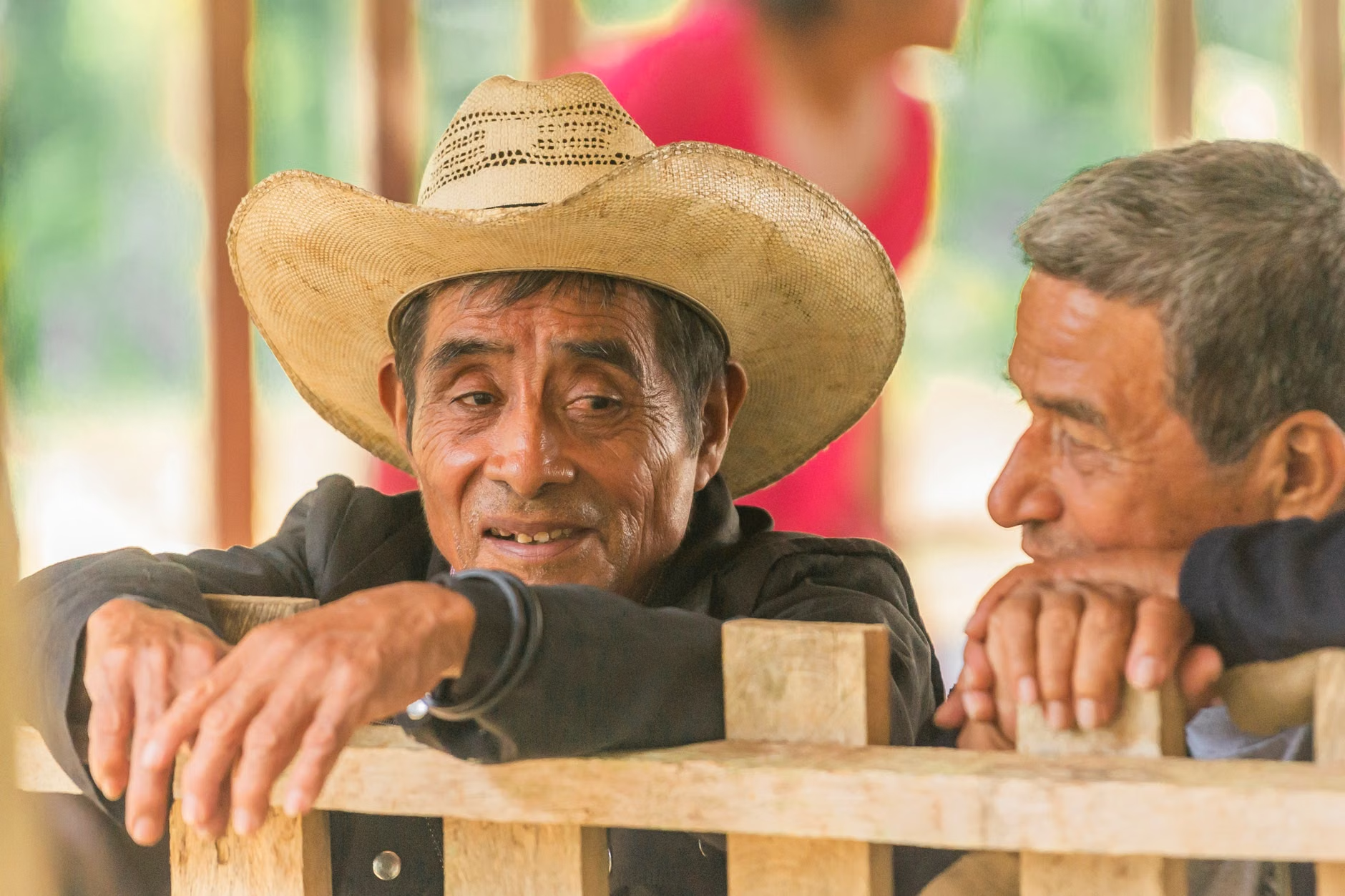
Isolation remains a significant health risk for older adults, often leading to decreased mental well-being and a decline in physical activity. Community woodcarving groups act as “social anchors.” Unlike general social clubs that rely on conversation alone, woodcarving clubs provide a “third space”—a location outside of work and home where shared tasks drive interaction.
When you join a carving group, the focus shifts from the pressure to “make conversation” to the collaborative effort of “making something.” This shared purpose lowers the barrier to entry for social interaction. You aren’t just meeting people; you are exchanging techniques, discussing wood grain, and troubleshooting design challenges. This creates a natural, low-pressure environment for building friendships.
Why Task-Based Socialization Works
Psychological research suggests that “parallel play”—a concept often associated with children—is highly effective for adults as well. When you and a peer are both focused on a carving, the conversation flows more naturally because it is anchored to the activity. If a lull in conversation occurs, it is not awkward; it is simply a moment of concentration. This removes the anxiety often associated with forced social settings.
| Feature | Solitary Carving | Community Carving |
|---|---|---|
| Skill Acquisition | Self-taught/Books | Mentorship/Peer-learning |
| Social Interaction | None | High (Task-focused) |
| Problem Solving | Trial and error | Collective feedback |
| Motivation | Internal only | External accountability |
The table above demonstrates that while solitary carving is excellent for deep focus, community carving provides a support network. If you are someone who values structured growth and companionship, the community model is superior for long-term sustainability.
Cognitive Vitality Through Craft
Woodcarving is a complex cognitive activity. It requires the integration of fine motor control, spatial awareness, and executive function. You must plan the cuts, anticipate how the wood grain will react to the blade, and adjust your pressure accordingly. This “hand-brain” connection is a potent form of mental exercise.
The Role of Spatial Reasoning
When you carve, you are constantly visualizing a 3D object within a 2D or block-shaped medium. This spatial reasoning keeps the brain agile. In a community setting, this is enhanced. When a peer asks, “How do you plan to shape that curve?” you are forced to articulate your internal process. This verbalization of spatial tasks strengthens neural pathways.
Mitigating Cognitive Decline
While no hobby can “cure” or “prevent” cognitive decline, staying mentally active through complex, novel tasks is consistently associated with better cognitive outcomes. Woodcarving is never “finished” in terms of learning. There is always a new wood species to understand, a new tool to master, or a new style to attempt. This constant novelty is key to keeping the brain engaged.
Physical Considerations: Safety and Ergonomics
For those aged 60-80, physical comfort is paramount to maintaining a hobby. Woodcarving involves repetitive motion and sustained posture. If not managed correctly, this can lead to hand fatigue, stiffness, or back pain. However, these risks are manageable with the right approach.
Designing Your Ergonomic Workspace
Many community centers offer standard tables, but you should prioritize your own comfort. Here is a checklist for a senior-friendly carving station:
- Height Adjustment: Ensure your workbench is at a height that allows your elbows to be at a 90-degree angle to the work, preventing shoulder strain.
- Lighting: Use high-lumen, flicker-free LED lamps. Good lighting reduces eye strain, which in turn reduces the tension you hold in your neck and shoulders.
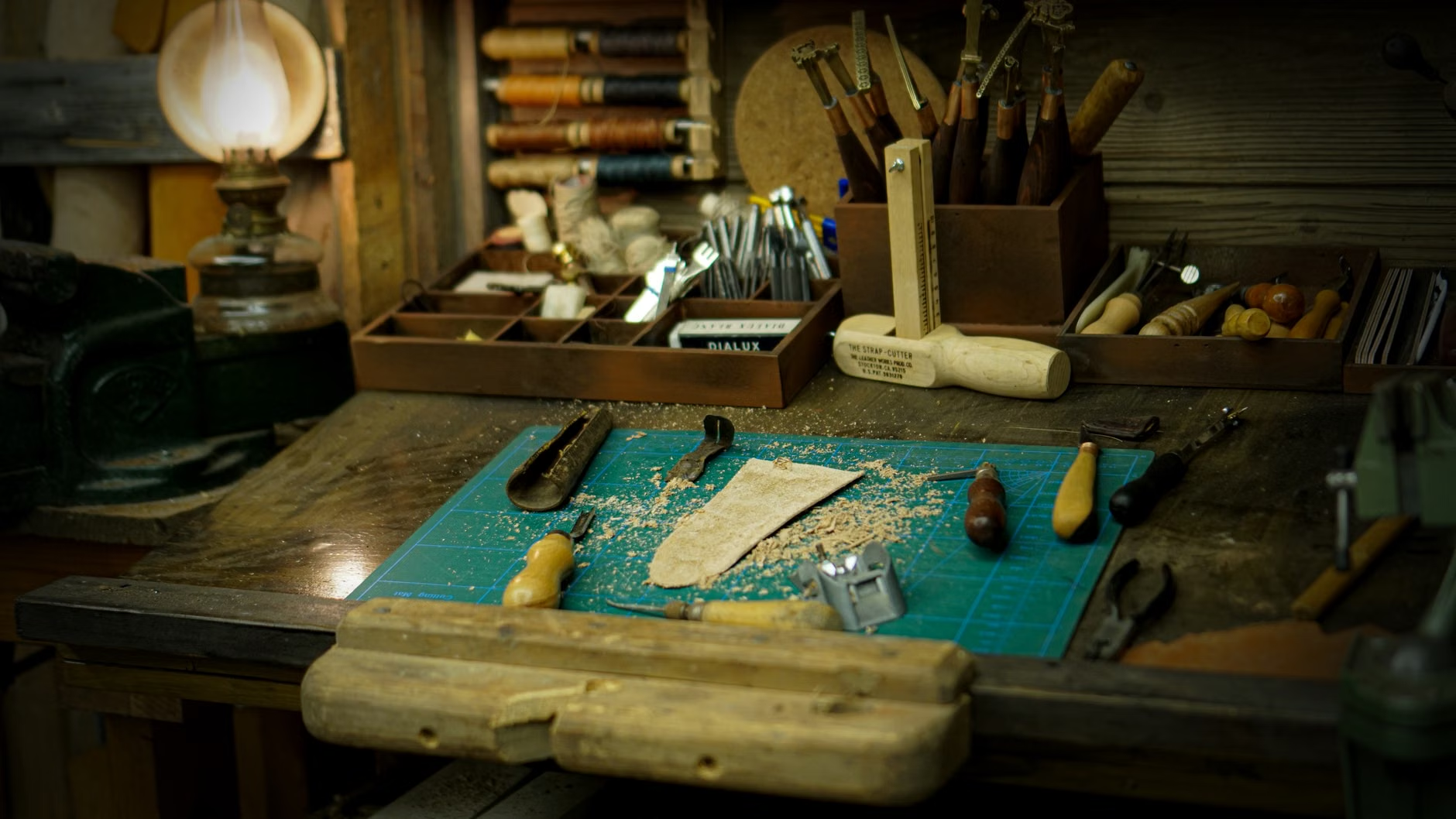
- Tool Maintenance: A sharp tool is safer than a dull one. A dull blade requires more force, increasing the risk of slips and hand fatigue. In a community setting, you can share sharpening equipment and techniques with others.
- Supportive Seating: Use a chair with lumbar support. If you stand, use an anti-fatigue mat to protect your joints.
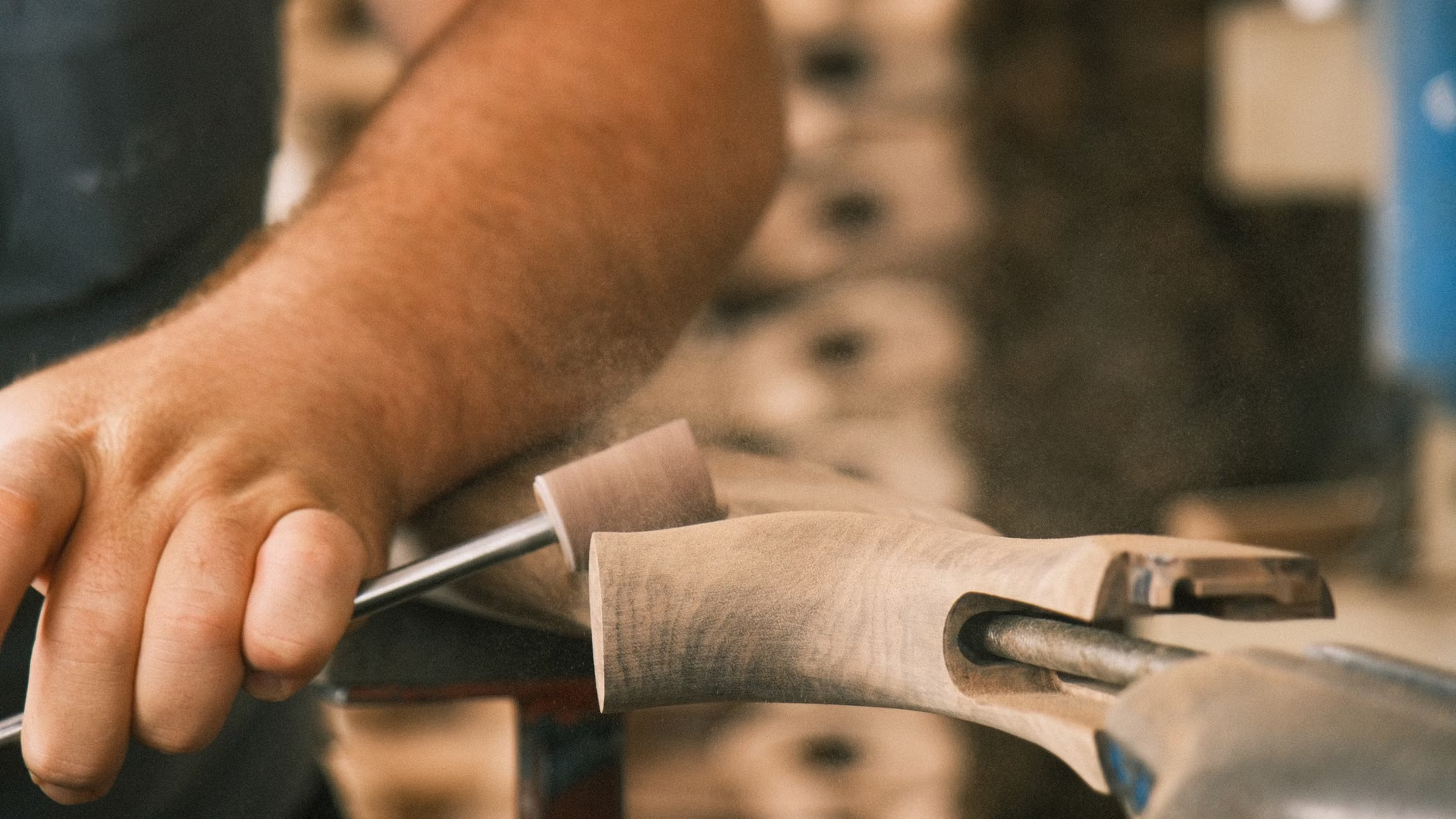
If you experience arthritis or reduced grip strength, woodcarving is still accessible, but you must modify your equipment. Larger-handled gouges provide more leverage and require less grip strength. Power-assisted carving tools, such as micro-grinders or rotary tools, can also replace manual gouging for large material removal, significantly reducing physical exertion.
Warning: Always ensure you are working in a well-ventilated area to manage wood dust. If you have respiratory sensitivities, use a high-quality N95 mask or an air filtration system in the workshop. This is a standard safety measure that protects your long-term health while allowing you to enjoy the hobby.
How to Find and Evaluate a Community Group
Not all woodcarving groups are the same. When searching for a local group, look for these indicators of a high-quality, inclusive environment:
- Safety Culture: Does the group emphasize tool safety? Is there a clear protocol for how to store and use sharp implements?
- Skill Diversity: A good group has a mix of beginners and experienced carvers. This ensures you can learn from those with more experience while contributing to the learning of others.
- Accessibility: Does the facility have ramps, easy-access bathrooms, and adequate space for mobility aids if needed?
- Social Norms: Observe a session before joining. Is the atmosphere supportive? Is there a culture of constructive feedback rather than criticism?
The Hidden Benefits of Mentorship
One of the most overlooked aspects of community woodcarving is the role of the mentor. As an older adult, you possess a lifetime of problem-solving experience. Sharing this with younger members or fellow seniors creates a sense of legacy and purpose. Conversely, being mentored by someone who has mastered a specific technique, like relief carving or chip carving, provides a sense of progression and achievement. This reciprocal relationship is a cornerstone of a healthy, functioning community.
Furthermore, the “unexpected trade-off” of community carving is the time commitment. While it provides social benefits, it also requires you to adhere to a schedule. For some, this is a benefit—it provides structure to the week. For others, it might feel like an obligation. Assess your energy levels realistically. If you are feeling overwhelmed, it is perfectly acceptable to attend every other session or participate in a “drop-in” capacity rather than a formal membership.
Integrating Woodcarving into Your Lifestyle
To make woodcarving a sustainable part of your life, treat it like any other wellness practice. Set realistic goals. Instead of trying to finish a complex bust in a week, focus on completing small projects that provide a sense of accomplishment. Keep a journal of your projects, including the type of wood used, the tools that worked best, and the social interactions that made the day memorable.
If you find that your local community center does not have a woodcarving group, consider starting one. Many local community centers, libraries, or senior centers are looking for facilitators for new hobby groups. You don’t need to be an expert; you just need to be an organizer. Provide the space, the tools, and the invitation, and the community will often form itself.
Conclusion: The Practical Path Forward
Community woodcarving is an investment in your social, cognitive, and physical health. It provides a structured way to combat the natural isolation of later life, keeps the mind sharp through technical challenges, and offers a physical outlet that is both rewarding and manageable. Start by finding a local group that prioritizes safety and accessibility, and remember that the goal is not perfection in your carving, but the consistent, joy-filled process of creating and connecting.
If you are ready to begin, take these three steps this week:
- Identify three local community centers or craft guilds within a 10-mile radius of your home.
- Call or visit to ask about their “open shop” hours or trial sessions.
- Ensure you have basic, comfortable safety gear—a pair of cut-resistant gloves is a non-negotiable starting point for any woodcarver.
Frequently Asked Questions
1. Is woodcarving safe for someone with arthritis?
Yes, but it requires adaptation. Using ergonomic tools with larger handles, incorporating power-assisted tools to reduce manual strain, and taking frequent breaks are essential. Always consult with your physical therapist if you have specific joint concerns to ensure your posture and grip are optimized to prevent flare-ups.
2. Do I need to buy expensive tools to join a community group?
Most community woodcarving groups provide a set of “loaner” tools for beginners to use during sessions. This allows you to try the hobby without a significant financial investment. Once you decide to pursue it long-term, you can invest in your own high-quality tools, but start by using what the community provides to understand your preferences.
3. How do I know if a group is the right fit for me?
The best indicator is the “vibe” of the group. A good group should feel welcoming, organized, and focused on safety. If you feel pressured to complete projects at a specific speed or if the environment feels disorganized, it may not be the right fit. Don’t hesitate to visit two or three different groups to compare before committing to a membership.
For more information on safe aging and community engagement, you may refer to the World Health Organization’s guidance on Healthy Ageing.