- Seated ankle-pumps work as a “second heart” for your lower body by utilizing calf muscle contractions to push venous blood back toward the heart.
- Consistency is more important than intensity; performing 20–30 repetitions every hour while sedentary is more effective than a single long session.
- This exercise is a non-invasive, cost-free method to manage mild swelling (edema) and reduce the risk of venous stasis when traveling or resting.
The human circulatory system relies on more than just the pumping action of the heart to move blood throughout the body. For the lower extremities, the calf muscles act as a secondary pump—often called the “calf muscle pump”—that pushes blood against gravity back toward the heart. As we age, changes in vascular elasticity and lower activity levels can lead to blood pooling in the lower legs, which manifests as swelling, heaviness, or discomfort. Seated ankle-pumps are a simple, evidence-based movement designed to activate these muscles, improve blood flow, and support venous health without requiring equipment or standing.
Understanding the Mechanics of the Calf Muscle Pump
To understand why ankle-pumps are effective, we must first look at the anatomy of the lower leg. The deep veins in your calves are surrounded by powerful muscles. When these muscles contract, they squeeze the veins, forcing blood upward through a series of one-way valves that prevent backflow. If these muscles remain inactive for long periods—such as during long-haul flights, extended periods of television viewing, or desk work—blood can accumulate in the veins, a condition known as venous stasis.
Why it matters: When blood pools in the lower legs, it increases pressure within the veins. This pressure can lead to peripheral edema (swelling), a feeling of “heavy legs,” and in more extreme cases, contributes to the risk of venous thromboembolism (VTE). By regularly engaging in ankle-pumps, you are manually assisting your body’s natural circulation process. This is not a “cure-all” for vascular disease, but it is a vital preventive habit that keeps the circulatory system efficient.
How to Perform Seated Ankle-Pumps Correctly
The beauty of the ankle-pump is its accessibility. You can perform it anywhere you can sit securely. Follow these steps to ensure you are maximizing the benefit while maintaining safety.
Step-by-Step Execution
- Positioning: Sit in a stable chair with your feet flat on the floor. Ensure your back is supported and your hips are at a comfortable angle. Avoid chairs that are so low that your knees are significantly higher than your hips, as this can restrict blood flow at the crease of the leg.
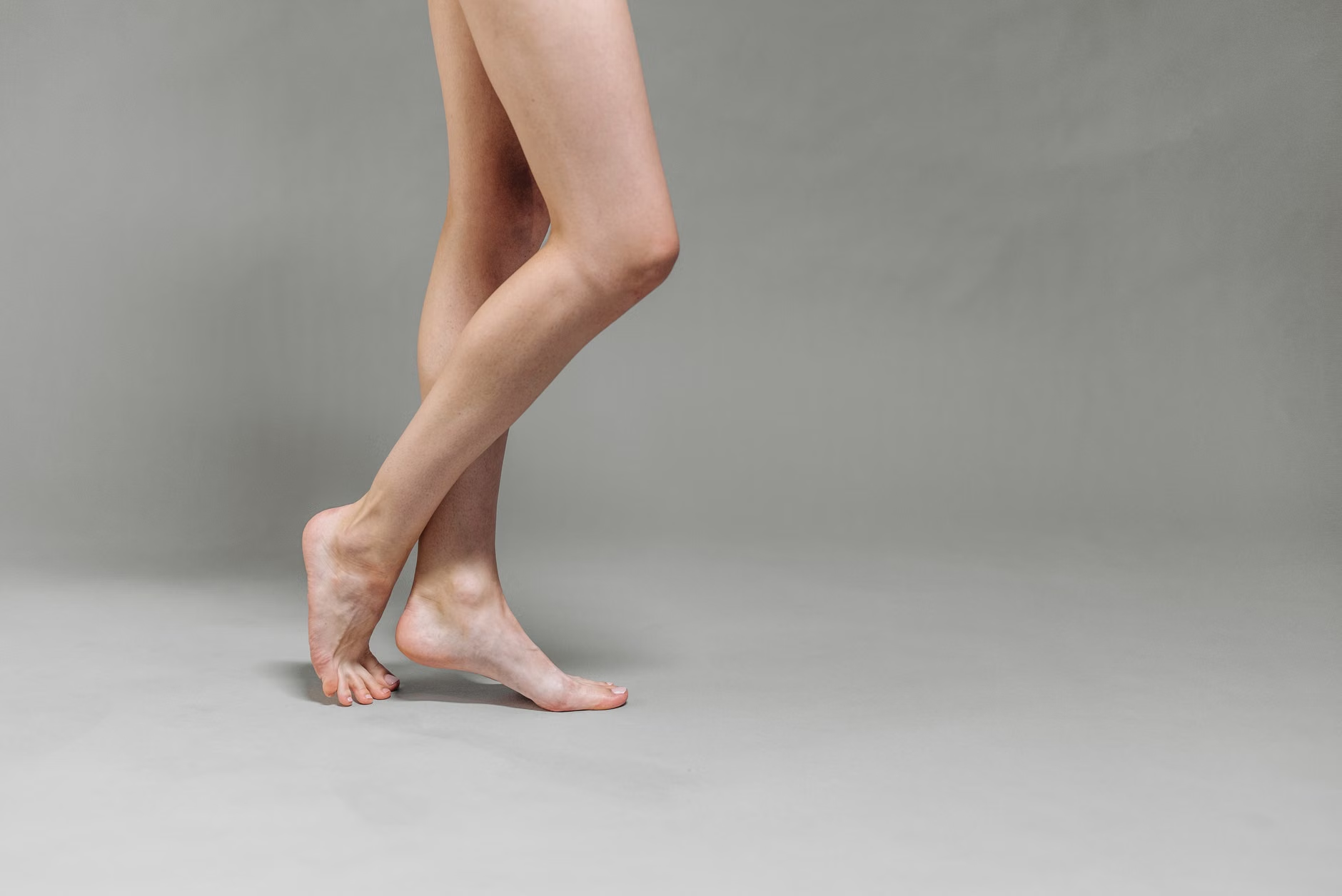
- The Upward Movement (Dorsiflexion): Lift the front of your feet (the toes and balls of the feet) as high as possible while keeping your heels firmly planted on the ground. You should feel a stretch in the muscles along the front of your shin.
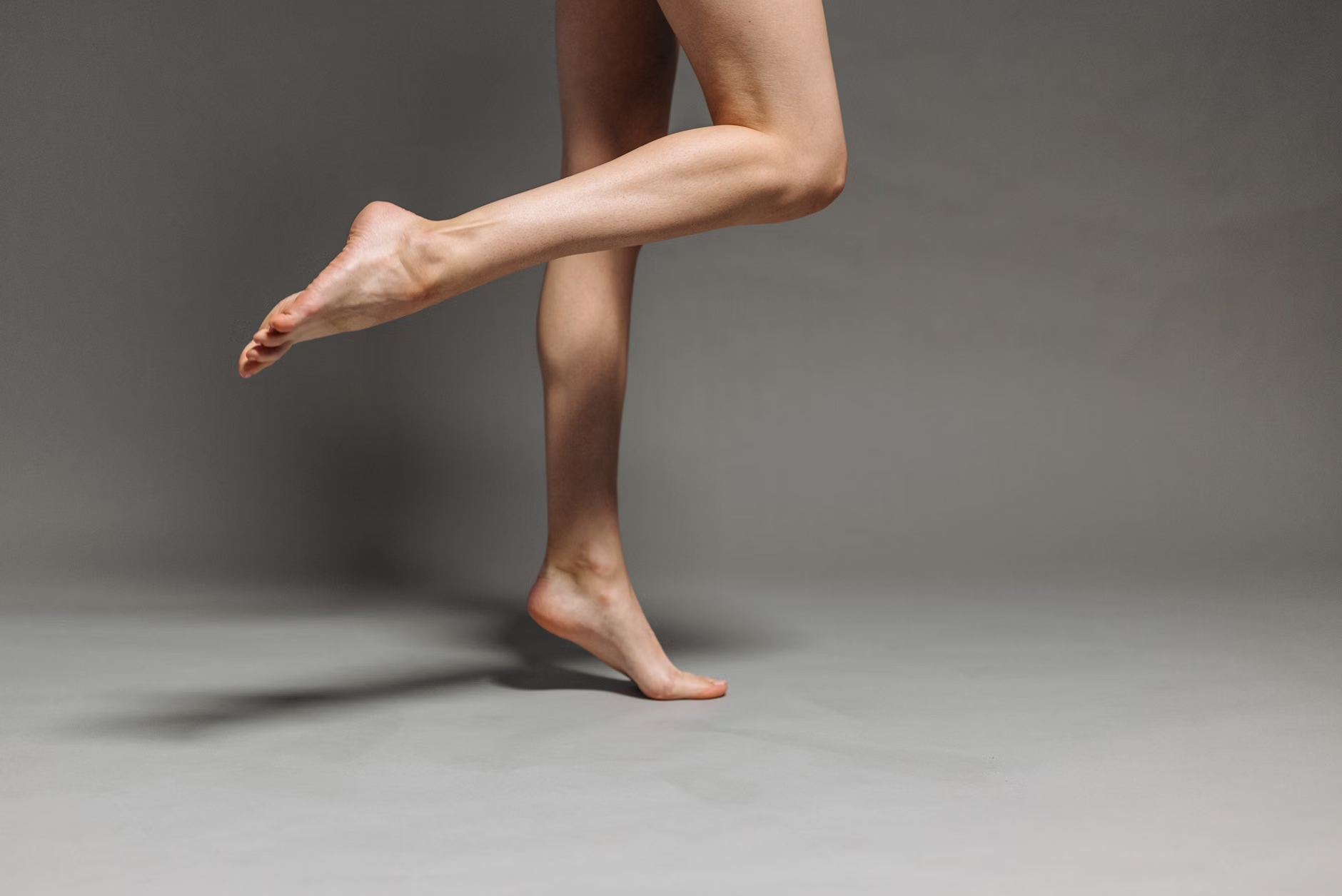
- The Downward Movement (Plantar Flexion): Lower your toes back to the floor, then continue the motion by lifting your heels off the ground, pushing through the balls of your feet. This engages the calf muscles.
- The Rhythm: Aim for a smooth, controlled motion rather than rapid jerking. Think of it as a rhythmic “pedaling” motion.
Common Mistakes: Many people perform these too quickly or with too small a range of motion. To get the maximum “squeeze” on the veins, you must move through the full range of motion available to your ankle joint. If your ankle is stiff, work within your pain-free range, but gradually aim to increase the depth of the movement over several weeks.
Integrating Ankle-Pumps into Your Daily Routine
Consistency is the primary driver of success with circulatory exercises. Integrating these movements into your daily life requires “habit stacking”—linking the exercise to an activity you already do every day.
Practical Integration Strategies
- The “Television Break” Rule: Every time a commercial break begins, or every 30 minutes during a movie, perform 30 ankle-pumps.
- Travel Protocols: During long-distance travel (trains, planes, or long car rides), set a recurring alarm on your watch or phone to perform 50 pumps every hour. This is particularly important for seniors, as the risk of deep vein thrombosis increases with age and prolonged immobility.
- Morning Routine: Before getting out of bed, perform a few sets of ankle-pumps while still lying down. This can help “wake up” your circulation after a night of rest.
Decision Table: How Much is Enough?
| Context | Recommended Frequency | Why? |
|---|---|---|
| Sedentary Office/Home Work | 30–50 reps every hour | Prevents venous pooling during long periods of sitting. |
| Air/Train Travel | 50–100 reps every hour | Higher risk of stasis due to confined cabin pressure and space. |
| Post-Surgery/Recovery | Follow surgeon’s specific protocol | Must be cleared by a medical professional to ensure it doesn’t interfere with healing. |
The table above suggests that the frequency of exercise should scale with the level of inactivity. If you are generally active throughout the day, you do not need to obsess over hourly counts. However, if you have a day where you are largely sedentary, the higher frequency is necessary to maintain venous return.
When to Consult a Professional
While ankle-pumps are a safe, low-impact exercise, they are not a substitute for medical evaluation if you are experiencing persistent or worrying symptoms. It is vital to know when a simple “heavy leg” sensation warrants a conversation with your primary care provider.
Warning Signs
- Asymmetry: If you notice significant swelling in only one leg, this is a red flag that requires immediate medical attention. It could indicate a clot or another condition requiring specific treatment.
- Pain or Tenderness: If your calf muscles feel tender to the touch, or if you experience sharp pain during the ankle-pump motion, cease the exercise and consult a doctor.
- Skin Changes: Discoloration (redness, darkening) or warmth in the lower leg should be evaluated by a professional.
Preparing for Your Appointment: If you visit your doctor regarding circulation, bring a record of your symptoms. Note when the swelling occurs (e.g., “only after long car rides” or “constant throughout the day”), how long it has been happening, and what activities seem to aggravate it. A list of your current medications—particularly those for blood pressure or heart health—is also essential, as some medications can contribute to fluid retention.
Beyond the Ankle-Pump: A Holistic View of Circulation
While ankle-pumps are an excellent tool, they work best when supported by other healthy habits. Circulation is a systemic process. Staying hydrated, for example, maintains blood volume and viscosity, making it easier for the heart and calf muscles to circulate blood. Similarly, managing dietary salt intake is crucial for many older adults, as excess sodium can lead to fluid retention, which exacerbates leg swelling.
Insights for the Long-Term: One often overlooked variable is the role of footwear. Wearing shoes that are too tight or have inadequate arch support can restrict blood flow and fatigue the muscles that assist in circulation. Ensure your daily footwear allows for natural foot movement. Additionally, consider the impact of environmental temperature. Cold weather causes blood vessels to constrict, which can reduce circulation in the extremities. Keeping your feet warm in winter is a simple way to support better blood flow.
Another important consideration is the role of compression garments. If you suffer from chronic swelling, your doctor might suggest compression stockings. These work on a similar principle to ankle-pumps by providing external pressure to assist the veins. However, these must be fitted correctly; stockings that are too tight can actually act as a tourniquet, cutting off circulation. Always seek professional guidance before purchasing medical-grade compression wear.
Conclusion: Small Movements, Significant Impact
Preventive health is often about the accumulation of small, daily actions. Seated ankle-pumps are a perfect example of how minor, consistent efforts can yield significant dividends for your long-term mobility and comfort. By understanding the “why” behind the movement—the activation of the calf muscle pump—and integrating it into your routine, you are taking a proactive step in managing your vascular health. Remember that this exercise is a tool for maintenance and prevention. If you ever feel that your leg health is declining despite your best efforts, do not hesitate to seek the guidance of a healthcare professional. Your mobility is your independence, and protecting your circulation is a fundamental part of maintaining that freedom.
Frequently Asked Questions (FAQ)
1. Are ankle-pumps effective if I have existing varicose veins?
Yes, in many cases, they are recommended. However, individuals with varicose veins should consult their doctor or a vascular specialist. They can provide guidance on whether compression therapy or other interventions should be used in conjunction with these exercises to prevent further vein damage.
2. Can I do these exercises while lying in bed?
Absolutely. Performing ankle-pumps while lying flat is just as effective as performing them while seated. In fact, it is a great way to improve circulation immediately upon waking or before sleep. Just ensure your legs are comfortable and you are not straining your back.
3. Is there a limit to how many ankle-pumps I should do in a day?
There is no strict medical limit, as this is a low-impact exercise. However, if you experience muscle fatigue or cramping, stop and rest. The goal is consistent, gentle stimulation of the blood flow, not muscle building. If you find yourself doing hundreds of repetitions, you may be overdoing it; focus on quality and frequency throughout the day rather than sheer volume.
For more information on venous health, you can refer to the resources provided by the National Heart, Lung, and Blood Institute (NHLBI) regarding vascular health and staying active.