Key Takeaways:
- Leverage the ‘Kneeling’ Function: Always wait for the bus to fully ‘kneel’ or lower its suspension before stepping onto the platform to minimize the gap and step height.
- Strategize Your Seating: Prioritize seats near the front or the middle doors to minimize walking distance and ensure quick access to exit buttons.
- Preparation is Safety: Use real-time transit apps to verify if your specific route uses low-floor, wheelchair-accessible electric buses before you leave home.
Introduction to Modern Electric Bus Travel
As cities worldwide modernize their public transit fleets to reduce emissions, electric buses (e-buses) are becoming the standard for urban transportation. For older adults, this transition offers significant advantages beyond environmental impact. Modern electric buses are almost exclusively designed as “low-floor” vehicles, which represent a major leap forward in accessibility compared to older diesel models that often required climbing steep steps.
However, navigating these systems requires understanding both the hardware—the bus features—and the operational procedures. This guide provides a comprehensive framework for seniors to travel with confidence, focusing on safety, mobility, and the practical steps to ensure a smooth boarding experience.
Understanding the Mechanics of Accessible Boarding
Modern electric buses are engineered with specific features to facilitate independent boarding for passengers with varying mobility levels. Understanding these features allows you to interact with the transit system effectively.
The ‘Kneeling’ Feature
Most modern electric buses are equipped with a ‘kneeling’ system. When the driver activates this, the bus suspension lowers on the curbside, reducing the distance between the sidewalk and the bus floor. This is your most important tool for safe boarding. Do not attempt to board while the bus is still at its driving height. Always allow the bus to settle completely before placing your foot on the bus floor.
The Extendable Ramp
If you use a cane, walker, or wheelchair, you may require the deployment of the mechanical ramp. These ramps are typically stored under the floor near the middle doors. When you see the bus approaching, ensure you are positioned clearly at the boarding point. If the driver does not automatically deploy the ramp, a polite gesture or a verbal request—”Could you please deploy the ramp?”—is standard protocol in most international transit systems.
Grab Rails and High-Visibility Markings
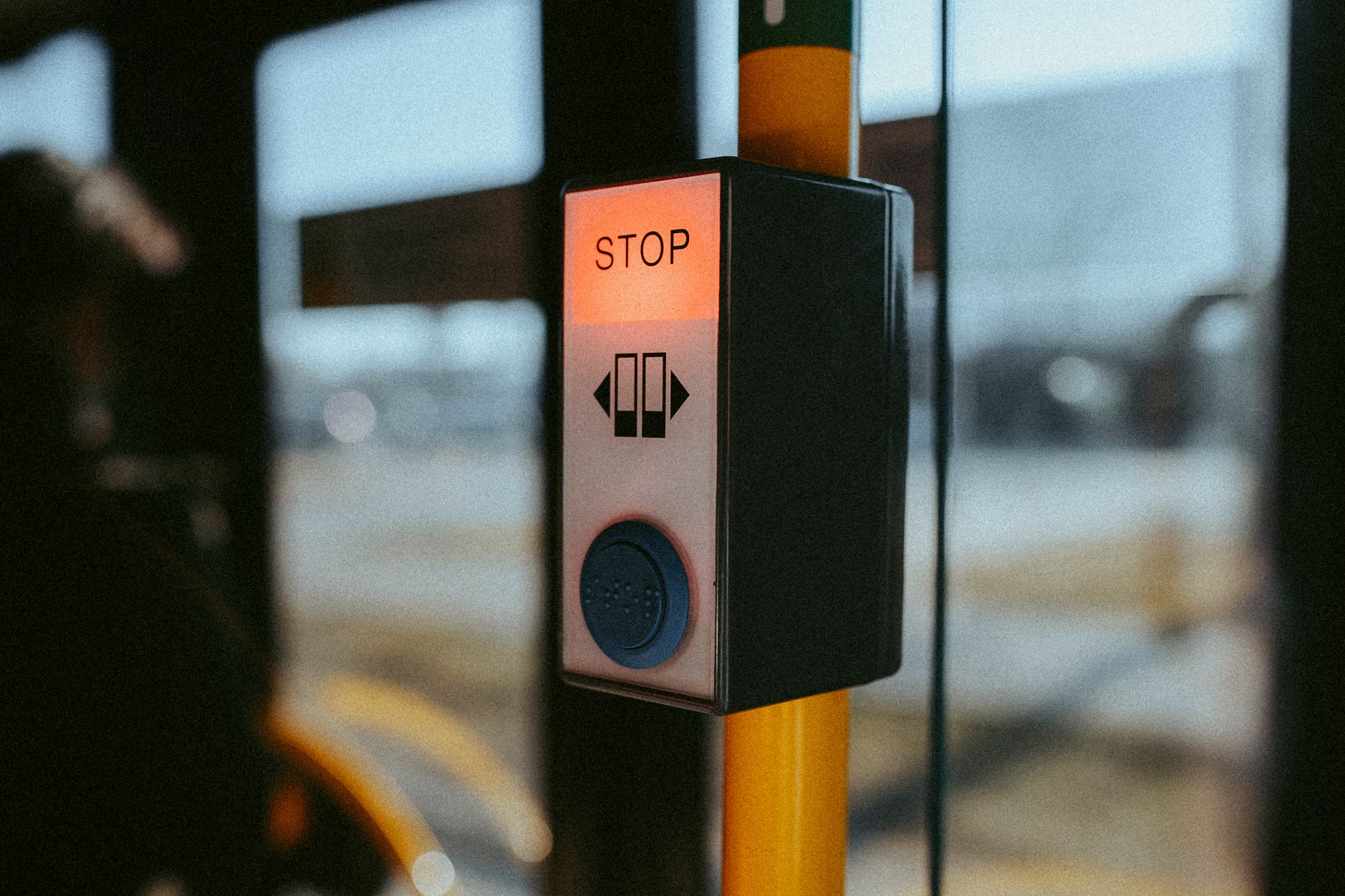
Electric buses feature high-contrast, yellow or bright-colored grab rails. These are not merely decorative; they are designed to be easily identified even in low-light conditions. When boarding, always maintain a “three-point contact” rule: keep at least one hand firmly on a rail or handle at all times until you are seated.
Strategic Trip Planning for Mobility
The most successful journeys begin before you leave your home. Using digital tools to understand your route and the specific vehicle accessibility level can remove much of the anxiety associated with public transit.
Digital Tools and Real-Time Data
Most major cities now provide real-time transit data through apps like Google Maps, Citymapper, or local government transit portals. Look for the “wheelchair accessible” icon on your route details. If a route is marked as accessible, it is almost certain to use a low-floor, modern vehicle that accommodates seniors with mobility aids.
Selecting the Right Time of Day
Avoiding “peak hours” (generally 7:00 AM – 9:00 AM and 4:00 PM – 6:00 PM) is the single most effective way to ensure a comfortable journey. During off-peak hours, buses are less crowded, giving you more time to board, find a seat, and settle in without the pressure of a rushing crowd.
Mapping Your Route: A Step-by-Step Checklist
| Action | Why It Matters |
|---|---|
| Check for “Low-Floor” status | Ensures you won’t face high, difficult steps. |
| Identify stop amenities | Check if your destination stop has a bench or shelter for resting. |
| Verify payment method | Using a contactless card or mobile pass saves time and avoids fumbling with cash. |
| Calculate buffer time | Add 15 minutes to your expected arrival time to account for slower boarding or potential delays. |
Safety Protocols Inside the Bus
Once you are on board, your primary goal is to reach a secure seat before the bus begins to move. Many electric buses have faster acceleration than traditional diesel vehicles due to the nature of electric motors. Being prepared for this movement is essential.
The ‘Seat-First’ Rule
Do not attempt to pay your fare, check your phone, or adjust your bag while the bus is in motion. Move directly to a priority seat. Priority seats are usually located at the front of the bus, near the driver, to minimize walking distance and allow the driver to monitor your safety.
Communicating Your Stop
Electric buses are often quieter than their diesel counterparts, which can sometimes make it difficult to hear automated announcements. Sit where you can clearly see the digital display screen, which usually shows the next stop. If you are unsure, do not hesitate to ask the driver, “Could you please let me know when we reach [Stop Name]?” Most drivers are happy to assist.
Beyond the Basics: Overlooked Nuances
Travelers often focus on the bus itself, but the environment surrounding the stop is equally important. Consider these factors to enhance your travel experience:
- The Curb Factor: Not all bus stops are created equal. Some curbs are uneven or narrow. If you notice a stop has a significant gap or uneven pavement, it is often safer to wait for the next bus or move to a more accessible stop nearby if your mobility allows.
- The ‘Electric Silence’ Warning: Because electric buses are significantly quieter, they may be harder to hear approaching. Stay alert at the stop and maintain a safe distance from the curb until the bus has come to a complete stop and the doors have opened.
- Weather Conditions: In rainy or icy conditions, bus floors can become slippery. If the interior floor is wet, take extra time to find a seat and ensure your footwear has good grip.
Frequently Asked Questions (FAQ)
1. What should I do if the bus driver does not lower the vehicle?
It is perfectly acceptable to ask, “Could you please kneel the bus?” or “Could you please lower the floor?” Drivers are trained to assist passengers, but they may occasionally forget or be distracted. A polite, clear request is the best way to ensure the vehicle is safe for you to board.
2. Are electric buses more difficult to board than traditional buses?
Generally, no. Electric buses are almost exclusively low-floor designs, which are much easier to board than older, high-floor diesel buses. However, their acceleration can be smoother and faster, so it is important to be seated quickly after boarding.
3. How can I confirm if a specific bus line is accessible?
Most municipal transit websites provide an “Accessibility” or “Fleet Information” page. You can also search for the specific transit agency’s mobile app, which often tags individual trips as “Accessible” or “Low-floor.” If you are in a new city, the official tourism or transit website is the most reliable source for these details.
Conclusion
Navigating modern electric bus systems is a skill that becomes second nature with practice. By prioritizing your safety—using the kneeling feature, securing your seat immediately, and utilizing digital planning tools—you can enjoy the freedom of independent travel. Remember that transit infrastructure is designed to serve you; do not hesitate to use the features provided for your comfort and safety. As cities continue to innovate, the accessibility of public transport will only improve, making it an increasingly viable and sustainable way to explore your community and beyond.
For further information on local transit accessibility policies, please consult your city’s official Department of Transportation or Public Transit Authority website.