- Consistent, gentle wrist mobility exercises help maintain the independence required for daily tasks like opening jars, using digital devices, and gripping walking aids.
- Stretching should never cause sharp pain; focus on “gentle tension” rather than forcing the joint beyond its comfortable range of motion.
- Incorporate these movements into your daily routine—such as while waiting for a kettle to boil or sitting at your computer—to prevent cumulative stiffness.
Maintaining Wrist Mobility: A Seated Stretching Guide for Daily Independence
The wrists are among the most active joints in the human body, facilitating nearly every task from turning a door handle to typing an email. For adults aged 60 to 80, maintaining the flexibility and strength of these joints is a cornerstone of daily independence. As connective tissues naturally become less elastic over time, subtle stiffness can accumulate, often going unnoticed until it begins to interfere with simple tasks.
This guide focuses on preventive, seated wrist-stretching routines. By practicing these movements regularly, you can help preserve your range of motion, improve circulation in your hands, and mitigate the discomfort associated with repetitive daily activities.
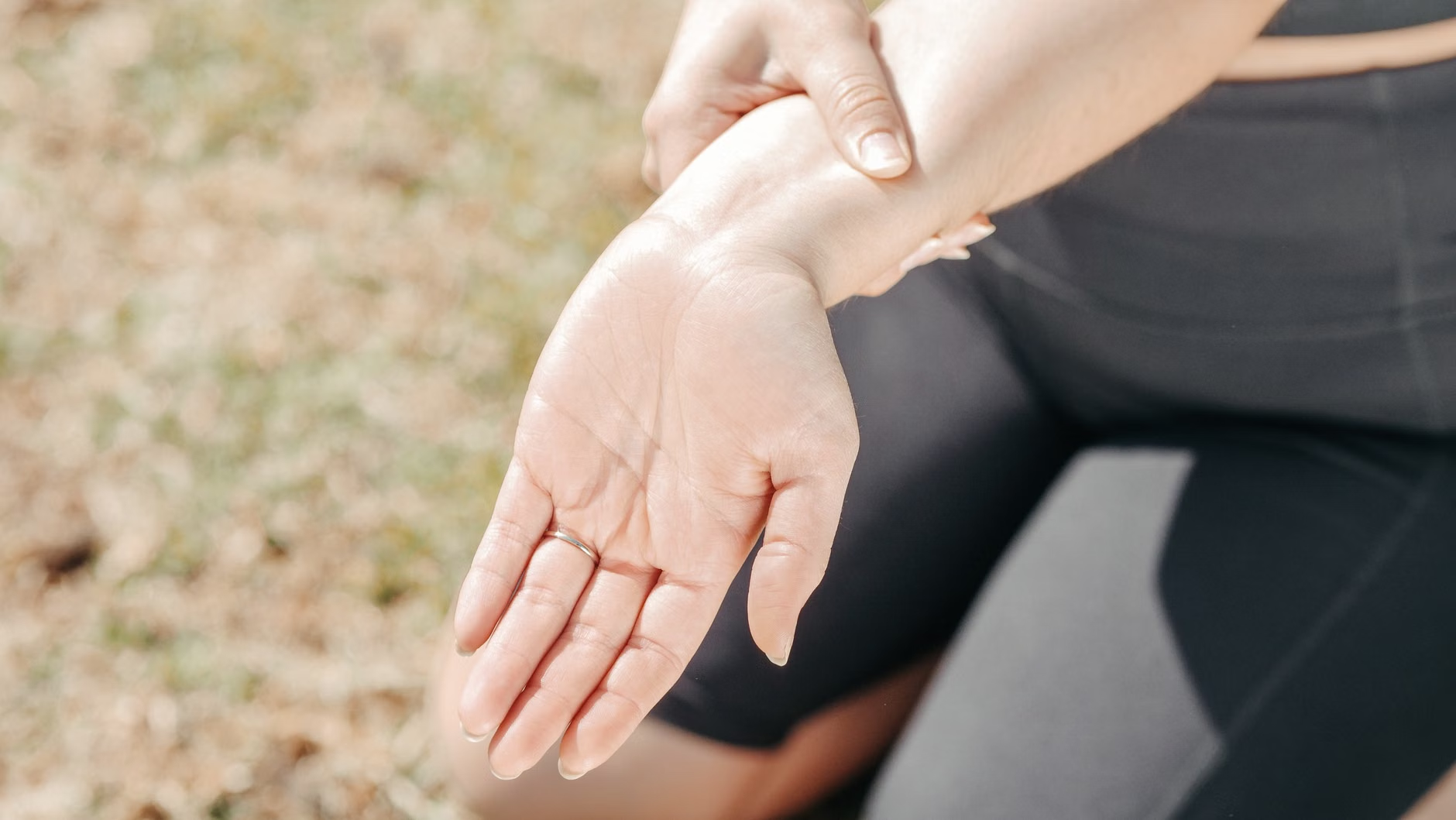
Understanding Your Wrist Anatomy and Why Flexibility Matters
The wrist is a complex joint consisting of eight small carpal bones, connected to the radius and ulna of the forearm. It is supported by a network of tendons, ligaments, and nerves—most notably the median nerve, which passes through the carpal tunnel. As we age, the synovial fluid that lubricates these joints can decrease, and the tendons may become slightly more rigid.
Why this matters: When your wrists lose flexibility, you may compensate by using larger joints like your elbows or shoulders, which can lead to secondary strain. Furthermore, stiff wrists can reduce your grip strength. Grip strength is a recognized clinical marker for overall physical resilience in older adults. By keeping the wrist joint supple, you ensure that the muscles of the forearm can operate at their full potential, providing the stability needed to carry groceries, garden, or engage in hobbies like painting or knitting.
The “Seated Stability” Principle
Performing stretches while seated provides a stable base, allowing you to isolate the wrist joint without worrying about balance. This is particularly beneficial for those who may experience occasional dizziness or who prefer to minimize the risk of a fall during their exercise routine.
Before beginning any movement, ensure your chair is stable—avoid chairs with wheels unless they are locked. Keep your feet flat on the floor and your spine elongated. If you have a history of wrist surgery, carpal tunnel syndrome, or inflammatory arthritis, consult with a physical therapist before starting a new routine. They can provide modifications tailored to your specific joint health.
Safety Guidelines for Stretching
- Warm-up: Start by gently shaking your hands for 30 seconds to encourage blood flow.
- Duration: Hold each stretch for 15 to 30 seconds. Do not bounce, as this can cause micro-tears in the tendons.
- Pain vs. Discomfort: You should feel a mild, manageable stretch. If you feel sharp, stabbing pain, stop immediately.
- Consistency: Doing these stretches for five minutes daily is significantly more effective than a long, intense session once a week.

Step-by-Step Seated Wrist Stretching Routine
This routine is designed to be performed in four distinct phases. It covers the primary planes of motion: flexion, extension, and rotation.
1. The Wrist Flexion and Extension Stretch
This movement addresses the primary muscles that move your wrist up and down.
- Extend your right arm in front of you, palm facing down.
- Use your left hand to gently press the back of your right hand toward your body, feeling a stretch in the top of your forearm. Hold for 20 seconds.
- Now, turn your right hand so the palm faces up. Use your left hand to gently press your fingers toward your body, feeling a stretch in the underside of your forearm. Hold for 20 seconds.
- Repeat on the left side.
2. The Prayer Stretch
This is an excellent way to stretch the underside of the forearms and wrists simultaneously.
- Place your palms together in a “prayer” position at chest height.
- Keeping your palms pressed firmly together, slowly lower your hands toward your waist until you feel a gentle stretch in the wrists.
- Hold for 15 seconds. Ensure your shoulders remain relaxed and down, not hunched toward your ears.
3. Wrist Circles (The “Figure-Eight”)
Rotational movement helps hydrate the joint capsule.
- Clasp your hands together or keep them loose.
- Slowly rotate your wrists in a circular motion. Imagine you are tracing a figure-eight in the air.
- Perform 10 rotations clockwise, then 10 counter-clockwise.

Comparing Techniques: Which Approach Fits Your Needs?
Not all wrist exercises are suitable for every individual. The following table compares different approaches based on intent and physical requirement.
| Method | Primary Goal | Best For |
|---|---|---|
| Static Stretching | Increasing range of motion | Those with noticeable stiffness |
| Dynamic Rotation | Lubricating the joint | Daily maintenance/warm-up |
| Resistive Movement | Improving grip strength | Those with cleared medical history |
If you are experiencing acute inflammation or have a recent injury, static stretching may be too aggressive. In such cases, focus solely on gentle dynamic rotations within a pain-free range. For those with stable joints, adding light resistance—such as squeezing a soft stress ball—can be a productive next step after your flexibility routine.
Common Mistakes and How to Avoid Them
A common error is over-stretching. Many individuals believe that “the more it hurts, the more it works.” In reality, over-stretching can trigger a protective reflex in the muscles, causing them to contract and become even stiffer. Focus on the sensation of the muscle lengthening rather than pulling the joint.
Another overlooked variable is shoulder positioning. If your shoulders are rounded forward, the nerves that travel down your arm (the brachial plexus) are under tension. Always sit tall with your chest open. This simple posture adjustment changes the tension profile of the entire arm, making your wrist stretches more effective.
When to Seek Professional Guidance
While preventative stretching is highly beneficial, it is not a substitute for medical intervention if you have underlying conditions. You should schedule an appointment with a primary care physician or a physical therapist if you notice:
- Numbness or tingling: This may indicate nerve compression, such as carpal tunnel syndrome.
- Visible swelling or heat: This is a sign of inflammation that requires diagnosis, not just stretching.
- Locking or clicking: A joint that gets stuck may indicate a structural issue within the carpal bones or ligaments.
When preparing for a medical appointment, keep a “symptom log” for one week. Record when the pain occurs (e.g., “after typing for 20 minutes” or “first thing in the morning”), what the pain feels like (dull ache vs. sharp), and what activities seem to worsen it. This specific data helps a clinician provide a much more accurate assessment than a general description.
Integrating Mobility into Your Daily Lifestyle
The most effective health habits are those that require minimal “extra” time. Think of your wrist stretches as “micro-breaks.” If you enjoy reading, perform your wrist circles after finishing a chapter. If you are watching television, perform your prayer stretches during commercial breaks. By linking these movements to existing habits, you are more likely to maintain the routine over the long term.
Remember that the goal is not to achieve the flexibility of a professional athlete, but to ensure that your wrists remain functional, painless, and capable of supporting your lifestyle. Whether you are lifting a travel suitcase, opening a jar, or using a tablet to stay in touch with family, these small, consistent efforts pay dividends in long-term physical autonomy.
Practical Considerations for Travel and Daily Life
When traveling, wrist mobility is often tested by carrying luggage or navigating transportation hubs. Before a trip, ensure you have practiced your stretches for at least two weeks. If you find that carrying a bag causes wrist fatigue, consider using a suitcase with four spinner wheels, which requires significantly less wrist extension and grip strength than a two-wheeled “pull-behind” bag. Additionally, using an ergonomic grip on your walking aid or suitcase handle can redistribute pressure, preventing the “pinching” sensation that often occurs in the wrist joint.
For those who use digital devices, ensure your setup allows your wrists to remain in a neutral (straight) position. If you are using a laptop, consider a separate keyboard that allows you to position your hands correctly. Small adjustments in your environment often do more for your long-term health than the exercises themselves.
Conclusion: Prioritizing Your Physical Resilience
Your hands and wrists are your primary tools for interacting with the world. Taking five minutes each day to gently stretch them is a simple, low-cost, and highly effective way to preserve your physical freedom. Focus on consistency, listen to your body, and maintain a neutral, upright posture. By doing so, you are not just stretching a joint; you are investing in your continued ability to engage with the hobbies, travel, and daily tasks that bring you joy.
Frequently Asked Questions
- 1. How often should I perform these wrist stretches?
- For best results, perform these stretches once a day. If you spend significant time using a computer or performing repetitive hand tasks, doing them twice a day—once in the morning and once in the evening—can help manage cumulative tension.
- 2. Can these stretches help if I have arthritis in my wrists?
- Gentle range-of-motion exercises are often recommended for arthritis to keep the joint lubricated and reduce stiffness. However, if you have inflammatory arthritis (such as rheumatoid arthritis), you must consult your rheumatologist to ensure these movements are safe during active flare-ups.
- 3. Are there any tools I should avoid using for wrist health?
- Avoid heavy, spring-loaded hand grippers unless specifically prescribed by a therapist. These can often be too intense for the delicate structures of the wrist and may cause more harm than good if used improperly or with excessive force.
Official guidance on joint health and physical activity for older adults can be found through resources such as the National Institute on Aging (NIA), which provides comprehensive information on maintaining mobility and preventing injury.