Dietary Vitamin K1, primarily found in dark leafy greens, plays a critical role in maintaining vascular elasticity and preventing the calcification of arteries in adults aged 60 to 80.
- Vascular Protection: Vitamin K1 helps activate proteins that prevent calcium from depositing in your arterial walls, keeping them flexible.
- Absorption Matters: Because Vitamin K1 is fat-soluble, you must consume it with a healthy fat source, such as olive oil or nuts, to ensure your body actually uses it.
- Medication Safety: If you are taking blood-thinning medication (anticoagulants like warfarin), you must consult your doctor before significantly changing your Vitamin K1 intake, as it can directly interfere with your medication’s efficacy.
Understanding the Role of Vitamin K1 in Vascular Aging
As we age, our cardiovascular system naturally undergoes structural changes. One of the most significant concerns for adults over 60 is arterial stiffness, often caused by the accumulation of calcium deposits within the vascular walls. This process, known as vascular calcification, reduces the flexibility of the arteries, forcing the heart to work harder to pump blood throughout the body. This, in turn, contributes to higher blood pressure and increased strain on the heart muscle.
Vitamin K1 (phylloquinone) is a fat-soluble vitamin that acts as a co-factor for the activation of specific proteins, most notably Matrix Gla Protein (MGP). In its inactive state, MGP is unable to perform its primary duty: preventing calcium from binding to the soft tissues of your arteries. When you consume adequate Vitamin K1, your body can activate MGP, which then acts as a potent inhibitor of calcification.

Why Vascular Flexibility is Non-Negotiable
Imagine your arteries as high-quality rubber hoses. When they are young and healthy, they expand and contract with every heartbeat, absorbing the pressure of the blood flow. As calcification occurs, these “hoses” become brittle and rigid. This rigidity means that when your heart beats, the pressure spikes because the vessels cannot expand to accommodate the surge. This is a primary driver of systolic hypertension, a common condition in older adults.
Dietary Sources: Beyond the Generic “Eat Your Greens”
While many people associate Vitamin K1 with “healthy eating,” it is important to know exactly which foods provide the highest concentrations. Relying on low-density sources might not provide the therapeutic levels necessary to influence vascular health. The following table outlines high-density sources of Vitamin K1 per 100g serving.
| Food Item | Approximate Vitamin K1 (mcg/100g) | Preparation Tip |
|---|---|---|
| Kale (Cooked) | 800+ | Lightly steam to maintain nutrient profile. |
| Collard Greens | 400-500 | Sauté with a small amount of olive oil. |
| Spinach (Cooked) | 400+ | Excellent when added to soups or stews. |
| Brussels Sprouts | 200-250 | Roast with healthy fats for better absorption. |
| Broccoli | 100-150 | Keep crisp-tender; avoid over-boiling. |
Note: Data represents average values. Actual levels can vary based on soil quality, harvest time, and cooking methods.
The key takeaway from this table is that cooking methods matter. While boiling vegetables in large amounts of water can leach out water-soluble vitamins, Vitamin K1 is stable under heat but can be lost if the cooking water is discarded. Incorporating these greens into dishes where the liquid is consumed—such as vegetable broths, stews, or stir-fries—ensures you retain the maximum nutritional benefit.
The Importance of Fat for Bioavailability
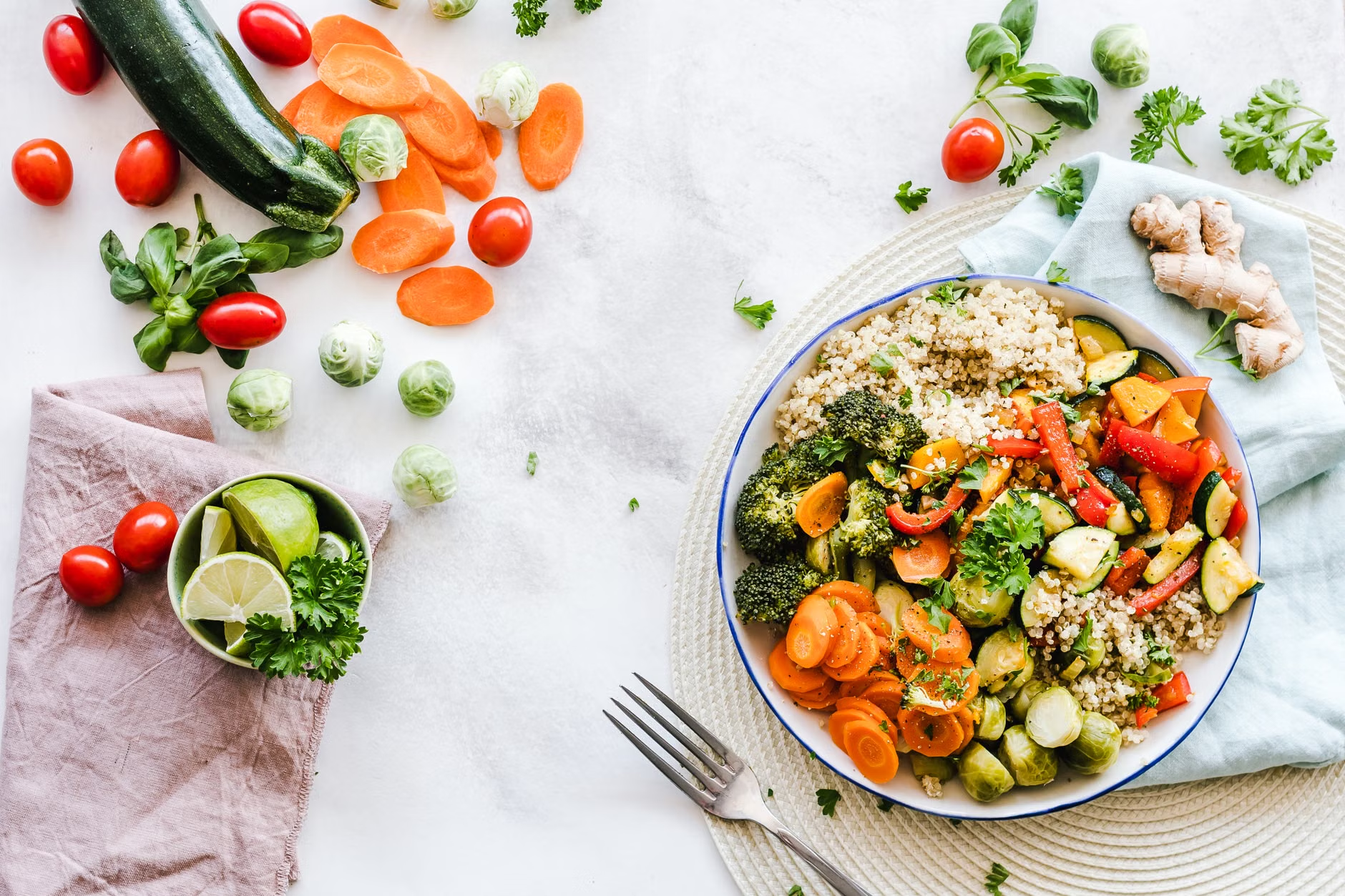
A common mistake many adults make is eating a plain salad of raw greens without adding any fat. Because Vitamin K1 is fat-soluble, your body cannot efficiently absorb it if it is consumed in isolation. Adding a tablespoon of extra virgin olive oil, half an avocado, or a handful of walnuts to your meal is not just about flavor; it is a metabolic requirement to move the Vitamin K1 from your digestive tract into your bloodstream.
The Critical Interaction with Anticoagulants
If you have been prescribed blood-thinning medication, particularly Vitamin K antagonists like Warfarin (Coumadin), you must exercise extreme caution. These medications work by intentionally blocking the body’s utilization of Vitamin K to prevent blood clots. If you suddenly increase your intake of Vitamin K1-rich foods, you may effectively “override” the medication, making it less effective and increasing your risk of clotting.
This does not mean you must avoid Vitamin K1 entirely. It means you must maintain a consistent daily intake. Your doctor or pharmacist will adjust your medication dosage based on your current dietary habits. If you decide to start a new, regular habit of eating a large bowl of kale daily, you must inform your healthcare provider so they can monitor your International Normalized Ratio (INR) and adjust your medication accordingly.
Practical Implementation: A Step-by-Step Approach
For the average healthy adult aged 60-80, the goal is not to “load up” on supplements but to integrate nutrient-dense foods into a sustainable daily routine. Here is how to approach this shift:
- Audit your current intake: Keep a 3-day food diary. Be honest about how many servings of dark green vegetables you actually consume.
- Start with one high-density choice: If you currently eat no leafy greens, do not try to eat them at every meal. Start by adding a half-cup of cooked spinach or kale to your lunch or dinner four times a week.
- Pair with a fat source: Always ensure your serving of greens is accompanied by a healthy fat.
- Monitor your digestion: If you are not used to high-fiber diets, increase your intake slowly to avoid bloating or digestive discomfort.
Beyond the Basics: Overlooked Variables
While we focus on Vitamin K1, it is important to understand that no single nutrient works in a vacuum. Vitamin K1 works in tandem with Vitamin D and Calcium. Vitamin D is required for the absorption of calcium, and Vitamin K1 (specifically the K2 subtype, which the body can convert from K1 to a limited extent) ensures that the calcium is directed to the bones rather than the arteries. Ensuring your Vitamin D levels are within a healthy range is a necessary “enabling” step for your vascular health.
Furthermore, the “vascular age” of your arteries is also influenced by systemic inflammation. Chronic, low-grade inflammation often stems from ultra-processed diets high in refined sugars. Vitamin K1 is most effective when the rest of your diet is not actively promoting arterial damage. Therefore, prioritize whole foods first. Supplements should only be considered under the guidance of a physician, especially given the potential for interference with other medications or existing health conditions.
When discussing your vascular health with your primary care physician or cardiologist, be prepared. Do not simply ask, “Should I eat more greens?” Instead, bring a structured list of questions:
- “Given my current cardiac health, is there a recommended daily intake of Vitamin K1 I should target?”
- “Are any of my current medications, including blood thinners or supplements, affected by an increase in dietary Vitamin K1?”
- “What tests are available to monitor my arterial stiffness or calcification levels, and are they appropriate for my current health profile?”
Always maintain an updated list of your medications and supplements (including dosages) to share at every appointment. This is the single most effective way to prevent unintended interactions.
Conclusion: Consistency Over Intensity
Improving vascular health through dietary Vitamin K1 is a long-term strategy, not a quick fix. The goal is to create a consistent environment where your body has the raw materials needed to maintain arterial flexibility. By focusing on high-density food sources, ensuring proper absorption through healthy fats, and maintaining clear communication with your medical team regarding medication interactions, you can take a proactive step in supporting your cardiovascular longevity. Remember, the best diet is one that you can maintain for years, not just weeks.
Frequently Asked Questions (FAQ)
1. Can I just take a Vitamin K1 supplement instead of eating greens?
While supplements exist, the current clinical consensus favors obtaining nutrients from whole foods. Whole foods provide a matrix of other phytonutrients, fiber, and minerals that work synergistically. Supplements should only be used if a specific deficiency is identified by your doctor, as high-dose supplementation can carry risks, particularly for those on specific medications.
2. Does cooking vegetables destroy the Vitamin K1?
Vitamin K1 is relatively heat-stable compared to water-soluble vitamins like Vitamin C. While some loss occurs during high-heat cooking or prolonged boiling, it is not destroyed. The most important factor is to consume the cooking liquid (if you boil them) or use methods like steaming or sautéing, which retain more of the nutrient profile.
3. How long does it take to see improvements in arterial health?
Vascular health is a cumulative result of lifestyle choices over years. You should not expect immediate changes. Focusing on consistent dietary habits is a preventive measure aimed at slowing the progression of arterial stiffening over the long term. It is a marathon, not a sprint.
Official Guidance References: