- Prioritize Vessel Infrastructure: Not all river ships are equal; focus on vessels built within the last five years that offer elevators reaching all main decks and level-access gangways.
- Understand the Lock Experience: Historic locks can be narrow and steep. If you have limited mobility, choose ships that offer “lock-viewing” lounges rather than requiring you to navigate staircases to the sun deck.
- Strategic Planning: Always verify the “mobility rating” of specific excursions with your tour operator, as historic river-side towns often feature uneven cobblestones that are not navigable with standard mobility aids.
River travel offers a unique, serene way to experience the world’s most historic waterways. For many seniors, the gentle pace of a river cruise is far more appealing than the chaotic pace of air travel or large-scale ocean liners. However, navigating the historic infrastructure—specifically the locks that allow ships to traverse varying water levels—requires careful planning to ensure safety, comfort, and accessibility.
Understanding the Mechanics of Historic River Locks
Locks are engineering marvels designed to lift or lower ships between sections of river with different water levels. While they are fascinating to witness, they present specific challenges for older adults. A lock operates by sealing a ship within a chamber and then pumping water in or out. This process can involve significant noise, sudden changes in pressure, and, most importantly for travelers, restricted deck access.
When a ship enters a lock, the walls of the chamber are often inches away from the vessel’s sides. For those with balance issues, the narrow corridors and the vibration caused by water turbulence can be disorienting. Understanding how these locks function helps you choose the right position on the ship during transit. If you suffer from vertigo or mobility constraints, avoid the upper sun decks during lock transit, as the stairs are often steep and can become slippery during the mist of the operation.
The Reality of “Historic” Accessibility
Many river locks in Europe, such as those on the Danube or the Rhine, were constructed over a century ago. While the locks themselves have been modernized for maritime safety, the surrounding infrastructure remains “historic.” This means you may encounter steep embankments, narrow pathways, and a lack of handrails when disembarking near these sites. Always assume that a “historic site” is not inherently accessible unless the cruise line provides specific documentation regarding ramps, lifts, and path surfaces.
Evaluating Your Mobility Needs for River Cruises
Before booking, it is essential to conduct a personal mobility audit. This is not about your age, but about your current physical capacity to handle travel-related stresses. Consider the following table when reviewing cruise ship technical specifications.
| Feature | What to Look For | Why It Matters |
|---|---|---|
| Elevator Access | Elevators that reach the Sun Deck | Prevents the need to climb steep stairs to enjoy the river view. |
| Gangway Design | Flat, motorized, or wide ramps | Essential for stability when moving from the ship to a floating pier. |
| Cabin Location | Mid-ship, near elevators | Reduces walking distance and minimizes the sensation of ship motion. |
| Bathroom Layout | Walk-in showers with grab bars | Critical for safety in the confined space of a ship cabin. |
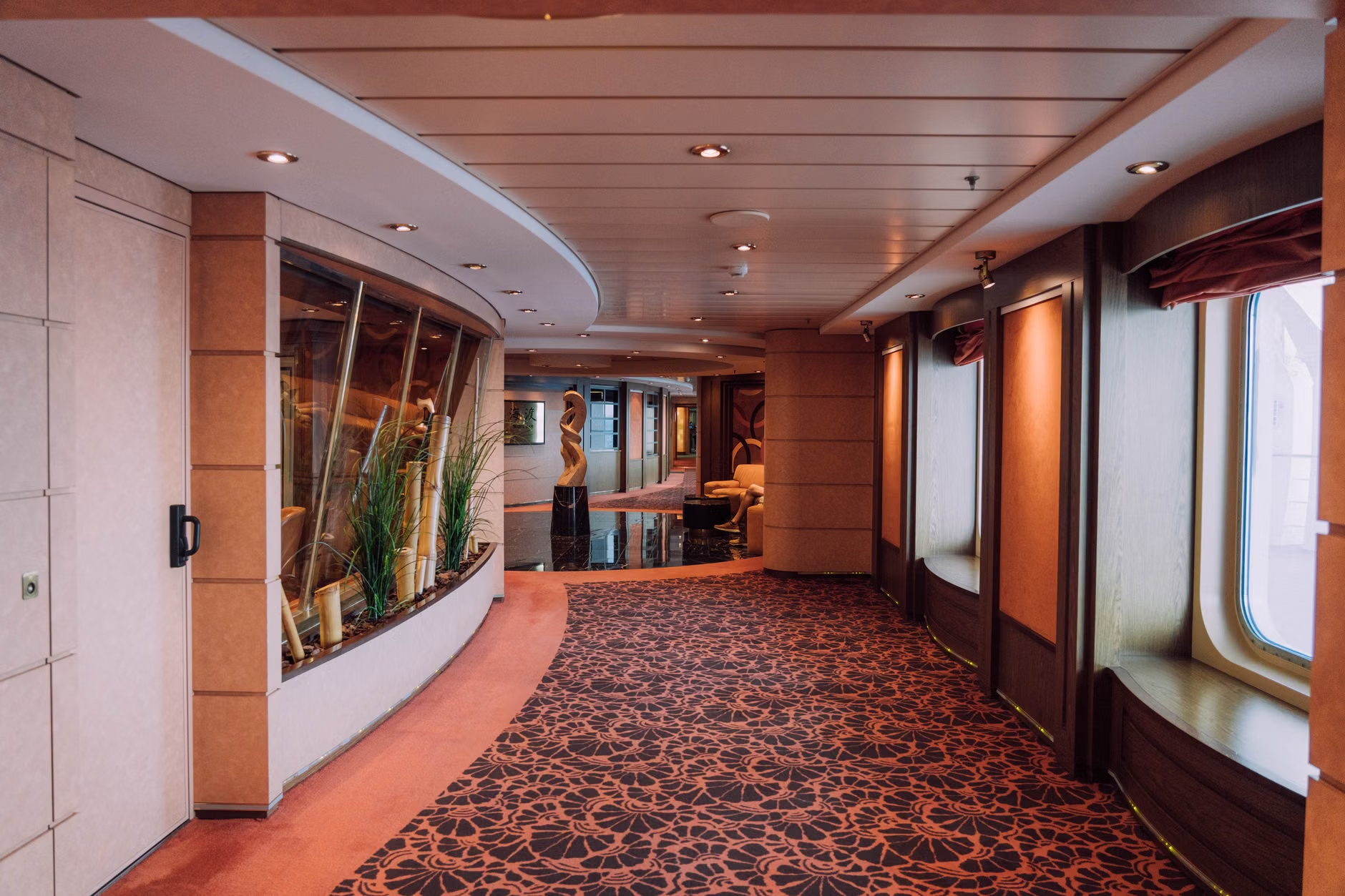
If you use a mobility aid, such as a walker or a cane, verify the width of the ship’s corridors. While ships are “accessible,” some historic-style vessels have narrow doorways that may not accommodate wider mobility devices. Always request a cabin that is specifically designated as “accessible” rather than just “standard,” as these units are engineered with wider door frames and reinforced bathroom fixtures.
Strategic Preparation: Before You Set Sail
Preparation is the cornerstone of a stress-free river journey. Start by requesting a detailed, day-by-day itinerary from your cruise operator. Look for the “activity level” assigned to each excursion. Many operators use a 1-to-3 scale. For example, a “Level 1” excursion is typically defined as a slow-paced walk on flat terrain, suitable for those with limited stamina. If an excursion is marked as “Level 3,” it likely involves steep, uneven, or historic cobblestone streets that could pose a fall risk.
Medical Documentation and Medication: Carry a list of your medications and any relevant health conditions in your carry-on bag, not your checked luggage. Ensure your travel insurance covers “emergency evacuation” and “medical transport,” as river cruise ships may be hours away from a major hospital when navigating through rural locks or canal systems.
The “Stamina Factor”: Do not feel pressured to participate in every excursion. River cruising is meant to be a leisurely pursuit. If an afternoon trip to a historic castle involves a steep hike, it is perfectly acceptable—and often recommended—to remain on the ship. Enjoy the amenities, read a book in the lounge, and save your energy for the next day. Pacing yourself is the single most effective way to enjoy the trip.

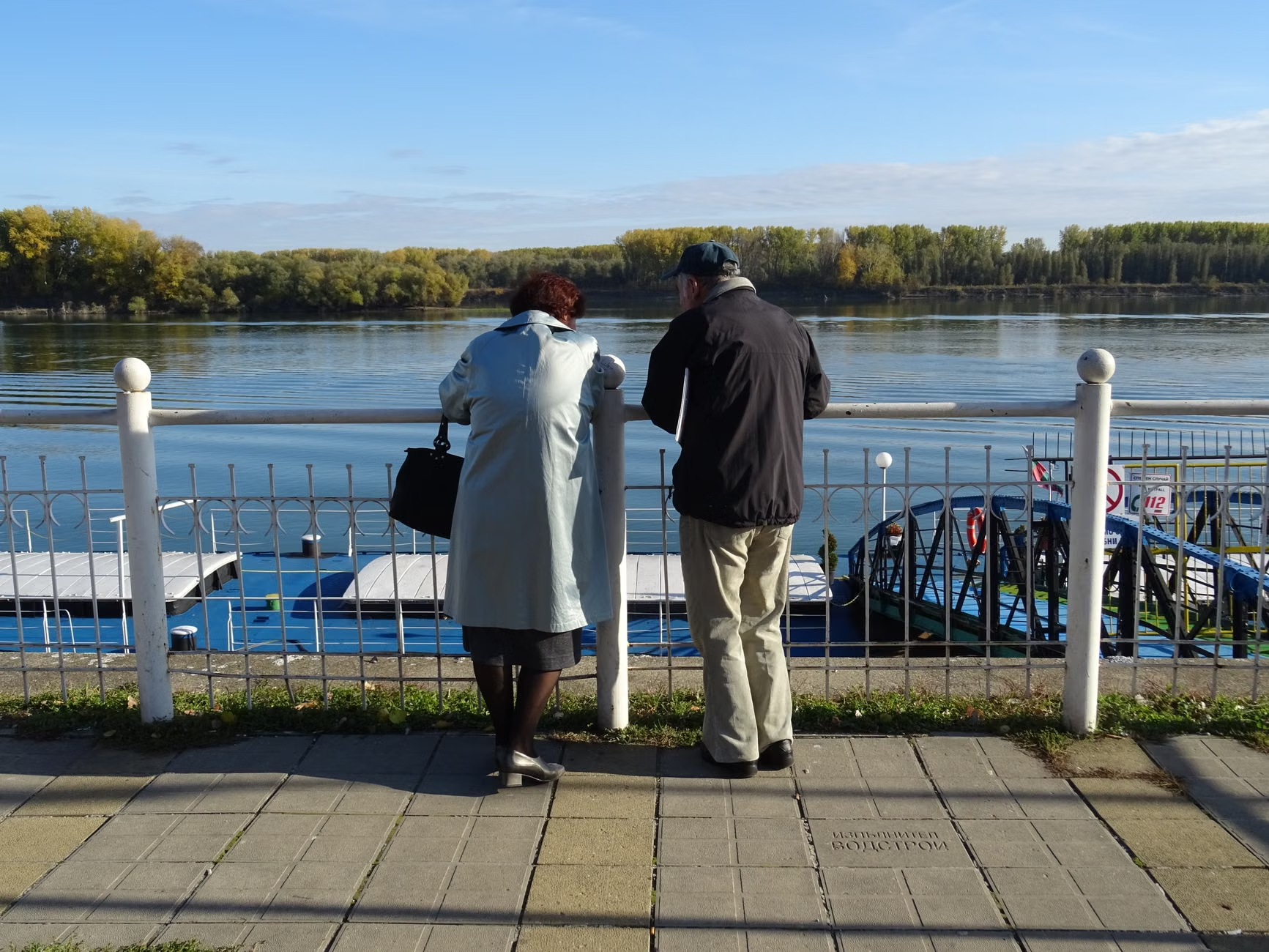
When the ship docks near a lock, the land-side experience is often the highlight of the trip. However, these areas are frequently characterized by uneven ground. If you have concerns about your gait or balance, consider the following strategies:
- The “Buddy System”: If traveling with a partner, ensure you have a pre-agreed plan for when you need to stop and rest. Don’t feel compelled to keep up with the group pace.
- Trekking Poles: Even if you don’t use a cane at home, collapsible trekking poles can provide immense stability on the uneven cobblestones found in historic river towns.
- Local Transport: If a town is hilly, check if the cruise line offers a “shuttle” or “tour bus” option that takes you directly to the town center, bypassing the walk from the dock.
A common mistake is assuming that “guided walking tour” means “leisurely stroll.” In reality, these tours are often designed for the average traveler, which may involve 60 to 90 minutes of constant walking. Always ask your guide: “How many stairs are involved in this tour?” and “Is there a place to sit midway through the route?” These questions will help you gauge if the excursion is right for your specific needs.
Technical Nuances: Choosing the Right Vessel
The age of the ship is a primary variable in your comfort. Ships built before 2010 often have structural limitations regarding elevator placement. Modern ships, however, are designed with the aging demographic in mind. When researching a cruise line, look for vessels that explicitly state they have “full-deck elevator access.”
Another overlooked aspect is the “floating pier” vs. “docking” situation. In some historic ports, ships must dock alongside each other. This means you may have to walk through another ship to get to the shore, which involves climbing stairs on the neighboring vessel. If you have significant mobility concerns, ask your travel agent if the ship is likely to be “double-docked.” If it is, inquire if the crew can arrange for a private gangway or if you should remain on board during that specific port call.
The Importance of Ship-to-Shore Communication
Before you even step on board, reach out to the cruise line’s “Accessibility Coordinator.” Most major lines have a dedicated department for this. Provide them with your specific mobility requirements. They can often arrange for:
- Priority boarding to avoid the rush.
- Dietary accommodations if you are on a restricted diet for health reasons.
- Pre-arranged wheelchair assistance at the pier.
Do not assume the crew will “notice” if you are struggling. Proactively communicating your needs ensures that the staff is prepared to assist you, which can significantly reduce the anxiety associated with travel.
Health and Wellness: Maintaining Your Rhythm
Travel disrupts your daily routine, which can impact your wellbeing. To prevent health issues, prioritize hydration and sleep. The change in altitude or climate, however subtle, can affect your energy levels. Aim to stick to your home-base medication schedule as closely as possible, even if that means setting an alarm on your phone to account for time zone changes.
If you experience any symptoms such as dizziness, shortness of breath, or increased joint pain during your trip, do not wait for it to “go away.” Inform the ship’s guest services or the onboard medical officer immediately. Most river cruise lines have basic medical facilities and can provide oxygen or temporary mobility equipment if necessary. It is better to seek assistance early than to allow a minor ailment to derail your entire holiday.
Financial and Consumer Protection Considerations
When booking, ensure you understand the “cancellation policy” in the context of health. If you are forced to cancel due to a health emergency, you want to be covered. Look for “Cancel For Any Reason” (CFAR) travel insurance. This is particularly important for seniors, as it provides a safety net if your health status changes unexpectedly in the weeks leading up to the departure.
Furthermore, always check the “Inclusion” list. Some cruises include all excursions, while others charge extra. If you are prone to fatigue, paying for an “all-inclusive” tour package might be a waste of money if you only plan on doing half of the activities. A “pay-as-you-go” approach might be more cost-effective and less stressful, allowing you to decide on the morning of the excursion whether you feel up to the activity.
Final Thoughts on Senior-Friendly River Exploration
River travel is one of the most rewarding ways to see the world, but it requires a shift in perspective. Instead of trying to “conquer” a destination, focus on the experience of the journey itself. The locks, the rolling hills, and the quiet moments on the deck are the real value of a river cruise. By choosing the right vessel, communicating your needs, and pacing your activities, you can enjoy these historic waterways safely and comfortably.
Remember that your travel style is unique. Whether you choose a high-end luxury ship with full-service assistance or a more modest vessel that offers a quieter atmosphere, the key is to prioritize your own comfort above the itinerary. Always check the official accessibility guidelines of the specific cruise line, as these can vary significantly by company policy and the specific vessel’s age and design. For more information on general travel accessibility standards, refer to resources like the Americans with Disabilities Act (ADA) guidelines (for US-based companies) or the European Commission’s passenger rights portal for travel within Europe.
Frequently Asked Questions (FAQ)
1. Can I bring my own mobility aid on a river cruise ship?
Yes, most river cruise lines allow wheelchairs, canes, and walkers. However, due to the size constraints of ship cabins and hallways, you must contact the cruise line in advance to ensure your specific device is compatible with their ship’s dimensions. Some lines may require you to use their own, smaller-profile wheelchairs while on board.
2. What should I do if I am not feeling up to a scheduled excursion?
It is perfectly acceptable to skip an excursion. If you are feeling tired or unwell, simply inform the guest services desk. You are free to stay on the ship, use the common areas, or even take a taxi to explore the town at your own pace if you feel up to it. There is no penalty for missing an excursion.
3. Are the locks dangerous for seniors?
The locks themselves are safe, but they can be disorienting or physically challenging due to the narrow spaces and potential for slippery decks. We recommend staying in the main lounge or your cabin during the actual “locking” process if you have concerns about balance or vertigo, as these areas provide a stable and comfortable environment while still allowing you to view the process through windows.
Disclaimer: This article is for informational purposes only and does not constitute medical or professional travel advice. Always consult with your healthcare provider before embarking on long-distance travel, especially if you have pre-existing health conditions. Accessibility features vary by cruise line and vessel; always verify directly with your travel provider before booking.