- Weight is your primary barrier: Reducing pack weight to under 5kg (11 lbs) is essential to preserve stamina and reduce joint strain during long coastal walks.
- Strategic Rest Cycles: Implement a “50/10 rule”—50 minutes of walking followed by 10 minutes of seated rest—to manage cardiovascular and musculoskeletal fatigue proactively.
- Accessibility Assessment: Before departure, verify terrain grades and “step-free” access points using local government accessibility maps rather than generic tourist brochures.
Successful coastal walking for the 60 to 80 demographic relies on a shift in philosophy: moving from “prepared for every eventuality” to “prepared for the terrain.” Minimalist packing is not about depriving yourself; it is about liberating your body from unnecessary weight so you can enjoy the coastal environment without physical exhaustion.
The Philosophy of Minimalist Mobility
For the older traveler, every kilogram carried in a backpack acts as a multiplier of joint stress. When walking on coastal paths—which are often uneven, sandy, or inclined—maintaining your center of gravity is paramount. Minimalist packing reduces the likelihood of trips and falls by ensuring your gear does not shift your balance.
What does “minimalist” look like in practice? It means prioritizing multi-functional items. A high-quality windproof jacket that is also water-resistant replaces two separate items. A lightweight, collapsible walking pole replaces the need for extra stability gear that might be cumbersome. By focusing on weight distribution and mobility, you transform the walking experience from a chore of management into an act of leisure.
Essential Gear Strategy: Weighing Every Ounce
When selecting your gear, you must apply a rigorous decision rule: if an item does not serve a safety, health, or essential comfort purpose, it stays behind. The following table outlines the “must-have” vs. “nice-to-have” items for a coastal trek.
| Category | Essential (Must Carry) | Optional (Leave Behind) |
|---|---|---|
| Footwear | Supportive, broken-in trail shoes with high-traction soles. | New, stiff hiking boots that aren’t fully broken in. |
| Clothing | Moisture-wicking layers; sun-protective, long-sleeved shirt. | Heavy denim or cotton layers that trap moisture. |
| Support | One or two adjustable, lightweight carbon fiber poles. | Heavy wooden walking sticks or bulky knee braces. |
| Hydration | Collapsible 1-liter bottle (refillable). | Heavy stainless steel bottles or multiple plastic bottles. |
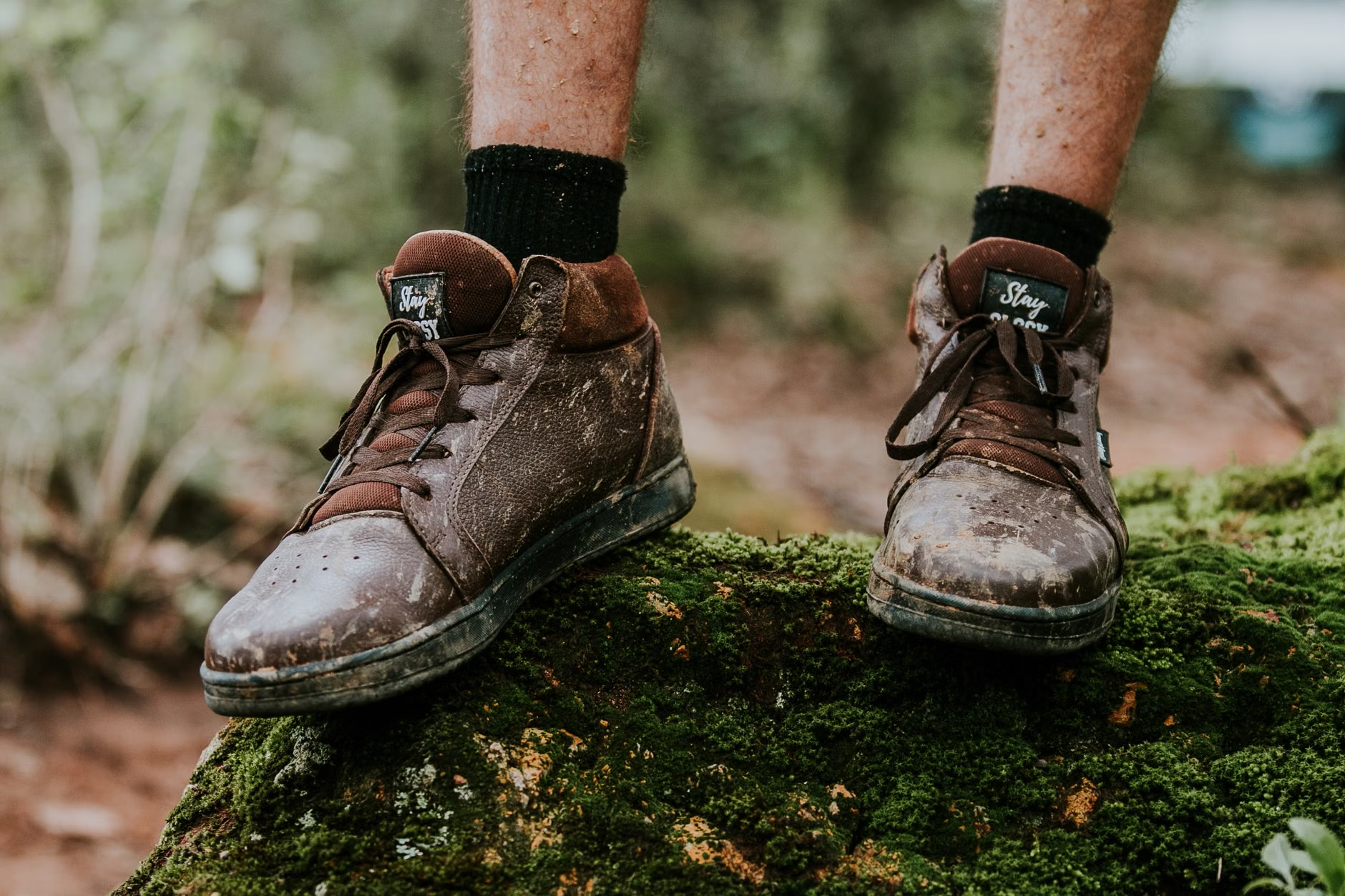
The core insight here is footwear selection. Coastal paths often involve sand or damp rocks. Standard sneakers lack the lateral support and grip needed for uneven terrain. Look for shoes with a “Vibram” or equivalent high-friction rubber sole. Ensure your shoes have been worn for at least 30 miles (approx. 50km) in your local neighborhood before attempting a coastal walk to prevent blisters and ensure they accommodate potential foot swelling during extended activity.
Stamina Management: The 50/10 Rule
The most common mistake among active seniors is the “push-through” mentality. Coastal walking, particularly in humid or windy conditions, exerts a unique load on the cardiovascular system. You should adopt the 50/10 rule: walk for 50 minutes, then rest for 10 minutes, regardless of how you feel.
Why the 50/10 Rule Matters
During the 50 minutes of movement, your body builds up metabolic heat and joint pressure. By stopping at the 50-minute mark, you allow your heart rate to return to a resting baseline and give your muscles a chance to clear lactic acid. If you wait until you are “tired” to rest, you have already entered a state of fatigue where your reaction time slows, increasing the risk of a stumble.
Practical Implementation
- Set a timer: Use a simple wristwatch alarm or a phone notification.
- Active Recovery: During the 10-minute rest, perform gentle calf stretches or simply sit and elevate your feet if possible.
- Hydration Check: Drink 100-200ml of water during every rest stop. Do not wait for thirst, as the sensation of thirst often diminishes with age.
Not all coastal paths are created equal. A “coastal walk” can mean anything from a paved promenade to a rugged cliffside trail. Before heading out, you must verify the path’s accessibility. Relying on general tourist websites is insufficient; look for official government or local municipal trail maps.
In many regions—such as the UK’s National Trails or the U.S. National Park Service paths—you can find “accessibility ratings.” Look for paths labeled as “easy” or “accessible.” If a path includes stairs, check the elevation gain. A general rule of thumb: if a path includes more than 10% grade (10 meters of rise for every 100 meters of distance), it requires significantly higher exertion and should be approached with caution.
Warning: Always check the tide tables for coastal walks that traverse beaches. A path that is accessible at low tide may be completely submerged or cut off at high tide. This is a common oversight that leads to emergency rescues. Local tourism boards usually provide tide charts; verify these the night before your walk.
The Minimalist First-Aid Kit
You do not need a full medical suite, but you do need to be prepared for the most common coastal walking issues: blisters, minor abrasions, and sun exposure. Your kit should fit in a small, waterproof pouch that weighs less than 200 grams.
- Blister care: Hydrocolloid bandages. These are superior to traditional bandages because they create a cushioned environment that allows the skin to heal under the bandage.
- Antiseptic wipes: For cleaning minor scrapes from rocks or vegetation.
- Sun protection: A high-SPF lip balm and a small tube of sunscreen. Coastal environments reflect UV rays off the water, significantly increasing exposure compared to inland walking.
- Personal medication: Always carry a copy of your current medication list and any emergency contact information in a waterproof bag inside your kit.
Strategic Pacing and Weather Awareness
Coastal weather is notoriously fickle. A sunny morning can turn into a windy, cold afternoon in minutes. Layering is your best defense. A “minimalist” layering system consists of a base layer (moisture-wicking synthetic or merino wool), a mid-layer (fleece or thin down vest), and an outer shell (windproof and waterproof jacket). Avoid cotton entirely, as it loses its insulating properties when damp.
The Wind Variable
High winds along the coast can significantly impact your balance, especially if you have a lower body mass or balance sensitivities. If the wind speed exceeds 25 km/h (approx. 15 mph), consider shortening your route or choosing an inland path. The wind acts as an external force that requires constant micro-adjustments from your core muscles, leading to faster fatigue.
Insights for the Modern Senior Traveler
An overlooked variable in coastal travel is digital reliance. While GPS on smartphones is excellent, it can fail in remote coastal areas due to lack of signal. Always carry a physical map or a printed screenshot of the trail. Furthermore, ensure your phone is fully charged and that you have a portable power bank—a small, 5,000mAh battery is sufficient and adds minimal weight.
Another insight: The Buddy System vs. Solo Walking. While solo walking can be meditative, coastal paths carry inherent risks of isolation. If you choose to walk alone, inform someone at your accommodation of your planned route and expected return time. This is a simple, low-cost safety protocol that effectively mitigates the risk of being unreachable in an emergency.
Conclusion: The Joy of the Walk
Minimalist coastal walking is about finding the balance between the beauty of the sea and the limitations of the body. By focusing on weight management, strategic rest, and thorough preparation regarding terrain and weather, you can extend your ability to enjoy these walks for years to come. Start with shorter, well-known paths, and gradually expand your range as you become more confident with your gear and stamina management.
Remember, the goal is not to reach a destination as quickly as possible; it is to engage with the environment safely and comfortably. Listen to your body, respect the coastal conditions, and keep your pack light.
Frequently Asked Questions
- How do I determine if a coastal path is too difficult for me?
Check the trail’s “elevation profile” on official websites. If the path features a sustained grade of over 10% or involves high-step staircases without handrails, it may pose a risk to joint health and balance. Always look for “accessible” or “leisure” designations. - Should I use one or two walking poles?
Using two poles is generally superior for coastal walking as it provides four points of contact with the ground, significantly improving stability on uneven sand or rocky surfaces. It also distributes the load more evenly across your arms and core, reducing strain on your knees. - What is the best way to keep my gear dry during a coastal walk?
Use a dedicated waterproof “dry bag” inside your backpack for your electronics and medication. For the backpack itself, a simple waterproof cover is much lighter than a heavy-duty waterproof bag and provides sufficient protection for most coastal weather conditions.
Official resources for trail planning: