- Prioritize Modular Packing: Use packing cubes to separate items by daily necessity, allowing you to access essentials without unpacking your entire bag during transit.
- Weight Distribution is Critical: Opt for a high-quality, four-wheeled spinner suitcase to reduce shoulder and wrist strain, and keep a secondary “day pack” for immediate transport needs.
- Accessibility Research: Before departing, verify the “step-free” status of transit hubs using official city transport apps to avoid stairs and unexpected physical barriers.
The success of a city trip, particularly when using multiple modes of transport—such as trains, metros, buses, and walking—depends less on what you bring and more on how you organize it. For travelers aged 60 to 80, the objective is to minimize physical strain while maintaining independence. This guide outlines a strategic approach to packing that prioritizes mobility, accessibility, and peace of mind.
The Physics of Packing: Why Less is More
When you are navigating a city, you are your own porter. Multi-modal travel means moving from a train platform to a bus stop, then walking to a hotel. Every kilogram you carry adds to the cumulative fatigue on your joints. The goal is to pack for the worst-case transit scenario: a station where the elevator is out of service and you must navigate a short flight of stairs.
The 10-Kilogram Threshold
As a general rule for seniors, aim for a total weight of no more than 10 to 12 kilograms (approximately 22–26 lbs). This weight is manageable for most individuals to lift onto a luggage rack or carry up a flight of stairs if absolutely necessary. If your luggage exceeds this, you are likely over-relying on others for help, which compromises your autonomy.
The “Two-Bag” Strategy
Divide your belongings into a primary rolling suitcase and a secondary cross-body bag or light backpack. The primary bag should contain your clothing and secondary toiletries, while the secondary bag should hold your “Transit Kit.” This kit includes your travel documents, medication for the next 24 hours, a portable charger, and a collapsible water bottle. By keeping these in a secondary bag, you avoid opening your main suitcase in crowded, chaotic transit hubs.
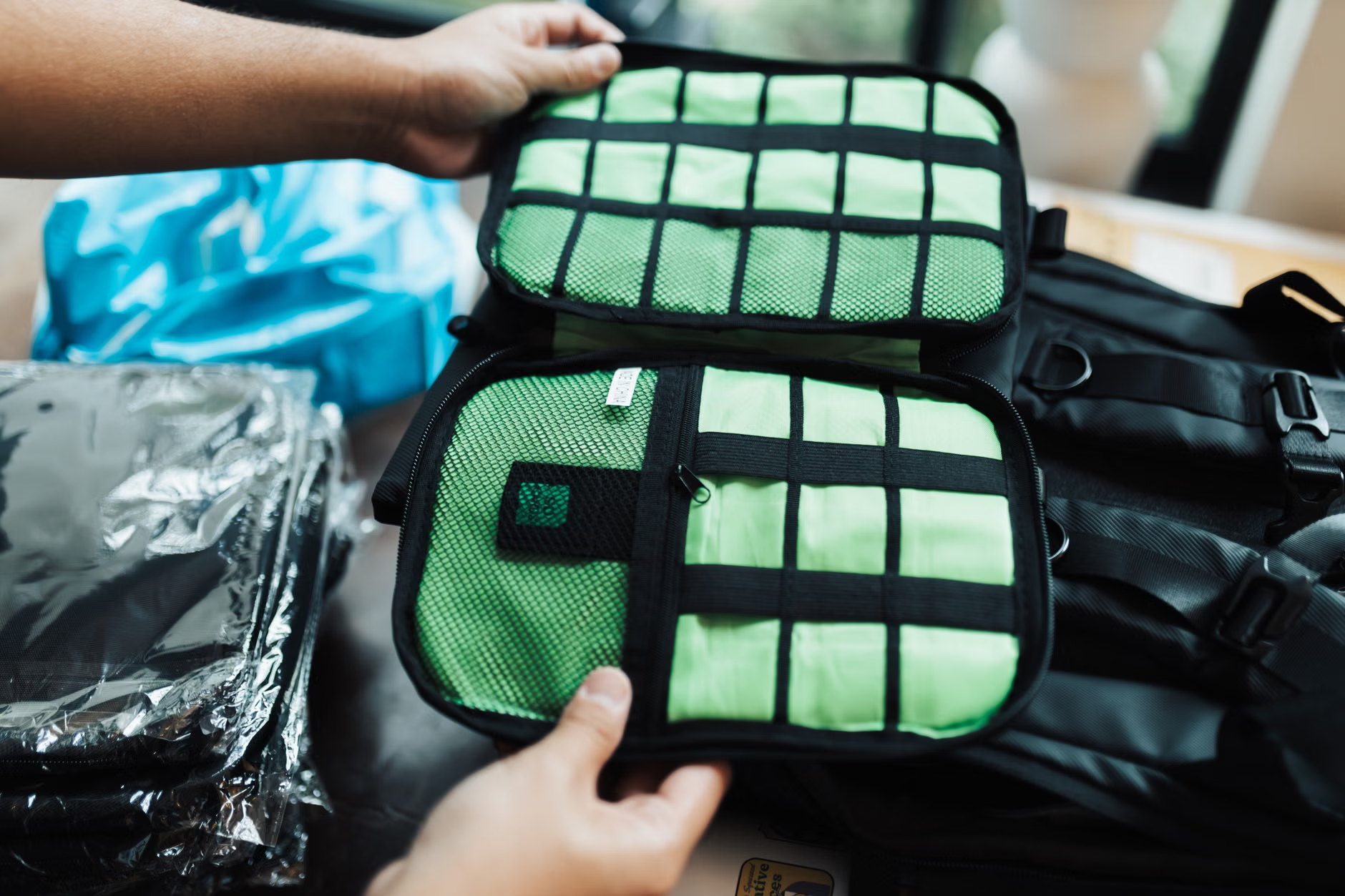
Strategic Packing Categories
Organizing your gear into categories helps you locate items quickly. Use packing cubes, which are essential for seniors who prefer not to rummage through a deep suitcase. When you arrive at your accommodation, you can simply lift the cubes out and place them into drawers.
| Category | Packing Rule | Why it Matters |
|---|---|---|
| Footwear | Maximum two pairs | Shoes are the heaviest items; wear the heaviest pair. |
| Clothing | Layering system | Temperature changes between subway platforms and street level. |
| Electronics | Consolidated charging | Reduces cord clutter and weight. |
The table above suggests a minimalist approach. For footwear, choose one pair of high-quality walking shoes with orthopedic support and one pair of versatile, slip-on shoes for evenings or shorter walks. Avoid bringing “just in case” shoes, as they occupy valuable space and weight.
Packing isn’t just about clothes; it’s about the information you carry. In modern city travel, the “digital weight” of your planning can significantly impact your physical stamina. Use dedicated transit apps like Citymapper or the official municipal transit apps (e.g., TfL Go for London, MTA for NYC) to check for elevator status before you leave your hotel.
The “Paper Backup” Rule
Do not rely entirely on your smartphone. Battery drain is a common issue when using GPS constantly. Carry a small, printed map of the city center and a list of your hotel address and emergency contacts. This provides a safety net if your phone dies or if you have difficulty reading a screen in direct sunlight.
Managing Medication and Health Records
When traveling, carry a copy of your prescription list and a medical summary in your carry-on bag. If you take daily medications, bring them in their original containers to avoid issues with customs or security. A small, pill-organizer case is helpful for the duration of the trip, but keep the original bottles in your main luggage to verify the prescription if asked.
Physical Stamina and Energy Management
Multi-modal transport often involves long walks within stations. For instance, in many European or Asian metro systems, transferring between lines can involve walking several hundred meters. Plan for these “hidden distances.”
- The 20-Minute Rule: Never plan more than 20 minutes of continuous walking without a planned rest stop or a transit seat.
- Hydration and Nutrition: Keep a high-protein snack in your bag. Transit delays are common, and blood sugar dips can lead to dizziness or reduced concentration, which are risks in busy environments.
- The “Four-Wheel” Advantage: Always choose a four-wheeled spinner suitcase. A two-wheeled bag requires you to pull the weight, which puts torque on your wrist and shoulder. A spinner bag moves beside you with minimal effort.
Preparing for Specific Transit Modes
Trains and Metro Systems
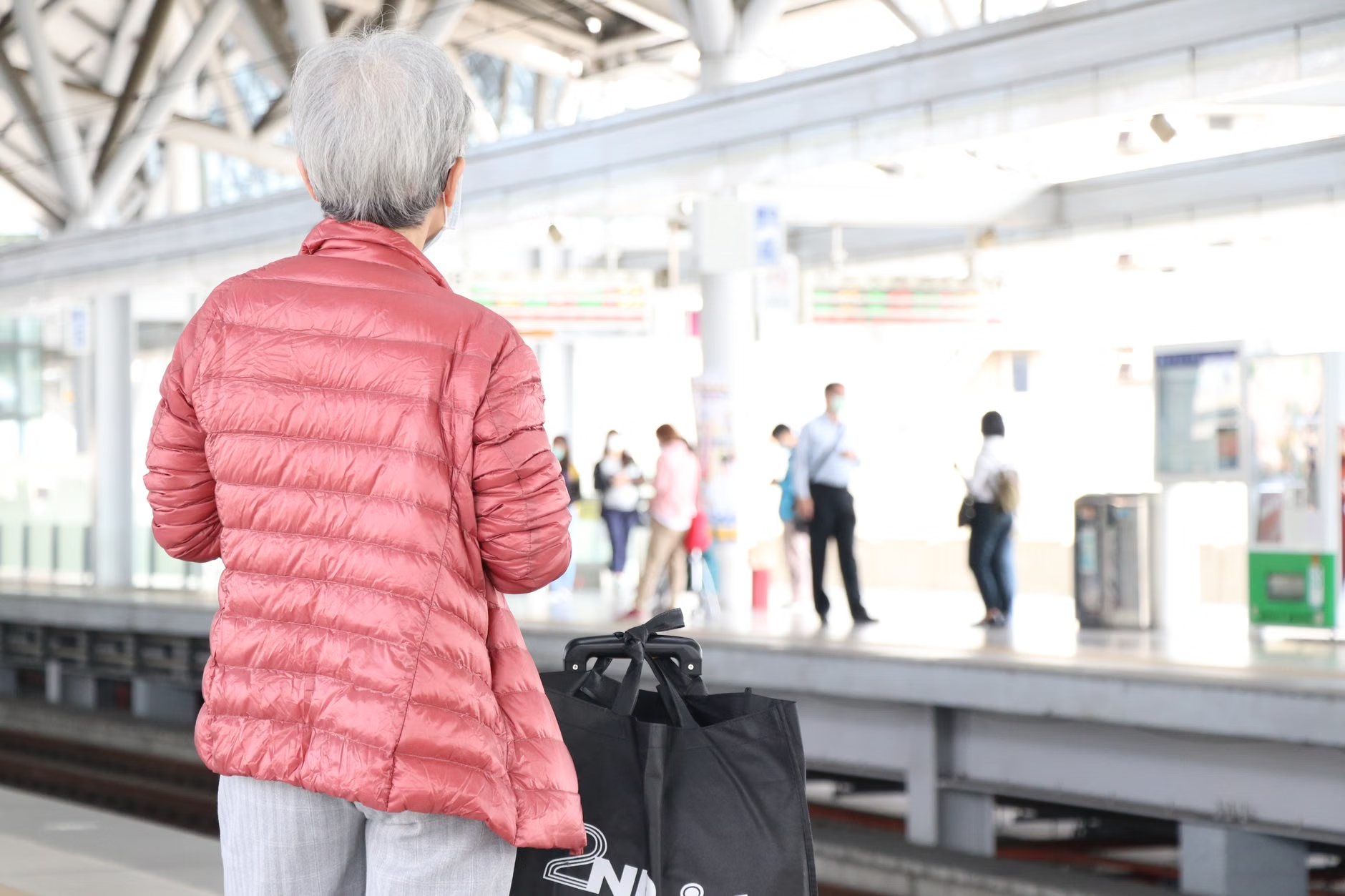
Trains are generally the most comfortable, but they have one major challenge: the “gap.” Always stay alert when boarding. If you are traveling with a companion, have one person board first to assist the other. If you are traveling alone, don’t be afraid to ask a station attendant to hold the door or assist with your bag. Most major city transport authorities have staff trained for this.
Buses and Trams
Buses can be jerky. As soon as you board, move toward a seat before the bus starts moving. If all seats are taken, stand near the driver or a handrail and keep your feet slightly apart to maintain your center of gravity. Keep your bag between your feet to prevent it from sliding or becoming a tripping hazard for other passengers.
If you feel your stamina waning, do not hesitate to pivot to a taxi or rideshare. It is a valid strategy to use public transport for the main leg of your journey and a taxi for the “last mile” to your hotel, especially if the terrain is hilly or the weather is poor.
Common Pitfalls and How to Avoid Them
Overestimating your speed: Many seniors underestimate the time required to navigate busy stations. Always add a 30% “buffer time” to your transit estimates. If a trip is supposed to take 40 minutes, budget for an hour. This removes the stress of rushing, which is where most falls and injuries occur.
Ignoring the weather: Always check the destination’s 7-day forecast. A sudden rainstorm can make station floors slippery and increase the difficulty of walking. Packing a lightweight, foldable umbrella and a pair of shoes with non-slip soles is a simple preventive measure.
The “Heavy Coat” Trap: If you are traveling to a cold climate, do not pack a heavy wool coat. Wear a thin, high-performance thermal base layer and a light, packable down jacket. This allows you to adjust to the heat of the subway or the chill of the street without carrying excessive bulk.
The Importance of Professional Care and Consultation
Before any major trip, if you have specific mobility concerns, it is wise to speak with your primary care provider or a physical therapist. They can provide specific exercises to strengthen your core and balance, which are vital for navigating moving vehicles. If you have been diagnosed with a condition that affects your balance, such as vertigo or inner-ear issues, ensure you have your maintenance medication readily available and know the signs of an exacerbation.
Furthermore, check if your travel insurance covers “assisted travel” or if your transit provider offers specialized assistance services. Many airports and major train stations in the UK, EU, and North America provide pre-booked assistance for passengers who need help with luggage or navigating large terminals. This is not a sign of frailty; it is a smart use of resources to ensure you have the energy to enjoy your destination.
Packing Checklist for the Senior Traveler
Use this list as a final check before you leave. It is designed to ensure you have what you need without becoming overburdened.
- Documents: Passport, travel insurance, digital and paper copies of hotel bookings, and a list of emergency contacts.
- Medication: Original prescription bottles, a 3-day buffer supply, and a summary of your medical history.
- Technology: Smartphone with offline maps downloaded, a portable power bank, and a universal travel adapter.
- Clothing: Lightweight layers, one pair of high-traction walking shoes, and a light waterproof layer.
- Transit Kit: A small bag containing your ticket, water bottle, glasses, and a healthy snack.
Conclusion: The Art of Independent Movement
Travel is an essential part of lifelong learning and enjoyment, but it requires a shift in strategy as we age. By focusing on lightweight, modular packing, utilizing technology for accessibility, and respecting your own energy levels, you can navigate the world’s cities with confidence. Remember that the goal is not to see everything, but to enjoy the experience of being there. Pace yourself, prioritize your comfort, and treat your travel gear as an extension of your own mobility. With these preparations, the city is not a challenge, but a playground waiting to be explored.
Frequently Asked Questions
Q: Should I use a cane or walking stick even if I don’t use one at home?
A: Yes, if your travel involves significant walking or uneven terrain, a foldable trekking pole or a walking cane can provide essential stability. It also signals to other travelers to give you extra space, which can be a safety advantage in crowded stations.
Q: How do I handle heavy luggage on stairs if there is no elevator?
A: First, look for a “step-free” route, which may involve a longer walk but avoids stairs. If you must use stairs, carry your bag in two trips if it is light enough, or ask a fellow traveler for assistance. It is perfectly acceptable to ask for help; most people are happy to assist a fellow passenger.
Q: What is the best way to handle currency and transit cards?
A: Use a small, accessible wallet or a wristlet for your transit card. In many cities, you can use your contactless credit card or phone (Apple/Google Pay) directly at the turnstile, which eliminates the need to buy and manage physical transit cards.
For further information on accessible travel, consult official resources such as the UK Government’s Transport Accessibility Guidance or the Americans with Disabilities Act (ADA) information on public transportation to understand your rights and available services in those jurisdictions.