- Prioritize Pre-Trip Research: Always check the station’s “Accessibility Map” on official transit websites before departing to identify the location of elevators, accessible toilets, and quiet waiting zones.
- Strategic Seating Selection: Choose rest areas located near the platform entrance or station assistance offices to minimize walking distances and ensure quick access to staff if needed.
- Leverage Station Assistance Services: Most major rail networks offer “Passenger Assist” programs; booking these in advance ensures a staff member meets you to guide you through the station to your platform.
For many travelers, the train remains the most comfortable and scenic way to navigate a new country. However, for those aged 60 to 80, the experience of a large, bustling train station can be physically demanding. Success in train travel often depends less on the train ride itself and more on how efficiently you navigate the station environment. Selecting the right rest area—a location that balances proximity, accessibility, and comfort—is the secret to maintaining your stamina and enjoying the journey.
The Anatomy of a Senior-Friendly Train Station Rest Area
An “accessible rest area” is not merely a bench in a hallway. It is a strategically selected space that provides environmental stability for a senior traveler. When evaluating a station, look for specific features that mitigate the physical strain of waiting.
1. Proximity to Essential Facilities
The most effective rest area is one that minimizes the “travel distance” between your seat and critical facilities: the platform, the restroom, and the information desk. Before settling into a seat, perform a quick 360-degree survey. Can you see the platform entrance? If the station is large, look for seating clusters that are specifically designated as “priority seating” or “accessible waiting zones.” These are often situated near the main concourse elevators, which are essential for those avoiding stairs.
2. Ergonomic Considerations
Not all benches are built for comfort. Many station seats are backless or made of cold, hard materials that can exacerbate lower back pain or joint stiffness. Seek out areas with chairs that provide lumbar support and armrests. Armrests are particularly important for seniors, as they provide the leverage needed to stand up securely without putting excessive strain on the knees.
3. Sensory and Environmental Control
Train stations can be overwhelming due to high-decibel announcements, bright fluorescent lighting, and constant foot traffic. A senior-friendly rest area should ideally be located slightly away from the primary thoroughfare. If you are prone to fatigue, look for “quiet zones” or corners that offer a degree of acoustic buffering. This reduces the cognitive load of navigating the crowd, allowing you to conserve your energy for the actual boarding process.

Strategic Planning: How to Evaluate Stations Before You Arrive
The most significant mistake travelers make is assuming that all stations offer a uniform level of accessibility. In reality, station infrastructure varies wildly between historic buildings and modern transit hubs. You can eliminate the stress of uncertainty by using digital tools to pre-plan your rest stops.
Utilizing Official Accessibility Maps
Most national rail operators, such as Amtrak in the U.S., National Rail in the U.K., or Deutsche Bahn in Germany, provide detailed station maps on their websites. These maps often highlight:
- Step-free access routes: Where elevators and ramps are located relative to the entrance.
- Accessible toilet locations: Frequently locked for security, requiring a universal key (such as the RADAR key in the U.K.) or an attendant.
- Staffed assistance points: Areas where you can find immediate help.
If you find that a station map is unclear, do not hesitate to call the station’s customer service line. Ask specifically: “Where is the nearest seating area to the elevator for Platform 4?” This specific question forces the agent to provide a practical, actionable location rather than generic advice.
The Importance of “Buffer Time”
When traveling, the most common source of physical stress is rushing. If your train departs at 10:00 AM, arriving at 9:55 AM is a recipe for exhaustion. Aim to arrive at the station at least 45 to 60 minutes early. This “buffer time” allows you to locate your ideal rest area, check the platform boards, and visit the restroom without the adrenaline spike of a potential missed departure. If you find your chosen rest area is uncomfortable or crowded, this extra time gives you the freedom to move to a better location.
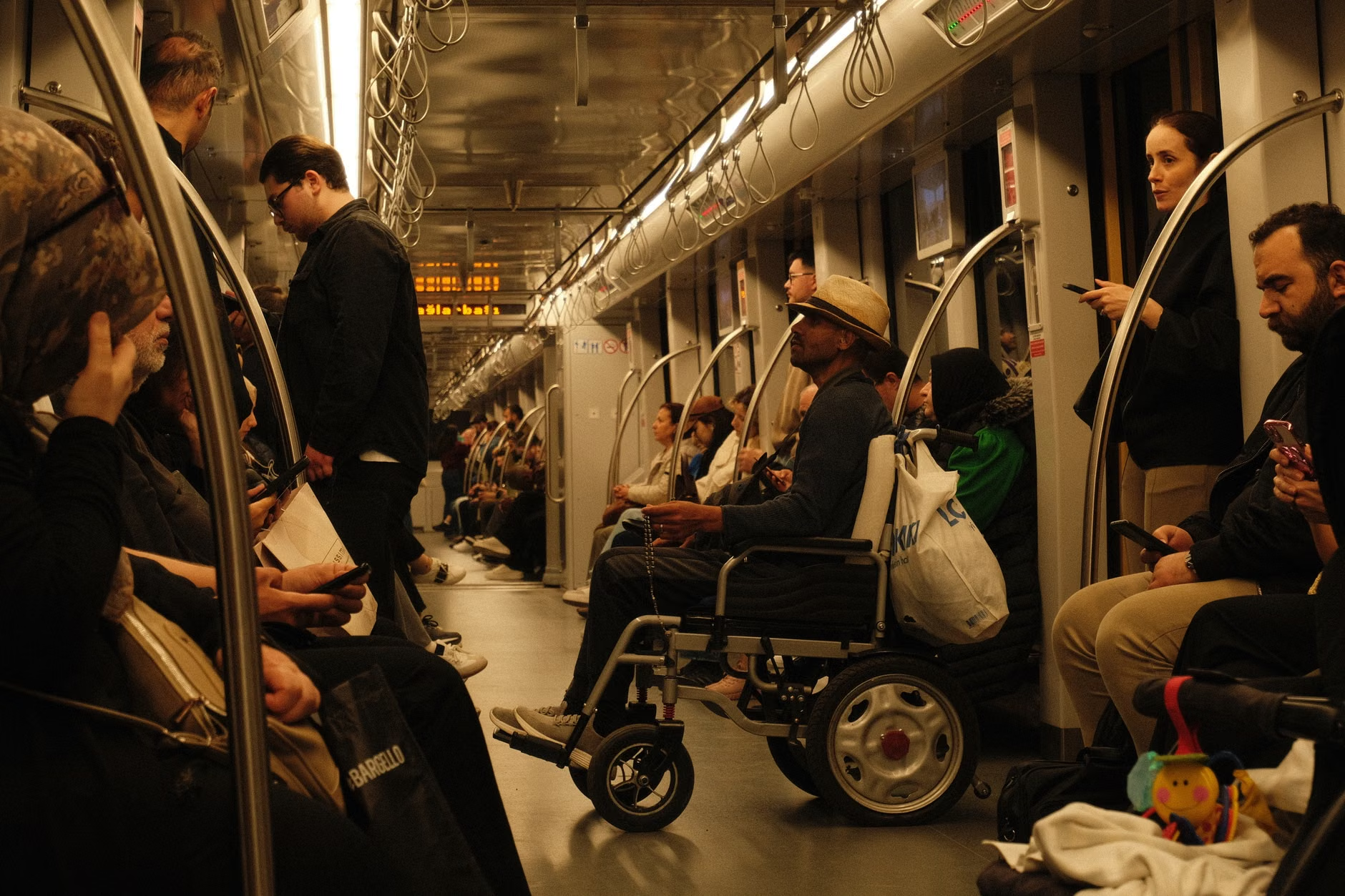
Large, multi-level transit hubs present unique challenges. In these settings, the distance between the ticket office and the boarding platform can be significant. Understanding how to manage this distance is vital for preserving your stamina.
| Feature | What to Look For | Why It Matters |
|---|---|---|
| Floor Surface | Smooth, non-slip flooring | Reduces trip hazards and eases the movement of wheeled luggage. |
| Signage | High-contrast, large-font signs | Ensures you can navigate without having to ask for directions repeatedly. |
| Lighting | Bright, uniform illumination | Helps with depth perception and identifying changes in elevation. |
| Staff Presence | Visible station attendants | Provides a safety net if you become disoriented or need immediate assistance. |
The table above outlines the physical environment you should prioritize. If a station area lacks these features—for example, if the floor is uneven or the lighting is dim—it is usually a sign that you should look for a different waiting area, perhaps closer to a main information desk where the environment is typically better maintained.
Advanced Strategies for Independent Mobility
Maintaining independence while traveling is a high priority for most seniors. However, independence does not mean doing everything alone. It means managing your resources effectively. If you use a walking aid, such as a cane or a rollator, your choice of rest area must accommodate it. Ensure the area you choose has sufficient floor space so that your aid does not obstruct other passengers and is within easy reach when you stand up.
The “Assistance Service” Reality
If you are traveling through a station you do not know, or if you are carrying heavy luggage, consider using the “Passenger Assist” services. These services are not just for those with severe mobility issues; they are for any traveler who needs help navigating a complex environment. By booking this service 24 to 48 hours in advance, you can have a staff member meet you at the entrance, help you navigate to an accessible rest area, and escort you to your train when it arrives. This is perhaps the most effective way to eliminate the anxiety of station navigation.
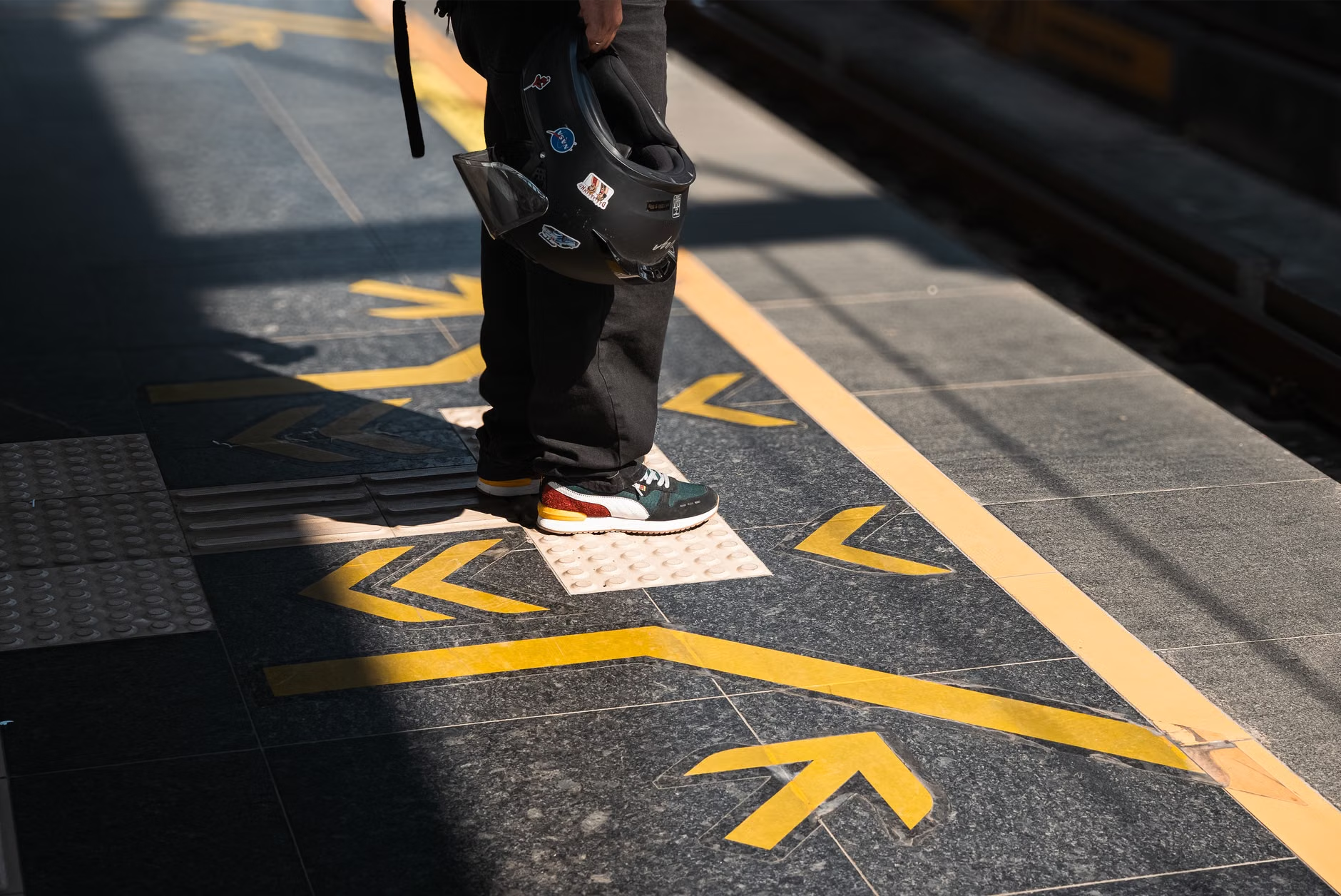
Managing Energy Expenditure
Consider your energy as a fixed currency. Every step taken on a concrete floor is a “cost.” If you have a long travel day ahead, your goal is to minimize unnecessary movement. This means selecting a seat in the rest area that is closest to the platform gate, even if it is not the most “scenic” or quietest spot. The trade-off is worth it if it saves you 200 meters of walking when it is time to board.
Hydration and Nutrition
Station rest areas are also your base of operations for hydration and nutrition. Avoid the temptation to buy food at the first kiosk you see if it requires standing in a long, slow-moving queue. Instead, locate your seating area, get settled, and then, if you have a travel companion, take turns fetching supplies. If you are traveling alone, consider bringing a small, insulated water bottle and a snack to avoid the need to navigate crowded station shops altogether.
The Hidden Variables of Accessibility
There are several overlooked factors that can turn a “good” rest area into a “bad” one. These nuances are often discovered only through experience, but being aware of them now can save you significant discomfort.
- Temperature Extremes: Large, open-plan stations are notoriously difficult to heat and cool. Avoid sitting directly under high-velocity air conditioning vents or near large, drafty glass doors. A seat in the middle of a seating cluster is usually more temperature-stable.
- The “Rush” Factor: Avoid seating areas that are located directly in the path of the “commuter surge.” During peak hours, these areas become chaotic and can be physically intimidating. Look for alcoves or areas tucked behind pillars.
- Digital Connectivity: While not strictly a safety issue, having access to a power outlet in your rest area allows you to keep your phone charged. A charged phone is a safety tool—it allows you to check for train delays, contact family, or call for assistance if your plans change.
Conclusion: Empowering Your Journey
Selecting an accessible rest area is a proactive step in managing your travel health and comfort. By prioritizing proximity, ergonomic seating, and the use of station assistance services, you transform the train station from a stressful obstacle into a manageable, even pleasant, part of your trip. Remember that you have the right to ask for assistance and to choose an environment that meets your physical needs. Your goal is not to endure the station, but to move through it with confidence and ease.
For more information on specific accessibility standards, you can visit official resources such as the Americans with Disabilities Act (ADA) guidelines for U.S. transport or the European Union’s guidelines on passenger rights and accessibility. These resources provide a broader context for what you can expect from public transport operators globally.
Frequently Asked Questions (FAQ)
1. Is it common to request assistance even if I do not have a disability?
Yes. Passenger assistance programs are designed for anyone who feels they need extra help navigating a station, including those with limited stamina, those traveling with heavy luggage, or those who simply feel overwhelmed by the size of the station. It is a professional service, and staff are trained to help all passengers reach their trains safely.
2. What should I do if the accessible seating area is already full?
If the designated priority seating is full, look for a secondary location near an information desk or a station staff member. You can politely explain to a staff member that you have limited mobility and ask if they can direct you to an alternative quiet area or if they can assist you in reaching the platform early to wait in a less crowded space.
3. How far in advance should I book station assistance?
Most major rail networks recommend booking assistance at least 24 to 48 hours before your departure. This allows them to schedule the necessary staff to meet you. You can usually book this through the “Passenger Assistance” section of the rail operator’s official website or by calling their customer service number directly.