- Silicon is a structural mineral: It plays a crucial role in the synthesis of collagen and the mineralization of bone, making it a vital nutrient for structural integrity as you age.
- Food over supplements: Dietary silicon, particularly in the form of orthosilicic acid found in plant-based foods, is generally more bioavailable than many synthetic supplement forms.
- Consistency matters: Integrating silicon-rich whole foods like oats, barley, and green beans into your daily diet provides a steady supply of this mineral without the risks associated with high-dose supplementation.
Dietary silicon, often overlooked in mainstream nutrition discussions, is a fundamental trace element that supports the structural integrity of the human body. As we move through our 60s, 70s, and beyond, the natural production of collagen—the “glue” that holds our tissues together—begins to decline. Simultaneously, the maintenance of bone density becomes a primary objective for preserving mobility and independence. Silicon acts as a silent partner in these biological processes, facilitating the cross-linking of collagen fibers and assisting in the deposition of calcium within the bone matrix.
Understanding how to incorporate silicon into your daily routine is not about chasing “miracle” nutrients, but about optimizing your intake through evidence-based dietary choices. This guide explores the biological role of silicon, identifies reliable food sources, and provides actionable steps to ensure you are supporting your body’s structural needs effectively.
What is Dietary Silicon and Why Does It Matter for Seniors?
Silicon is the second most abundant element in the Earth’s crust, but in the human body, it exists in trace amounts. In the context of nutrition, it is typically found in the form of silica (silicon dioxide) or orthosilicic acid. While it is not classified as an “essential” nutrient in the same way as Vitamin C or iron—meaning your body won’t cease to function immediately without it—its role in connective tissue health makes it highly relevant for the aging population.
The Collagen Connection: Collagen is a protein that provides structure to your skin, tendons, ligaments, and cartilage. Research indicates that silicon is essential for the enzymatic activities that create collagen cross-links. Think of collagen fibers as the structural beams of a building; silicon acts as the connector that ensures those beams are locked tightly together, providing tensile strength and flexibility. As we age, the quality and quantity of these cross-links diminish, which contributes to skin thinning and reduced joint elasticity.
Bone Mineralization: Bones are not static; they are constantly being remodeled. Silicon is found in high concentrations in active growth areas of bone. It is believed to help stimulate osteoblasts, the cells responsible for building new bone tissue, and to aid in the structural organization of the bone matrix. For adults between 60 and 80, this is particularly important for mitigating the risks associated with bone density loss, a common concern in geriatric health.

Reliable Food Sources: Integrating Silicon into Your Daily Diet
The most effective way to obtain silicon is through a plant-rich diet. Unlike some minerals that are heavily processed out of our food supply, silicon is abundant in fiber-rich, whole foods. However, the bioavailability—the amount your body can actually absorb—varies significantly depending on the food source.
The following table outlines common sources of dietary silicon and their characteristics regarding daily consumption.
| Food Source | Why It Is Recommended | Practical Usage Tip |
|---|---|---|
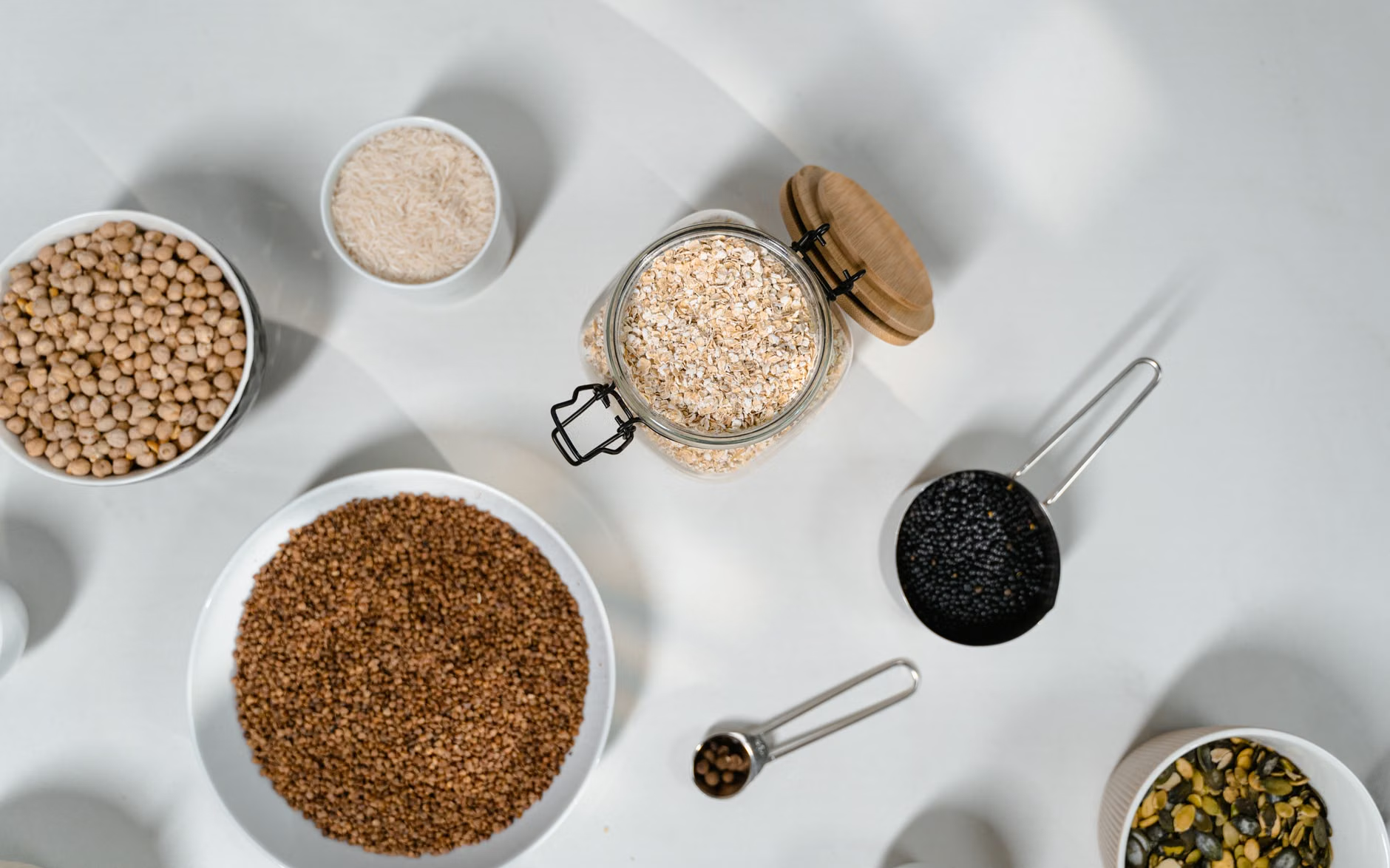
| Whole Grains (Oats, Barley, Brown Rice) | High concentration, especially in the outer bran layers. | Switch from refined white flour to steel-cut oats or hulled barley. |
| Legumes (Green beans, lentils, chickpeas) | Excellent source of both silicon and fiber. | Add cooked lentils to soups or steam fresh green beans as a side. |
| Root Vegetables (Potatoes, carrots) | Consistent, accessible source. | Keep the skins on when preparing to maximize nutrient retention. |
| Bananas | Provides soluble silicon, which is easy to digest. | A convenient, portable snack that requires no cooking. |
It is important to note that the refinement of grains—such as the milling process that turns brown rice into white rice—strips away the outer layers where the majority of the silicon is located. By choosing “whole” or “unrefined” versions, you are not only increasing your silicon intake but also improving your overall fiber consumption, which supports digestive health.
Absorption Factors and Practical Considerations
Simply eating silicon-rich foods is only half the battle. Your body’s ability to absorb and utilize this mineral can be influenced by several factors. Understanding these variables allows you to make more informed decisions about your daily dietary habits.
The Role of Soluble Silicon
Research suggests that orthosilicic acid is the form of silicon most easily absorbed by the human digestive tract. When you consume plant-based foods, the silicon is often bound to other compounds. Through the process of digestion, these are broken down into soluble forms. This is why a varied, plant-based diet is superior to relying on a single “superfood.” By consuming a mix of grains and vegetables, you provide your digestive system with the necessary variety to maximize the extraction of available silicon.
Hydration and Digestive Function
Silicon metabolism relies on a healthy digestive environment. For adults aged 60 to 80, maintaining proper hydration is essential for the efficient transport of nutrients. Chronic dehydration can lead to sluggish digestion, which may reduce the efficiency of nutrient absorption across the intestinal wall. Furthermore, as we age, the production of stomach acid can decrease, which may affect the breakdown of mineral-rich plant fibers. If you experience persistent digestive issues, it is advisable to consult a general practitioner or a registered dietitian to ensure your body is effectively processing the nutrients you consume.
The Pitfalls of Over-Processing
A common mistake is assuming that “fortified” foods are equal to whole foods. While some products are marketed as being high in minerals, they often lack the complex matrix of nutrients found in natural sources. For example, a processed breakfast cereal may have added vitamins, but it lacks the natural fiber and phytonutrients that work synergistically with silicon to support bone health. Whenever possible, prioritize food in its most natural state.
Addressing Common Misconceptions About Supplements
In the wellness industry, silicon supplements—often sold as “silica” or “horsetail extract”—are frequently marketed with promises of “youthful skin” or “rapid bone repair.” It is vital for seniors to approach these claims with a high degree of skepticism.
The Reality of Supplements: There is no standardized “recommended daily allowance” for silicon because it is not considered an essential nutrient in the clinical sense. Consequently, the quality, dosage, and bioavailability of supplements vary wildly between manufacturers. Unlike food, where silicon is buffered by other nutrients, high-dose supplements can sometimes lead to an imbalance in other trace minerals.
Safety Warnings: Some silicon supplements, particularly those derived from horsetail, can interact with certain medications, including diuretics (often prescribed for blood pressure) and lithium. If you are taking any prescription medication, you must discuss any new supplement regimen with your primary care provider. Never assume that because a product is “natural,” it is safe to combine with your specific medical treatments.
Decision Criterion: If you are considering a supplement, ask yourself why. If it is because you believe your diet is lacking, the most cost-effective and safe approach is to adjust your grocery list to include more oats, beans, and vegetables. Supplements should only be considered under the guidance of a healthcare professional, and usually only in specific circumstances where a deficiency has been identified or when a specific medical condition warrants it.
Building a Daily Routine for Long-Term Structural Support
Consistency is the hallmark of effective preventive health. Rather than attempting a drastic dietary overhaul, focus on small, sustainable changes that integrate silicon-rich foods into your existing habits. Consider the following steps as a template for building your routine:
- The Morning Shift: Replace refined breakfast cereals or white toast with a bowl of steel-cut oats or a whole-grain porridge. Adding a banana or some berries provides an additional boost of silicon and antioxidants.
- The Midday Meal: Incorporate a legume-based side dish into your lunch. Whether it is a chickpea salad, a lentil soup, or a serving of steamed green beans, these additions are simple to prepare and highly effective.
- Smart Snacking: If you find yourself hungry between meals, opt for a piece of fruit or a small handful of nuts and seeds. These snacks are not only satisfying but also contribute to your overall trace mineral intake.
- Hydration Check: Ensure you are drinking sufficient water throughout the day. If you struggle with plain water, try herbal teas, which can also be a source of various trace elements.
By making these simple shifts, you are not just targeting silicon; you are improving the overall quality of your diet, which has a ripple effect on your energy levels, digestive regularity, and long-term health outcomes.

Monitoring Your Health: When to See a Professional
While diet is a powerful tool for prevention, it is not a substitute for regular medical screenings. As an adult between 60 and 80, you should be proactive in monitoring your bone density and overall structural health.
Bone Density Scans (DEXA): A Dual-Energy X-ray Absorptiometry (DEXA) scan is the gold standard for measuring bone density. If you have not had a scan in the last few years, or if you have a family history of osteoporosis, discuss this with your doctor. Understanding your current bone density status provides a baseline against which you can track your progress.
Symptom Awareness: Be mindful of changes in your physical health. Persistent joint pain, unexplained loss of height, or frequent minor fractures are signs that your structural health needs professional evaluation. Do not dismiss these as “just a part of getting older.” While some physical changes are natural, significant loss of function or structural integrity requires diagnostic attention.
Preparing for Your Appointment: When you see your doctor, be prepared to discuss your diet. You might ask:
- “Based on my current bone density results, are there specific dietary adjustments I should prioritize?”
- “Are there any interactions between my current medications and the foods or supplements I am considering?”
- “What are the reliable indicators for me to track regarding my own bone health?”
By arriving with specific questions, you turn a passive visit into an active consultation, ensuring that your healthcare provider has the necessary information to support your specific needs.
The Broader Context of Aging Well
Dietary silicon is one piece of a much larger puzzle. Supporting your body’s collagen and bone structure is most effective when combined with other pillars of healthy aging. Regular, weight-bearing exercise—such as walking, swimming, or resistance training—is perhaps the most critical partner to a healthy diet. Exercise provides the mechanical stress that tells your body to strengthen its bones and maintain its muscle mass. Without this physical stimulus, even the most nutrient-dense diet will be less effective at maintaining structural integrity.
Furthermore, managing chronic inflammation through a balanced diet rich in omega-3 fatty acids, colorful vegetables, and hydration creates an environment where your body can repair itself more efficiently. The goal is not to “fix” aging, but to provide your body with the resources it needs to age with strength, mobility, and confidence.
As you navigate your 60s, 70s, and beyond, remember that your health is a long-term project. The choices you make today—the bowl of oatmeal you choose, the walk you take in the afternoon, and the questions you ask your doctor—are the investments that pay dividends in your ability to remain active, independent, and engaged with the world around you.
Frequently Asked Questions (FAQ)
1. Can I get enough silicon just from drinking water?
While some mineral waters contain silicon, the amount is usually not sufficient to meet the body’s structural needs when compared to a diet rich in whole grains and vegetables. Water should be viewed as a medium for hydration, while food remains your primary source for essential minerals and trace elements.
2. Is there a risk of consuming too much silicon from food?
It is extremely difficult to consume an excess of silicon through a natural, plant-based diet. Your kidneys are highly efficient at filtering and excreting excess silicon that the body does not need. The risks associated with silicon typically arise from the misuse of high-dose, concentrated supplements, rather than from eating healthy, fiber-rich foods.
3. How long does it take to see improvements in bone or skin health from dietary changes?
Structural changes in the body, such as improvements in bone density or collagen quality, are slow processes. You should not expect immediate results. Consistency over months and years is the key. You are building a foundation for the long term; therefore, focus on the sustainability of your new eating habits rather than immediate, visible changes.
Disclaimer: This article is for informational purposes only and does not constitute medical advice, diagnosis, or treatment. Always seek the advice of your physician or other qualified health provider with any questions you may have regarding a medical condition or dietary changes.
Official Resources for Further Reading: