- Cognitive Engagement: Regular chess practice serves as a complex mental exercise that challenges memory, pattern recognition, and executive function, contributing to cognitive reserve.
- Social Infrastructure: Local chess circles act as low-cost, high-impact social hubs that combat isolation and provide a predictable, structured environment for meaningful interpersonal connection.
- Accessibility and Inclusion: Engaging in local clubs requires minimal physical exertion, making it a highly accessible hobby for individuals with varying levels of mobility or stamina.
The Intersection of Strategy and Social Well-being
For many adults aged 60 to 80, the search for a rewarding hobby is not merely about “filling time.” It is about finding an activity that balances cognitive challenge with social connectivity. Chess, a game that has endured for centuries, offers a unique value proposition: it is a profound mental workout that doubles as a social bridge. Unlike solitary activities, a local chess circle forces an interaction with others—an exchange of ideas, respect for opponents, and the shared pursuit of mastery.
When we discuss “social value,” we are referring to the benefit of regular, predictable interactions that foster a sense of belonging. As we navigate the later stages of life, the loss of professional networks or the shifting dynamics of family life can sometimes lead to social gaps. Chess circles, whether found in community centers, libraries, or local parks, provide a “third space”—a location that is neither home nor work, where individuals can engage on equal footing.
This article explores the multi-dimensional benefits of joining or forming a local chess strategy circle, examining how it impacts cognitive health, social integration, and personal satisfaction while providing practical steps for getting started.
Cognitive Reserve and the Mechanics of the Game
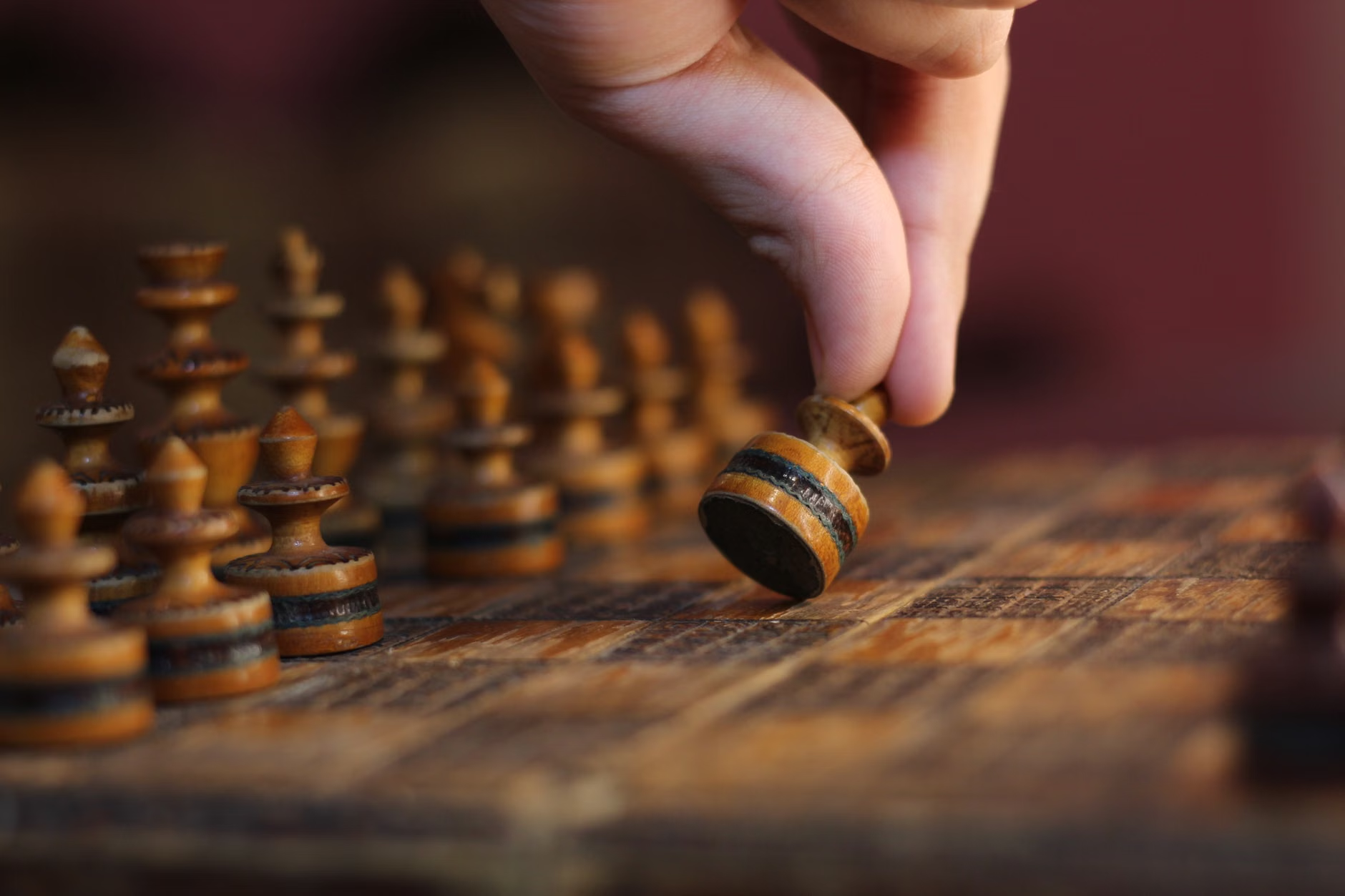
Chess is often described as a “gym for the brain.” In scientific terms, it engages multiple cognitive domains simultaneously. When you sit across from an opponent, your brain is actively working to calculate future possibilities, recognize board patterns stored in long-term memory, and inhibit impulsive moves. This is known as executive function.
What It Is: The Cognitive Load of Chess
The “cognitive load” in chess refers to the amount of mental effort being used in the working memory. Because every move changes the state of the board, a player must constantly update their mental model of the game. This is not about memorizing thousands of openings; it is about the dynamic application of logic under a time constraint—even if that constraint is just the silent pressure of an opponent waiting for your move.
Why It Matters for Aging
Research into cognitive health suggests that “cognitive reserve”—the brain’s ability to improvise and find alternative ways of getting a job done—is bolstered by novel and complex mental stimulation. While no game is a “cure” for age-related cognitive decline, engaging in activities that require strategic planning and social interaction is consistently linked to better mental maintenance. The key is novelty and complexity. If a game becomes too easy, the brain stops growing. Chess is inherently difficult enough that the “learning curve” never truly ends.
Practical Application: The “Iterative Learning” Approach
Many older adults worry that they are “too old” to learn a game as complex as chess. This is a common misconception. In a social chess circle, you are not playing to become a Grandmaster; you are playing to learn. The most effective way to approach this is through “iterative learning”:
- Analyze the loss: Instead of focusing on the defeat, look at the last five moves. Where did the structure break down?
- Use technology as a bridge: Use simple apps (like Lichess or Chess.com) to practice basic tactical puzzles for 10 minutes a day.
- Focus on one opening: Don’t try to learn every strategy. Pick one way to start the game (e.g., the Italian Game) and stick with it for a month.
The Social Value of Structured Interaction
One of the most significant challenges for older adults is the loss of “weak ties.” Sociologists define weak ties as the acquaintances we see in passing—the person at the local market, the regular at the library, or the neighbor we wave to. These ties are surprisingly vital for mental health. Chess circles are engines for creating these ties.
Building a Predictable Social Environment
A chess circle provides a “bounded” social experience. You know exactly what the activity is, how long it will last, and the expected social etiquette. For individuals who may feel overwhelmed by unstructured social settings, this predictability is a major advantage. It removes the social anxiety of “what do we talk about?” because the game itself provides the conversation.
Real-Life Scenario: The Community Center Chess Hour
Consider the case of a hypothetical community center that hosts a Tuesday morning chess group. Participants arrive at 10:00 AM. There is a period of casual greeting, a set-up of the boards, and then the matches begin. The silence during the game is not “lonely”; it is “shared focus.” After the game, there is a natural period of post-mortem analysis where players talk about the game, which transitions into talking about their lives. This structure allows for deep connection without the pressure of forced small talk.
Accessibility: Mobility, Stamina, and Cost
One of the primary benefits of chess is its low barrier to entry. Unlike sports that require high levels of cardiovascular health or travel that requires significant stamina, chess can be played by anyone capable of sitting for 30 to 60 minutes.
Accessibility Checklist
When searching for a local chess group, consider the following accessibility factors:
| Factor | What to Look For | Why It Matters |
|---|---|---|
| Physical Seating | Ergonomic chairs with back support. | Prevents fatigue and discomfort during long sessions. |
| Lighting | Ample natural or task lighting. | Reduces eye strain, which is crucial for reading the board. |
| Environment | Low background noise. | Essential for concentration and hearing opponents clearly. |
| Costs | Public libraries or community centers. | Ensures the hobby remains sustainable and inclusive. |
Practical Considerations for Different Needs
If you have limited mobility, look for venues that are strictly ground-floor or have reliable elevator access. If you have vision concerns, look for “large-format” chess sets, which are often available in clubs. These sets use larger pieces and boards, making the game much easier to track without leaning over. Do not hesitate to ask the club organizer about these accommodations; most established groups are more than happy to adjust for the comfort of their members.
Overcoming Barriers: How to Find or Start Your Circle
If you cannot find an existing group, you may need to facilitate one. This is a rewarding way to build community. You do not need to be a chess expert to start a group; you only need to be an organizer.
Step-by-Step Guide to Organizing a Local Group
- Secure the Venue: Approach your local library, senior center, or community café. These locations are often looking for organized activities to offer their patrons.
- Set the Schedule: Pick a consistent time. Consistency is the secret to attendance. Tuesday mornings at 10:00 AM are often better than evenings for retired individuals.
- Advertise Locally: Use physical bulletin boards. Many seniors are not on social media, so a well-placed flyer at the pharmacy or the local community center is far more effective than an online post.
- Establish the Culture: Make it clear that the group is “all levels welcome.” Emphasize that the goal is social connection and learning, not competitive winning.
The “Hidden Inconvenience” Variable
A common pitfall is over-complicating the rules. If you start a group, keep the rules simple. Avoid complex tournament clocks or formal rating systems unless the group specifically requests them. The “hidden” danger in many hobby groups is that they become too serious, which drives away beginners and increases the stress level of the participants. Keep the focus on the fun of the game.
Maintaining Long-Term Engagement
To keep the hobby fresh, rotate the format of your chess sessions. Once a month, consider a “simultaneous exhibition” where a stronger player plays against several others at once, or a “teaching session” where a more experienced player explains a specific tactic. This diversity keeps the brain engaged and prevents the routine from becoming stagnant.
Furthermore, ensure that the group remains inclusive of family members. If a spouse or grandchild wants to join, encourage them. Intergenerational chess is a powerful way to bridge the age gap, allowing for a shared language that transcends the generational divide. A 70-year-old and a 15-year-old can play a perfectly competitive game of chess, which is a rare feature in most social hobbies.
The Importance of Professional Guidance and Health Maintenance
While chess is an excellent hobby, it should not replace regular health check-ups. As we age, maintaining physical health is the foundation upon which all other activities rest. If you find that you are struggling to concentrate on the board due to persistent fatigue, headaches, or vision changes, it is important to address these with a healthcare provider. These are not necessarily signs of “old age,” but could be indicative of manageable conditions like iron deficiency, sleep apnea, or the need for a new eyeglass prescription.
When you visit your doctor, be specific about your activities. Instead of saying “I’m tired,” try: “I find that after 20 minutes of focusing on a complex task like chess, I experience significant eye strain or fatigue.” This allows your provider to narrow down the potential causes effectively.
Conclusion: The Strategic Choice for a Richer Life
The social value of local chess strategy circles lies in their ability to combine the rigor of intellectual challenge with the warmth of human companionship. By creating a space where the mind is tested and the spirit is connected, we do more than just play a game—we build a foundation for healthy, active aging. Whether you are a veteran player or someone who has never touched a pawn, the local chess circle offers a path to community that is accessible, sustainable, and deeply rewarding.
Your next step is simple: check your local library or community center website for “chess,” “games,” or “social groups.” If you don’t find one, consider the steps outlined above to start your own. You may find that the most important move you make is not on the board, but the one that leads you to the table in the first place.
Frequently Asked Questions (FAQ)
1. Is it too late to learn how to play chess at age 70?
Absolutely not. Chess is a game of logic and pattern recognition, skills that remain sharp throughout life. Many people take up chess in their later years and find it to be a deeply rewarding mental exercise. The key is to start with a beginner-friendly approach, focusing on understanding the movement of pieces before worrying about complex strategies.
2. What if I am worried about the physical strain of sitting?
Chess is a sedentary activity, but it can be physically taxing if the seating is poor. Always prioritize comfort. Look for venues with chairs that provide proper lumbar support. If you suffer from back pain, consider bringing a small cushion. Also, remember to take short breaks every 30 minutes to stand, stretch, and walk around, which is beneficial for both your circulation and your mental clarity.
When joining a new group, it is perfectly acceptable to state your preferences clearly. You might say, “I am looking for a casual, friendly game to practice my skills, rather than a highly competitive environment.” Most clubs appreciate knowing the skill and intensity level of their members. If a club is too competitive for your tastes, look for groups specifically labeled as “social chess” or “beginner-friendly.”
Official resources for further exploration: