Accessible Historic Library Tours: A Practical Guide for Senior Travelers
- Prioritize Accessibility Verification: Historic buildings often have hidden barriers like narrow spiral staircases or uneven flooring; always check official “Accessibility” or “Visitor Information” pages before booking.
- Manage Your Stamina: Limit your itinerary to one major library tour per day to account for the physical toll of navigating large, complex, and often multi-level historic structures.
- Leverage Specialized Tours: Opt for “private” or “small group” tours that allow for a slower pace and ensure access to elevators or ground-floor exhibits that might be missed on standard routes.
Visiting a historic library is more than a trip to a bookshelf; it is an immersion into centuries of architectural beauty and intellectual heritage. For travelers aged 60 to 80, these sites offer a unique combination of quiet contemplation and cultural enrichment. However, the very features that make these buildings “historic”—such as narrow stone staircases, ornate but uneven flooring, and restricted archival areas—can present significant mobility challenges. This guide provides a strategic approach to selecting, planning, and enjoying historic library tours while maintaining your comfort and safety.
Evaluating Accessibility: Beyond the “Wheelchair Accessible” Label
When you see a website claim that a historic site is “accessible,” it is rarely the full story. In the context of older European or North American libraries, “accessible” often refers only to the ground floor or a specific visitor center. To make an informed decision, you must look for granular detail.
The Three-Tier Accessibility Checklist
Before booking a ticket, use this checklist to categorize the library’s infrastructure:
| Category | What to Look For | Why It Matters |
|---|---|---|
| Entry & Circulation | Ramps, automatic doors, and wide corridors. | Ensures you can enter and move between main halls without physical strain. |
| Vertical Access | Modern elevators or lift platforms. | Historic libraries often house the most famous collections on upper mezzanine levels. |
| Rest & Facilities | Accessible restrooms on every floor and frequent seating. | Prevents fatigue and ensures you are not stranded far from basic needs. |
Common Mistake: Assuming that because a building has an elevator, it is fully accessible. Many historic elevators are tiny, often requiring a staff member to operate them, or they may be located in a remote corner of the building, necessitating a long walk through inaccessible areas to reach them.

Strategic Planning: Pacing and Logistics
The biggest risk to an enjoyable library tour is over-scheduling. Historic libraries are often located in city centers that require significant walking just to reach the front door. If you are planning a trip to a city like London, Dublin, or Boston, treat the library as your primary activity for the day.
The “Half-Day” Rule
Even if a tour is advertised as lasting 90 minutes, the total time required is significantly higher. You must account for:
- Arrival Buffer: Security checks at major institutions (like the British Library or the Library of Congress) can take 20–30 minutes during peak times.
- Orientation: Locating the correct entrance, especially in buildings with multiple wings.
- Recovery Time: Leaving the building and navigating back to transport after an hour or two of standing and walking.
Practical Decision Rule: If you have limited stamina, prioritize libraries that offer “Guided Private Tours.” These tours are often shorter, follow a pre-planned route that maximizes the use of elevators, and provide opportunities to sit during the guide’s explanation. While they cost more than a general admission ticket, they eliminate the need to navigate the maze-like floor plans of massive, older buildings.
Selecting the Right Library for Your Mobility Level
Not all historic libraries are created equal in terms of accessibility. Understanding the difference between a “preserved museum” and an “active research library” is crucial.
Active Research vs. Museum-Style Libraries
Active research libraries (like the Bodleian in Oxford) often limit visitor access to specific, pre-approved areas to protect the work of scholars. These areas are usually the most accessible parts of the building. In contrast, “museum-style” libraries that have been converted into tourist sites may force visitors to walk through every room, including areas with steep stairs or narrow aisles. Always check the official website of the specific institution to see if they offer a “Virtual Tour” or a “Floor Map” before you arrive.
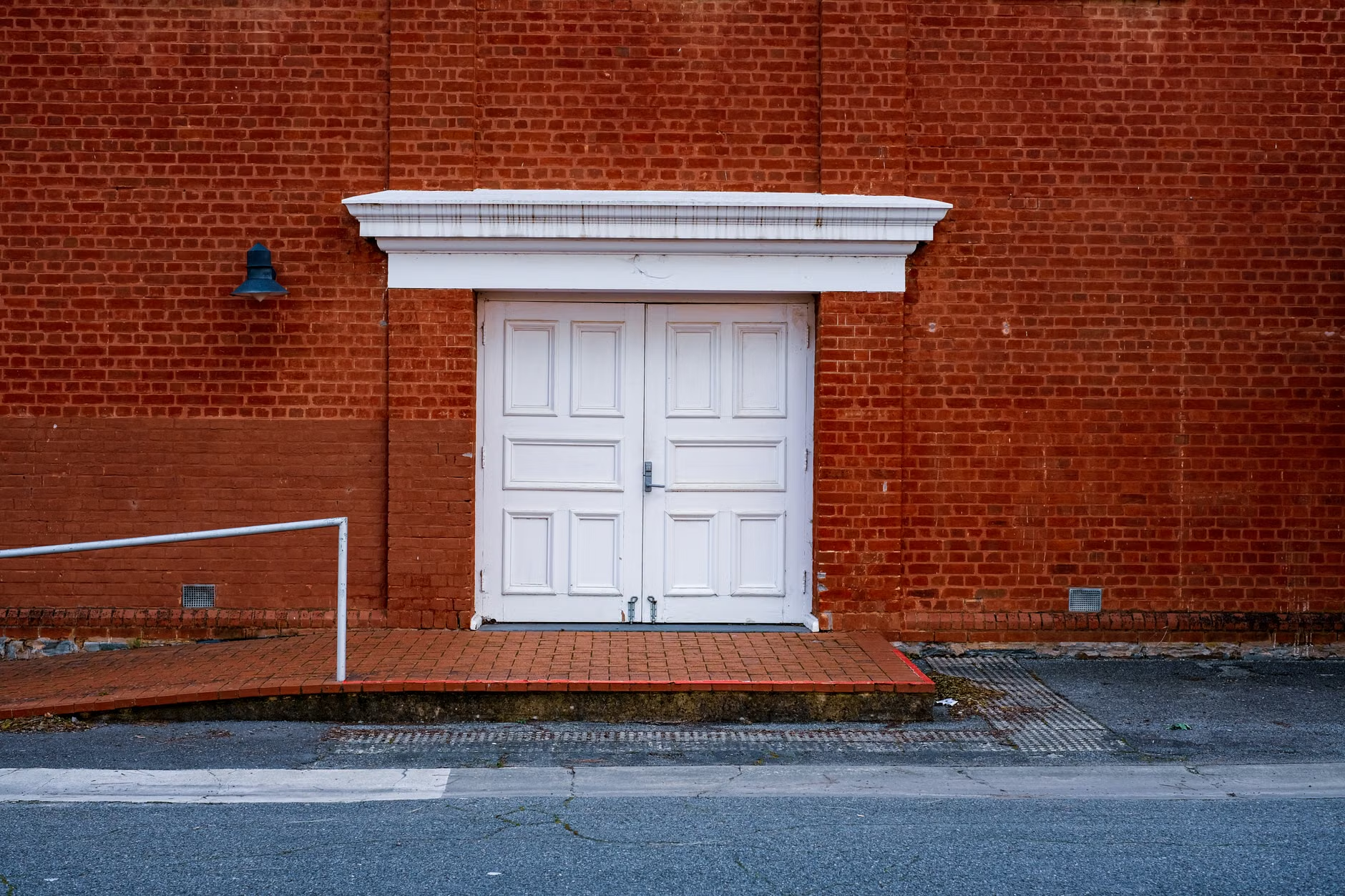
Historic buildings often feature polished marble, parquet, or stone floors. These can be incredibly slippery, especially in wet weather. Furthermore, the lighting in historic reading rooms is often kept intentionally dim to preserve the paper of the books. This poses a significant trip-and-fall risk for older adults who may have slower visual adaptation to light changes.
Practical Safety Steps
- Footwear: Wear shoes with high-traction, non-slip rubber soles. Avoid heels or smooth-soled dress shoes.
- Visual Adjustment: When moving from a bright lobby into a dim reading room, stop at the entrance for 30 seconds to allow your eyes to adjust. Do not attempt to walk while your eyes are still adjusting.
- Medication and Hydration: Many of these buildings do not allow water bottles inside the actual book stacks. Ensure you are well-hydrated before entry and carry your essential medications in a small, easily accessible bag that meets the library’s security requirements.
Warning Sign: If you find yourself holding onto walls or furniture for balance as you walk through a room, you have reached your limit. Many libraries have benches in the main atrium. Do not hesitate to use them to recover your strength before continuing.
Maximizing the Experience: Digital Tools and Pre-Arrival Preparation
Modern technology has made historic travel significantly more manageable. Before you leave home, take these steps to ensure a smooth visit:
- Check the “Visitor Access” Page: Do not just look at the home page. Search for “[Library Name] accessibility guide.” Official sites (e.g., British Library Accessibility) provide detailed information on elevator dimensions and wheelchair availability.
- Download the App: Many libraries now have apps that provide self-guided audio tours. This allows you to explore at your own pace, stopping for a rest whenever you need it, rather than keeping up with a fast-paced group.
- Call Ahead: If you have specific concerns—such as needing a chair during a tour or requiring a specific entrance—call the visitor services desk. They are often happy to arrange for a staff member to meet you at a specific, easier-to-access entrance.
The Overlooked Variable: Humidity and Temperature
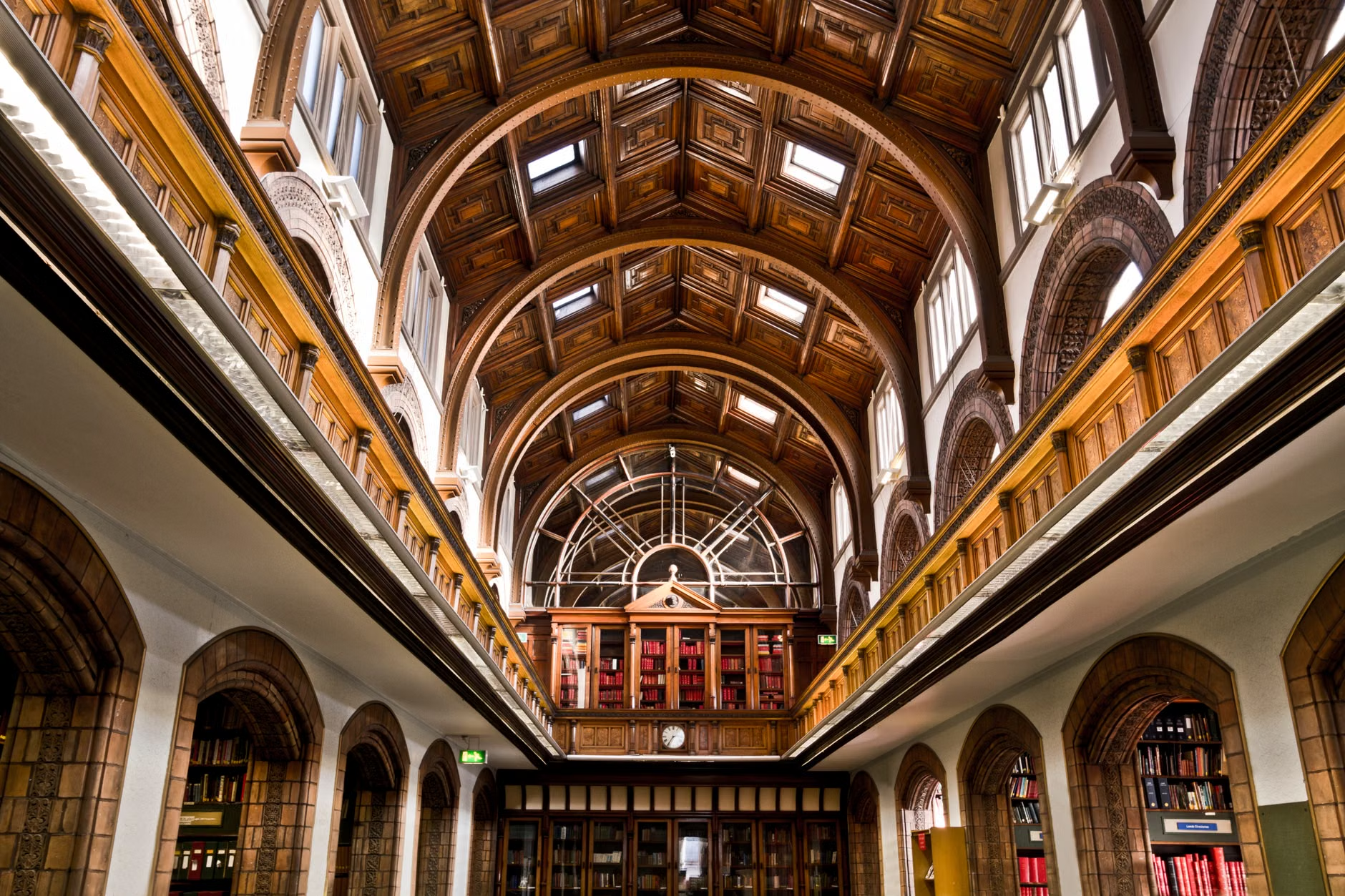
Historic libraries are often climate-controlled to protect books, not people. This means the temperature is frequently set much lower than you might expect (often around 18°C or 64°F) to prevent mold growth. This can be jarring if you are visiting in the summer. Always dress in layers so you can adjust your comfort level without needing to leave the building.
Conclusion: Designing Your Perfect Visit
Visiting a historic library is a rewarding endeavor that connects you to the intellectual history of humanity. By prioritizing your physical needs, verifying accessibility details well in advance, and choosing tours that respect your pace, you can enjoy these magnificent spaces without the stress of logistical failure. Remember: the goal is to appreciate the architecture and the history, not to see every single shelf. Focus on the highlights, take frequent breaks, and ensure that your visit is defined by the books and the beauty, not by physical exhaustion.
Frequently Asked Questions (FAQ)
1. Are most historic libraries free to enter?
Many historic libraries offer free access to their main halls or exhibitions, but “behind the scenes” tours or specific archival visits usually require a ticket and advance booking. Always check the official website for pricing and reservation requirements, as popular tours can sell out weeks in advance.
2. Can I bring my cane or a portable folding stool?
Most libraries permit canes and walking sticks. However, portable folding stools are subject to individual library security policies. Some consider them a safety hazard or an obstruction. If you have a mobility aid you intend to use, it is best to email the library’s visitor services department a few days before your visit to confirm their specific policy.
3. What should I do if I feel overwhelmed by the size of the library?
If you feel fatigued or overwhelmed, look for the “Visitor Information” or “Help” desk immediately. These staff members are trained to assist visitors with accessibility needs and can often direct you to the nearest exit, a quiet seating area, or even provide a wheelchair for the remainder of your stay if they have them available for loan.
Note: This guide is intended for informational purposes. Always consult the specific official website of the library you plan to visit, as policies regarding accessibility, security, and tours can change based on local regulations and building maintenance schedules.