- The 2026 standards prioritize “warm-spectrum” lighting and “glare-free” optics, which significantly reduce visual discomfort and improve depth perception for those aged 60-80.
- Local municipalities are beginning to audit park infrastructure; residents can request “lighting audits” to identify high-risk, unlit areas in their local parks.
- Uniform lighting distribution is now favored over high-intensity spotlights to prevent “strobe-like” visual fatigue and disorienting shadows.
The Shift Toward Age-Inclusive Urban Infrastructure
As of early 2026, a significant shift in urban planning is taking place globally. International bodies, including the World Health Organization (WHO) through its Global Network for Age-friendly Cities and Communities, have updated their recommended technical specifications for public space illumination. These standards are not merely about brightness; they are about the quality and distribution of light to support the changing visual needs of older adults.
For individuals aged 60 to 80, the eye undergoes physiological changes that affect how we perceive light, contrast, and glare. By 2026, cities adopting these standards are moving away from the harsh, blue-tinted high-intensity discharge (HID) lamps of the past toward “smart” LED systems that provide consistent, warm-spectrum, and glare-reduced illumination. This article explains what these changes mean for your daily walks, your safety, and how you can engage with your local council to ensure these standards are met in your neighborhood.
Why Traditional Lighting Often Fails Older Pedestrians
To understand why the 2026 standards are necessary, we must first look at the common issues with older lighting systems. Most parks built in the late 20th century relied on “spot-lighting,” where tall poles cast bright circles of light surrounded by deep pools of darkness. For an older adult, this creates two major safety risks:
- Adaptation Time: As we age, the pupils become smaller, and the lens becomes less transparent. Moving from a bright patch of light to a dark shadow forces the eye to adjust constantly, which can lead to a loss of depth perception—a leading cause of trips and falls.
- Disability Glare: High-color-temperature LED lights (the “cool white” or “blue” lights) scatter more easily inside the eye. This creates a “veiling glare” that makes it nearly impossible to distinguish between a flat path and a small curb or uneven pavement.
The 2026 standards mandate “Full Cut-off” fixtures. These fixtures ensure that light is directed downward onto the path, not outward into the eyes of pedestrians or into the sky. This eliminates the “blinding” effect that occurs when walking toward a poorly shielded street lamp.
What the 2026 Standards Look Like in Practice
If you visit a park that has been retrofitted to meet the 2026 standards, you will notice specific, intentional design choices. These are not aesthetic luxuries; they are functional safety requirements.
1. Uniformity Over Intensity
The new standards require a high “Uniformity Ratio.” Instead of bright spots and dark gaps, the path will be lit evenly. This means that even if the light level is lower overall, the lack of contrast makes it easier for the brain to process the terrain. You will find that you no longer need to “scan” the ground as intensely because the path appears as a continuous, predictable surface.
2. Warm-Spectrum Lighting (2700K – 3000K)
The 2026 guidelines push for “warm” light (measured in Kelvins). Cool, blue-heavy light is harsh on the aging retina. Warm lighting, which mimics the color of late-afternoon sun, provides better color rendering. This is crucial for identifying obstacles—such as a brown leaf on a grey path—that might otherwise blend into the background.
3. Low-Level Bollard Lighting
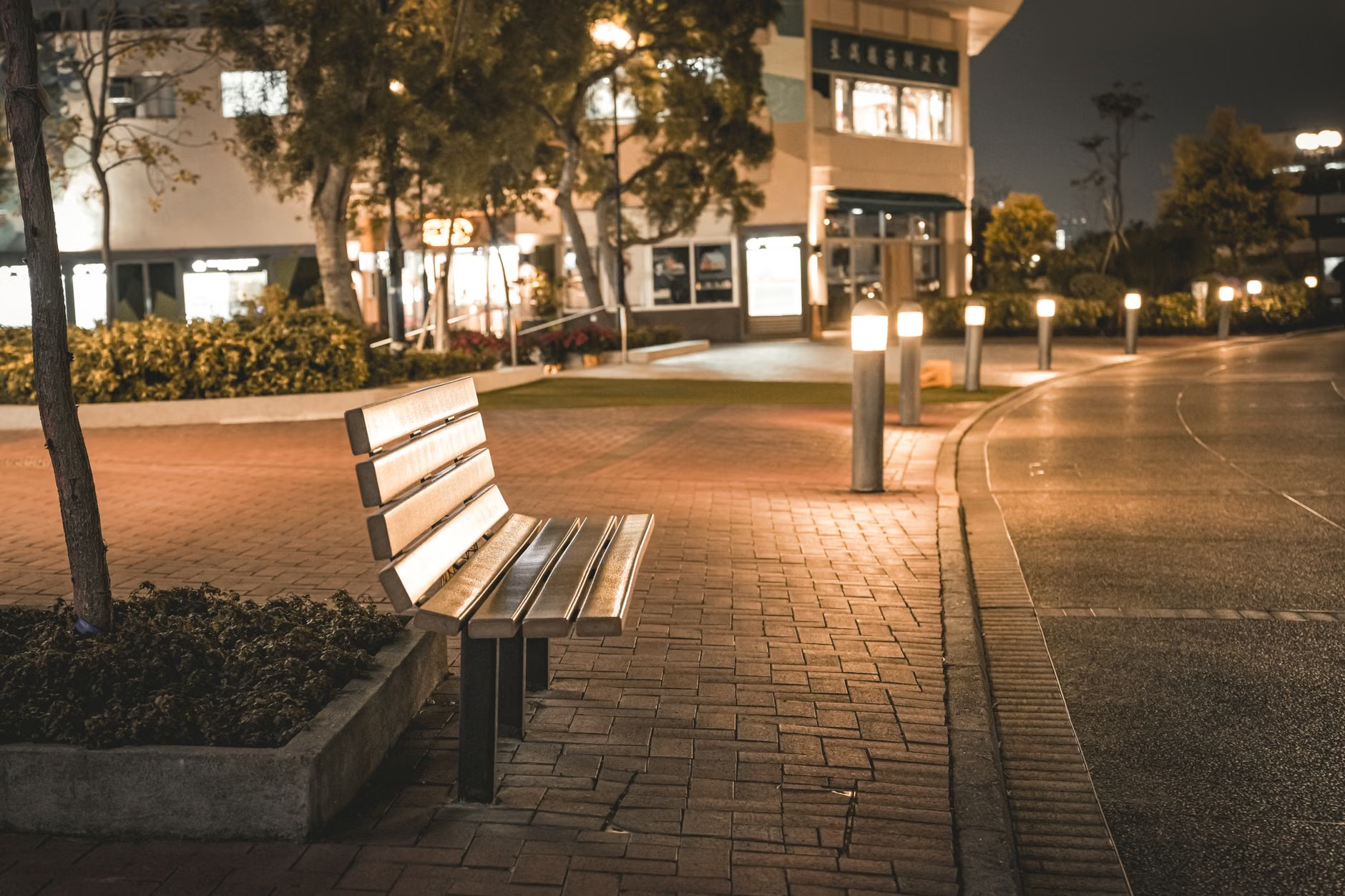
In addition to overhead lights, many parks are installing bollard lights (short, waist-high posts) along the edges of paths. These illuminate the ground directly at the feet of the walker. For those using walking aids, this is a game-changer, as it highlights the edges of the path clearly, preventing the user from straying into soft soil or grass.
Comparing Lighting Types: What to Look For
| Feature | Old Lighting (Pre-2026) | New Age-Friendly Lighting |
|---|---|---|
| Light Color | Cool/Blue (4000K+) | Warm (2700K – 3000K) |
| Glare Control | Minimal (exposed bulbs) | High (shielded/cut-off) |
| Distribution | Spotty/Uneven | Uniform/Continuous |
| Primary Goal | Energy saving/Vandalism deterrence | Pedestrian safety/Accessibility |
The table above highlights that while older lighting was often designed for general security (deterring crime), the 2026 standards prioritize pedestrian safety. If you live in an area where the lighting feels harsh or creates “black holes” on the path, you are experiencing the limitations of the older, security-focused model.
You do not have to wait for your city to renovate every park. There are proactive steps you can take to assess and improve your local environment.
- Conduct a “Twilight Walk” Audit: Visit your local park 30 minutes after sunset. Take a notebook. Note down areas where you feel hesitant to walk because of poor visibility. Are there corners where the light stops abruptly? Is the signage hard to read?
- Identify “High-Risk” Junctions: Stairs, steep slopes, and bridge crossings are the most dangerous spots in low light. If these areas lack dedicated, high-contrast lighting, they should be your priority for reporting.
- Contact Your Local Council/Municipality: Most cities have an “Age-Friendly City” coordinator or a Parks and Recreation department. When you reach out, don’t just say “it’s dark.” Use specific language: “The lighting at [Park Name] does not meet current visibility standards for older adults due to high glare and poor uniformity. Can you confirm if this park is scheduled for a lighting audit?”
Hidden Nuances: The Trade-off Between Ecology and Safety
One overlooked factor in the 2026 standards is the balance between human safety and local ecology. Many parks are now using motion-sensitive lighting. While this saves energy and protects nocturnal wildlife, it can be startling for an older adult if the lights turn on suddenly as they approach. If you encounter motion-activated lights, be aware that there may be a one-second delay between your movement and the light activation. Always proceed with caution when entering a new, unlit zone.
Addressing Common Concerns
Some residents express concern that better lighting will lead to longer hours of operation and increased noise in parks. However, the 2026 standards focus on directional light. By using precision optics, the light is kept strictly within the park pathways and does not “spill over” into neighboring residential properties. This means you can enjoy a safer walk without the light pollution that often bothers homeowners.
The Role of Digital Public Services
Many cities are now integrating their park lighting systems with digital reporting apps. If your city has a “Report a Problem” app, look for categories like “Street Lighting” or “Public Safety.” By submitting a photo of a broken or poorly placed light, you provide the data that city planners need to justify the budget for upgrades. These digital tools are designed to be accessible, but if you find them difficult to use, your local library or senior center often has staff trained to assist with these types of civic reports.
Safety Habits for Night-Time Leisure
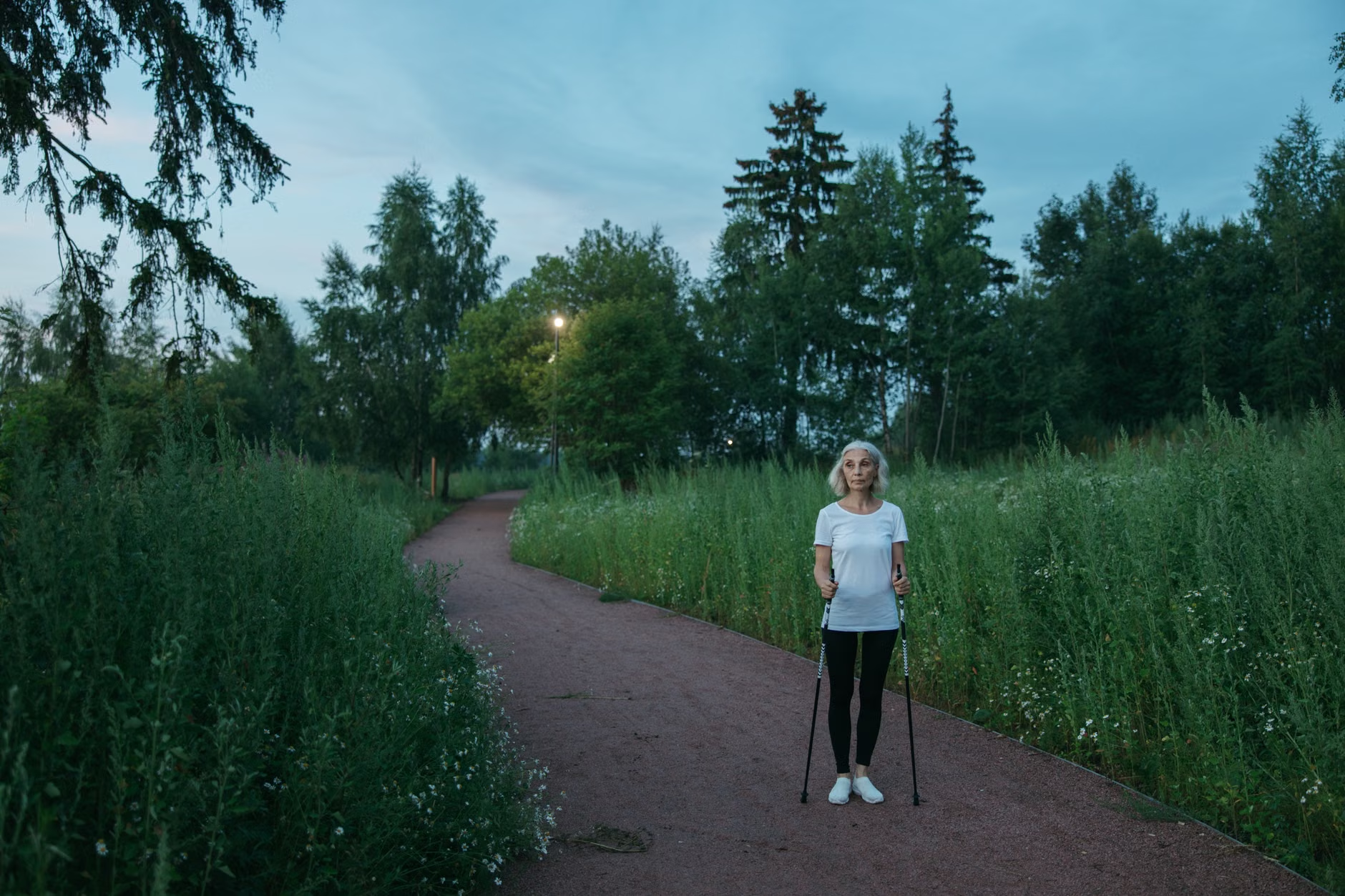
Even with perfect lighting, your own preparation is the final layer of safety. If you enjoy walking in the evening, consider these practical habits:
- Footwear Choices: Wear shoes with high-traction soles. Even on a perfectly lit path, evening dew can make surfaces slippery.
- Visibility Gear: Even in a well-lit park, wearing a small reflective strip on your jacket or bag helps other path users—such as cyclists or runners—see you clearly.
- Pace Management: If you are walking in a new area, maintain a pace that allows you to stop within one step. Do not rush to reach a destination before the park “officially” closes.
Conclusion: Advocating for a Safer Future
The transition to 2026 global lighting standards is a victory for inclusivity. It acknowledges that public spaces belong to everyone, regardless of age. By understanding the technical requirements—warm light, uniform distribution, and glare control—you are better equipped to advocate for the environments you deserve. Start by observing your local paths, reporting inconsistencies, and engaging with your community leaders. A well-lit path is not just a utility; it is the bridge that keeps our communities connected and active.
Frequently Asked Questions
1. Will the new 2026 standards make parks too bright at night?
No. The 2026 standards actually prioritize “light pollution reduction.” The goal is to put the light exactly where it is needed—on the path—rather than flooding the entire area with light. You will likely find the light to be softer and more comfortable than the older, high-intensity systems.
2. How do I know if my local park is scheduled for an upgrade?
You can check your city or town’s official municipal website, usually under the “Parks and Recreation” or “Infrastructure Projects” section. Many cities publish a “Capital Improvement Plan” (CIP) that lists upcoming park renovations. If you cannot find it, a quick call to the Parks Department office is the most reliable way to get an answer.
3. Are these standards mandatory for all countries?
The 2026 standards are international guidelines (often based on CIE – International Commission on Illumination reports). While not every country adopts them as law immediately, they are increasingly being adopted into building codes and urban planning requirements globally. If your country is a member of the WHO’s Age-friendly network, they are likely working to implement these specific standards.
Official Reference: For more information on lighting standards for aging populations, consult the International Commission on Illumination (CIE) guidelines on lighting for pedestrians and the WHO Global Network for Age-friendly Cities and Communities.