- Prioritize “Level Access”: Before visiting, use satellite imagery or accessibility-focused apps to confirm that the transition from the plaza cobblestones to the cafe floor is flush or ramped.
- The Restroom Rule: Always verify the location and accessibility of toilets within the cafe itself; relying on public plaza toilets can lead to unnecessary fatigue or navigation challenges.
- Strategic Pacing: Limit your plaza visits to “mid-morning” or “mid-afternoon” slots to avoid peak crowd density, which significantly reduces the risk of accidental jostling and ensures quieter service.
Historic plazas are the heart of global cities, offering a blend of architecture, local culture, and history. However, for the senior traveler, these areas—often characterized by uneven cobblestones, crowds, and older buildings—can present unique mobility challenges. Selecting the right cafe is not just about the quality of the coffee; it is about finding a “safe harbor” where you can enjoy the atmosphere without sacrificing comfort or physical well-being.
Evaluating the Physical Environment: Beyond the Curb Appeal
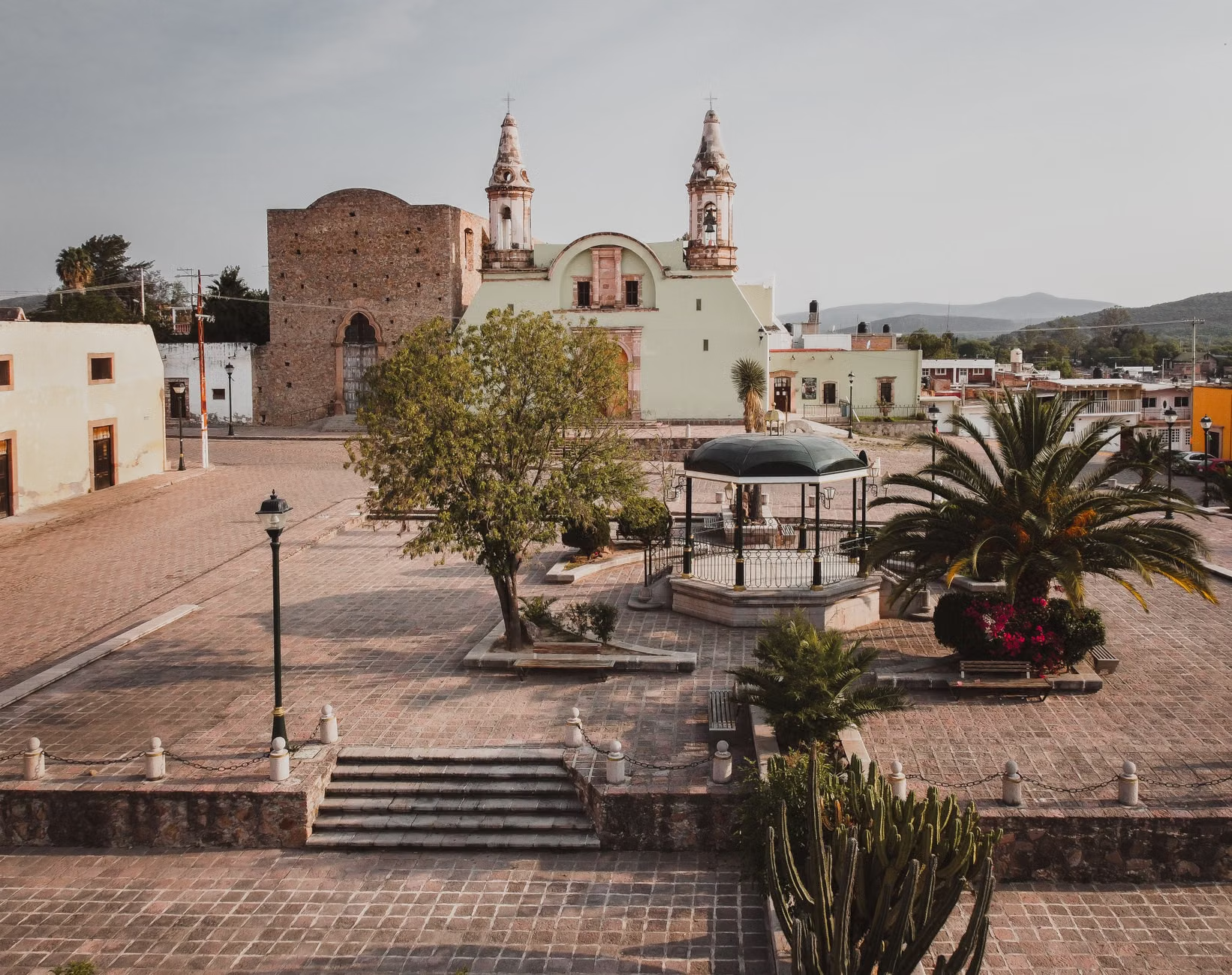
When you arrive at a historic plaza, the visual beauty can often distract from potential hazards. The first step in selecting a cafe is to evaluate the transition zone. This is the area between the public plaza and the private cafe space.
Most historic plazas use natural stone or cobblestones. While picturesque, these surfaces are notoriously difficult for those with balance issues, mobility aids, or even those prone to foot fatigue. When looking for a cafe, look for those that have invested in a smooth, level entrance. A “level entry” means there is no step up from the street to the interior. If you see a single step, check for a portable ramp or a designated side entrance.
The “Stability Check” for Seating
In historic plazas, sidewalk seating is common. However, these spaces are often cramped. When selecting a seat, perform a “stability check”:
- Chair Construction: Avoid lightweight, folding bistro chairs if you require back support or armrests. Look for solid wooden or metal chairs that offer stability.
- Surface Leveling: If the cafe is on a slope (common in hillside cities like Lisbon or Rome), ensure your table and chair are placed on a leveled section of the pavement. Do not hesitate to ask staff to move your table to a flatter area if you feel unstable.
- Space for Mobility Aids: If you use a cane, walker, or wheelchair, ensure there is sufficient “turning radius” around your table. A good rule of thumb is at least 90 centimeters (35 inches) of clearance behind your chair.
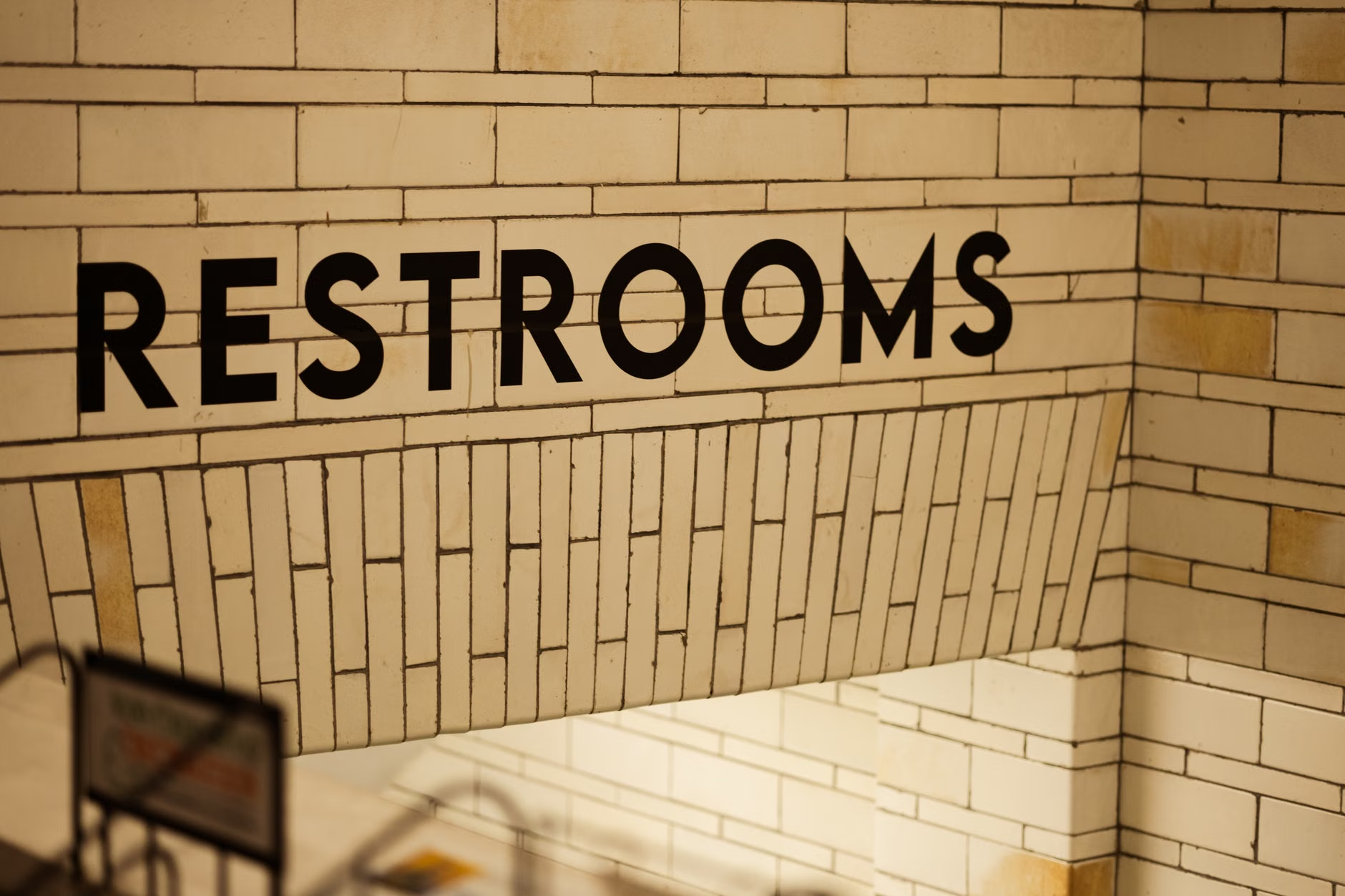
The most overlooked variable in planning a plaza visit is the availability and accessibility of restrooms. In many historic cities, cafes are located in buildings that are hundreds of years old. These buildings often have narrow, winding staircases leading to basement-level or upper-floor facilities.
The “Restroom-First” Strategy
Before ordering your drink, make it a standard practice to ask: “Is the restroom located on the ground floor, and is it accessible?” If the answer is no, you have two options:
- The Pre-emptive Search: Use a mobile application like Wheelmap or Flush to identify nearby public, accessible restrooms before you even settle into a cafe.
- The Distance Limit: If the cafe’s restrooms are inaccessible, limit your stay to 30 minutes. This prevents the “urgency factor” from becoming a source of stress.
It is important to remember that in many European and South American jurisdictions, “accessible” in a historic building may mean a ground-floor toilet, but it might not necessarily meet international ADA (Americans with Disabilities Act) standards for width and grab rails. If you have specific needs, always prioritize cafes located in renovated or modern buildings facing the plaza rather than the oldest, most “authentic” ones, which are often exempt from modern accessibility codes.
Managing Stamina and Crowd Density
The “energy cost” of visiting a plaza is not just the walking; it is the sensory processing of navigating crowds. For older adults, peak hours (typically 12:00 PM to 2:00 PM and 6:00 PM to 8:00 PM) can lead to overstimulation and physical exhaustion.
The “Golden Hour” Approach
Plan your visits for the “shoulders” of the day. 10:00 AM to 11:30 AM and 3:30 PM to 5:00 PM are the optimal times. During these windows:
- Staff are less rushed and more likely to assist with seating or menu explanations.
- Noise levels are significantly lower, which is critical for those with hearing aids or sensory sensitivities.
- The temperature is usually more moderate, preventing heat-related fatigue or excessive cooling.
Consider the 30-Minute Rule: If you are walking to a cafe, ensure that the total walking time does not exceed 30 minutes from your transport point (bus stop, taxi drop-off, or hotel). If the plaza is larger, use a taxi to get as close to the cafe entrance as possible, rather than walking from the perimeter of the plaza.
Digital Tools and Pre-Trip Preparation
Technology can be a powerful ally in mitigating the risks of unknown terrain. Before your trip, use Google Maps’ “Street View” feature to virtually walk the path from the nearest transit stop to your chosen cafe. This allows you to spot stairs, steep inclines, or construction zones that might not be mentioned in travel guides.
Checklist for Digital Planning
| Checklist Item | Why It Matters | Actionable Step |
|---|---|---|
| Street View Analysis | Prevents unexpected obstacles. | “Walk” the route on a computer before leaving your hotel. |
| Menu Review | Reduces stress; confirms dietary needs. | Look up the cafe’s website or social media pages. |
| Transport Drop-off | Minimizes walking fatigue. | Pin the exact cafe entrance on your map app. |
This table illustrates that preparation is not just about the destination; it is about the “journey” to the seat. By knowing exactly where you are going, you reduce the “cognitive load” of travel, allowing you to focus on the experience rather than the navigation.
Financial and Safety Considerations
When traveling, the cost of accessibility is sometimes hidden. Some cafes in prime historic locations may charge a “service fee” for outdoor terrace seating. Ensure you understand the pricing structure before ordering. Furthermore, keep your belongings secure. In crowded plazas, senior travelers can be targeted by pickpockets. Always keep your bag in your lap or hooked to the front of your chair, never on the back or on the ground.
If you are traveling with a caregiver or family member, establish a “check-in” ritual every 45 minutes. Discuss your energy levels. If you feel even slight fatigue, it is the best time to leave. Staying until you are “exhausted” makes the return journey significantly more difficult and increases the risk of falls.
Understanding Legal Protections and Standards
It is a common misconception that all historic sites must be 100% accessible. In reality, many countries have “heritage exemptions” for historic buildings. In the United Kingdom, for example, the Equality Act 2010 requires businesses to make “reasonable adjustments,” but this does not always mean a full architectural overhaul of a protected monument.
When you encounter a barrier, do not assume it is a personal failure. It is often a structural limitation of the city. If you find a cafe that is particularly accommodating, make a note of it. Many local tourism boards now provide “Accessible City Guides.” Always check the official tourism portal of the city you are visiting (e.g., VisitLondon, VisitParis) for their specific accessibility resources.
The Importance of Hydration and Nutrition
While enjoying the cafe culture, remember that traveling in historic plazas often involves more sun exposure than expected. The stone surfaces of a plaza reflect heat, increasing the ambient temperature. Drink water before you feel thirsty. If you have specific dietary needs, such as low-sodium or low-sugar options, call the cafe ahead of time. Most cafes in major historic centers are accustomed to international tourists and are happy to accommodate simple requests if made in advance.
Conclusion: The Art of the “Slow” Plaza Experience
The true joy of a historic plaza is not checking off a list of landmarks, but the ability to sit, observe, and absorb the local rhythm. By prioritizing accessibility—from the entrance threshold to the restroom location and the timing of your visit—you transform the plaza from a potential physical challenge into a highlight of your trip.
Remember that your comfort is the priority. If a cafe does not feel right, it is perfectly acceptable to walk away and find another. Your stamina is a finite resource; treat it with the same care as your passport and your budget. By planning for the “what-ifs” and focusing on the “when,” you ensure that every cup of coffee in every historic plaza is a moment of genuine leisure rather than a test of endurance.
Frequently Asked Questions (FAQ)
1. How can I verify if a historic cafe has accessible restrooms before I arrive?
The most reliable method is to call the cafe directly during their off-peak hours (usually 10:00 AM). Ask specifically: “Do you have a ground-floor restroom that is wheelchair accessible?” Do not rely on generic “accessible” labels on websites, as definitions vary significantly between countries.
2. What should I do if I find the cobblestones in a plaza too difficult to walk on?
Look for the “utility paths.” Most historic plazas have a smoother, flatter track intended for delivery vehicles or emergency access. These are often located near the edges of the plaza or along the building facades. If you are using a mobility aid, stay on these paths and avoid the center of the square where the stone is often unevenly worn.
3. Are there specific apps that help seniors find accessible travel spots?
Yes, several apps are highly recommended for international travel. Wheelmap is excellent for finding wheelchair-accessible locations globally. Flush is a reliable tool for locating public restrooms. Additionally, the Google Maps “Accessible Places” feature (which you can turn on in your settings) provides information about wheelchair-accessible entrances and parking for many businesses worldwide.
Official resources for further reading: