- Prioritize gardens that provide “Access Statements” or “Accessibility Maps” on their official websites to confirm terrain, slope gradients, and resting points before you book.
- Balance your itinerary by limiting active exploration to two-hour windows, followed by mandatory rest periods in shaded, climate-controlled, or seating-rich areas.
- Always verify the availability of “last-mile” transport, such as garden shuttles or golf carts, which can significantly reduce physical strain for those with limited endurance.
Selecting an accessible garden tour is more than just picking a beautiful destination; it is an exercise in logistical planning that prioritizes your physical stamina, mobility comfort, and overall enjoyment. For travelers aged 60 to 80, the beauty of a botanical garden can quickly be overshadowed by steep inclines, gravel paths, or a lack of accessible restrooms. This guide provides a framework for evaluating garden tours to ensure your next outing is both rewarding and physically sustainable.
Evaluating Garden Accessibility: The “Three-Point Check”
Before committing to any tour, apply the “Three-Point Check” to the venue. Most public gardens and historical estates provide this information on their “Visitor Information” or “Accessibility” pages. If this data is missing, it is a significant indicator that the site may not be optimized for senior travelers.
1. Path Surface and Gradient
Not all paths are created equal. While a brochure might describe a path as “scenic,” it may be composed of loose gravel, wood chips, or uneven cobblestones. For those using canes, walkers, or even those who simply prefer stable footing, these surfaces increase the risk of trips and accelerate fatigue.
- The Gold Standard: Smooth, firm surfaces such as asphalt, concrete, or tightly packed crushed stone.
- The Warning Sign: Phrases like “natural terrain,” “woodland trails,” or “historic stone paths” often imply significant elevation changes and uneven footing.
2. The Density of Rest Points
A garden that is beautiful but lacks seating is a garden that will force you to cut your visit short. Assess the density of benches. A high-quality, senior-friendly garden will have seating at least every 100 to 150 meters. If the garden is large, check if they offer “rest zones” that are shaded or located near water features, which provide natural cooling.
3. Transport and Mobility Support
Many world-class gardens, such as the Royal Botanic Gardens, Kew (UK) or the Desert Botanical Garden (USA), offer shuttle services. These are not merely for convenience; they are essential tools for managing physical energy. Confirm whether these shuttles are wheelchair accessible and if they operate on a fixed schedule or are available on demand.
| Feature | Senior-Friendly Standard | High-Risk Indicator |
|---|---|---|
| Path Material | Paved, flat, non-slip | Deep gravel, sand, stairs |
| Resting Intervals | Every 100-150m | Only at entrance/exit |
| Shuttle Service | Included/Available | None/Walking only |
Managing Stamina: The “Two-Hour Rule”
A common mistake when planning a garden tour is attempting to see the entire grounds in a single visit. Even for active seniors, the combination of sunlight, walking, and humidity can lead to rapid exhaustion. The “Two-Hour Rule” suggests that you plan for no more than 120 minutes of active walking before transitioning to a sedentary activity within the garden.
What does this look like in practice? If you are visiting a large botanical estate, plan your first 90 minutes for the primary attractions. Use the remaining 30 minutes to reach a visitor center, a café, or a conservatory. Once there, commit to at least 45 minutes of rest before deciding whether to continue or head to the exit. This pacing ensures that you remain within your “energy budget,” preventing the muscle soreness and fatigue that often ruin the following day of a trip.
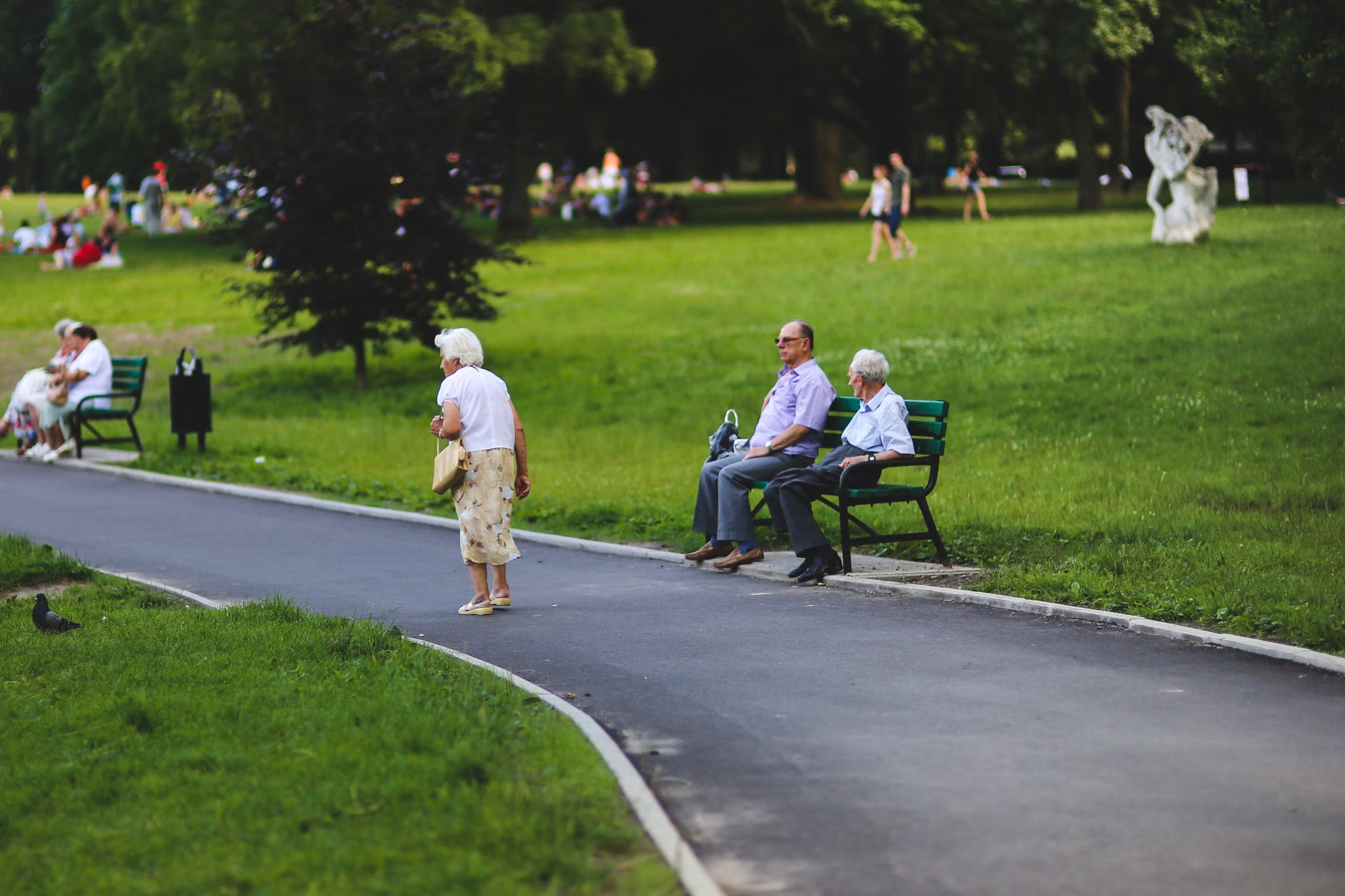
Logistical Preparations for Safety and Comfort
Safety in a garden setting is often overlooked because the environment feels peaceful. However, environmental factors such as heat and humidity can pose real risks. Always check the weather forecast for the specific micro-climate of the garden, which may be several degrees warmer or cooler than the surrounding city.
Medication and Hydration Management
If you are traveling with a chronic condition, your “travel kit” should include more than just your daily medication. Ensure you have a list of your medications in your bag, along with a copy of your most recent prescription. If you are traveling internationally, keep these in their original packaging to avoid customs issues. In terms of hydration, do not rely on the availability of kiosks. Carry a lightweight, insulated water bottle that you can refill at the entrance. Dehydration is a leading cause of confusion and dizziness in older adults, especially in outdoor environments.
Accessibility often breaks down between the parking lot and the garden gate. Research the “last-mile” of your journey. Is there a long, inclined walk from the bus stop to the entrance? Does the parking lot have designated accessible spaces near the ticketing area? If you are using a ride-sharing service, ensure the drop-off point is clearly marked as accessible. If in doubt, call the visitor center directly and ask: “Is the path from the parking lot to the main gate level and paved?”

Choosing the Right Time of Day
The best time to visit a garden is typically during the “golden hours” of the morning or late afternoon. Not only is the light better for photography, but the ambient temperature is lower, and the crowds are thinner. Avoiding the midday sun is a critical strategy for managing blood pressure and maintaining hydration. Furthermore, many gardens offer discounted or quieter access during weekday mornings, which provides a more relaxed experience without the pressure of navigating around large groups of visitors.
Advanced Planning: Utilizing Digital Resources
In the digital age, you have more information at your fingertips than ever before. Beyond the official website, use tools like Google Street View to “walk” the paths of a garden virtually. This allows you to see the incline of the paths and the general layout of the landscape. Additionally, look for “Access Statements” on official government tourism websites. For example, in the UK, many heritage sites provide detailed accessibility PDFs that describe every ramp, lift, and toilet facility in the venue. If you cannot find a digital map, do not hesitate to email the garden’s management team. A simple inquiry regarding the “steepness of the primary loop” can save you hours of frustration.
Understanding Your Personal Mobility Needs
It is important to be honest with yourself about your current mobility level. If you usually rely on a cane or a walker, do not assume a garden path will be supportive enough. Consider renting a manual or electric wheelchair if the garden provides them. This is not a sign of weakness; it is a strategic decision to conserve your energy for the parts of the garden you actually want to see. Many gardens offer these rentals at a nominal fee, and they are often maintained in excellent condition.
The “Stamina vs. Sightseeing” Trade-off
When selecting a tour, prioritize quality over quantity. A garden that has a dedicated “easy access” loop is infinitely better than a massive estate that requires trekking through rugged terrain to see the main attractions. Look for gardens that have consolidated their most popular features near the entrance. This allows you to experience the highlights without the physical toll of a full-day hike.
Beyond the Obvious: Hidden Variables
One overlooked variable is the availability of accessible restrooms. A garden might be beautiful, but if the only accessible restroom is at the entrance and you are two kilometers away, your trip will be stressful. Always check the restroom map before you start your tour. Another factor is the presence of “choke points”—narrow paths or bridges that become congested during peak hours. If you suffer from anxiety or simply prefer a calm environment, aim to arrive exactly at the opening time to avoid these bottlenecks.
Conclusion
The key to a successful senior-friendly garden tour is proactive management. By researching path surfaces, identifying rest points, and adhering to your own energy limits, you can transform a potentially exhausting outing into a restorative experience. Remember that the goal is to enjoy the natural beauty, not to complete a marathon. Choose gardens that value accessibility as a core feature, and never be afraid to ask for clarification on the logistics before you travel. With the right preparation, nature becomes a source of rejuvenation rather than a source of stress.
Frequently Asked Questions
1. How can I determine if a garden tour is truly accessible before I book?
Look for an “Accessibility” or “Visitor Information” tab on the garden’s official website. Search for keywords like “ADA compliant,” “wheelchair accessible,” or “level paths.” If the information is vague, call the visitor center and ask specifically about the path surface (e.g., “Is it gravel or pavement?”) and the distance between seating areas.
2. What should I include in my travel bag for a garden tour?
Pack a lightweight, insulated water bottle, a folding sun hat, sunscreen, a list of your medications, and a small, portable seat or cushion if you are concerned about bench availability. If you use a mobility aid, ensure you have a small kit for minor repairs, such as extra rubber tips for a cane.
3. Are there specific times of the year that are better for senior garden visitors?
Spring and autumn are generally the best times. During these seasons, temperatures are moderate, reducing the risk of heat-related exhaustion. Additionally, these periods often avoid the peak summer tourist crowds, making paths easier to navigate and seating more readily available.
Official resources for travel accessibility can be found through your local tourism board or national disability advocacy groups, such as Disabled Access Day (UK/Global) or the Americans with Disabilities Act (ADA) guidelines for public spaces in the United States.