- Foot dexterity is a foundation for balance: Strengthening the small muscles in your feet helps you react to uneven surfaces and reduces the risk of trips and falls.
- Consistency over intensity: Performing seated toe-curls for just 5–10 minutes daily is more effective for maintaining foot health than infrequent, high-intensity workouts.
- Integration into daily life: You can perform these exercises while watching television, reading, or sitting at your desk, making them an easy habit to maintain without dedicated gym time.
The health of your feet is the primary determinant of your mobility and independence. As we age, the intrinsic muscles of the feet—the small muscles that control toe movement and arch stability—can weaken, leading to a loss of dexterity and a compromised gait. Seated toe-curls are a simple, low-impact, and highly effective preventive measure to maintain the strength and flexibility required to navigate the world safely.
Understanding the Role of Foot Dexterity in Daily Balance
Many people associate balance with the core or the legs, but the foot is the first point of contact with the ground. When your feet are strong and dexterous, they act as an intelligent sensory organ, constantly adjusting your body position to keep you upright. If the muscles responsible for toe flexion and extension become weak or rigid, your ability to “grip” the ground decreases, which often leads to a shuffling gait or a greater reliance on visual cues to maintain balance.
What we call “foot dexterity” is the ability to move your toes independently and effectively. This capability allows you to adjust your weight distribution when stepping on uneven surfaces, such as cobblestone paths, thick rugs, or slightly slanted sidewalks. By practicing seated toe-curls, you are essentially training the fine motor skills of your feet, which translates directly to better stability during walking.
Why Seated Exercises Are Ideal for Older Adults
Seated exercises provide a safe, controlled environment where the risk of falling is virtually non-existent. For adults aged 60 to 80, the primary goal of any exercise program is to build resilience without causing unnecessary strain on the joints. When you perform toe-curls while seated, you eliminate the need to balance on one leg, allowing you to focus entirely on the activation of the small muscles underneath the arch and around the toes.
Furthermore, seated exercises are highly accessible. They do not require specialized gym equipment, expensive memberships, or significant preparation. You can perform these movements while sitting at your dining table, in your favorite armchair, or even while waiting for a digital appointment on your computer. This low barrier to entry is essential for building a long-term habit.
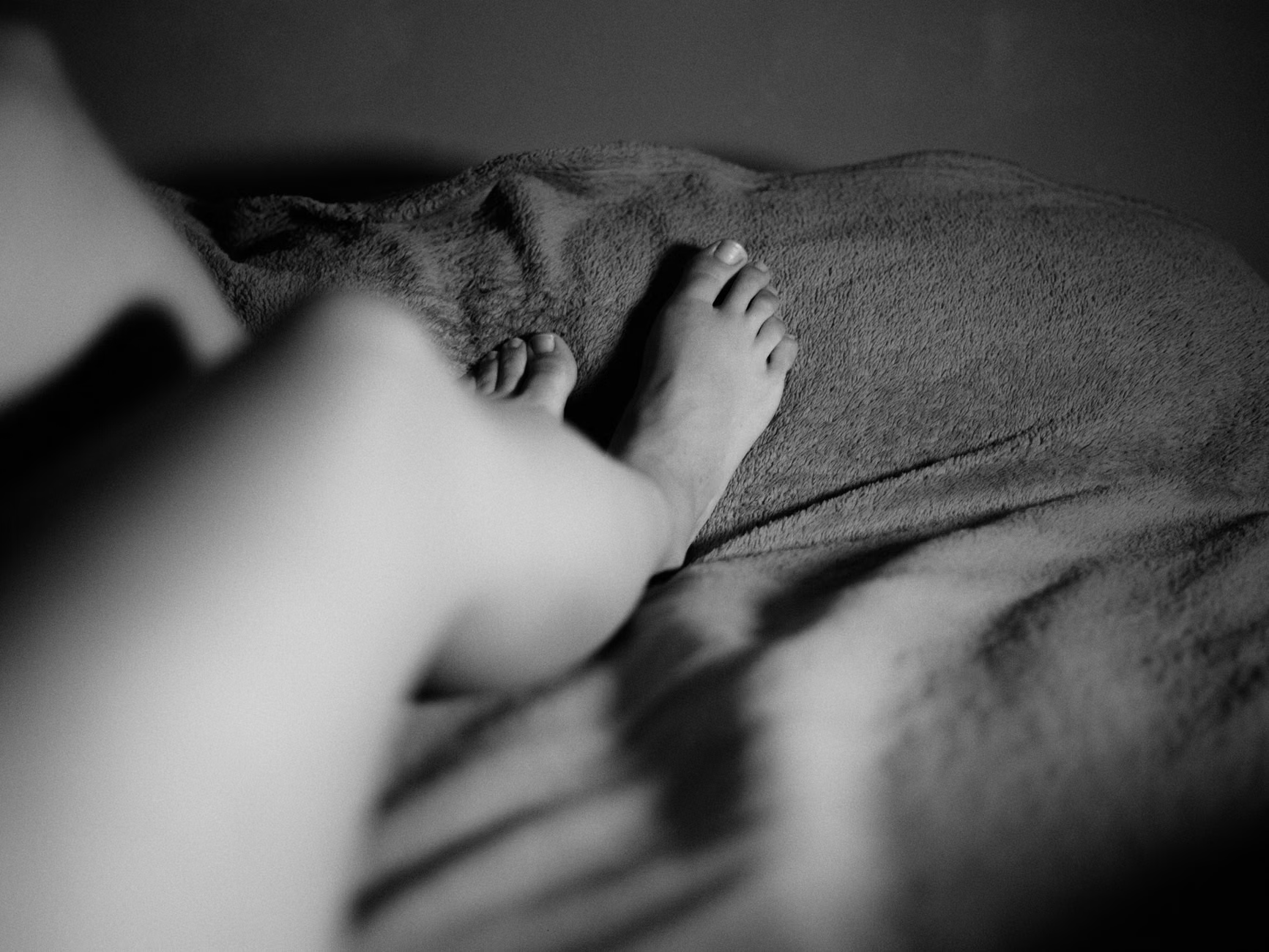
The Mechanics of a Proper Toe-Curl: A Step-by-Step Guide
To gain the benefits of toe-curls, it is important to focus on the quality of the movement rather than the speed. The goal is to isolate the muscles of the foot, not to engage the entire leg or calf.
- Positioning: Sit in a sturdy chair with your back supported. Ensure your feet are flat on the floor, hip-width apart. Avoid chairs that are too low, as this can strain the hips.
- The Setup: Remove your shoes. You can perform this exercise barefoot or in thin socks, depending on the surface of your floor.
- The Curl: Slowly curl your toes inward, as if you are trying to grasp the floor or a piece of paper with your toes. Focus on the sensation of the arch of your foot lifting slightly as you pull your toes toward your heel.
- The Hold: Hold the curled position for 3 to 5 seconds. You should feel the muscles on the bottom of your foot working.
- The Release: Slowly spread your toes out as wide as you can, then relax the foot.
Common Mistake: Many beginners make the mistake of curling their ankles or lifting their heels. Ensure your heels remain firmly planted on the ground throughout the entire movement. If you find yourself curling your entire foot, slow down and focus on moving only the toes.
Progression: Adding Resistance for Greater Strength
Once you are comfortable with the basic movement, you can introduce resistance to build stronger muscles. A common technique is the “towel curl.” Place a small hand towel flat on the floor in front of you. While seated, use your toes to scrunch the towel toward you, then use your toes to push it back away. This provides tactile feedback and increases the workload on your foot muscles.
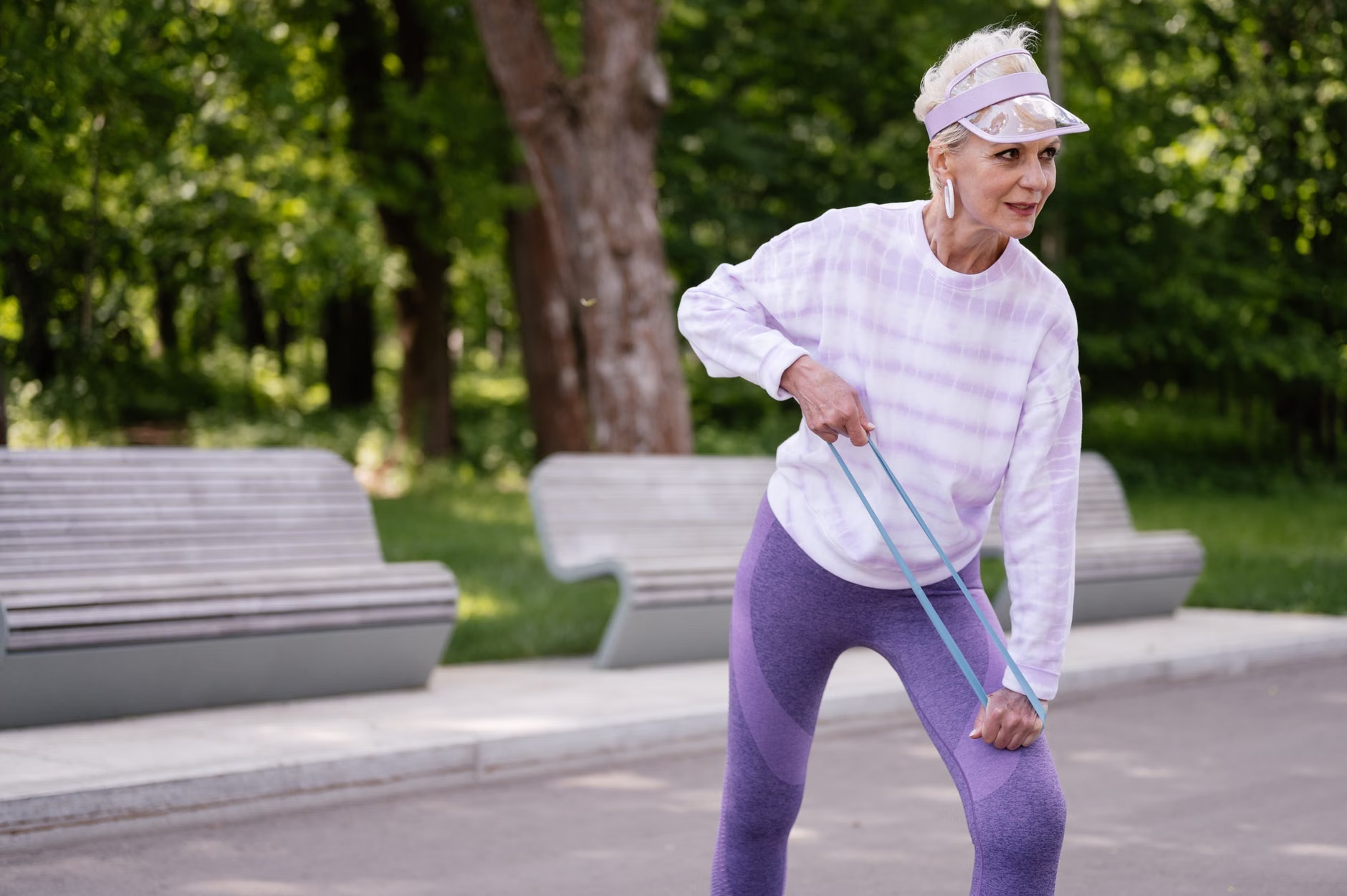
Another option for those looking to increase intensity is using a soft resistance band. By looping a light-resistance band around the ball of your foot and holding the ends with your hands, you can create a gentle tension that your toes must work against as you curl. This is particularly useful for individuals who want to improve their foot strength for specific tasks, such as hiking or walking longer distances during travel.
Integrating Foot Care into Your Daily Routine
The success of any preventive health routine lies in its integration into your daily life. It is not necessary to set aside a specific “workout hour.” Instead, try to “habit-stack” these exercises by performing them during activities you already do every day.
| Time of Day | Activity | Toe-Curl Routine |
|---|---|---|
| Morning | Drinking coffee/tea | Perform 10 curls per foot while sitting at the table. |
| Afternoon | Reading or checking emails | Do 3 sets of 10 repetitions during your reading session. |
| Evening | Watching the news | Use a towel for 5 minutes to practice “towel curls.” |
This table illustrates how easily these movements can be woven into a busy schedule. By breaking the exercise into smaller segments, you prevent muscle fatigue while ensuring that your feet receive consistent stimulation throughout the day.
Managing Expectations: What to Expect in the First Few Weeks
When you start a new exercise, it is normal for the muscles to feel slightly tired or even experience minor cramping. This is simply a sign that these muscles have been underutilized. If you experience a cramp, stop immediately, stretch the foot gently by pulling the toes back toward your shin, and take a break. Do not force the movement.
Consistency is key. You will likely not notice a significant change in your balance overnight. However, after four to six weeks of daily practice, many people report a greater sense of “grounding” and stability when they walk. This subtle improvement is exactly what prevents slips and trips in the long term.
When to Seek Professional Guidance
While seated toe-curls are a safe, low-risk activity, they are not a substitute for professional medical care if you have underlying foot conditions. If you experience persistent pain, numbness, or tingling in your feet, it is essential to consult with a podiatrist or a physical therapist. These symptoms can be indicative of conditions such as peripheral neuropathy, plantar fasciitis, or nerve compression, which require professional diagnosis and management.
When preparing for an appointment with a foot specialist, it is helpful to keep a brief log of your symptoms. Note when the pain occurs, what activities make it better or worse, and whether you have noticed any changes in your balance or gait. Bringing this information to your professional helps them understand your specific situation and provide targeted advice rather than generic recommendations.
If you are currently under the care of a physician for diabetes, it is particularly important to discuss any foot exercise program with them first. Diabetes can affect sensation in the feet, and you must ensure that any exercise you perform does not cause skin irritation or blisters that you might not feel immediately.
Advanced Considerations for Long-Term Foot Health
Beyond simple toe-curls, maintaining foot health involves a holistic approach to your environment and footwear. Many of the issues that affect foot dexterity in older adults are exacerbated by footwear that is too tight, too stiff, or lacks proper support. The goal of your daily footwear should be to provide enough protection while allowing your toes to spread naturally.
A often overlooked variable is the importance of “barefoot time” at home. While it is important to be careful on slippery surfaces, walking barefoot on safe, clean, and flat surfaces like carpet or wood floors can help keep the intrinsic muscles of the feet active. If you feel unsteady, consider wearing socks with non-slip grips. This allows your feet to sense the floor better than thick-soled house shoes, which can sometimes “numb” the sensory feedback your brain receives from your feet.
Another factor is the influence of hydration and nutrition on muscle health. While there is no “magic pill” for foot strength, staying hydrated ensures that your muscle tissues remain elastic, and consuming adequate protein supports the muscle maintenance that is critical as we age. For more information on maintaining physical independence through nutrition and movement, you may consult the National Institute on Aging (NIA), which provides evidence-based resources for healthy aging.
Conclusion: The Path to Stable Mobility
Preventive health is not about grand gestures; it is about the small, consistent actions we take every day to preserve our functionality. Seated toe-curls offer a practical, accessible, and effective way to maintain the dexterity and strength of your feet. By dedicating just a few minutes each day to these simple movements, you are investing in your long-term mobility and independence.
Remember that the goal is progress, not perfection. Start slowly, listen to your body, and integrate these exercises into your routine in a way that feels natural and sustainable. As your foot dexterity improves, you will likely find that you feel more confident and stable in your daily movements, whether you are walking in your home, gardening, or traveling to new destinations.
Frequently Asked Questions
1. Can I do toe-curls if I have arthritis in my feet?
Yes, but you should proceed with caution. If you have arthritis, focus on gentle range-of-motion movements rather than intense strengthening. If the movement causes pain, stop immediately and consult your doctor or a physical therapist who can provide modifications tailored to your specific joint health.
2. How long does it take to see results?
Most individuals begin to notice an improvement in foot sensation and muscle engagement after about 4 to 6 weeks of daily practice. Remember that the goal is long-term maintenance rather than a quick fix, so view this as a permanent addition to your daily health routine.
3. Should I wear shoes while doing these exercises?
It is recommended to perform these exercises barefoot or in thin socks. Shoes, especially those with rigid soles or arch supports, restrict the movement of the toes and prevent the muscles from working through their full range of motion. Only perform them in shoes if your doctor has explicitly advised you to keep your shoes on for medical reasons.