Key Takeaways
- Functional Strength: Tricep strength is essential for daily activities like pushing yourself up from a chair, opening heavy doors, or reaching for high shelves.
- Safety First: The seated elbow-extension is a low-impact, joint-friendly exercise that minimizes the risk of falls compared to standing alternatives.
- Consistency Over Intensity: For older adults, building muscular endurance through regular, controlled repetitions is more effective and sustainable than lifting heavy weights.
Maintaining upper body strength is a cornerstone of aging with independence. While much focus is often placed on leg strength for mobility and fall prevention, the triceps—the muscles located on the back of the upper arm—play a critical role in our daily functional autonomy. Whether you are pushing yourself off a sofa, adjusting a window, or reaching into a high cupboard, your triceps are the primary movers involved in extending your elbow. As we move into our 60s, 70s, and beyond, preserving this strength helps mitigate the impact of sarcopenia, the age-related loss of muscle mass, and ensures that you remain capable of managing your environment without assistance.
The Anatomy and Function of the Triceps in Daily Life
The triceps brachii is a three-headed muscle that covers the back of the upper arm. Unlike the biceps, which flex or bend the arm, the triceps are responsible for extension—straightening the arm at the elbow joint. In a younger person, this muscle is often associated with aesthetic goals, but for an adult aged 60 to 80, its purpose is strictly functional.
Consider the act of rising from a seated position. When you place your hands on the armrests of a chair and push yourself up, your triceps are performing a weight-bearing extension. If these muscles are weakened, you may find yourself relying more on your momentum or your lower back to compensate, which increases the strain on your spine and knees. By targeting the triceps through controlled, seated movements, you are essentially training your body to perform these “pushing” actions more efficiently and safely.
Why Seated Elbow-Extensions are Ideal for Older Adults
Exercise selection is crucial for the 60-80 demographic. Standing exercises, while beneficial for balance, can sometimes introduce unnecessary instability. The seated elbow-extension offers several distinct advantages:
- Stability: By sitting on a stable, chair-back-supported seat, you remove the need to focus on balance, allowing you to isolate the tricep muscle completely.
- Joint Protection: Seated movements place less sheer force on the ankles and knees, making them suitable for those with arthritis or minor mobility limitations.
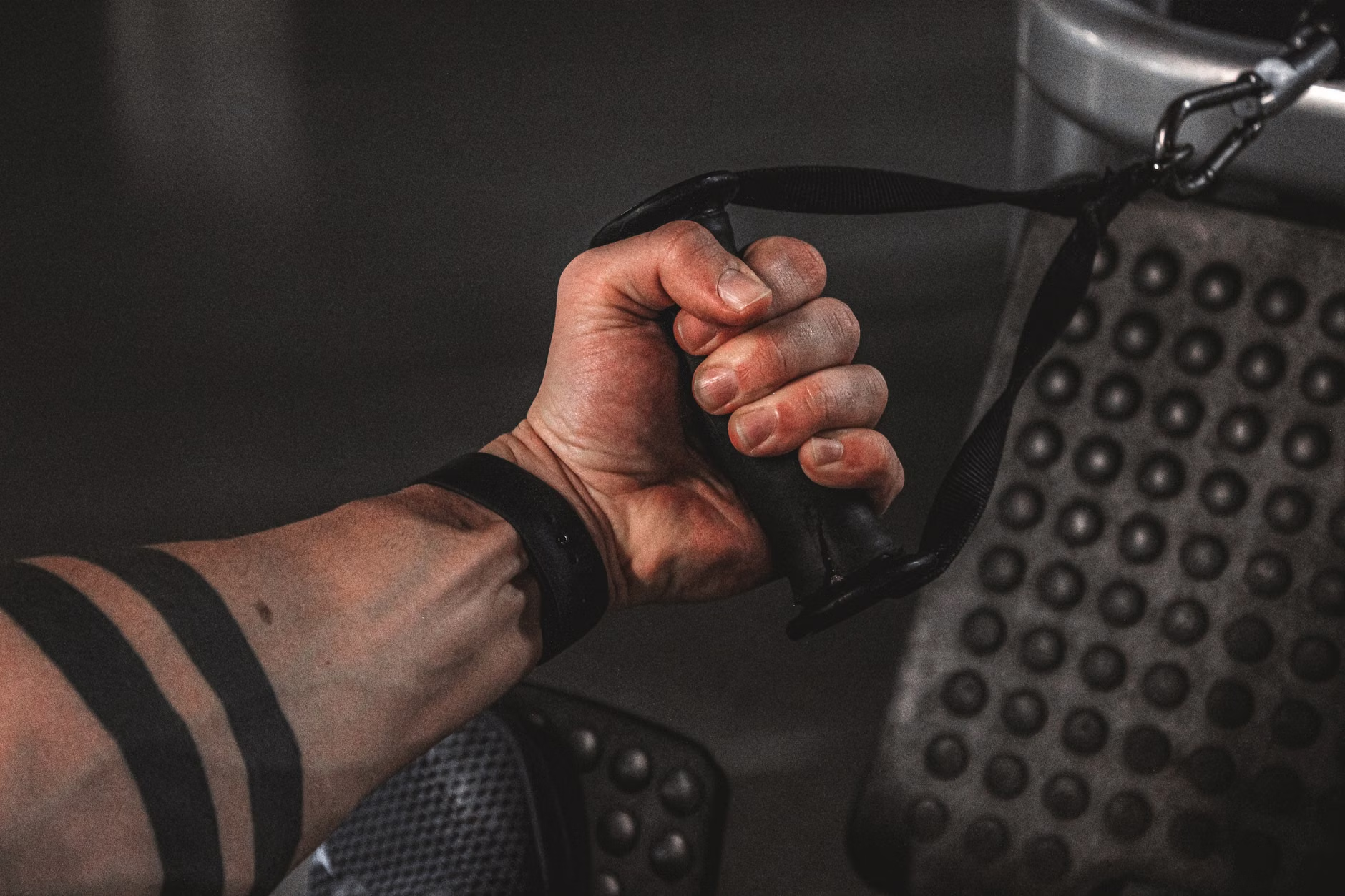
- Scalability: You can easily adjust the intensity by changing the resistance level of a band or the weight of a small dumbbell, making it a highly customizable movement.
Preparing for Your Exercise Routine
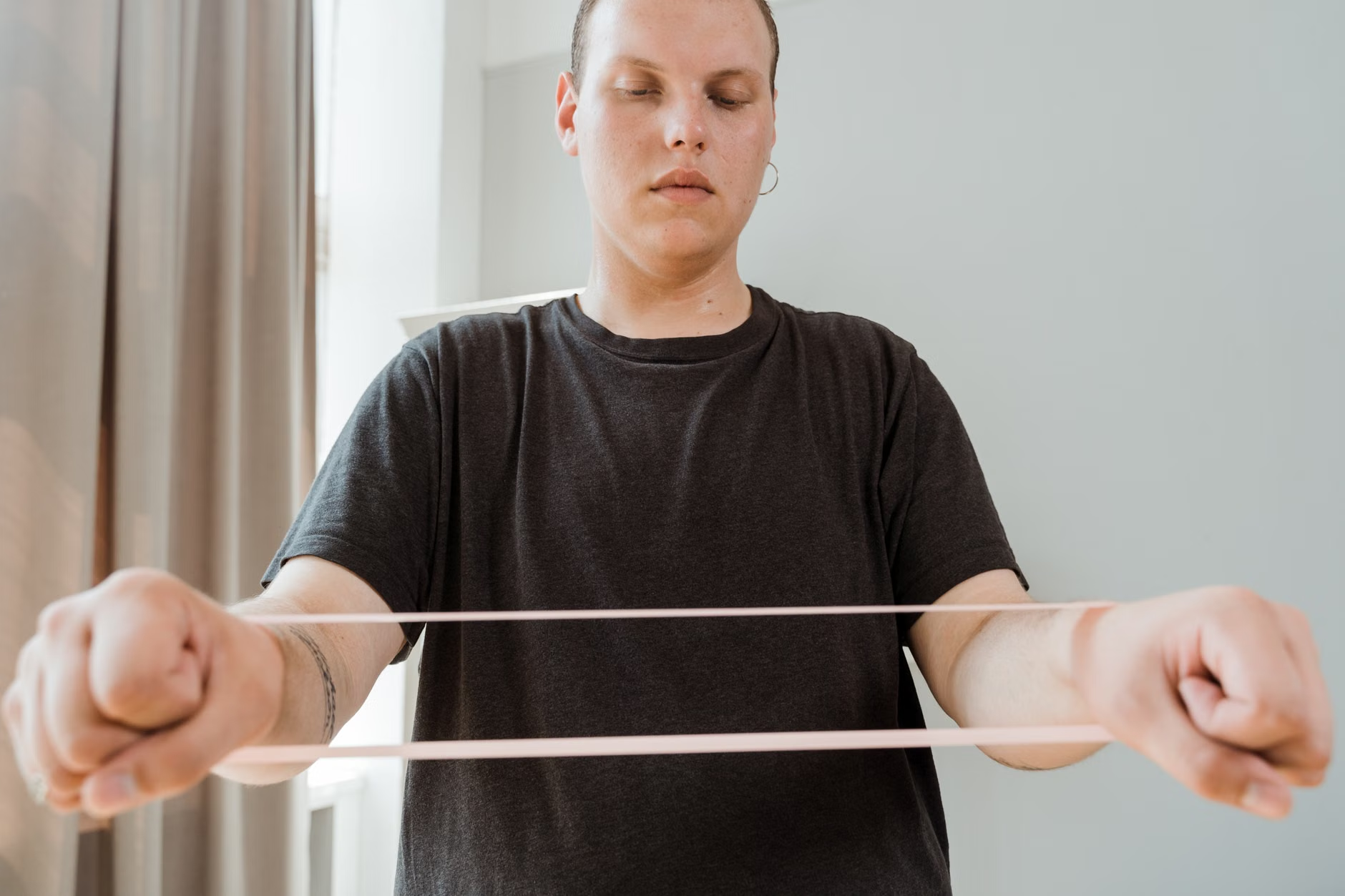
Before beginning any new strength program, it is important to ensure you have the right environment and equipment. A “home gym” for this exercise does not need to be elaborate. You need a sturdy, armless chair (or one where the arms do not obstruct your movement) and a light resistance band or a pair of light dumbbells (1–3 lbs or 0.5–1.5 kg to start).
| Equipment | Pros | Best For |
|---|---|---|
| Resistance Bands | Lightweight, gradual tension | Beginners, those with joint pain |
| Light Dumbbells | Consistent, measurable weight | Tracking progress, building density |
Step-by-Step Guide to the Seated Overhead Extension
The overhead tricep extension is one of the most effective ways to isolate the muscle. Follow these steps to ensure you are performing it with proper form:
- The Setup: Sit upright in a sturdy chair with your feet flat on the floor, hip-width apart. Engage your core by pulling your belly button slightly toward your spine. This protects your lower back.
- The Position: Hold your chosen weight or band handle in one hand. Reach that arm straight up toward the ceiling. Use your opposite hand to gently support the elbow of the lifting arm, keeping it close to your ear.
- The Movement: Slowly bend your elbow, lowering the weight behind your head. Keep your upper arm (the part between your shoulder and elbow) as still as possible. Only your forearm should move.
- The Extension: Push the weight back up toward the ceiling by straightening your arm. Focus on the squeeze in the back of your arm at the top of the movement.
- The Tempo: Take two seconds to lower the weight, and two seconds to push it back up. Avoid “swinging” the weight, which relies on momentum rather than muscle engagement.
Common Mistakes and How to Avoid Them
Even with simple exercises, form can drift over time. Watch for these common pitfalls:
- Flaring the Elbows: If your elbow starts pointing outward away from your head, you are putting unnecessary strain on the shoulder joint. Keep the elbow pointing forward or slightly inward.
- Arching the Back: If you feel strain in your lower back, your core is not engaged. Focus on pressing your spine firmly against the back of the chair.
- Rushing the Repetitions: Fast movements are less effective for muscle building and increase the risk of tendonitis. Slow, deliberate control is the priority.
Integrating Strength Training into Your Daily Life
Strength training is not just about the time spent “working out.” It is about how that strength translates into your daily routines. To maximize the benefits of seated elbow-extensions, consider these strategies:
The “Micro-Dosing” Approach
You do not need to perform 30 minutes of exercise at once. Doing two sets of 10 repetitions in the morning, and another two sets in the afternoon, can be just as effective for building endurance. This is particularly useful for those who find that fatigue sets in quickly during a longer session.
Monitoring Progress
Keep a simple log. If you can perform 12 repetitions easily with a certain resistance, it may be time to move to a slightly heavier band or a slightly heavier dumbbell. However, the goal is not to lift heavy weights; it is to maintain the ability to perform daily tasks without fatigue or pain. If you find your progress stalling, it is often better to focus on perfecting your form rather than increasing the weight.
When to Consult a Professional
While preventative strength training is safe for most, there are scenarios where professional input is necessary. If you experience sharp, shooting pain in the elbow or shoulder during the exercise, stop immediately. This could indicate an underlying issue like bursitis or a rotator cuff impingement. If you have a history of heart conditions, consult with your primary care physician before beginning a new exercise regimen to ensure that the intensity levels are appropriate for your cardiovascular health.
For those living in countries with socialized healthcare systems like the UK (NHS) or Australia (Medicare), you may be able to request a referral to a physiotherapist who can provide a personalized exercise plan. In the US, look for certified personal trainers who hold a “Senior Fitness Specialist” certification. They are trained to understand the specific physiological changes that occur between the ages of 60 and 80.
Conclusion: Sustaining Independence Through Movement
The seated elbow-extension is more than just an exercise; it is a tool for maintaining the functional independence that allows you to live life on your own terms. By dedicating just a few minutes a few times a week to this movement, you are investing in your ability to remain active, mobile, and capable. Remember, the goal is not to become a bodybuilder, but to ensure that your muscles remain ready and responsive for the demands of everyday life.
Start slowly, prioritize your form, and listen to your body. Consistency is the secret to long-term health, and by building these small, manageable habits today, you are creating a stronger, more resilient tomorrow.
Frequently Asked Questions (FAQ)
1. How many repetitions should I aim for per session?
A good starting point is 2 sets of 8 to 10 repetitions. If you find this easy, you can increase to 3 sets of 12. The key is that the last two repetitions should feel challenging but not impossible to complete with good form.
2. Can I do this exercise if I have shoulder pain?
If you have existing shoulder pain, overhead movements may aggravate the condition. Consult with a physical therapist first. They may suggest a “kickback” version of the extension, where you lean slightly forward and extend the arm backward, which often puts less stress on the shoulder joint.
3. How long will it take to see results?
Consistency is key. Most people notice an improvement in their ability to perform daily tasks within 4 to 6 weeks of regular practice (2-3 times per week). Remember that muscle building is a slow process, especially as we age, so be patient and focus on the long-term benefits.
Sources and Further Reading: