- Watercolor painting offers a low-impact, cognitively engaging activity that promotes mindfulness and fine motor skill maintenance.
- Success in watercolor relies on understanding the relationship between pigment and water, rather than mastering complex drawing skills immediately.
- Adapting your workspace for ergonomics—using proper lighting, elevated surfaces, and comfortable seating—is essential for long-term enjoyment and physical comfort.
Introduction: Why Watercolor is the Ideal Creative Pursuit
For many adults, the transition into retirement or a slower pace of life brings a desire to explore creative outlets that were previously sidelined by professional or family obligations. Among the various forms of artistic expression, watercolor painting stands out as uniquely suited for older adults. Unlike oil painting, which requires chemical solvents and elaborate ventilation, or sculpture, which may demand significant physical strength, watercolor is portable, relatively inexpensive to start, and inherently forgiving.
The practice of watercolor is not merely about producing art; it is a therapeutic engagement. It requires a specific type of focus—a blend of planning and spontaneity—that encourages “flow,” a psychological state where one becomes fully immersed in an activity. For those in their 60s, 70s, and beyond, this practice offers a meaningful way to track progress, improve manual dexterity, and cultivate a sense of agency over one’s daily environment. This guide explores how to begin, how to adapt the practice to your physical needs, and how to use it as a tool for personal wellbeing.
Understanding the Medium: The Science of Water and Pigment
Watercolor is defined by its transparency. Unlike acrylics or oils, which sit on top of the surface, watercolors interact with the fibers of the paper. This interaction creates luminosity, but it also creates the characteristic “unpredictability” that some find challenging and others find liberating. For the novice, the most important realization is that you are not controlling the paint so much as guiding the water.
The essential components of watercolor include:
- Pigment: The color particles. These can be purchased as pans (dry cakes) or tubes (moist paste).
- Binder: Usually gum arabic, which holds the pigment to the paper once the water evaporates.
- The Surface: Watercolor paper is specifically sized to handle moisture without buckling. Standard paper will warp and tear; watercolor paper (typically 300gsm or 140lb weight) is essential for a frustration-free experience.
The “Water-to-Paint” Ratio
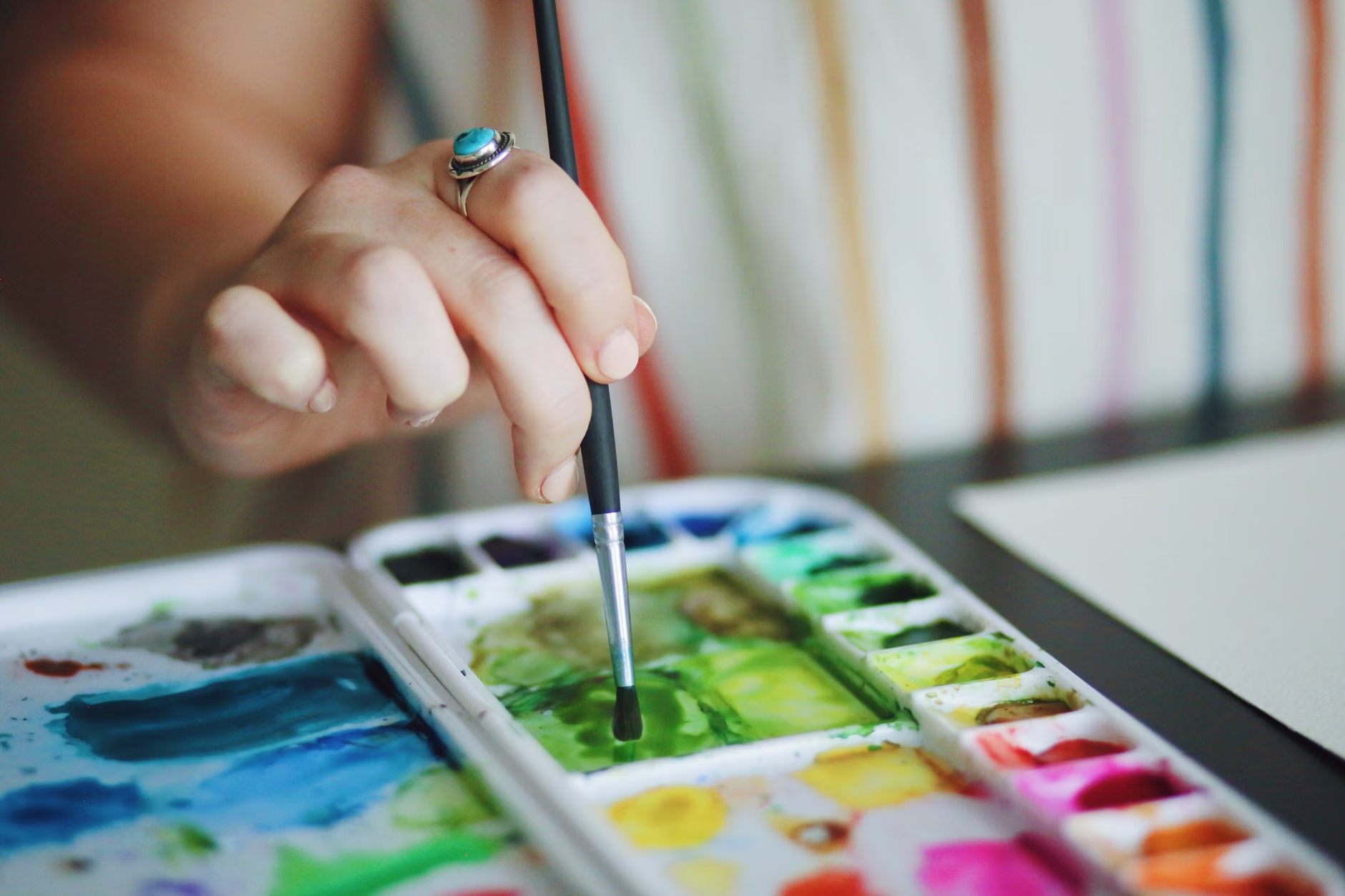
The primary hurdle for beginners is managing the ratio of water to pigment. If you use too much water, the color becomes a pale wash that may disappear as it dries. If you use too little, the paint becomes chalky and difficult to spread. A useful rule of thumb is to start with a “tea-like” consistency for light washes and build up to a “milk-like” or “cream-like” consistency for deeper, more vibrant colors.
Designing an Accessible Workspace
Long-term enjoyment of any hobby depends on physical comfort. If painting causes back strain, eye fatigue, or hand cramping, it will quickly lose its appeal. When setting up your painting space, consider the following ergonomic adjustments.
1. Lighting and Visibility
Natural light is the gold standard for painters because it provides the most accurate color rendering. If natural light is unavailable, use “daylight” LED bulbs (5000K-6500K color temperature). These bulbs mimic the spectrum of midday sun, preventing the yellow or blue casts that standard incandescent bulbs can introduce to your work.
2. The Height of the Surface
Avoid hunching over a low table. If you are painting at a standard dining table, consider using a slanted drawing board. A slight incline (roughly 15 to 30 degrees) allows you to see the entire painting without bending your neck. This simple adjustment significantly reduces neck and upper back tension during long sessions.
3. Grip and Mobility
If you experience arthritis or reduced grip strength, look for brushes with ergonomic handles. These are often thicker or have a rubberized, non-slip coating. Alternatively, you can slide a piece of foam pipe insulation over the handle of a standard brush to create a wider, more comfortable grip. This simple DIY modification can make a world of difference for those who find thin handles difficult to manage.
| Feature | Standard Setup | Ergonomic Setup |
|---|---|---|
| Surface Angle | Flat on table | Slanted board (15-30 degrees) |
| Lighting | Overhead room light | Task light with daylight LED (5000K+) |
| Grip | Standard thin brush | Thickened or foam-wrapped handle |
| Posture | Hunched/Leaning | Upright with adjustable height chair |
The table above highlights that “professional” equipment is less important than “supportive” equipment. For those with limited mobility, the ergonomic setup is not a luxury; it is a prerequisite for maintaining the stamina needed to finish a project.
The Therapeutic Value of Mindfulness in Painting
Watercolor is an inherently mindful practice. Because the paint moves and changes as it dries, it forces the artist to remain present. You cannot “fix” a watercolor in the same way you can paint over an oil canvas; you must learn to work with what the paper gives you. This fosters a mindset of acceptance.
Practical steps to incorporate mindfulness:
- The Preparation Ritual: Spend five minutes setting out your materials. Arrange your brushes, clean your water jar, and test your colors. This acts as a mental “on-switch.”
- Focus on the Senses: Notice the sound of the brush on the paper, the smell of the damp paper, and the way the color bleeds into the water.
- Let Go of Perfection: If a mistake occurs, view it as a “happy accident.” In watercolor, these accidents often lead to the most interesting textures and patterns.
Research into “art therapy” suggests that the act of creating, regardless of skill level, reduces cortisol (the stress hormone) and improves cognitive function. By focusing on the process rather than the outcome, you transform a hobby into a mental health practice.
Overcoming Common Obstacles
Many beginners abandon watercolor because they feel their results look “muddy” or “sloppy.” These are almost always technical issues, not talent issues. Here is how to navigate the most common pitfalls.
The “Mud” Problem
Mud occurs when you mix too many colors together, or when you over-work the paper. If you move your brush back and forth over the same spot, you will damage the paper fibers and create a dull, greyish tone. Rule: Apply the paint and let it be. If you don’t like a stroke, leave it alone until it is completely dry. Trying to “fix” wet paint usually makes the situation worse.
The “Buckling” Problem
If your paper ripples like a wave, you are using a paper weight that is too thin. Use 300gsm (140lb) paper. If you are still having trouble, “stretch” the paper by soaking it in water and taping it to a board with gummed paper tape. Once it dries, it will be drum-tight and will not buckle, no matter how much water you apply.
The “Color Selection” Problem
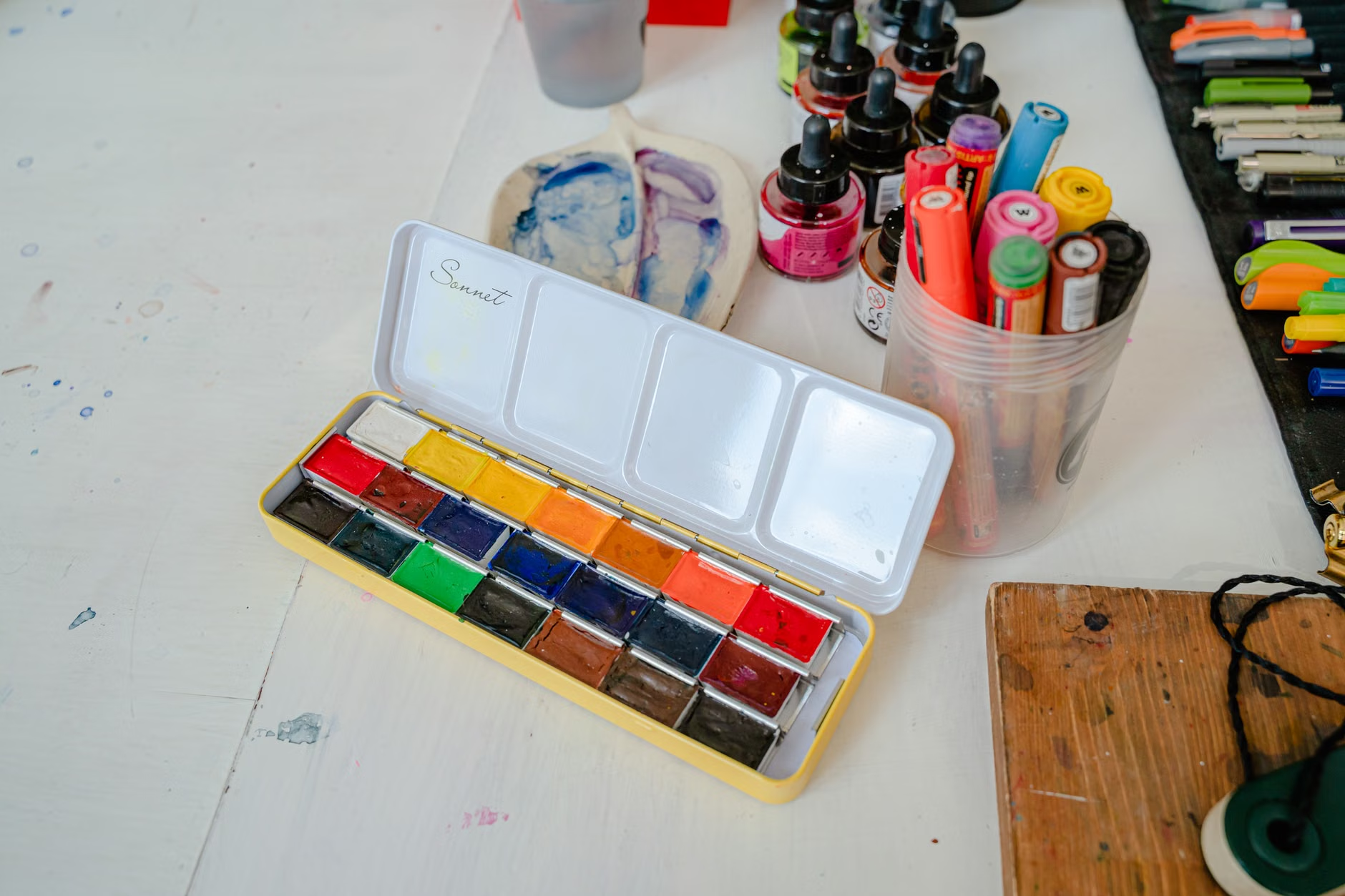
Beginners often buy massive sets of 48 or 72 colors. This is overwhelming. You only need a “split primary” palette to mix almost any color imaginable. A split primary palette consists of a cool and warm version of red, yellow, and blue. With these six colors, you can learn color theory effectively without the confusion of too many choices.
Building a Sustainable Practice
To ensure this hobby remains a source of joy rather than a source of pressure, treat it as a gentle routine. You do not need to paint for hours every day. A 20-minute session is often enough to achieve a sense of accomplishment and creative release.
A recommended weekly rhythm:
- Monday: Practice brush strokes (lines, dots, washes).
- Wednesday: Experiment with color mixing (making greens, purples, and oranges).
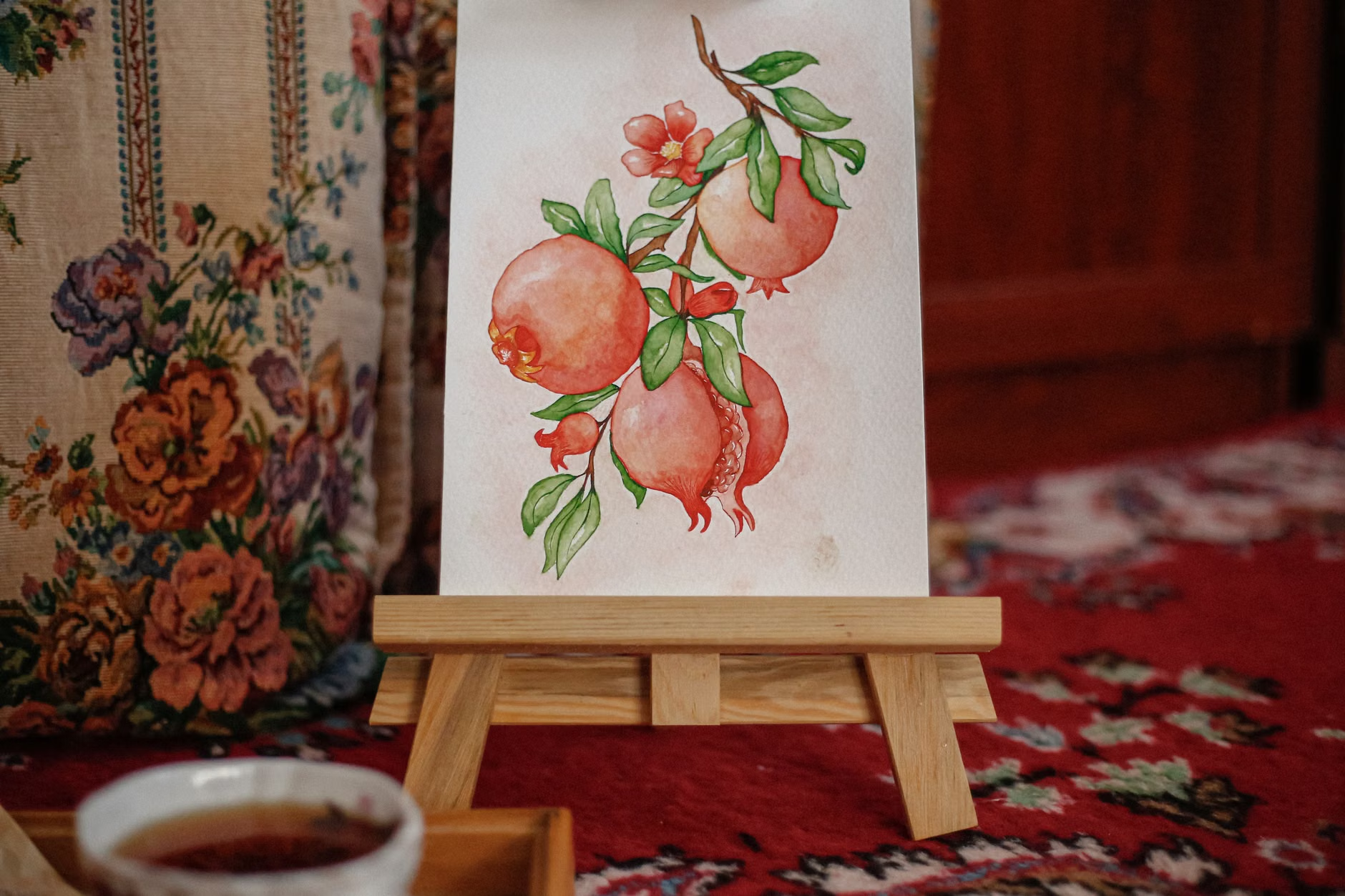
- Friday: Complete a small, simple study of an object (a fruit, a leaf, or a single flower).
This rhythm keeps your skills sharp without requiring the stamina of a marathon painting session. Remember that as an adult learner, you have the advantage of life experience and patience. Use these assets to enjoy the journey of improvement rather than rushing to reach a final result.
Safety and Environmental Considerations
While watercolor is one of the safest art forms, there are minor considerations for the home studio. Some pigments, particularly historical pigments like Cadmiums or Cobalts, can be toxic if ingested or if dust is inhaled. For the average hobbyist, these risks are negligible, but it is good practice to:
- Never put your brushes in your mouth.
- Wash your hands after painting.
- Ensure your space is well-ventilated, though this is less critical than with oil paints.
- If you have grandchildren or pets, keep your materials in a lidded container to prevent accidental ingestion.
Conclusion: The Path Forward
Watercolor painting is a lifelong skill that rewards patience, curiosity, and a willingness to embrace the unexpected. It is not about reaching a destination of “mastery,” but rather about maintaining a vibrant, engaged, and creative mind. By focusing on your ergonomic comfort, understanding the basic science of the medium, and adopting a mindset of mindfulness, you can turn painting into a cornerstone of your daily wellbeing. Start small, be kind to your progress, and enjoy the way the water moves across the page.
Further Reading and Resources
- Winsor & Newton: A Guide to Watercolour Painting – A comprehensive resource on the technical aspects of the medium.
- Tate Museum: Art Terms – Watercolour – Historical context and appreciation of the medium.
Frequently Asked Questions
Q1: Do I need to know how to draw to start watercolor painting?
Not at all. While drawing helps with structure, watercolor is often about color, shape, and light. You can start by painting abstract shapes, nature scenes, or even just experimenting with color gradients. Many watercolor artists focus entirely on the movement of color rather than precise line work.
Q2: How much should I expect to spend to get started?
You can start for a very modest cost. A basic set of professional-grade pans, two or three decent synthetic brushes (a round size 8 and a flat size 1/2 inch), and a pad of 300gsm watercolor paper can be purchased for a reasonable price. Avoid the cheapest “school-grade” materials, as they can be frustrating to use, but you certainly do not need the most expensive professional supplies to learn effectively.
Q3: I have tremors or arthritis in my hands. Is this hobby still for me?
Yes. Many people with limited dexterity find watercolor to be very therapeutic. As mentioned, using thicker brushes or adding foam grips can help. Additionally, watercolor is a “loose” medium; it does not require the steady, fine-line control that detailed drawing or pen-and-ink work demands. The medium itself is designed to be fluid and expressive, which is very forgiving for those with tremors or mobility challenges.