- Prioritize Energy Over Volume: Minimalist packing is not about scarcity; it is about reducing physical burden to preserve stamina for the actual museum experience.
- Strategic Mobility Planning: Always verify the physical accessibility of a museum—including lift locations and availability of seating—before arrival to prevent unnecessary fatigue.
- The “One-Bag” Logic: Using a single, ergonomic, weight-distributed bag minimizes the risk of back strain and keeps your hands free for navigation and balance.
For the traveler aged 60 to 80, a museum visit is often the centerpiece of a trip. However, the physical demands of navigating sprawling galleries, standing for long periods, and managing heavy gear can quickly turn a cultural experience into an exhausting ordeal. Minimalist travel is not merely a trend; it is a tactical approach to preserving your energy and focus, allowing you to engage deeply with history and art without the weight of unnecessary possessions.
The Philosophy of Minimalist Museum Travel
Minimalism, in the context of senior travel, is defined by the intentional reduction of physical load to maximize personal comfort and mobility. Many travelers inadvertently pack for every conceivable scenario, resulting in heavy bags that impede movement and cause joint stress. By shifting the focus to “essential mobility,” you reclaim your ability to move through galleries at your own pace.
When you carry less, you move more freely. This is not just about comfort; it is a safety strategy. A lighter load improves your center of gravity and reduces the risk of trips and falls, which is a primary concern in crowded or unfamiliar museum environments. The goal is to arrive at the exhibit feeling refreshed, not drained by the logistical burden of your own luggage.
Strategic Packing: What Truly Matters
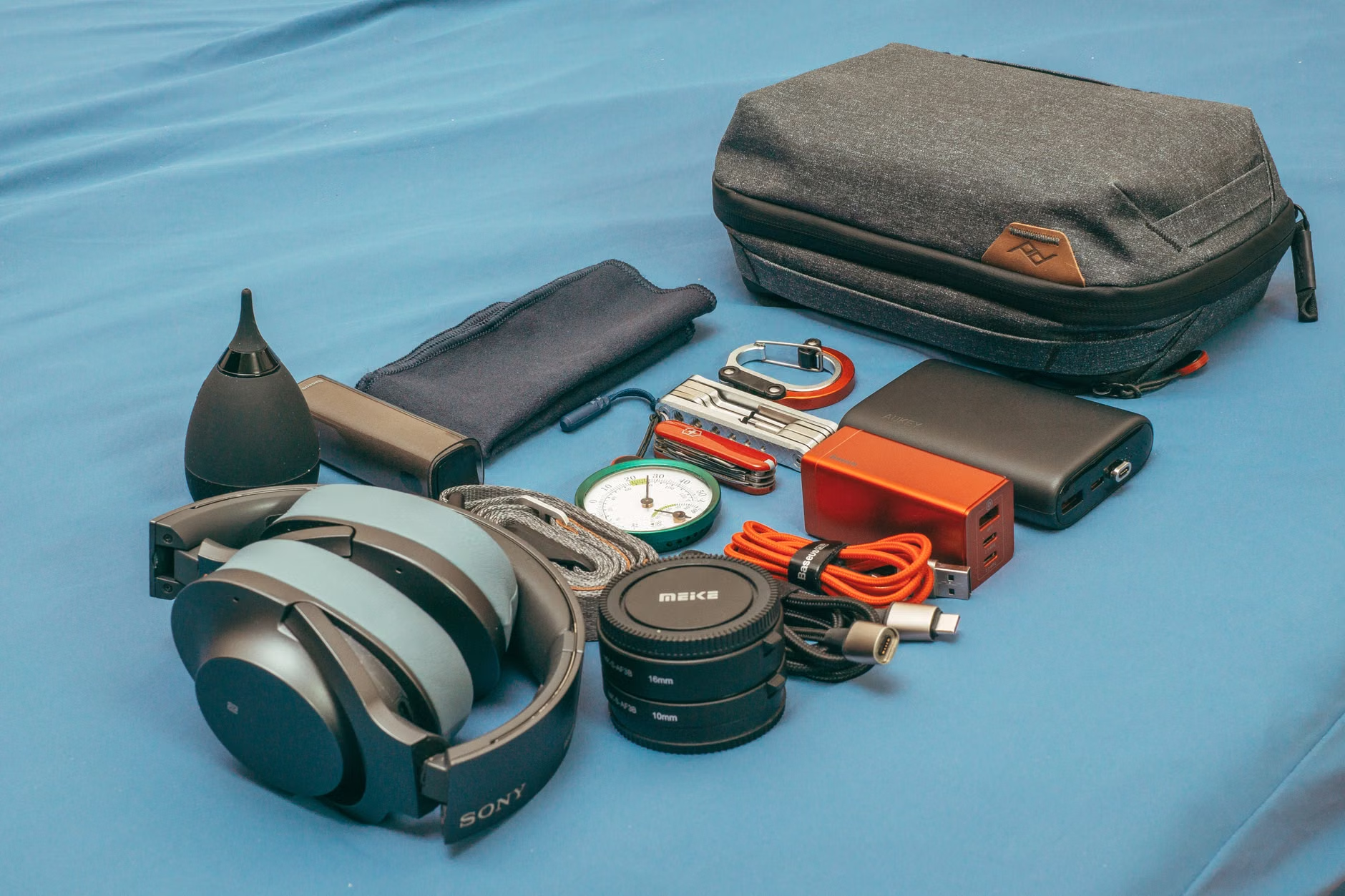
The secret to effective packing lies in the “Rule of Three”: if an item does not serve three distinct purposes or is not essential for your immediate health and mobility, it likely does not belong in your day bag. For a museum trip, your bag should weigh no more than 5–8% of your body weight to avoid strain.
Core Essentials Checklist
| Category | Item | Purpose |
|---|---|---|
| Mobility | Portable folding stool | Provides instant rest in galleries lacking seating. |
| Navigation | Digital/Physical floor plan | Prevents backtracking and unnecessary walking. |
| Comfort | Lightweight layers | Museums often have inconsistent climate control. |
| Health | Medication/Hydration | Essential supplies kept in a dedicated, easy-access pocket. |
Why this matters: By keeping your bag organized in this manner, you avoid the “digging” reflex. Fumbling for items in a large, unorganized bag is a common source of physical imbalance and frustration. Using a cross-body bag with multiple compartments ensures that your weight is distributed across your torso rather than pulling on one shoulder.
Before you depart, your research should go beyond the “must-see” exhibits. You must investigate the “must-know” logistical details of the building itself. Not all museums are created equal in terms of accessibility, and even modern, award-winning facilities can present challenges for older visitors.
Assessing the Environment
When checking a museum’s website, look specifically for the “Accessibility” or “Visitor Information” tab. Do not assume that “wheelchair accessible” means the facility is easy to navigate on foot. Look for:
- Elevator Proximity: Are the lifts centrally located, or do they require long detours through service corridors?
- Seating Availability: Some museums offer portable stools for visitors; call ahead to verify if these are available for loan.
- Floor Surfaces: Older, historic buildings often feature uneven stone or marble floors, which can be slippery or difficult to navigate.
If you find that a museum is vast, prioritize your route. Many travelers fall into the “exhaustion trap”—the belief that they must see every room to get their money’s worth. Instead, identify two or three “anchor exhibits” that you truly wish to see and plan your route around them, leaving room for a mid-visit break in the museum café or garden.

Footwear: The Foundation of Your Experience
Your choice of footwear is the most critical decision for a museum trip. Museums often involve miles of walking on hard, unyielding surfaces like concrete or stone. These surfaces provide zero shock absorption, which can lead to significant foot, knee, and lower back pain by the end of the day.
Selecting the Right Shoe
Avoid the temptation to wear “new” shoes for a trip. Even if they are high-quality, they have not been broken in to your specific gait. Look for shoes that feature:
- Arch Support: Essential for preventing plantar fasciitis and fatigue during long periods of standing.
- Cushioned Midsoles: Look for materials like EVA foam or specialized gel inserts that absorb the impact of hard floors.
- Breathability: Feet can swell during travel; ensure your shoes have enough volume to accommodate this natural change throughout the day.
Common Mistake: Many travelers prioritize style over support. While looking presentable is important, the discomfort caused by improper footwear will inevitably limit your ability to focus on the cultural experience. A high-quality walking shoe with a neutral, dark color palette is often sufficient for even the most formal settings.

Managing Stamina and Recovery
Minimalism also applies to your schedule. A common mistake is packing an itinerary with multiple museums in a single day. This “museum fatigue” is a real physiological response to sensory overload and physical exertion. For an older traveler, the ideal pace is one major museum visit per day, followed by a period of “active rest.”
The Strategy of Active Rest
Active rest involves moving from a high-stimulus environment (the museum) to a low-stimulus environment that still allows you to enjoy your surroundings. This could be a park, a quiet café, or even a brief return to your accommodation to elevate your feet. This simple act—elevating your legs for 20 minutes—can significantly reduce the fluid retention and swelling that often occurs after a day of walking.
If you are traveling with a caregiver or family member, communicate your stamina limits clearly. There is no shame in saying, “I have reached my limit for today.” Planning a “recovery morning” the day after a major visit—where you stay in and read or enjoy a slow breakfast—can prevent the cumulative fatigue that often ruins the latter half of a trip.
Advanced Considerations for the Discerning Traveler
Beyond the basics, there are subtle variables that can make or break your museum experience. One such variable is the “lighting environment.” Many museums use low-light settings to protect fragile artifacts. For those with slight vision changes, this can make navigating stairs or reading placards difficult. Carrying a small, high-intensity LED penlight or a compact magnifying glass can be a game-changer, allowing you to read labels and navigate transitions more safely.
Another overlooked factor is the “museum climate.” Even in the middle of summer, many museums maintain temperatures as low as 18°C (64°F) to preserve art. A lightweight, packable cashmere or wool shawl is a minimalist’s best friend. It takes up virtually no space in a bag but provides the essential warmth needed to remain comfortable while standing still to admire a painting.
Refining Your Minimalist Travel Toolkit
As you refine your approach, consider the “Digital vs. Analog” trade-off. While digital guides and apps are convenient, they require you to hold your phone and stare at a screen, which can be tiring and distracting. Physical maps, often available at the front desk, allow you to see the entire layout at once, reducing the need for constant screen interaction. If you prefer digital, ensure your device is fully charged before you enter, and carry a lightweight, slim power bank—a small weight penalty for the security of having navigation and communication tools available.
Ultimately, the goal is to make the museum environment work for you, rather than conforming your body to the museum’s demands. By controlling your environment—what you wear, what you carry, and how you pace yourself—you ensure that the beauty of the art is the primary memory you take home, not the memory of your aching feet.
Conclusion
Minimalist travel for senior museum-goers is a deliberate act of self-care. By stripping away the unnecessary, you focus your physical and mental resources on the cultural treasures you have traveled to see. Remember that your comfort is the foundation upon which your enjoyment is built. Plan your route, invest in the right gear, and do not hesitate to prioritize your stamina over a packed itinerary. With these strategies, you can continue to explore the world’s museums with grace, curiosity, and comfort for years to come.
Frequently Asked Questions
- How do I know if a museum is truly senior-friendly?
Check the official museum website for an “Accessibility” page. Look for specific mentions of elevator access, the availability of seating, and the distance between exhibits. If the website is vague, a quick email to the visitor services department is a proactive step to confirm if they can accommodate your specific mobility needs. - Is it acceptable to bring my own folding stool into a museum?
Most major museums allow lightweight, portable stools, but policies vary. It is always best to check the “Prohibited Items” list on the museum’s website before your visit. If you use a cane or a walker with an integrated seat, these are almost universally permitted and welcomed. - How can I manage museum fatigue when I only have one day in a city?
Focus on the “highlights” route. Most museums provide a “one-hour” or “two-hour” suggested tour map. Following these curated paths ensures you see the most significant works without the need to traverse every gallery, which is the most effective way to prevent mid-day exhaustion.
For further information on accessibility standards in different regions, you may consult resources such as the Americans with Disabilities Act (ADA) guidelines for the United States or the European Disability Strategy for insights into European accessibility requirements.