Key Takeaways:
- Accessibility isn’t just about ramps: Assess gardens based on path material (gravel vs. paved), incline grades, and the availability of frequent, shaded seating.
- Plan for the “hidden” exertion: Historic gardens often involve more walking than city museums; limit your itinerary to one major site per day to maintain energy.
- Pre-visit verification is essential: Always contact the garden office directly to confirm the current status of shuttle services, restroom accessibility, and temporary construction.
Historic gardens offer a unique blend of horticultural beauty and cultural heritage, providing a tranquil escape for travelers of all ages. However, for those in their 60s, 70s, and 80s, the charm of winding, centuries-old garden paths can sometimes be overshadowed by concerns regarding mobility, fatigue, and infrastructure. Selecting the right historic garden tour requires moving beyond the aesthetic appeal to evaluate the practical realities of the site.
Evaluating Physical Accessibility: More Than Just a Ramp
When researching a historic garden, the term “accessible” is often used broadly. To ensure a comfortable experience, you must look at specific infrastructure elements. Historic sites, by their nature, present unique challenges because they were not originally designed for modern accessibility standards.
Surface Material and Stability
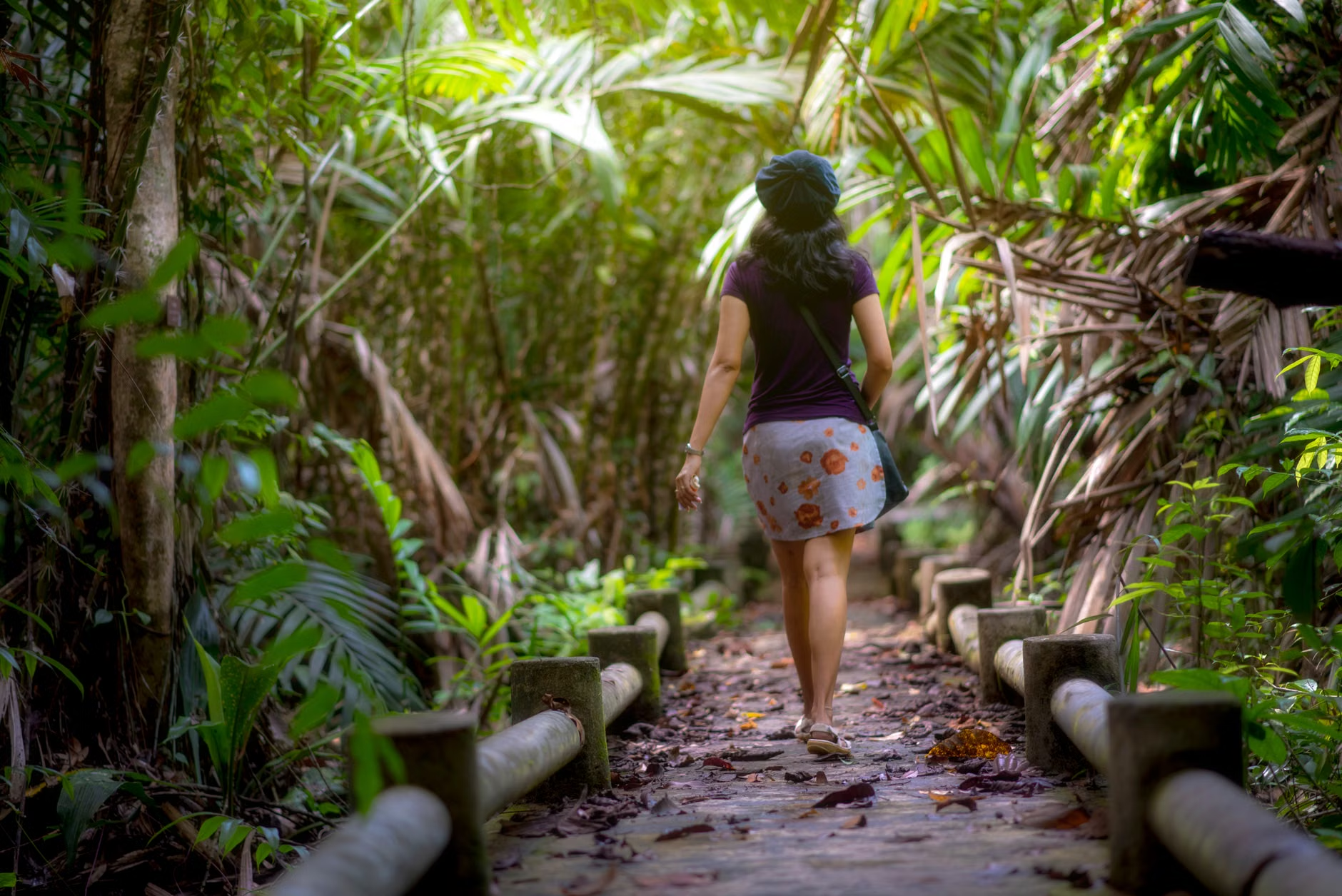
The ground beneath your feet is the primary factor in your comfort. Many historic gardens feature original gravel or cobblestone paths. While aesthetically pleasing, these surfaces can be physically demanding or hazardous for those using canes, walkers, or even those with balance sensitivities.
- Gravel: Can be unstable and difficult to navigate with wheels or during rainy conditions.
- Cobblestone: Often uneven, which can lead to tripping or joint strain.
- Compacted Earth/Mulch: May become muddy or soft, requiring extra effort to walk upon.
Actionable Tip: Look for gardens that offer “primary” and “secondary” path systems. Most major historic sites have invested in hardened, level primary pathways that connect the main attractions, allowing you to bypass the more rugged terrain.
Managing Stamina: The “One-Garden” Rule
A common mistake in travel planning is overestimating the distance covered in a garden. Unlike a museum where you move from room to room, gardens are expansive. A “quick loop” can easily result in two or three miles of walking. To maintain your wellbeing, adopt the “One-Garden Rule”: designate one major horticultural site as your primary activity for the day, and keep the remainder of your schedule light.
Energy Conservation Strategies
Stamina is not just about physical strength; it is about managing the energy you expend throughout the day. Consider these three pillars of garden energy management:
| Strategy | Implementation | Why it matters |
|---|---|---|
| Strategic Seating | Identify bench locations on the map before entering. | Prevents “forced” rest in unsuitable areas. |
| Shuttle Usage | Check if the garden provides golf cart or electric shuttle tours. | Reduces total distance by 60-70%. |
| Thermal Regulation | Visit during early morning or late afternoon. | Reduces fatigue caused by heat and sun exposure. |
Infrastructure and Support Services
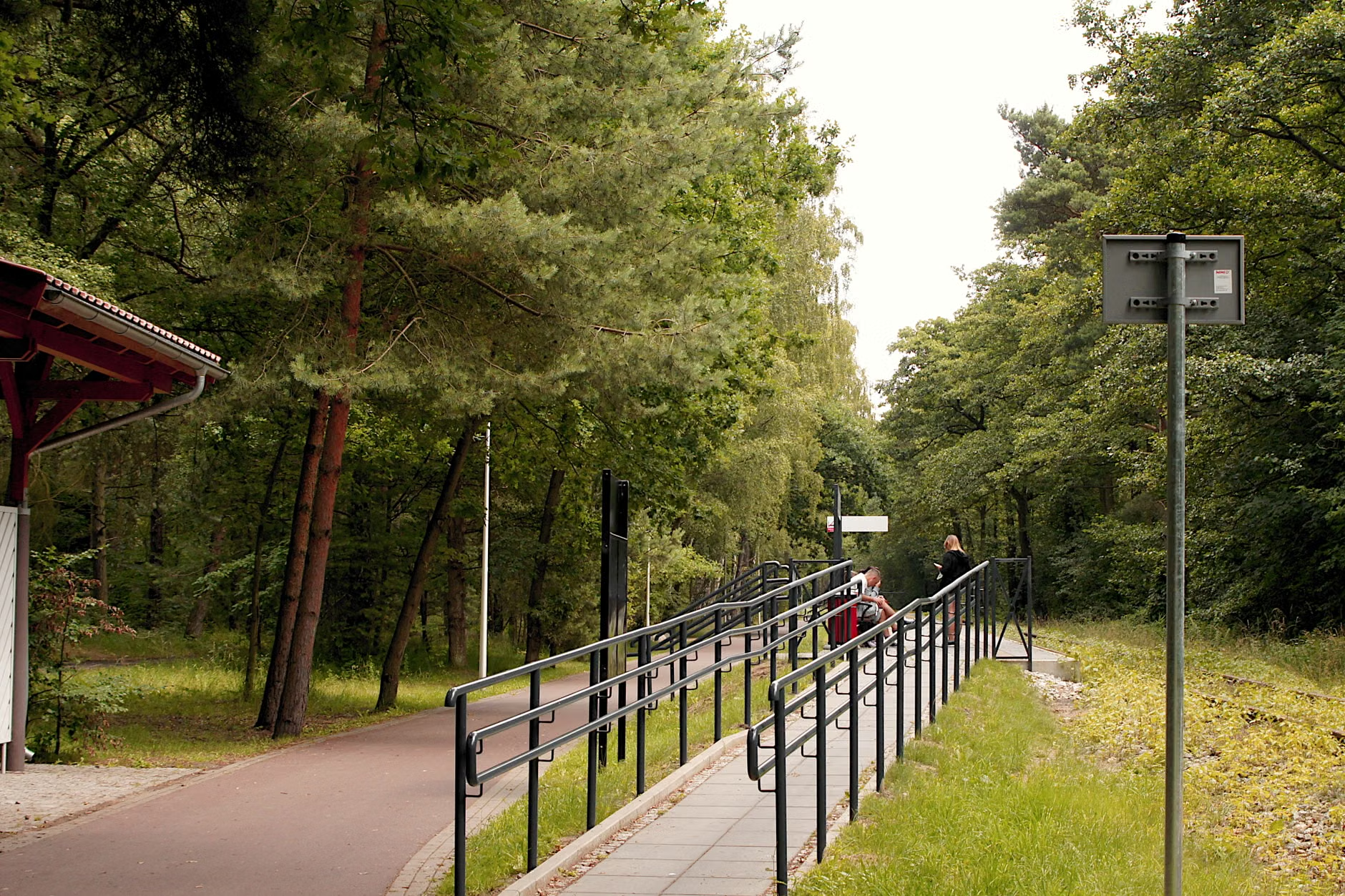
Beyond the paths themselves, the facilities surrounding a garden are vital for a stress-free visit. This includes the availability of accessible restrooms, climate-controlled rest areas, and the proximity of parking to the main entrance.
The Importance of “Distance-to-Entry”
Many historic gardens are situated in areas where parking is located a significant distance from the formal entrance. For an older adult, walking a quarter-mile just to reach the ticket booth can deplete energy before the tour even begins. Always check if the venue offers drop-off points for private vehicles or accessible transit.
Communication with Venue Staff
Before finalizing your travel plans, a brief phone call or email to the venue’s visitor services department can provide insights that are not available on websites. Ask specific questions:
- “Are there any areas currently under renovation that require detours?”
- “Is there a wheelchair or mobility scooter available for rent on-site?”
- “How far is the closest accessible restroom from the main rose garden?”
Preparing for Your Visit: A Step-by-Step Checklist
Preparation is the difference between a tiring day and an enjoyable one. Follow this checklist to ensure you are ready for the terrain and the climate.
- Footwear Selection: Prioritize shoes with non-slip soles and adequate arch support. Avoid new shoes that haven’t been broken in.
- Hydration and Nutrition: Carry a lightweight water bottle and high-protein snacks. Even if a cafe is on-site, it may be crowded or located at the far end of the garden.
- Weather Monitoring: Check the forecast for humidity as well as temperature. High humidity can significantly increase perceived fatigue.
- Medication Management: If you take time-sensitive medication, ensure your schedule allows you to take it in a comfortable setting, such as a garden cafe or a quiet bench, rather than in transit.
Identifying Your Mobility Profile
Not every garden is suitable for every traveler. Your choice should depend on your specific mobility needs. Use the following table to match your needs with the right type of garden tour.
| Mobility Level | Recommended Garden Type | Features to Prioritize |
|---|---|---|
| High (Independent) | Extensive botanical gardens with varied terrain. | Look for loop trails and high-density points of interest. |
| Moderate (Cane/Walker) | Formal, flat gardens (e.g., French or Italian styles). | Prioritize paved surfaces and frequent seating. |
| Low (Wheelchair/Scooter) | Modernized historic sites with shuttle services. | Confirm lift/ramp access and shuttle availability. |
If you fall into the “Moderate” or “Low” mobility categories, do not be discouraged from visiting historic sites. Many of the world’s most famous gardens have undergone significant accessibility upgrades. For instance, many sites in the UK and Europe now provide detailed accessibility maps that highlight the “steepness” of various paths, allowing you to choose the gentler route.
Hidden Variables: What Most Travelers Overlook
One aspect often ignored is the “micro-climate” of a garden. Large, dense gardens can have areas that are significantly warmer or cooler than the surrounding city. A sheltered, sun-drenched courtyard might be pleasant in the spring but stifling in the summer. Conversely, shaded woodland areas can be damp and slippery even on dry days. Always carry a light, breathable layer regardless of the season, and consider a hat with a brim for sun protection.
Another overlooked variable is the “audio environment.” If you are sensitive to noise, check if the garden is near a major road or flight path. While visual beauty is the goal, the auditory experience plays a massive role in the overall “restorative” effect of a garden visit. Choosing a garden located in a rural or protected area can provide a much deeper sense of relaxation.
For those traveling with caregivers or family members, it is important to delineate roles before the trip. The caregiver should not be expected to act as the primary navigator, as this can lead to distraction and potential safety risks. Use technology to your advantage: have the caregiver hold a secondary map or use a GPS-enabled device to track your progress and ensure you are heading toward the nearest exit or rest area.
If you are traveling with a mobility aid, check the airline or train policies regarding the transport of that equipment. Many modern, foldable electric scooters are airline-friendly, but you must declare them in advance. Having your own equipment provides the highest level of independence, as you are not reliant on the availability of rentals at the destination.
The Role of Digital Tools in Accessibility
In recent years, many historic gardens have launched digital visitor guides. These are often more detailed than printed brochures. They may include features like:
- Real-time status updates: Notifications if a path is closed or a lift is out of service.
- Accessibility filters: The ability to toggle the map to show only “wheelchair-friendly” paths.
- Audio tours: These allow you to experience the history of the garden without having to read small text on a placard while standing in the sun.
Before you leave, download the official app or PDF map of the garden. Familiarizing yourself with the layout while you are still at your hotel can reduce the cognitive load of navigating the space once you arrive.
Planning for Recovery
Travel is physically taxing. After a day of walking through a historic garden, your body needs time to recover. Do not schedule a formal dinner or an evening show immediately after your tour. Plan for an “unstructured” evening where you can rest your feet, hydrate, and reflect on the day. Elevating your legs for 15-20 minutes after returning to your accommodation can significantly help reduce swelling and muscle fatigue.
If you experience persistent joint pain or unusual fatigue following a garden tour, it is a sign that your activity level may have exceeded your current threshold. Use this as a data point for your next day’s planning. It is better to see less and enjoy it fully than to push yourself to the point of needing an extra day of recovery. Your goal is to return home feeling refreshed, not exhausted.
Conclusion
Selecting an accessible historic garden tour is an exercise in thoughtful planning. By prioritizing your personal mobility needs, verifying site-specific accessibility, and managing your energy through strategic pacing, you can enjoy the splendor of world-class gardens without the stress of unexpected physical challenges. Remember, the beauty of a garden is best appreciated when you are comfortable and at ease. Take your time, verify your route, and focus on the experience rather than the distance covered.
Frequently Asked Questions
- What is the best time of day for an older adult to visit a historic garden?
The best time is generally within the first two hours of opening. The paths are less crowded, the temperature is lower, and the light is ideal for photography. This also ensures you have the most energy at the start of your day.
- Should I bring my own walker or rent one at the garden?
If you have a mobility aid that you are comfortable with, it is almost always better to bring your own. Rental equipment at gardens varies in quality and availability. Having your own ensures the fit is correct and you are familiar with its operation.
- What should I do if I find the terrain at a garden is more difficult than expected?
Do not hesitate to ask staff for assistance. Most gardens have an “alternative route” for staff or maintenance vehicles that may be smoother than the public paths. Alternatively, identify the nearest exit or rest area and take a break. There is no shame in adjusting your plan mid-visit to ensure your safety and comfort.
For further information on accessible travel standards, you may consult resources such as the Tourism for All UK or regional disability travel guides which provide detailed audits of historic sites. Always check the official website of the specific garden you intend to visit for the most current accessibility notifications.