- Cognitive Engagement: Singing in a choir acts as a complex workout for the brain, requiring focus, memory, and coordination that can help maintain cognitive sharpness.
- Social Integration: Community choirs offer a structured way to combat social isolation by fostering long-term relationships through a shared, non-competitive goal.
- Physical Wellness: Regular vocal practice encourages controlled breathing and improved posture, which supports respiratory health and overall physical vitality.
The Power of Collective Singing for Older Adults
For many adults in the 60-80 age bracket, the search for a meaningful hobby often leads to a desire for activities that balance mental stimulation, physical light-intensity movement, and genuine social connection. Local community choirs have emerged as a premier choice for this demographic. Unlike solitary hobbies, choir participation is a social, physiological, and cognitive endeavor that requires synchronization with others.
When you join a choir, you are not just learning to carry a tune; you are participating in a group activity that requires sustained attention, rhythmic coordination, and the ability to listen to others while maintaining your own vocal part. This article explores why community choirs are uniquely suited to the needs of older adults and provides a practical guide on how to integrate this activity into your lifestyle safely and effectively.
Why Choir Participation Matters: The Science of Singing
The benefits of choir participation are multifaceted. Researchers have noted that singing in a group requires a high level of neurocognitive engagement. You are processing lyrics, pitch, rhythm, and the dynamics of the group simultaneously. This process is a form of cognitive training that keeps the brain flexible.
Cognitive and Mental Health Benefits
The primary cognitive demand of choral singing is the constant navigation of “working memory.” You must remember the sequence of notes while adjusting to the tempo set by the conductor. Studies suggest that this type of sustained attention is linked to improved executive function in older adults. Furthermore, the act of singing releases endorphins and oxytocin, hormones associated with stress reduction and bonding, which can significantly improve mood and combat the onset of feelings of loneliness.
Respiratory and Physical Well-being
Singing is fundamentally a physical activity. It requires “diaphragmatic breathing”—a technique that involves deep, controlled breaths originating from the abdomen rather than the chest. For seniors, this is an excellent exercise for respiratory health. It encourages better lung capacity and promotes an upright posture, which is essential for maintaining musculoskeletal health as we age. Unlike high-impact sports, singing provides these benefits without the risk of joint injury or overexertion.
| Benefit Category | What It Does | Why It Matters for Seniors |
|---|---|---|
| Cognitive | Engages memory and multitasking | Helps maintain mental agility and focus. |
| Social | Creates a shared, non-competitive goal | Reduces social isolation and fosters belonging. |
| Physical | Promotes deep breathing | Improves lung capacity and supports better posture. |
This table illustrates that the choir experience is not merely about music; it is a holistic wellness intervention. While someone with mobility challenges might find dance or gym-based exercise difficult, choral singing is highly accessible, often requiring only the ability to sit or stand for a set period.

Evaluating Potential Choirs: A Practical Decision Framework
Not all choirs are the same. Before you commit, it is important to understand the structure of the group to ensure it matches your physical capacity and social preferences. Use this checklist to evaluate potential local groups.
1. Accessibility and Mobility
Check the venue. Is there a lift? Are the chairs ergonomic? Does the rehearsal space have accessible restrooms? If you have mobility concerns, ensure the venue is on the ground floor or elevator-accessible. Accessibility is not just about the entrance; it is about the entire experience, including the length of the rehearsal and the availability of breaks.
2. Commitment Level and Expectations
Some choirs are performance-oriented, requiring memorization of lyrics and public appearances. Others are purely social, focusing on the joy of singing without the pressure of a concert. If you are looking for a low-stress hobby, inquire about the “performance schedule” before joining. A high-pressure environment might lead to burnout rather than the desired relaxation.
3. Musical Complexity
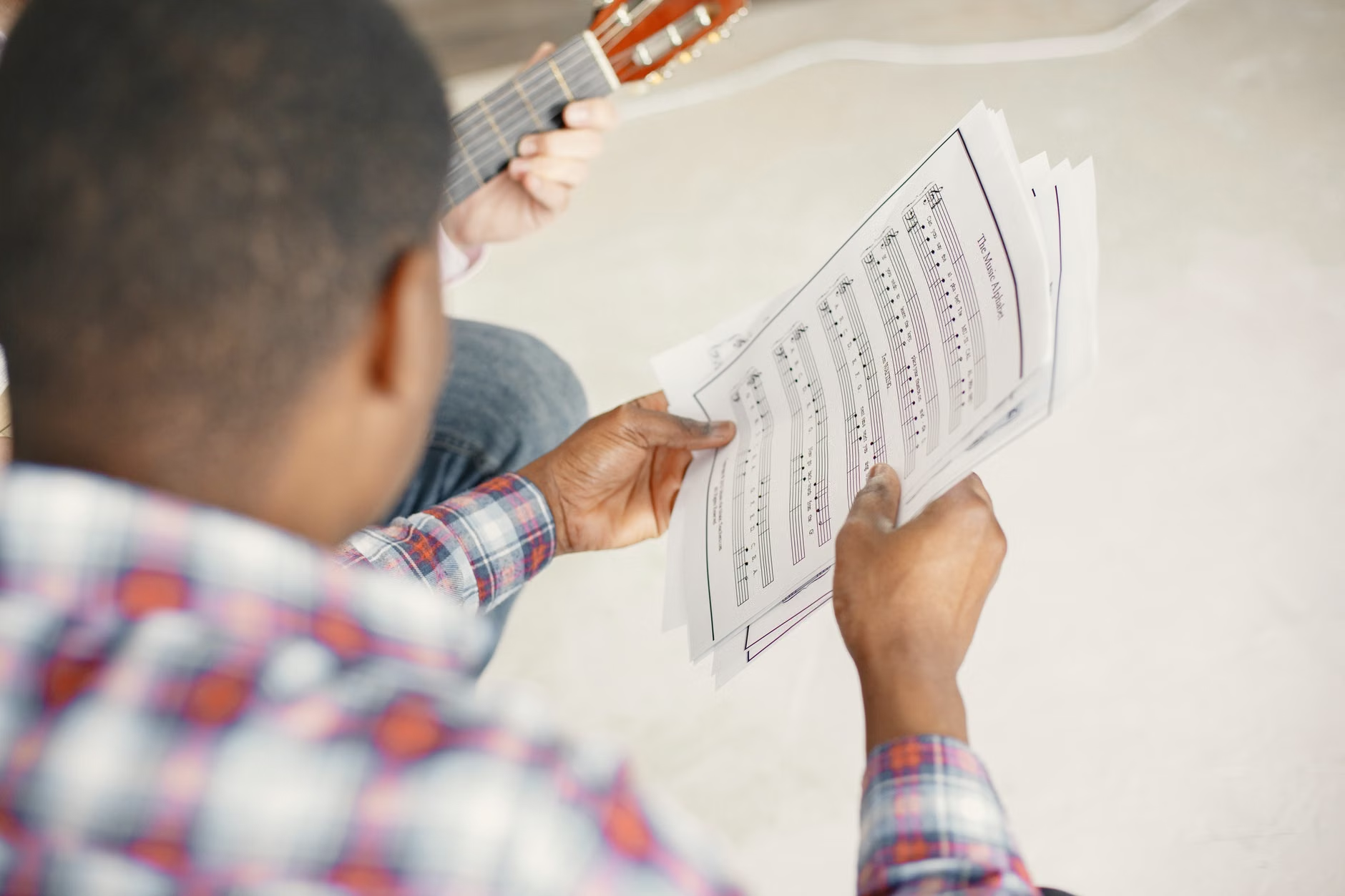
Ask if the choir requires the ability to read sheet music. While many community choirs provide audio tracks or simplified arrangements, some require basic musical literacy. Understanding this upfront prevents frustration.
4. Cost and Logistics
Most community choirs are funded through membership dues or local arts grants. Ask about the fee structure and whether there are subsidies for seniors. Additionally, consider the transportation logistics—is the venue easily reached via public transit or does it have ample parking?
What a Typical Rehearsal Looks Like
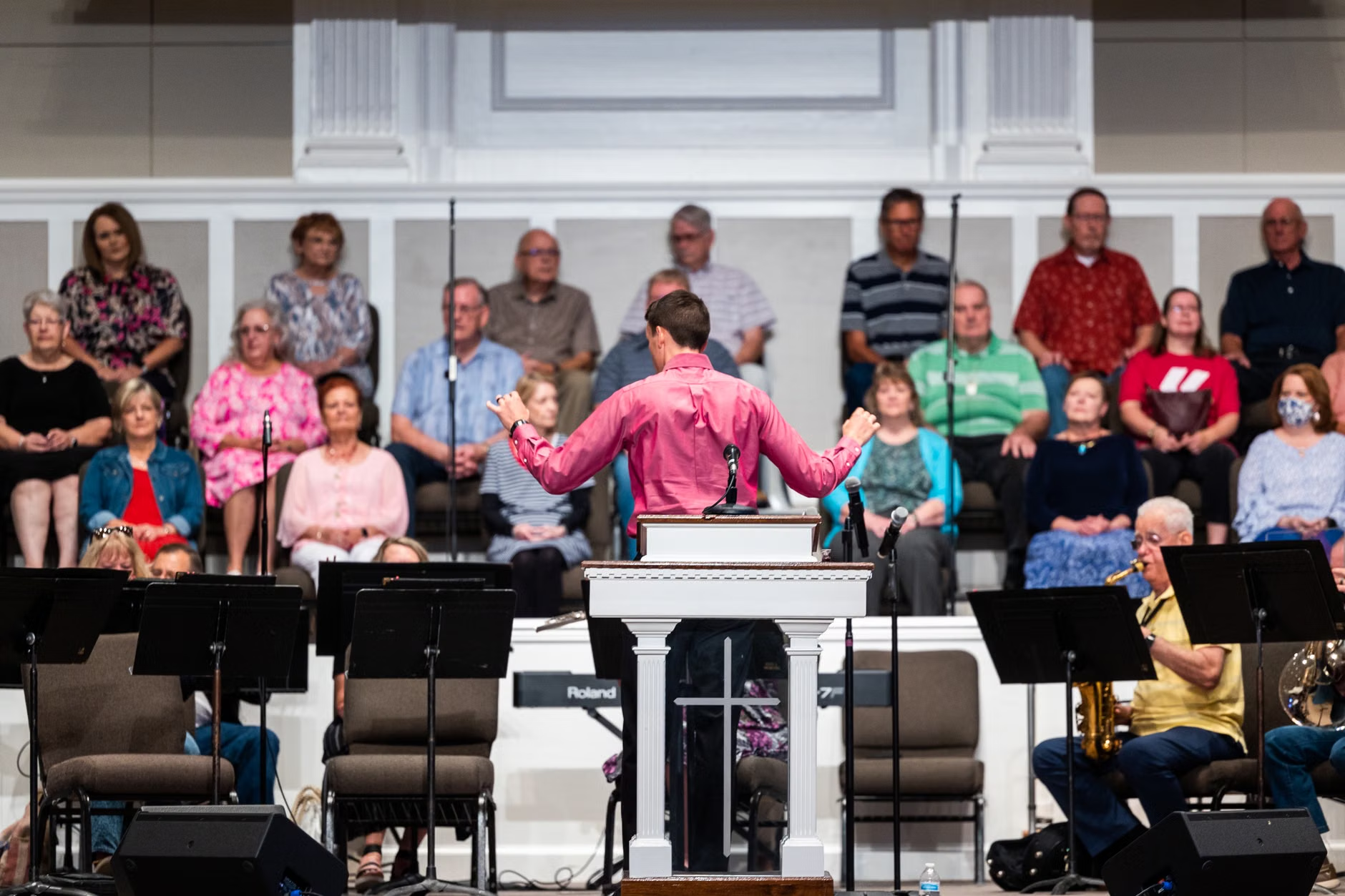
Understanding the flow of a rehearsal can help mitigate “first-day jitters.” A standard two-hour session typically follows this structure:
- Warm-up (10-15 minutes): Gentle physical stretching for the neck and shoulders, followed by vocal exercises to prepare the vocal cords.
- Sectional Work (30-45 minutes): Breaking into groups (soprano, alto, tenor, bass) to refine specific parts of a song.
- Break (15 minutes): A social time for tea or coffee, which is often where the most significant social bonding occurs.
- Full Ensemble Rehearsal (45-60 minutes): Putting all the parts together to hear the final arrangement.
This structure is designed to be inclusive. The breaks are not just for rest; they are essential for social integration. If you find that the rehearsal length is too taxing, it is perfectly acceptable to speak with the conductor about taking extra breaks or sitting for the duration of the session.
Addressing Common Misconceptions
One of the most common barriers for older adults is the belief that they “cannot sing.” In a community choir, the goal is not perfection or professional-level performance; it is collective participation. The “blending” of voices often masks individual insecurities, allowing everyone to contribute to the overall sound without the pressure of a solo performance.
Another misconception is that you need a background in music. While experience helps, the vast majority of community choirs are open to beginners. The learning happens over time, and most conductors are skilled at teaching musical concepts in an accessible, step-by-step manner.
Safety and Health Considerations
While choral singing is a low-risk activity, there are specific health factors to keep in mind. If you have chronic conditions such as asthma or COPD (Chronic Obstructive Pulmonary Disease), consult your physician before joining. While the deep breathing involved in singing is often recommended for respiratory health, you must ensure you have the stamina to sustain it.
Warning Signs to Monitor:
- Dizziness: If you feel lightheaded during deep breathing exercises, sit down immediately and inform the conductor. This is often a sign of hyperventilation or a change in blood pressure.
- Vocal Strain: If you feel pain or scratching in your throat, you are likely pushing too hard. Stop singing, sip water, and resume only when comfortable.
- Fatigue: If you find yourself consistently exhausted after rehearsals, consider a choir that meets for shorter durations or less frequently.
Finding the Right Choir in Your Region
To find a choir, start by looking at local community center websites, public library bulletin boards, or municipal arts councils. In many countries, such as the UK, the “University of the Third Age” (u3a) or similar lifelong learning organizations often host local singing groups. In the United States, look for “Community Arts Councils” or “Senior Centers” that offer music programs. If you are in Australia, check your local “Neighbourhood House” or community center listings.
When you reach out, ask these specific questions:
- “Is this group open to beginners, or is there an audition process?”
- “What is the average age range of the members?”
- “Are there specific accessibility accommodations for those with limited mobility?”
By asking these questions, you ensure that the group you join aligns with your personal goals and physical needs. The social value of these groups is not just in the music, but in the community of people you will meet. It is a shared journey of learning and expression that is accessible to almost everyone, regardless of previous experience.
Conclusion: Taking the First Step
Joining a community choir is a proactive step toward maintaining cognitive health, physical vitality, and social connection. It is a hobby that offers immediate rewards in the form of endorphin release and long-term benefits in the form of sustained social engagement. You do not need to be a trained musician to participate; you only need the willingness to show up and be part of a collective voice.
Start by identifying one local choir in your area, visit a rehearsal as an observer, and see if the atmosphere feels right for you. The simple act of participating in a shared, creative activity can transform your weekly routine and provide a renewed sense of purpose and joy.
Frequently Asked Questions (FAQ)
1. Do I need to be able to read music to join a community choir?
No. Most community-based choirs do not require the ability to read sheet music. Many conductors provide audio recordings to help you learn by ear, and they often teach the music in small, manageable sections during rehearsals.
2. Is it physically demanding to sing in a choir?
Singing is generally a low-impact activity. However, it requires standing or sitting for an extended period and controlled breathing. If you have specific physical limitations, inform the choir director, and they will likely be able to provide seating or allow you to take breaks as needed.
3. How do I know if a choir is the right fit for me?
The best way to know is to attend a rehearsal as a guest. Observe the level of formality, the social dynamic during breaks, and the physical requirements of the session. If the group feels welcoming and the pace is comfortable, it is likely a good fit.
For further information on the health benefits of singing, you may wish to explore resources provided by organizations such as the Sing Up Foundation, which focuses on the impact of singing on mental health and well-being.