- Standardized Ergonomics: New 2026 global guidelines mandate specific seat heights (45–50cm) and armrest configurations to facilitate easier standing and sitting for those with reduced joint mobility.
- Inclusive Placement: Seating must now be placed at consistent intervals (maximum 50 meters) along walking paths to support stamina and provide regular rest points.
- Safety-First Design: Updated requirements focus on high-contrast surfaces for visibility and slip-resistant, temperature-neutral materials to prevent falls and thermal discomfort.
As urban environments continue to evolve, the global approach to public infrastructure is shifting to better accommodate the needs of an aging population. By 2026, international urban planning standards will introduce comprehensive requirements for park seating, focusing on accessibility, physical support, and environmental comfort. For adults aged 60 to 80, these changes represent a significant improvement in the ability to enjoy outdoor spaces independently and safely.
Understanding the 2026 Global Benchmarking Standards
The movement toward “Age-Friendly Cities,” led by organizations such as the World Health Organization (WHO) and various international standards bodies, has culminated in specific design parameters for park furniture. The 2026 standards are not merely suggestions; they are becoming the baseline for municipal procurement and park renovations across major global jurisdictions, including parts of the EU, North America, and East Asia.
These standards address the “mobility gap”—the distance a person can comfortably walk before needing a rest. By mandating that benches be placed at regular, predictable intervals, cities are moving away from decorative, sporadic seating toward functional, health-conscious urban design.
The Shift from Decorative to Functional Furniture
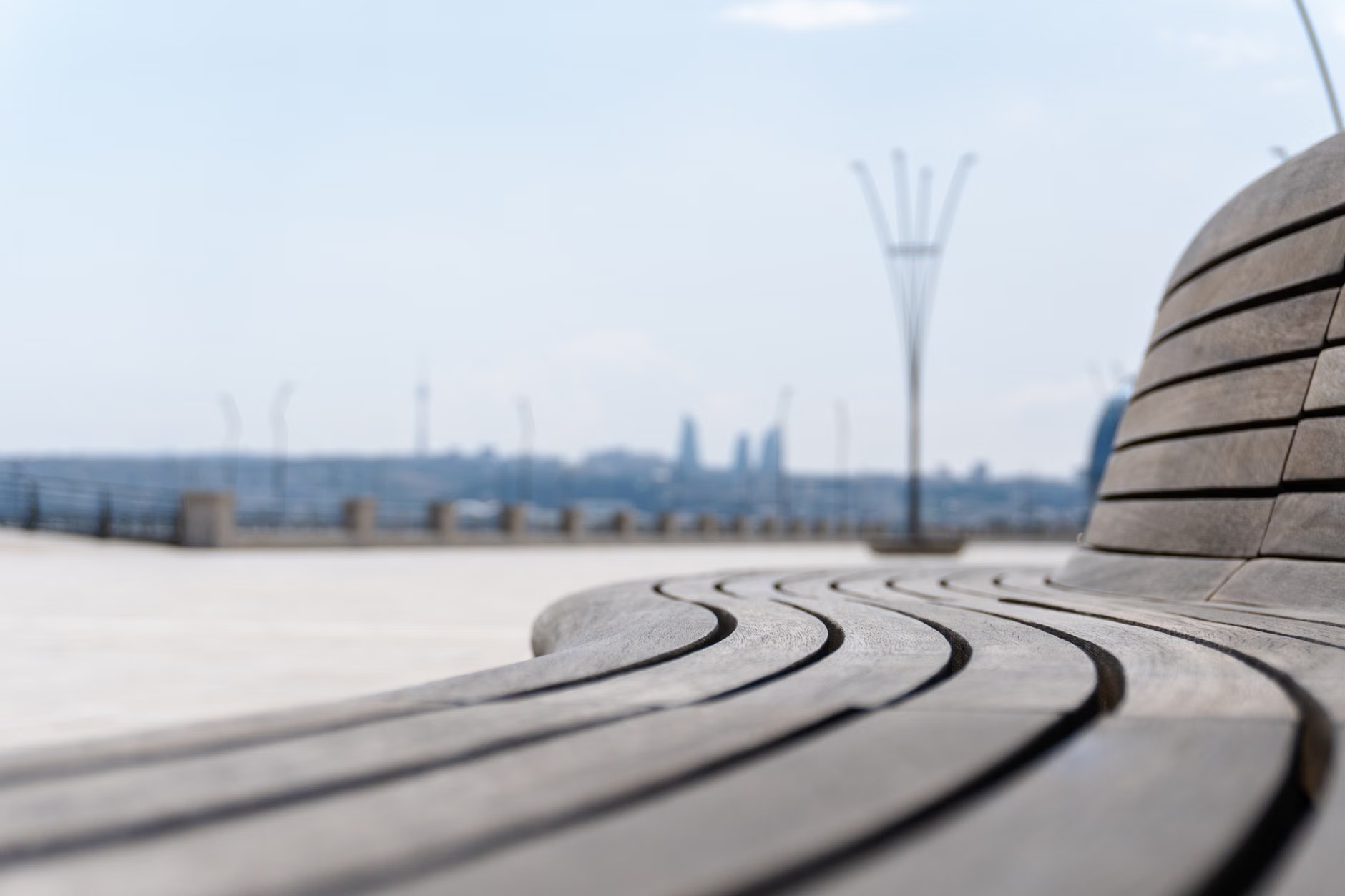
Historically, park seating was often chosen for aesthetic harmony with the landscape. While beauty remains important, the 2026 standards prioritize usability. This means the physical dimensions of the bench are now dictated by human physiology rather than architectural style. Key metrics include:
- Seat Height: Must be between 45cm and 50cm to allow feet to remain flat on the ground while providing enough elevation to make standing up from a seated position less taxing on the knees and hips.
- Armrest Geometry: Must extend to the front edge of the seat to provide a stable lever for pushing off when standing.
- Backrest Angle: Designed at a 100-to-110-degree angle to support the lumbar spine without causing pressure on the neck.
Why These Standards Matter for Your Daily Wellbeing
For many older adults, the ability to walk through a park is a primary source of cardiovascular exercise, social engagement, and mental health. However, the fear of “getting stuck” or being unable to reach a rest point can discourage physical activity. When a park adheres to these new standards, it effectively lowers the barrier to entry for daily exercise.
Preventing Overexertion and Fatigue
Fatigue is a major contributor to fall risks. When a person pushes themselves beyond their current stamina threshold, their gait often becomes uneven, and their balance decreases. By ensuring that seating is available every 50 meters—a distance calculated to be achievable for most adults with moderate mobility—the 2026 standards act as a built-in safety net.
| Feature | Old Standard (General) | 2026 Global Standard |
|---|---|---|
| Spacing | Ad-hoc or aesthetic | Maximum 50m intervals |
| Seat Height | Variable (often too low) | 45cm – 50cm |
| Armrests | Optional/Decorative | Mandatory, full-length |
| Material | Metal (cold/hot) | Thermally neutral/Non-slip |
Note: The 2026 standards prioritize consistency to reduce the cognitive load of navigating a park. Knowing exactly where to find a rest spot allows for better pacing of your walk.
Practical Application: What to Look for in Your Local Park
While municipal governments are adopting these standards, implementation is a gradual process. You can evaluate the “age-friendliness” of your local park by checking for these three critical indicators:
- The “Reach” Test: Can you see the next bench from your current position? If the park has long stretches without seating, it may not meet the 2026 safety guidelines.
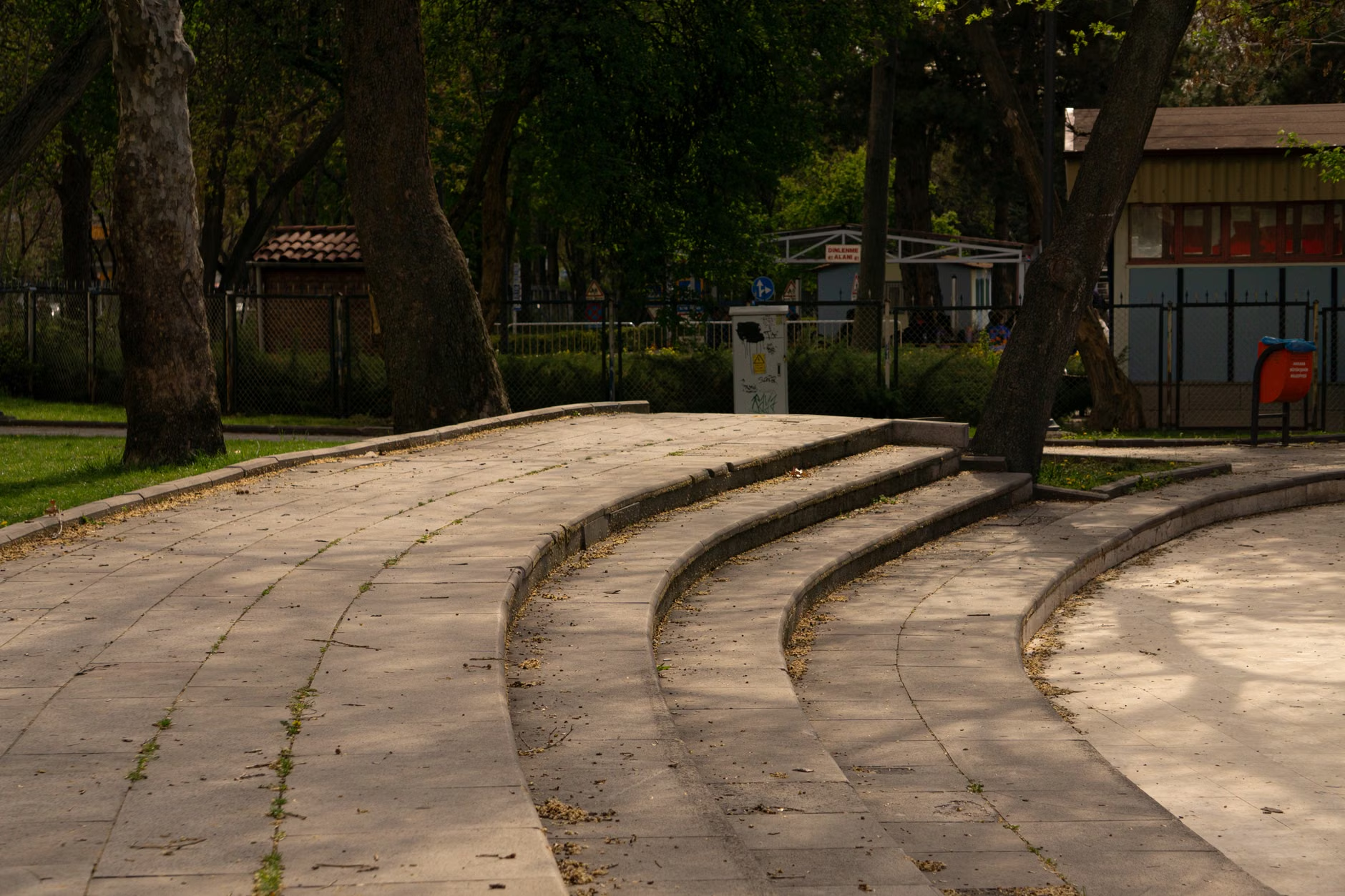
- Ground Surface: The area immediately in front of and beneath the bench should be paved, flat, and free of roots or uneven gravel. This prevents tripping when approaching or leaving the seat.
- Structural Integrity: Check if the bench has armrests. A bench without armrests is significantly harder to use for those with arthritis or limited hip mobility.
Common Mistakes in Park Seating Design
One common mistake in older park designs is the use of “backless” benches. While these look modern, they provide no support for the spine and are extremely difficult for many older adults to sit on safely. Another is the use of metal surfaces in extreme climates. Metal benches can become dangerously hot in the sun or freezing in the winter, which can lead to skin damage or discomfort. The 2026 standards recommend composite materials or wood-capped metal frames that regulate temperature better.
If you are planning a visit to a park, particularly one you are unfamiliar with, consider these steps to ensure a comfortable experience:
- Check Online Maps: Many modern mapping services now include “accessibility” layers. If a park is newly renovated to 2026 standards, it is often highlighted as accessible.
- Pace Yourself: Even in well-equipped parks, use the “10-minute rule.” Walk for 10 minutes, then assess your energy level. Do not wait until you are exhausted to look for a seat.
- Bring a Cushion: If you find that the benches in your local area are still the older, harder variety, carrying a light, foldable foam cushion can make a significant difference in comfort and duration of your stay.
The Role of Advocacy and Local Government
Public infrastructure is maintained by local councils or municipal departments. If your favorite local park fails to provide adequate, safe seating, you have the right to request improvements. When contacting your local representatives, focus on the functional necessity rather than the aesthetic preference.
Practical Action Plan for Advocacy:
- Document: Take photos of the problematic seating areas. Note if the bench is too low, lacks armrests, or is placed on uneven ground.
- Cite the Standard: Mention that you are looking for compliance with the “2026 Global Standards for Age-Friendly Infrastructure.” This gives your request professional weight.
- Focus on Inclusivity: Emphasize that accessible seating benefits not just seniors, but also parents with young children and individuals recovering from injuries.
Anticipating Future Trends in Urban Comfort
Beyond seating, the 2026 guidelines are paving the way for “smart” park features. We are beginning to see the integration of solar-powered lighting near seating areas, which improves safety for those who prefer to walk in the early evening. Furthermore, some cities are experimenting with “integrated rest zones” that include not just benches, but also nearby water stations and shade structures, recognizing that rest is about more than just sitting—it is about hydration and temperature control as well.
It is important to remember that these standards are a baseline. As you navigate these spaces, you may find that some parks exceed these requirements with additional amenities. Always prioritize your personal comfort and mobility needs over the presence of any single feature.
Addressing Potential Challenges
One potential issue with the 2026 rollout is the “retrofit lag.” While new parks will be built to these standards, older parks may take years to update. If you encounter a park that is not yet up to standard, do not feel discouraged from visiting. Instead, use the information provided here to choose segments of the park that are already accessible or to visit during times when you can easily return to your transport.
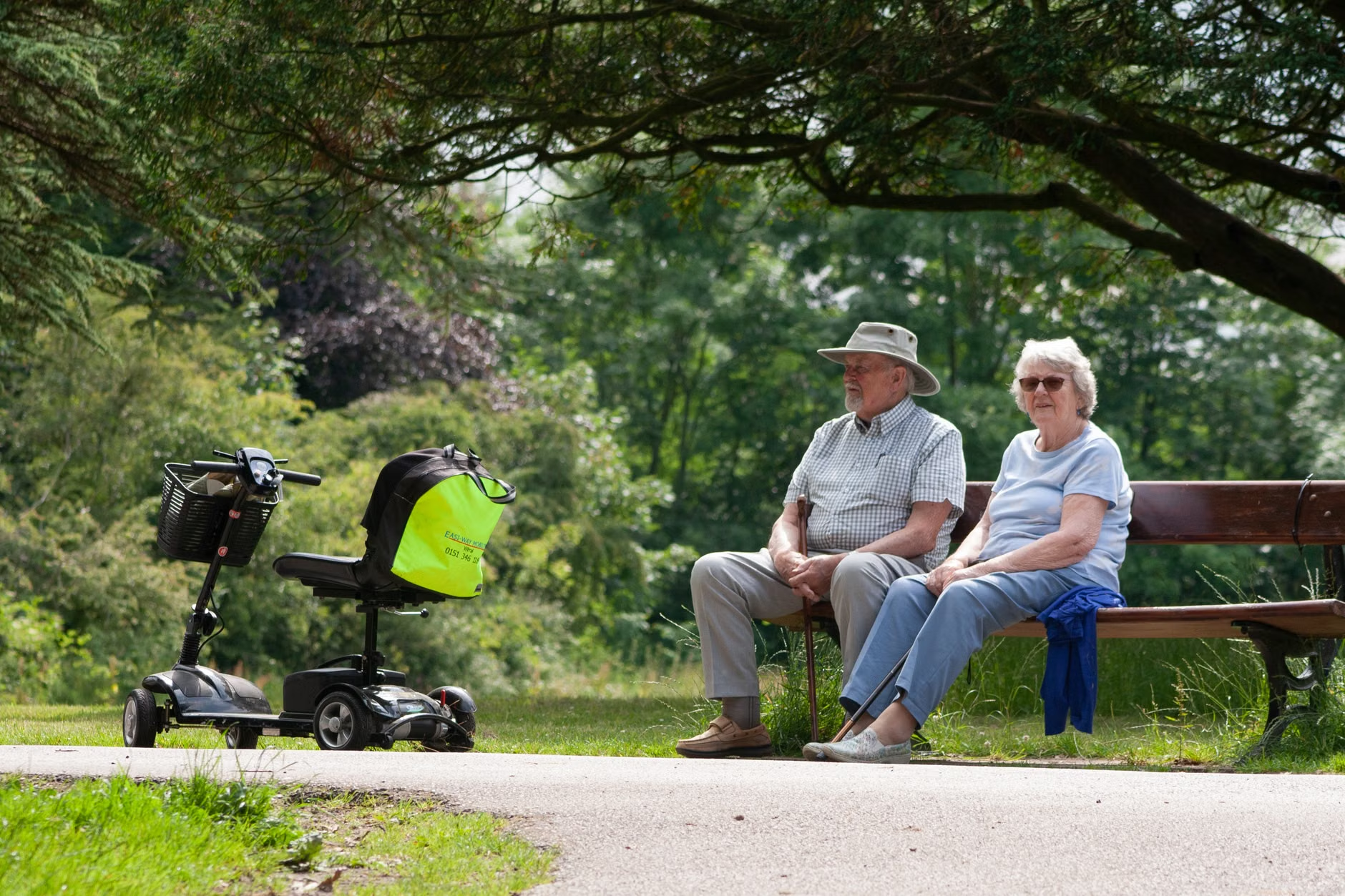
If you have specific mobility aids, such as a walker or cane, always ensure that the bench you choose has enough clear space in front of it to park your device securely. The 2026 standards specifically mandate a “maneuvering space” of at least 1.5 meters in front of the seat to accommodate mobility aids.
Conclusion: Empowering Your Outdoor Experience
The transition toward the 2026 global standards for age-friendly park seating is a positive step toward creating more inclusive, accessible, and enjoyable public spaces for everyone. By understanding what these standards entail—specifically regarding height, armrest support, and strategic placement—you can better plan your outdoor activities and advocate for the features that matter most to your health and independence. Remember, public parks are designed for community use; your ability to access them comfortably is a vital part of your overall wellbeing.
Frequently Asked Questions
1. Do these 2026 standards apply to all parks globally?
While these are global recommendations adopted by many international bodies, they are implemented at the local or national government level. Check with your city’s parks and recreation department to see if they have adopted these specific accessibility guidelines.
2. What should I do if a park bench is too low for me to stand up from safely?
Avoid using seats that are too low, as they put excessive strain on your joints. If you must rest, look for a bench with sturdy armrests that allow you to use your upper body strength to assist in standing. If no such bench is available, consider using a lightweight, portable folding stool designed for seniors.
3. Are there specific materials I should look for to ensure safety?
Look for benches made of materials that are not overly smooth (to prevent slipping) and have low thermal conductivity (like wood or high-quality composite) to ensure the seat remains comfortable in both hot and cold weather. Avoid plain metal benches if possible, as they can become extreme in temperature.
Official guidance on age-friendly environments can be found through the World Health Organization’s Age-Friendly World initiative.