- Biotin, or Vitamin B7, is essential for maintaining the metabolic processes that support skin elasticity and nail structural integrity.
- For adults 60-80, a food-first approach is the safest and most effective way to ensure adequate biotin intake without the risk of supplement-drug interactions.
- Nail brittleness and skin dryness often have multiple causes; biotin is one piece of a broader nutritional and hydration strategy, not a standalone cure.
As we navigate our 60s, 70s, and beyond, our bodies undergo natural physiological changes that affect the skin and nails. You may notice that your skin becomes thinner or more prone to dryness, or that your nails, once strong, begin to split or ridge more easily. While these changes are a normal part of aging, nutrition plays a significant role in how well our bodies maintain these tissues. Among the various nutrients, biotin—also known as Vitamin B7 or Vitamin H—is frequently discussed in the context of “beauty from within.”
Understanding how biotin works in your body helps you make informed decisions about your diet. Rather than seeking “miracle” supplements, focusing on consistent, nutrient-dense eating patterns is the most reliable way to support your body’s resilience. This guide explores the role of biotin in skin and nail health, how to identify reliable food sources, and how to integrate these habits into your daily life.
What is Biotin and How Does It Support Your Body?
Biotin is a water-soluble B-complex vitamin. Unlike fat-soluble vitamins (like A, D, E, and K) that are stored in the body’s fatty tissues, water-soluble vitamins are not stored in large amounts. This means your body requires a regular, daily supply through your diet to maintain optimal levels.
At a cellular level, biotin acts as a coenzyme. This means it helps enzymes perform critical jobs, specifically in the metabolism of fatty acids, glucose, and amino acids. Why does this matter for your skin and nails? Your skin and nails are largely composed of keratin, a structural protein. Biotin is involved in the synthesis of fatty acids, which are essential for maintaining the skin’s lipid barrier. A healthy lipid barrier keeps moisture in and irritants out. Furthermore, while the evidence regarding biotin’s ability to “grow” nails is nuanced, it is widely accepted that biotin deficiency can lead to brittle nails and skin rashes, suggesting that maintaining adequate levels is a baseline requirement for structural health.
Assessing Your Nutritional Needs in Your 60s and 70s
The aging process affects how we absorb and utilize nutrients. For many in the 60-80 age range, digestive efficiency may decrease, or certain medications may interact with vitamin absorption. This makes it even more important to prioritize nutrient density over caloric density.
The “Food-First” Philosophy
It is tempting to look for a quick fix in a multivitamin or a specialized “hair, skin, and nails” supplement. However, clinical guidance consistently emphasizes that a balanced diet provides biotin alongside other synergistic nutrients (such as zinc, iron, and protein) that your body needs to actually utilize that biotin effectively. Supplements are often unregulated and can sometimes interfere with diagnostic blood tests, particularly those for thyroid function or cardiac markers like troponin. If you are taking medication, always discuss any new supplement regimen with your primary care provider to avoid unintended interactions.
Practical Sources of Dietary Biotin
Biotin is found in a wide variety of common, affordable foods. You do not need exotic “superfoods” to reach your daily requirements. The following table illustrates some of the most accessible sources.
| Food Source | Typical Serving | Why it’s a Great Choice |
|---|---|---|
| Cooked Eggs | 1 Large Egg | The yolk is one of the most concentrated sources of biotin. |
| Almonds/Walnuts | 1/4 Cup | Provides healthy fats and vitamin E alongside biotin. |
| Salmon | 3 Ounces | Rich in Omega-3 fatty acids, which complement biotin for skin hydration. |
| Sweet Potatoes | 1 Medium | High in beta-carotene, supporting overall skin health. |
| Legumes (Lentils/Peas) | 1/2 Cup | High in fiber and protein, supporting gut health for better absorption. |
Note: Always consume eggs cooked. Raw egg whites contain avidin, a protein that binds to biotin and prevents its absorption in the digestive tract. Cooking denatures avidin, making the biotin available for your body to use.
Building a Daily “Resilience Routine”
Nutrition is most effective when it is part of a consistent daily routine. If you are looking to support your skin and nail health, consider these three pillars of daily practice:
1. Strategic Meal Planning
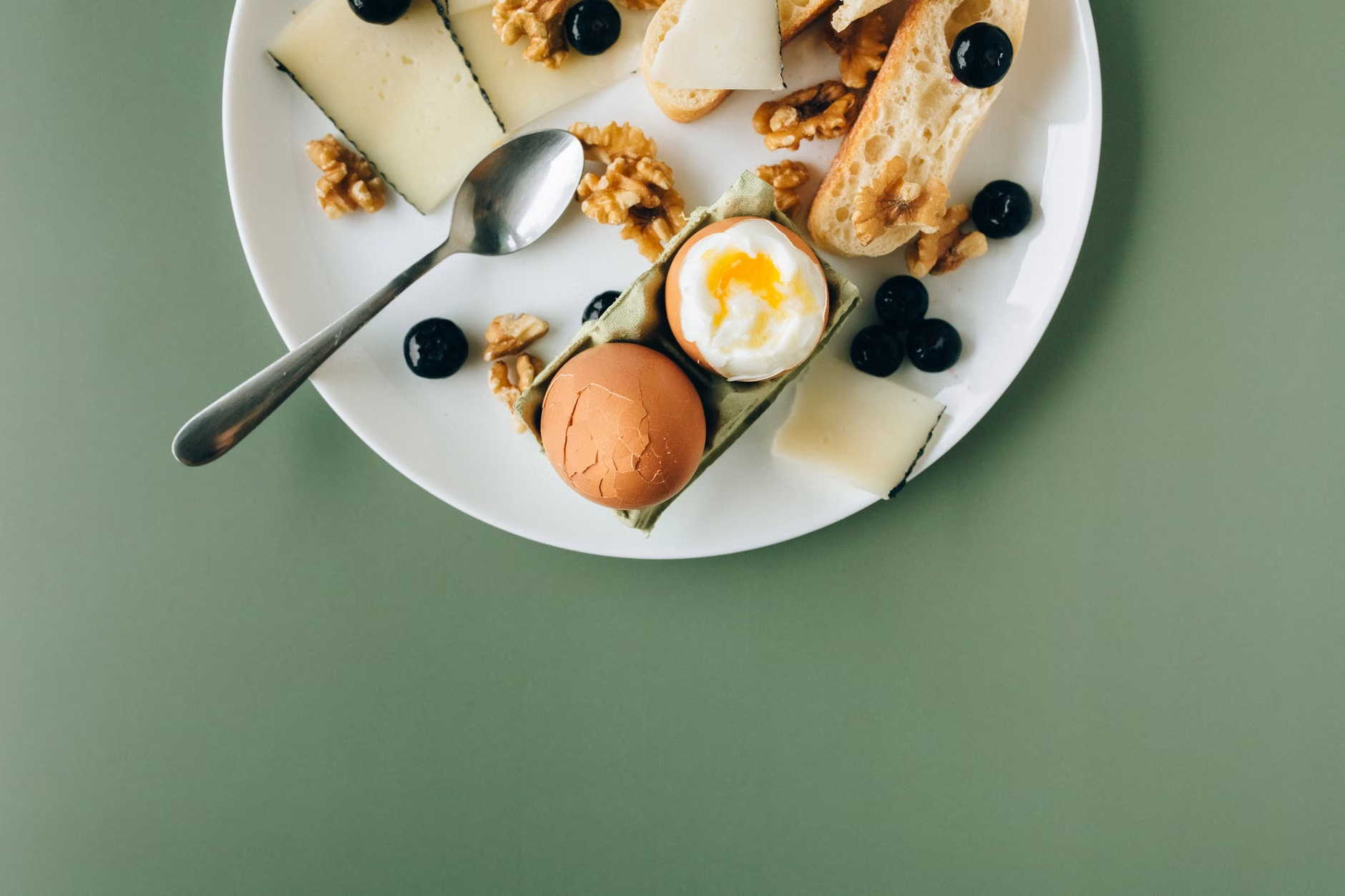
Instead of trying to track every microgram of biotin, focus on “nutrient pairing.” For breakfast, combine a cooked egg with a slice of whole-grain toast. For a snack, choose a handful of walnuts. By incorporating these items into your existing meals, you naturally increase your biotin intake without the stress of rigid tracking.
2. Hydration and Environmental Protection
Biotin helps the skin barrier, but it cannot compensate for external damage. In your 60s and 70s, the skin’s oil production slows down. Use a gentle, fragrance-free moisturizer immediately after showering to lock in hydration. When gardening or performing household chores, wear gloves. This protects the nail plate from physical trauma and prevents harsh cleaning chemicals from stripping away natural oils.
3. Recognizing When to Seek Professional Advice
If you notice persistent, unexplained changes in your skin—such as unusual rashes, sudden thinning, or nails that are chronically splitting despite a balanced diet—it is time to speak with a healthcare professional. These symptoms can sometimes be indicators of underlying conditions like thyroid disorders, anemia, or circulation issues. Do not assume that a simple vitamin deficiency is the cause if symptoms are severe or persistent.
The Nuance of Supplements: What You Need to Know
If your doctor determines that your biotin levels are clinically low, they may recommend a supplement. If this happens, be aware of the “Biotin Interference” phenomenon. High doses of biotin (often found in supplements marketed for hair and nail growth) can skew results for blood tests. This is a critical safety point: Always inform your doctor if you are taking a biotin supplement before you undergo any blood work. This allows them to interpret your test results accurately.
Furthermore, avoid the “more is better” trap. Because biotin is water-soluble, your body will simply excrete excess amounts through your urine. Taking massive doses does not provide “extra” benefits for your skin or nails; it merely stresses your kidneys to filter out the surplus.
Common Misconceptions About Nail and Skin Aging
Many people believe that aging skin is inevitable and nothing can be done. While we cannot stop the clock, we can influence the *quality* of our skin and nails through proactive habits. Another common misconception is that all nail issues are nutritional. In reality, nail health is often impacted by mechanical wear and tear, fungal infections, or poor circulation. If you notice a nail turning yellow or thickening, this is rarely a dietary issue and should be examined by a podiatrist or dermatologist to rule out infection.
Integrating Healthy Habits into Daily Life
Living well in your 60s and 70s is about balancing activity with smart, preventive maintenance. Think of your nutrition as a form of long-term investment. Just as you maintain your home or your vehicle, your body requires consistent, quality fuel to function effectively.
Step-by-Step Checklist for Nutritional Resilience:
- Review your plate: Are you including at least one biotin-rich food (eggs, nuts, salmon, legumes) in your daily rotation?
- Check your medications: Are you on any medications that might affect nutrient absorption? Ask your pharmacist for clarification.
- Observe your skin and nails: Keep a simple log if you notice changes. When did it start? Is it in one specific area or widespread? This information is invaluable if you need to see a doctor.
- Prioritize physical protection: Use gloves for cleaning and gardening, and apply moisturizer consistently.

The Role of Lifestyle Beyond Nutrition
Nutrition is a powerful tool, but it works best in tandem with other lifestyle habits. Circulation is vital for nail health; the blood flow to your extremities carries the nutrients you eat to the nail bed. Regular, gentle exercise—such as walking or swimming—improves circulation throughout the body, including the hands and feet. Furthermore, adequate sleep allows the body to perform its natural repair processes. During sleep, your skin cells undergo renewal, and your body stabilizes metabolic functions that biotin supports.
Consider the impact of the environment as well. Dry air, whether from winter heating or air conditioning, can exacerbate skin dryness. Using a humidifier in your bedroom during the winter months can prevent your skin from losing moisture, complementing the internal benefits provided by a biotin-rich diet.
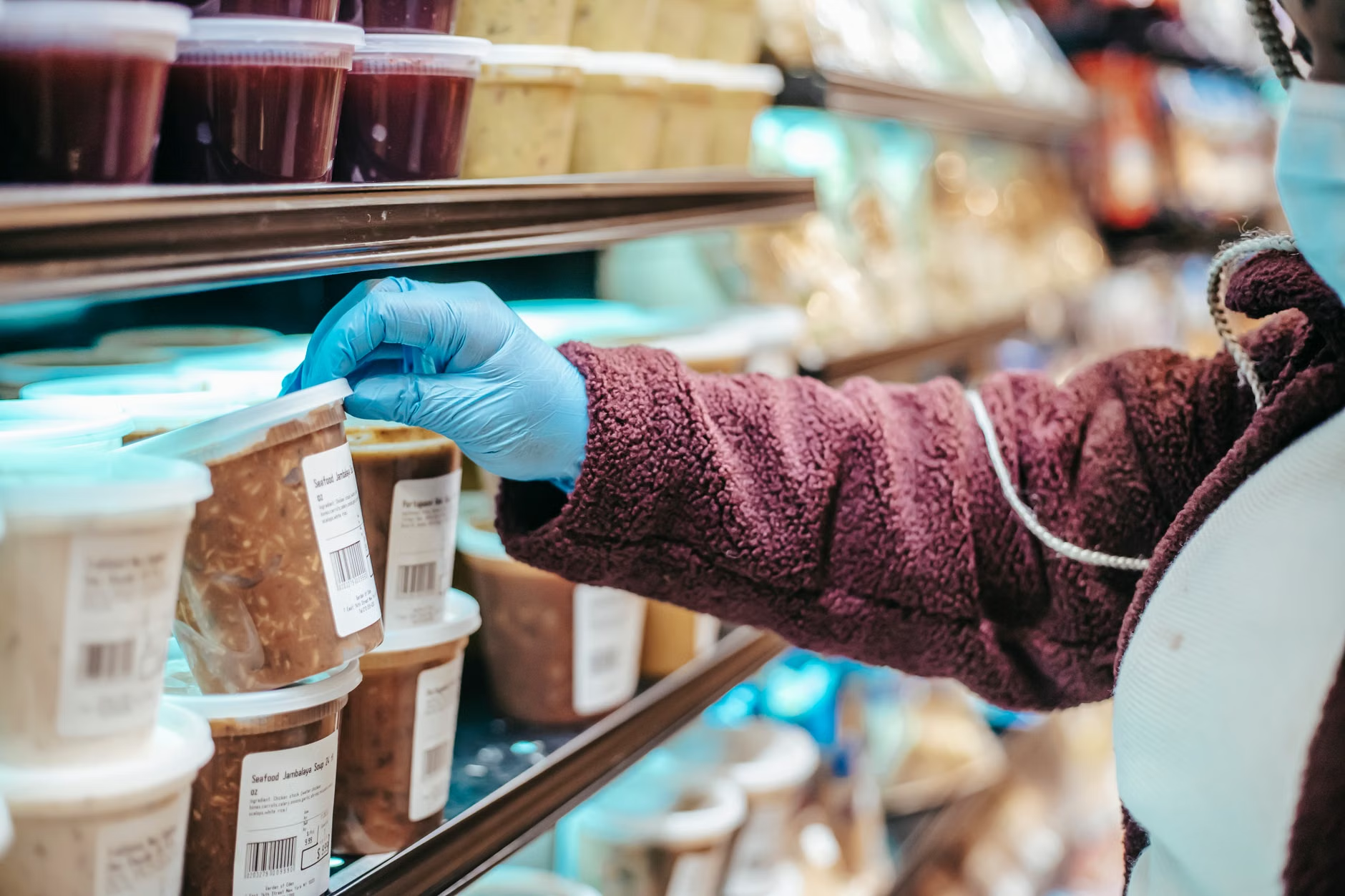
If you decide to consult a professional about your skin or nail concerns, preparation is key. Bring a list of all current medications and supplements you are taking. Be prepared to describe your diet—not just what you eat, but how often. Are you eating three balanced meals, or are you snacking frequently? Does your diet include processed foods, or is it mostly whole foods? This context helps a dietitian or physician understand your nutritional status far better than a simple list of ingredients.
Ask your provider, “What are the most likely causes of these specific changes in my nails/skin?” rather than asking if a supplement will fix it. This shifts the conversation from a quick-fix mentality to a diagnostic, problem-solving approach.
Conclusion: A Balanced Perspective on Aging
Supporting skin and nail resilience is a marathon, not a sprint. By focusing on a whole-food diet that includes biotin-rich staples, protecting your skin from environmental damage, and staying mindful of how your body changes over time, you can maintain your health and comfort well into your 80s and beyond. Remember that your body is resilient, and small, consistent changes in your daily habits can yield significant benefits over time. Focus on the basics, stay observant of your body’s signals, and rely on evidence-based nutrition to support your journey of healthy aging.
Frequently Asked Questions
1. Can I get too much biotin from food?
It is extremely unlikely to consume too much biotin from food alone. Because it is a water-soluble vitamin, your body efficiently excretes any excess through your urine. The primary risk of “too much” biotin comes from high-dose, unregulated supplements.
2. How long does it take to see results in my nails after improving my diet?
Nails grow slowly—it can take several months for a new, healthy nail to grow from the cuticle to the free edge. Consistency is essential. Do not expect changes overnight; instead, look for incremental improvements in nail strength and reduced splitting over a period of 3 to 6 months of sustained healthy eating.
3. Are there specific medical conditions that increase the need for biotin?
Certain conditions, such as inflammatory bowel diseases or chronic alcohol use, can impair the absorption of B vitamins, including biotin. If you have a chronic digestive condition, it is particularly important to work with your doctor to ensure your nutritional intake is adequate, as you may have different requirements than the general population.
Official source for dietary reference values and nutrition information: National Institutes of Health (NIH) Office of Dietary Supplements: Biotin Fact Sheet for Health Professionals.