- Prioritize “Terrain Mapping”: Use digital satellite views or contact the garden’s visitor services to confirm the ratio of paved paths versus gravel or inclines before you arrive.
- Manage Energy Through Micro-Resting: Plan a route that incorporates seating every 100-200 meters to maintain stamina and prevent joint fatigue throughout your visit.
- Verify “Last-Mile” Accessibility: Don’t assume that because a garden is “accessible,” its shuttle services or internal transport vehicles are available without prior reservation or specific mobility documentation.
The Intersection of History and Accessibility
Historic botanical gardens are often crown jewels of a city’s landscape, offering a tranquil escape and a window into botanical history. However, for the senior traveler, the term “historic” can occasionally be a warning sign regarding infrastructure. Many of these sites were designed centuries ago, long before the implementation of modern accessibility standards. Selecting a destination that balances historical integrity with modern physical comfort is the key to a successful outing.
When we talk about “accessible” gardens for adults aged 60 to 80, we are looking for more than just a lack of stairs. We are looking for a cohesive system of support: smooth ground surfaces, frequent resting points, manageable gradients, and clear, legible information. A truly accessible garden allows you to focus on the flora and the atmosphere rather than the physical stress of navigating the terrain.
Why Terrain Matters More Than You Think
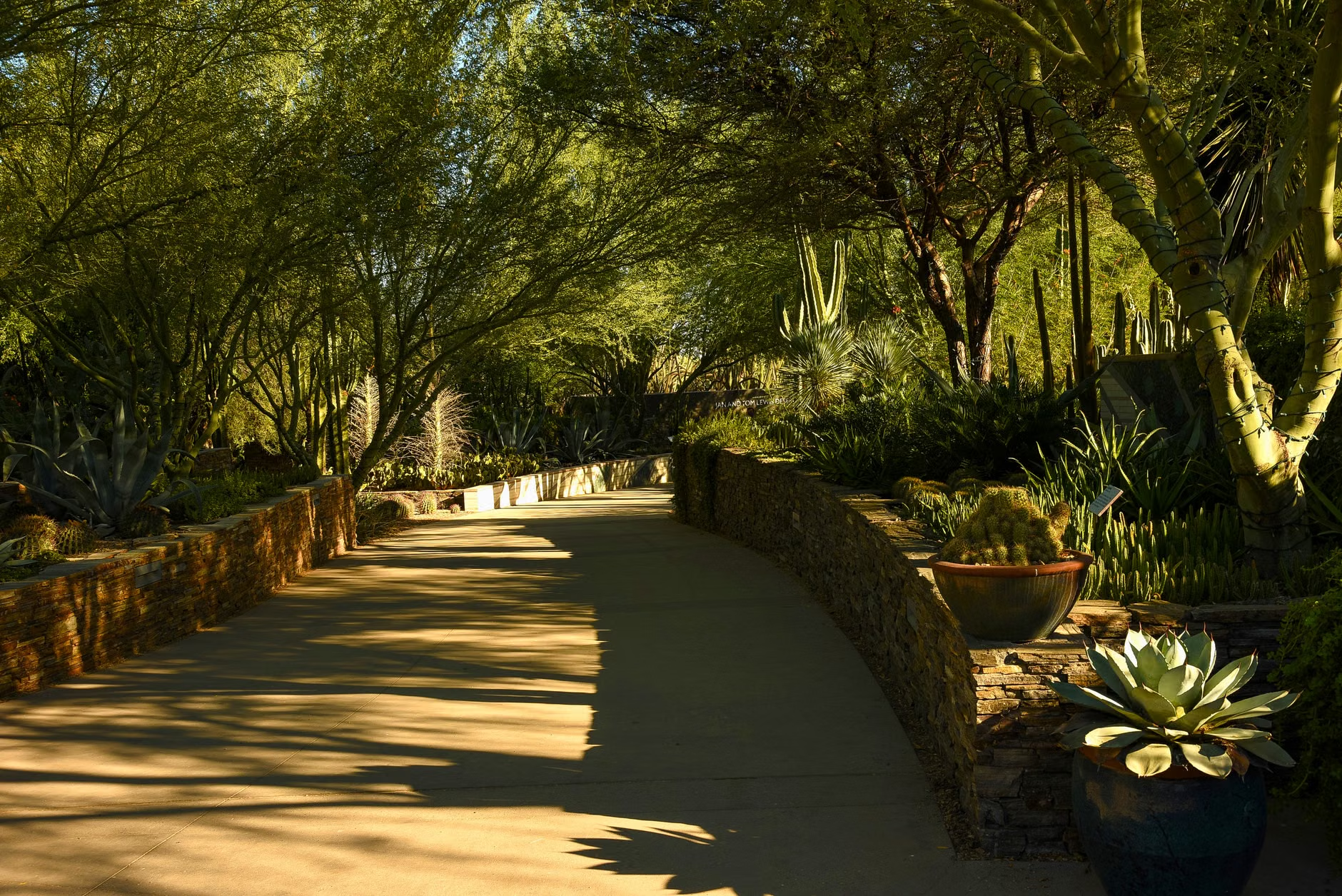
The primary physical challenge in historic gardens is the ground surface. While a garden might claim to be “wheelchair accessible” or “mobility friendly,” there is a significant difference between a smooth, compacted surface and loose gravel or uneven historic cobblestones. For someone using a cane, a walker, or even just someone who prioritizes stable footing, loose surfaces require constant micro-adjustments of the legs and core, which leads to premature fatigue.
Common Mistake: Assuming that all paths marked on a map are equal. In many older gardens, the “main” paths may be paved, but secondary paths—which often lead to the most interesting specimens—may be unpaved or steep. Always check the garden’s official accessibility page for a “mobility map” that highlights the primary, secondary, and restricted routes.
Strategic Planning: The Pre-Visit Audit
Before you commit to a visit, a quick audit of the facility’s online presence can save you hours of frustration. Many botanical gardens now provide detailed accessibility guides that go beyond a simple statement of compliance.
The Four-Point Checklist for Garden Accessibility
| Feature | What to Look For | Why It Matters |
|---|---|---|
| Path Surface | Paved, asphalt, or hard-packed resin. | Prevents tripping and reduces the effort required for walking. |
| Gradients | Information on slopes exceeding 5-8%. | High inclines can strain the heart and joints, especially in hot weather. |
| Resting Points | Benches every 100-200 meters. | Essential for maintaining stamina and managing chronic conditions. |
| Transport | Internal shuttle buses or golf carts. | Allows you to reach distant sections without walking the full circuit. |
If a garden’s website does not provide this information, a brief email to the visitor center is a highly effective, low-effort step. Ask: “Is the majority of the garden accessible via paved paths, and are there frequent benches along the main routes?” If they cannot provide a clear answer, it is often an indicator that the site is not well-prepared for visitors who prioritize accessibility.
Managing Stamina and Mobility on the Day
Even in the most accessible garden, the sheer scale of the grounds can be overwhelming. Botanical gardens are often vast, and the distance from the entrance to the “main attraction” can be surprising. Successful navigation is about pacing, not endurance.
The “Out-and-Back” Strategy
Instead of attempting to complete a large loop, identify the most significant areas you want to see and plan an “out-and-back” route. If you are using a mobility aid, this ensures that you are never too far from the entrance or the nearest exit. It also allows you to gauge your energy levels mid-way; if you are feeling fatigued, you can return to the start without having to finish the full circuit.
The Role of Assistive Technology
Do not hesitate to utilize available assistive devices. Many world-class gardens, such as the Royal Botanic Gardens at Kew (UK) or the New York Botanical Garden (USA), offer mobility scooters or wheelchairs for rent. Using a scooter does not imply a lack of ability; it is a strategic choice to preserve your energy for the parts of the trip that truly matter, such as the afternoon tea or the guided lecture.
Insight: If you are traveling with a companion, consider the “companion-assisted” approach. Some gardens have narrow paths that are perfectly fine for a person walking but difficult for a motorized scooter. If you have a companion, they can assist with navigating tighter, more scenic areas while you save your energy for the wider, more open spaces.
Botanical gardens are categorized by their climate-controlled environments, and each presents unique risks and requirements for the senior traveler.
Glasshouses and Conservatories
Glasshouses are often the highlight of a botanical garden, but they can be traps for the unprepared. The humidity and heat levels inside these structures are often significantly higher than in the outdoor sections. For individuals with respiratory conditions or those who are sensitive to heat, this transition can be jarring.
- Entry/Exit Protocol: Take five minutes in the transition area (the airlock between the outside and the conservatory) to allow your body to adjust to the change in temperature and humidity.
- Hydration: Keep water with you. The high humidity can sometimes mask the feeling of dehydration.
Water Features and Specialized Collections
Historic gardens often feature ponds, fountains, and aquatic plant collections. While beautiful, these areas are frequently surrounded by wooden boardwalks. Over time, wood can become slippery, especially if there is moss or morning dew. Always test the surface with one foot before committing your full weight, and prioritize paths that offer handrails near water features.

Safety and Emergency Preparedness
Traveling to a botanical garden, even in your home country, requires a basic level of emergency awareness. Because these sites are often spread out, emergency response times can be slower than in a city center.
The Importance of Communication
Before you start your walk, take a photo of the garden map with your smartphone. It is a simple, digital backup that ensures you always know where the exits, restrooms, and first-aid stations are, even if you misplace the paper brochure. If you are traveling alone, ensure that a family member or the hotel concierge knows your approximate itinerary and expected return time.
When to Seek Professional Assistance
If you experience any of the following while in the garden, do not push through the discomfort:
- Sudden joint pain or instability: This may indicate that the terrain is unsuitable for your current mobility level.
- Shortness of breath: Especially if you are in a high-humidity conservatory.
- Dizziness or lightheadedness: A common sign of overexertion or dehydration in the sun.
Most large gardens have security or guest services staff who are trained to assist visitors in distress. If you feel unwell, find the nearest staff member immediately—do not attempt to walk back to the entrance on your own.
Practical Tips for a Stress-Free Visit
To maximize your enjoyment, consider these practical adjustments to your visit:
- Timing is Everything: Visit on weekday mornings. Weekends are peak times for families and large groups, which can make the paths congested and the seating areas occupied. A quiet morning allows you to move at your own pace without feeling pressured by crowds.
- Check for “Accessibility Days”: Many global botanical gardens host specific days or time slots with reduced crowds, which can be an excellent opportunity for those who prefer a quieter environment.
- Wear Appropriate Footwear: Even if you are not walking “far,” the stability required for garden paths is higher than on a flat hotel floor. Choose shoes with good arch support and non-slip soles.

Conclusion
Selecting an accessible botanical garden is not about limiting your options; it is about choosing environments where you can thrive. By conducting a quick pre-visit audit, managing your energy with the “out-and-back” strategy, and respecting your body’s signals, you can turn a potentially exhausting trek into a rejuvenating experience. Remember that the beauty of a garden is best appreciated when you are comfortable, safe, and not rushing to reach the next landmark.
Your goal is to enjoy the natural world with confidence. Use the resources available—the maps, the mobility aids, and the staff—to ensure that your visit remains a pleasure rather than a physical challenge. When you plan with accessibility in mind, the world’s most beautiful gardens become much more than just scenery; they become a space for your personal well-being.
Frequently Asked Questions (FAQ)
1. How can I confirm if a garden’s shuttle service is actually accessible for my needs?
Most official garden websites have a “Plan Your Visit” or “Accessibility” section. Look for specific language regarding “wheelchair-accessible shuttles” or “mobility vehicles.” If the information is vague, call the visitor services office directly. Ask specifically: “Does the shuttle have a ramp or lift, and do I need to book it in advance?” Do not rely on general claims of accessibility.
2. What should I do if I find the terrain in a garden is more difficult than I expected?
If you find yourself on a path that is too steep or uneven, turn back immediately. Do not feel the need to “finish” a loop. Many gardens have a central hub or main artery that is much more accessible than the outer trails. If you are struggling, return to the nearest visitor center or information desk and ask for a mobility map that highlights the most level, paved routes.
3. Are there specific times of day that are better for seniors at these gardens?
Yes, weekday mornings are generally the best. You avoid the weekend crowds, the sun is typically less intense, and the staff are often more available to assist with questions or provide extra help with mobility equipment. Additionally, many gardens offer discounted or free entry for seniors on specific weekdays, which can be checked on their official ticketing websites.
For further information on global accessibility standards, you may refer to the W3C Web Accessibility Initiative for general principles, and always check the specific country’s national tourism board website for local accessibility certifications.