Vitamin B1 (Thiamin) for Nerve Function: A Practical Guide for Healthy Aging
Key Takeaways:
- Vitamin B1 (Thiamin) is essential for converting carbohydrates into energy and maintaining the integrity of your nervous system.
- Deficiency in older adults is often masked by other health conditions, meaning you must monitor for subtle signs like unexplained fatigue, irritability, or tingling in the limbs.
- A diet centered on whole grains, legumes, and lean proteins is the most effective way to meet your daily requirements, as absorption efficiency can naturally decrease with age.
Maintaining the health of your nervous system is a cornerstone of independent living as you navigate your 60s, 70s, and beyond. Among the various nutrients required for this, Vitamin B1—also known as thiamin—plays a critical, often overlooked role. It acts as a vital coenzyme, a helper molecule that allows your body to process the energy from the food you eat and translate that energy into the electrochemical signals your nerves need to function properly.
When levels of thiamin are insufficient, the body’s cells, particularly those in the brain and the peripheral nerves, struggle to generate enough energy to survive. This article provides a comprehensive look at how you can ensure your intake is sufficient, how to recognize when your body might be signaling a deficiency, and how to make informed decisions about your diet and potential supplementation.
Why Vitamin B1 Matters for Your Nervous System
The human nervous system is an energy-hungry network. It requires a constant, steady supply of glucose to maintain the “sodium-potassium pump” in your nerve cells. This pump is what allows your nerves to fire signals to your muscles, relay sensory information to your brain, and regulate autonomic functions like your heartbeat and digestion.
Thiamin is the “spark plug” in this engine. Without it, the oxidation of carbohydrates—the primary fuel for your brain—is hindered. When nerve cells cannot produce enough energy, they begin to malfunction. In the peripheral nervous system, this often presents as sensory changes, such as numbness or a “pins and needles” sensation in the feet. In the central nervous system, it can lead to cognitive fog, confusion, or difficulty with coordination.
For adults aged 60 to 80, the importance of this vitamin is amplified by the fact that our bodies become slightly less efficient at absorbing nutrients from the digestive tract. Furthermore, many medications commonly prescribed in this age bracket, such as diuretics (often used for blood pressure management), can increase the excretion of water-soluble vitamins like B1 through urine, creating a “hidden” risk that requires proactive management.
Identifying the Risks: Who is Most Vulnerable?
It is a common misconception that in developed countries, nutrient deficiencies are rare. While severe, life-threatening deficiencies like “Beriberi” are uncommon, sub-clinical deficiencies are more frequent than many realize. You are at a higher risk if your daily routine includes certain factors that deplete or interfere with B1 levels.
Factors That Impact Your Thiamin Status
| Factor | Why It Impacts B1 Levels | Practical Action |
|---|---|---|
| Diuretic Medications | Increases urinary output, flushing out water-soluble vitamins. | Ask your doctor if you need to monitor your B1 levels or adjust your diet. |
| High Intake of Refined Carbs | Processing white flour/sugar requires more B1, depleting stores faster. | Swap white bread/pasta for whole grains (oats, brown rice). |
| Chronic Digestive Issues | Conditions like gastritis can lower absorption rates. | Focus on nutrient-dense, easily digestible foods like cooked legumes. |
| Alcohol Consumption | Alcohol inhibits thiamin absorption and increases excretion. | Limit intake and prioritize B1-rich snacks if you consume alcohol. |
Understanding these variables allows you to make informed decisions. If you are taking a diuretic for hypertension, for example, your “baseline” requirement for thiamin may be higher than that of someone who is not. This does not mean you should immediately start a high-dose supplement, but rather that you should be more intentional about your food choices.
The Practical Approach: Integrating B1 into Your Daily Diet
The most reliable way to maintain adequate thiamin levels is through a varied, whole-food diet. Because Vitamin B1 is water-soluble, your body does not store it in large quantities; you need a consistent daily supply. Fortunately, it is found in a wide variety of common, affordable foods.
Focus Foods for Your Grocery List
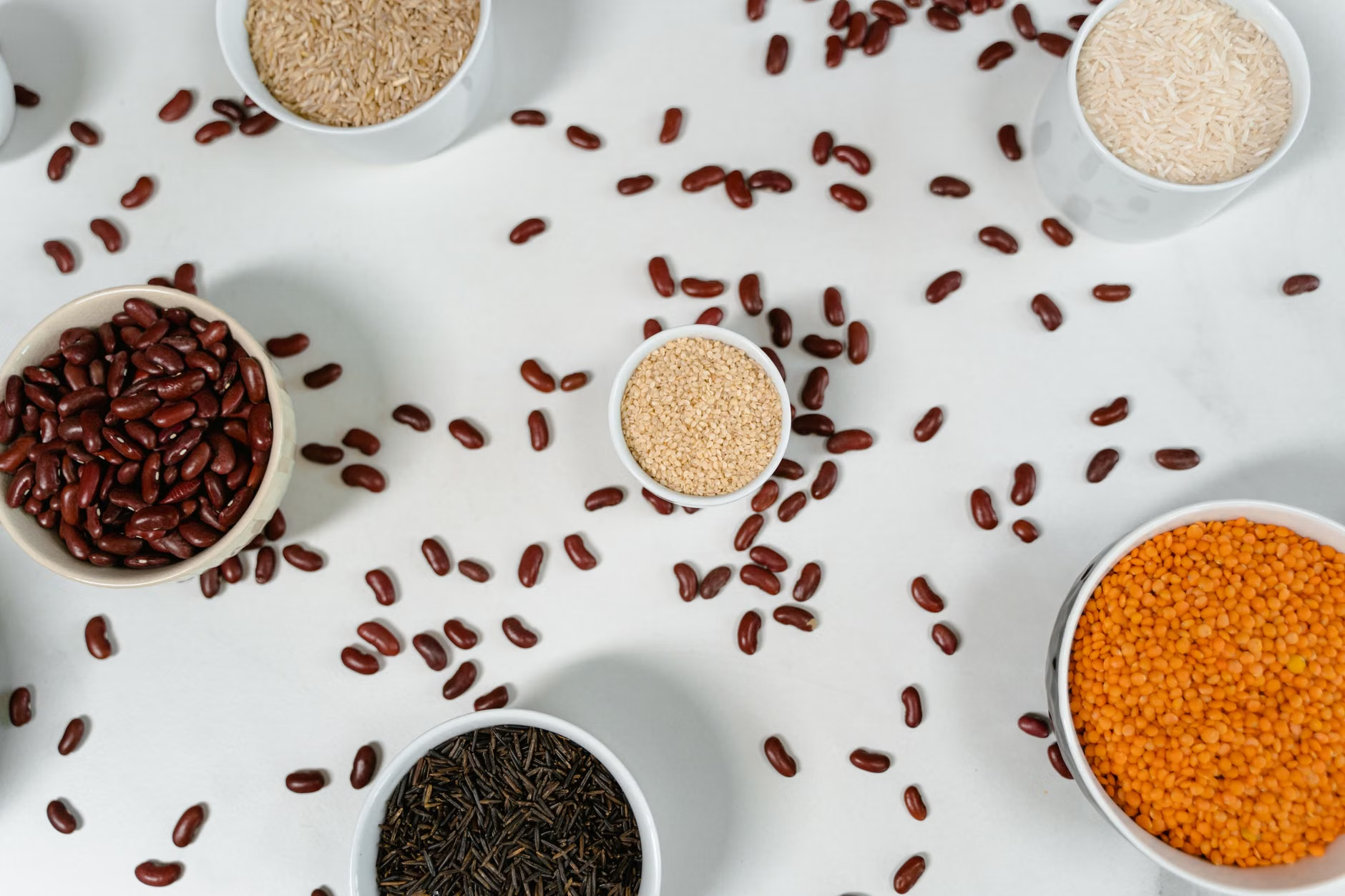
- Whole Grains: Whole-wheat bread, brown rice, oats, and fortified breakfast cereals. Note: Check labels, as “enriched” flour often has B1 added back in, but whole grains provide the fiber necessary for overall gut health, which aids absorption.
- Legumes: Lentils, black beans, soybeans, and peas. These are excellent staples because they are shelf-stable, cost-effective, and provide significant protein alongside thiamin.
- Lean Proteins: Pork is one of the highest natural sources of thiamin. Lean cuts like pork tenderloin can be a healthy addition if prepared with minimal fat.
- Nuts and Seeds: Sunflower seeds and pistachios are high-density sources. A small handful as a snack can provide a meaningful percentage of your daily requirement.
When preparing these foods, keep in mind that thiamin is sensitive to heat and can leach into cooking water. To maximize your intake, prefer steaming or microwaving vegetables and grains over boiling them in large amounts of water that you then discard. If you do boil foods, using that water in a soup or stew ensures you recover the vitamins that have leached out.

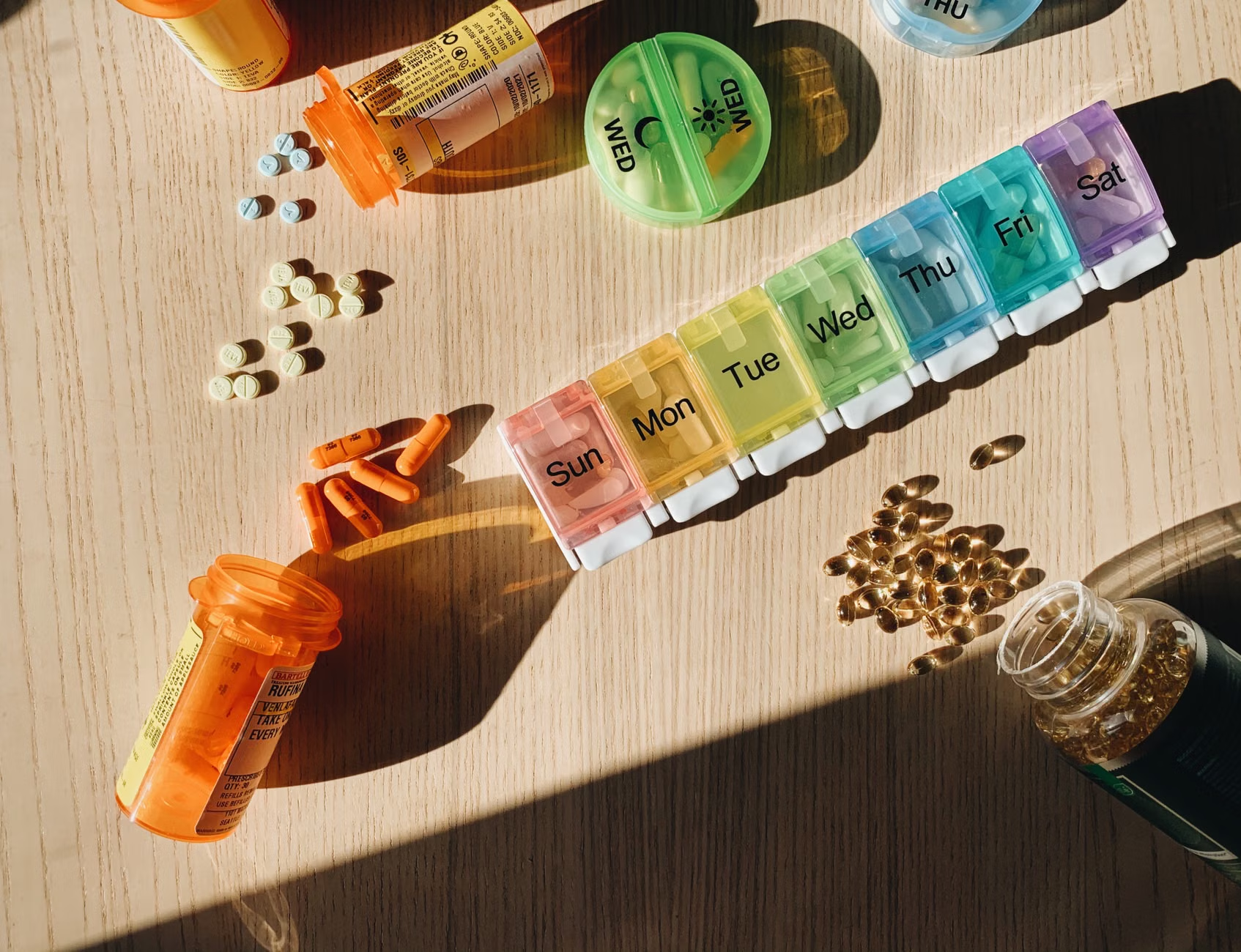
Many seniors consider taking a B-complex supplement to “cover their bases.” While this is often safe, it is important to distinguish between a daily multivitamin and a therapeutic dose of a specific vitamin. If you suspect a deficiency, you must speak with your healthcare provider before starting a high-dose supplement.
Preparation for Your Medical Appointment
When you discuss your nutritional status with a doctor, do not go in empty-handed. Bringing specific information helps your doctor make a more accurate assessment:
- A Medication Log: List every prescription, over-the-counter medication, and supplement you take. Some drugs interact with nutrient absorption.
- A Symptom Diary: If you are concerned about nerve health, note specific symptoms. Are they occurring at night? Are they triggered by movement? Are they consistent or intermittent?
- A 3-Day Food Record: Write down what you actually eat for three days. This gives your doctor a realistic picture of your nutritional intake, which is far more useful than a general description like “I eat pretty well.”
Warning Signs That Require Professional Attention: If you experience persistent numbness, significant weakness in your legs, sudden changes in your vision, or confusion, do not attribute these to “just getting older.” These can be signs of nerve damage that requires clinical investigation. While Vitamin B1 deficiency is one possibility, these symptoms could also relate to other conditions like B12 deficiency, diabetes, or neurological issues that require prompt diagnosis.
Common Misconceptions and Hidden Realities
One of the most overlooked variables in senior health is the impact of “food processing” on nutrient density. Many older adults shift toward softer, more processed foods as they age due to dental concerns or convenience. Unfortunately, highly processed foods are often stripped of their B-vitamins. A meal of white toast and tea provides very little in the way of the thiamin needed to support nerve function, whereas a bowl of oatmeal with sunflower seeds provides a significant boost.
Another reality is the “absorption gap.” As we reach our 70s and 80s, the stomach may produce less acid, which is necessary to break down nutrients from food. This means that even if you are eating a “healthy” diet, you might not be absorbing as much thiamin as a younger person. This is why focusing on nutrient-dense, bioavailable sources—like legumes and lean meats—is more effective than relying on fortified cereals that may contain high amounts of added sugar.
Strategic Planning for Long-term Nerve Health
Preventive health is not about eliminating all risks, but about building a foundation that makes your body more resilient. For nerve health, this means a three-pronged approach:
- Dietary Audit: Once every few months, look at your pantry. Are you relying too much on refined grains? Can you swap one meal a day for a whole-grain or legume-based alternative?
- Hydration and Medication Management: If you are on diuretics, work with your pharmacist to understand how your medication affects your electrolyte and vitamin balance. Keep track of your symptoms during routine check-ups.
- Activity-Based Monitoring: Your nerves provide feedback through movement. If you find your balance is off or your gait has changed, treat this as a signal to review your overall health, including your nutritional status.
By staying attentive to these factors, you maintain agency over your health. You are not just reacting to problems as they arise; you are actively fueling your nervous system to support the lifestyle you want to lead. Whether it is traveling, enjoying hobbies, or spending time with family, the integrity of your nerves is what allows you to engage fully with the world.
Conclusion
Vitamin B1 is a fundamental building block for the nervous system, enabling the energy production that supports everything from your daily steps to your cognitive clarity. For adults aged 60 to 80, the combination of potential changes in absorption, the use of common medications, and shifts in dietary patterns makes it essential to be intentional about thiamin intake. By prioritizing whole, unprocessed foods and maintaining an open, data-driven dialogue with your healthcare providers, you can effectively support your nerve function and promote long-term vitality.
Frequently Asked Questions
1. Can I get too much Vitamin B1 from food?
It is extremely unlikely. Vitamin B1 is water-soluble, meaning your body excretes excess amounts through your urine. There is no established upper limit for thiamin intake from food, as it is considered safe even at higher levels.
2. How long does it take for a B1 deficiency to affect my nerves?
The body has a limited store of thiamin—typically enough to last only a few weeks if intake completely stops. However, in most cases, a deficiency develops slowly over months of inadequate intake, which is why consistent daily habits are more important than occasional “boosts.”
3. Are there specific tests to check my Vitamin B1 levels?
Yes, doctors can order blood tests to measure erythrocyte transketolase activity or direct serum thiamin levels. These tests are typically reserved for patients who show specific symptoms of deficiency, as they are not standard in routine annual physicals. If you have concerns, ask your doctor specifically about these tests.
Official guidance on nutrient requirements can be found at the National Institutes of Health (NIH) Office of Dietary Supplements. Always consult your personal physician for advice tailored to your specific health history.