- Digital Readiness: Modern rail systems favor digital ticketing; always carry a printed backup or ensure your device is fully charged to avoid boarding delays.
- Prioritize Accessibility: Use official station maps to locate elevators and barrier-free routes before you arrive, as high-speed stations can be vast and physically demanding.
- Strategic Luggage Management: High-speed travel is most comfortable with lightweight, wheeled luggage; avoid heavy bags that require lifting into overhead racks.
High-speed rail has revolutionized long-distance travel, offering a seamless alternative to air travel for many older adults. However, the speed and scale of modern rail hubs can sometimes feel overwhelming. By focusing on preparation, station navigation, and physical stamina management, you can make train travel a relaxing and efficient experience.

1. Pre-Trip Preparation: The Foundation of a Stress-Free Journey
The journey begins long before you reach the platform. In the era of high-speed rail, the “last-minute ticket purchase” is becoming a relic of the past. Most modern rail operators, such as SNCF in France, JR in Japan, or Amtrak in the United States, encourage or require advance booking for high-speed services.
Digital vs. Paper Tickets: While digital tickets are standard, they rely on technology that may fail. A dead battery or a poor internet connection at the gate can lead to unnecessary anxiety. Always keep a physical copy or a PDF screenshot saved locally on your device, ensuring it is accessible even in “offline” mode.
Selecting the Right Seat for Your Physical Needs
When booking, the seat map is your most important tool. Consider the following criteria when selecting your location:
- Proximity to Exits: Choose a seat near the doors to minimize walking distance when boarding and disembarking, especially if you are carrying luggage.
- Proximity to Restrooms: While being close to a restroom is convenient, avoid seats directly adjacent to the door, as these areas often have higher foot traffic and noise levels.
- Luggage Storage: If you are traveling with large bags, look for seats near the luggage racks at the end of the carriage. This prevents the need to lift heavy items into overhead compartments.
Modern high-speed rail stations are often massive, multi-level structures. A “five-minute walk” on a map might involve a long trek through corridors and multiple elevator changes. Arrival time is the single most important factor in reducing travel stress. Arriving 45 to 60 minutes before departure provides a buffer to navigate the station without rushing.
Utilizing Station Accessibility Services
Most major rail operators offer assistance services for passengers with limited mobility or those who simply require extra time. Do not hesitate to request these services if you have concerns about your stamina or navigating heavy luggage.
| Service Type | Description | How to Request |
|---|---|---|
| Station Assistance | Staff-led navigation to the platform. | Request via the operator’s website 24–48 hours in advance. |
| Wheelchair Provision | Use of a station wheelchair to reach the train. | Must be booked during the initial ticket purchase. |
| Elevator Mapping | Digital maps highlighting barrier-free paths. | Available on official station apps or information kiosks. |
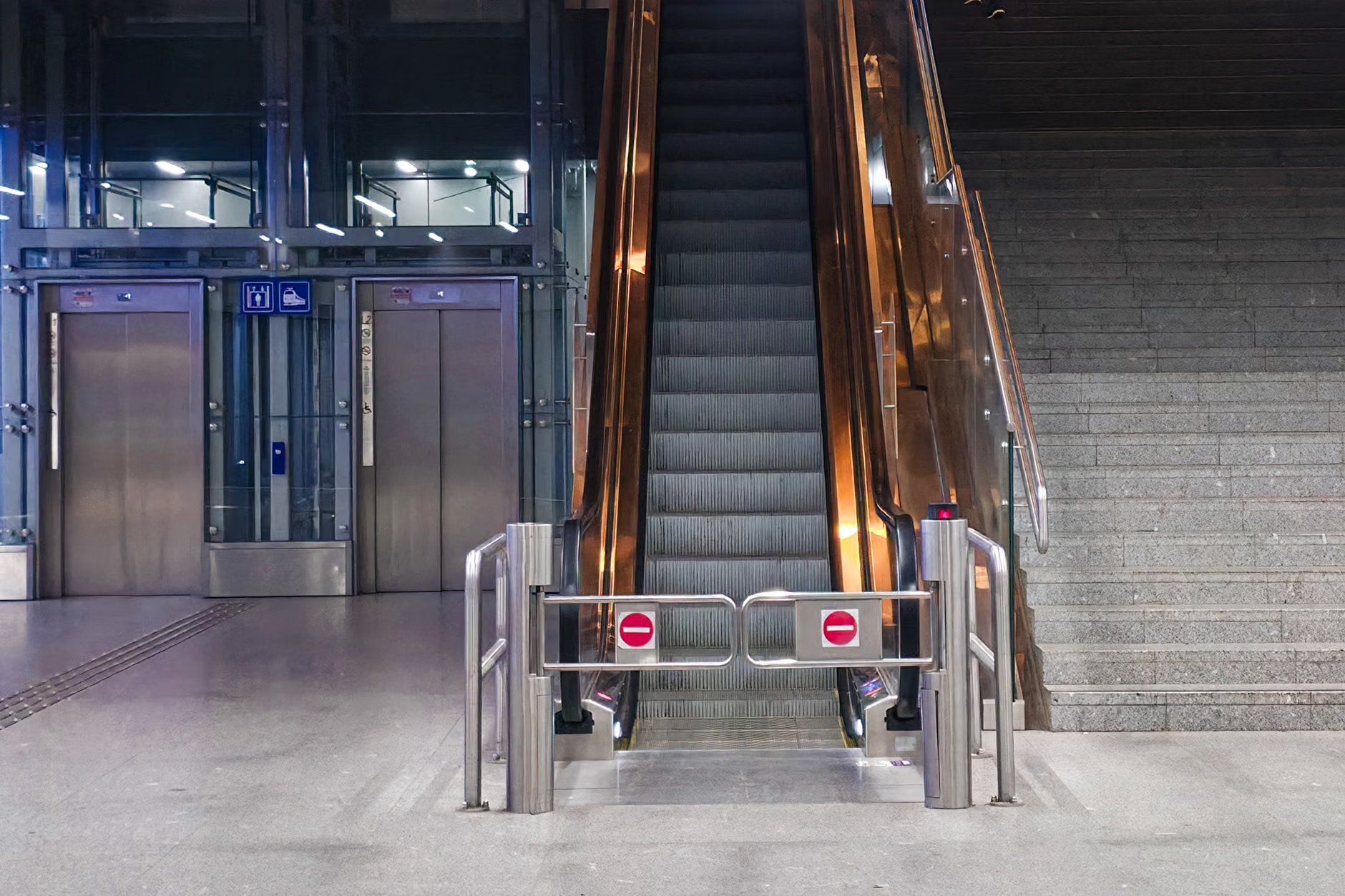
If you prefer to navigate independently, look for signage marked with the “International Symbol of Access” (the wheelchair icon). These routes are guaranteed to be step-free, utilizing elevators rather than escalators or stairs. Common mistake: Assuming an escalator is as safe as an elevator. Escalators can be crowded and move quickly, posing a fall risk for those with balance issues or bulky luggage.
3. Managing Luggage and Physical Stamina
The “less is more” rule is critical for rail travel. Unlike air travel, where your luggage is checked and handled by staff, high-speed rail requires you to manage your own belongings from the station entrance to the train carriage.
The “One-Bag” Strategy
Aim to travel with one primary wheeled suitcase and one small personal item (like a crossbody bag). This ensures that one hand is always free to hold a handrail on stairs or to operate a ticket gate. If you must travel with more, consider using station luggage-forwarding services (common in Japan and parts of Europe) to send your bags to your destination hotel ahead of time.
Managing Stamina on Long Journeys
High-speed trains are generally very smooth, but the act of boarding and moving through the train can be physically demanding. If you have a long journey, plan for “active breaks.” Walk to the dining car or simply stand up and stretch in the vestibule area every hour. This promotes circulation and prevents stiffness in the legs and lower back.

4. Understanding Onboard Procedures
Once you are on the train, the experience is designed for comfort, but there are specific protocols to keep in mind. High-speed trains often have very short dwell times at stations—sometimes as little as two minutes. This means you must have your belongings ready to go well before the train reaches your stop.
The “Gathering” Rule: Start organizing your belongings and preparing to disembark 10 minutes before your scheduled arrival time. This prevents the “last-minute scramble” that often leads to items being left behind or trips and falls.
Dining and Hydration: High-speed trains often have limited food options. If you have specific dietary needs, always bring your own snacks and water. Hydration is particularly important when traveling at high altitudes or in climate-controlled cabins, which can be quite dry.
5. Safety and Consumer Rights
Knowing your rights as a passenger is part of being an empowered traveler. Most rail networks have clear policies regarding delays and cancellations. In the European Union, for example, Regulation (EC) No 1371/2007 provides specific rights for rail passengers, including compensation for significant delays.
What to do in case of a delay:
- Locate the Information Desk: Do not rely solely on digital screens. Speak to a human representative to understand the extent of the delay.
- Keep Your Ticket: You will need your physical or digital ticket to claim any compensation or to rebook on a later train.
- Document the Delay: If you are applying for compensation, note the scheduled arrival time versus the actual arrival time.
If you encounter a medical issue on the train, notify a crew member immediately. Modern high-speed trains are equipped with communication systems that allow staff to coordinate with emergency services at the next station stop.
Conclusion: The Joy of Modern Rail
Traveling by high-speed rail allows you to see the landscape change at a pace that is both exciting and manageable. By mastering the digital tools, prioritizing step-free navigation, and being realistic about your luggage and stamina, you can transform the rail station from a source of stress into a gateway for your next adventure. Remember, the goal is not to travel fast, but to travel well. Take your time, prepare in advance, and enjoy the comfort of the journey.
Frequently Asked Questions
Q: Can I request assistance at the station if I didn’t book it in advance?
A: While it is highly recommended to book assistance at least 24–48 hours ahead, most major stations have “help points” where you can request last-minute aid. However, availability is not guaranteed, and you may face longer wait times.
Q: What should I do if my digital ticket doesn’t scan at the gate?
A: Do not panic. Look for the “Help” or “Information” button on the gate, or approach a station staff member. They are equipped with scanners that can manually verify your ticket details using your booking reference number or ID.
Q: Are high-speed trains physically difficult for those with balance issues?
A: High-speed trains are generally very stable. However, the train can sway slightly during acceleration or when passing through tunnels. Always use the handrails when walking down the aisle, and try to remain seated while the train is in motion, especially when using the restroom.
Sources for further reading:
– Passenger Rights in the European Union
– Amtrak Accessibility Information