Joining a community photography club offers more than just a way to capture images; it provides a structured path toward social engagement, cognitive health, and physical activity. For many adults between the ages of 60 and 80, the transition into retirement or a slower pace of life can sometimes lead to a shrinking social circle. Photography serves as a “social lubricant,” a shared interest that bridges gaps between strangers and creates lasting bonds through the lens of a camera. This guide explores how these clubs function, the specific benefits they offer, and how you can navigate the technical and physical aspects of the hobby to maximize your enjoyment.
- Social Integration: Photography clubs provide a recurring schedule of “photo walks” and “critique sessions” that combat isolation by fostering a sense of belonging and shared purpose.
- Cognitive and Physical Health: Learning new digital skills keeps the mind sharp, while the pursuit of the “perfect shot” encourages low-impact walking and improved spatial awareness.
- Practical Accessibility: Modern photography does not require heavy equipment; smartphone cameras and lightweight mirrorless systems allow for high-quality results without straining joints or backs.
The Social Fabric of Photography Clubs
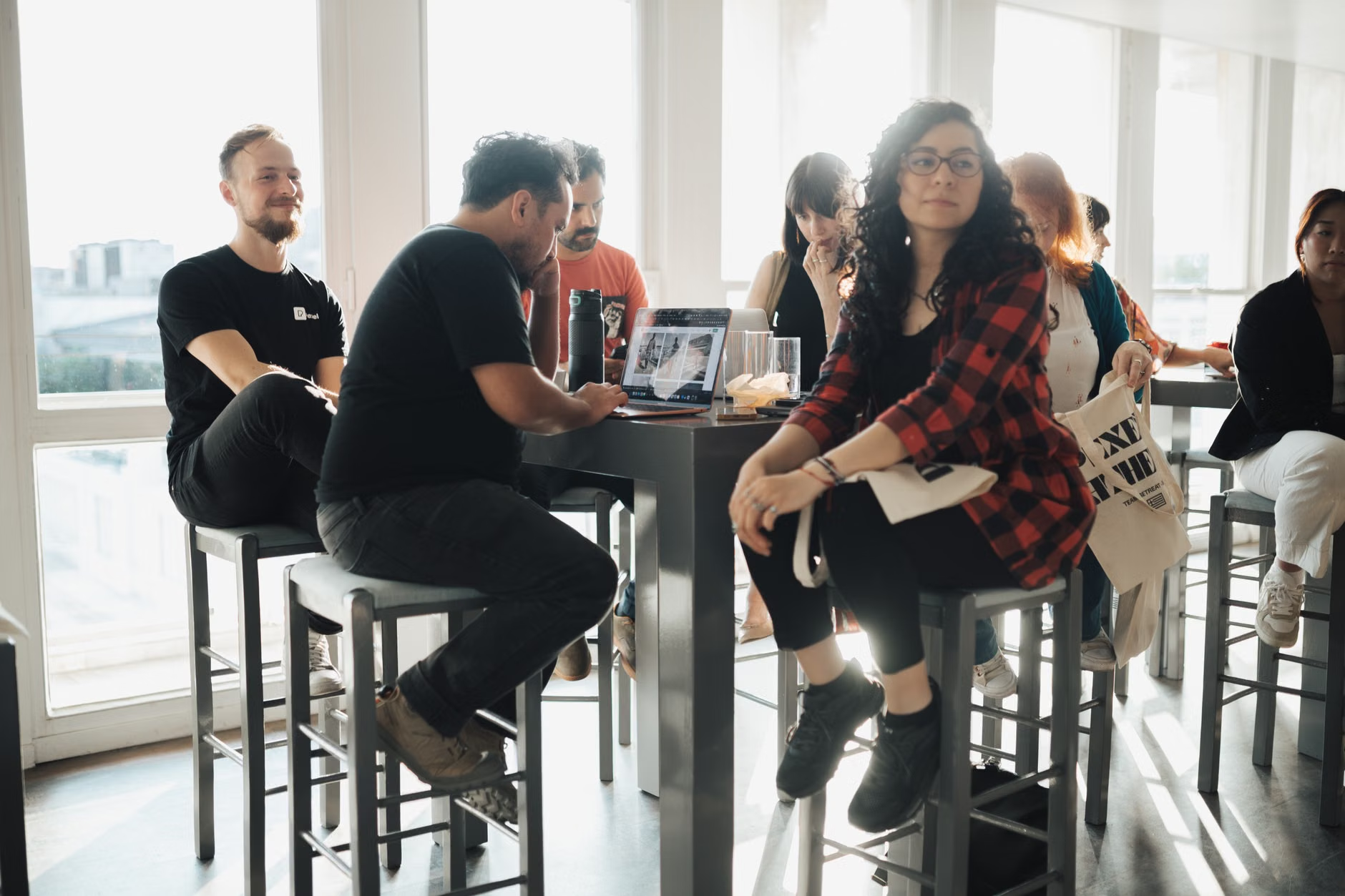
The primary draw of a photography club is rarely just the technical instruction. Instead, it is the community aspect. For an older adult, a club offers a “third space”—a place outside of the home and the doctor’s office where one can be an artist, a student, and a friend. These clubs typically operate through three main activities: regular meetings, organized outings, and constructive feedback sessions.
A “photo walk” is a scheduled group outing to a specific location—such as a local park, a historic downtown area, or a botanical garden—with the goal of taking pictures together. For someone aged 70, this provides a safe, social environment for exercise. Unlike a solitary walk, a photo walk has frequent stops, making it ideal for those who need to manage their stamina. You aren’t just walking; you are observing, which naturally slows the pace.
What it looks like in real life: Imagine a group of eight club members meeting at a local nature preserve at 9:00 AM. They walk for 15 minutes, stop for 20 minutes to photograph a specific bridge or a bed of wildflowers, and then move on. This “start-stop” rhythm is excellent for maintaining mobility without overexertion. Often, these walks conclude at a nearby café, where the social interaction continues over coffee, allowing members to discuss what they saw and photographed.
The Critique Circle: Intellectual Engagement
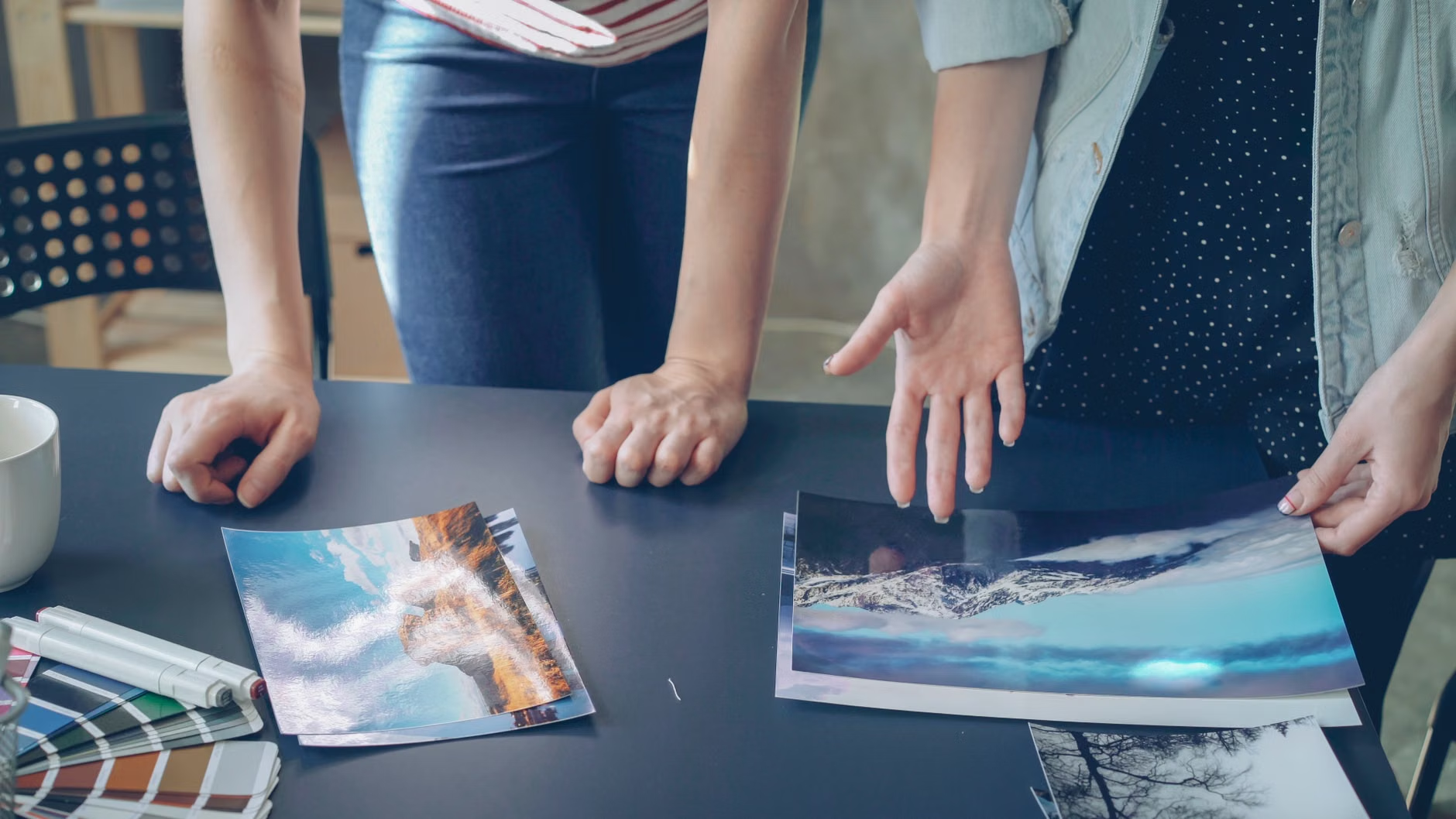
Monthly meetings often involve a “critique” or “show and tell.” Members submit one or two photos based on a theme (e.g., “Shadows” or “Local Landmarks”). This is not about harsh judgment; in senior-focused clubs, the goal is constructive encouragement. Discussing why a photo works—focusing on composition, lighting, or the story it tells—requires cognitive effort and verbal communication, both of which are vital for maintaining mental acuity.
Physical and Cognitive Health Advantages
Photography is a “stealth” health activity. It encourages movements that might otherwise feel like chores. Beyond the obvious benefit of walking, photography requires fine motor skills and hand-eye coordination. Adjusting small dials on a camera or steadying a smartphone helps maintain dexterity in the fingers and hands.
Digital Literacy and Brain Health
Learning to use a digital camera or a modern smartphone involves mastering a new interface. Understanding concepts like “ISO,” “aperture,” and “shutter speed” creates new neural pathways. Furthermore, the post-processing phase—using apps or software like Lightroom or even basic tablet editors to crop and brighten photos—introduces seniors to modern technology in a way that feels rewarding rather than frustrating.
Practical Next Step: If you feel overwhelmed by the technology, look for a club that specifically mentions “beginner” or “smartphone” tracks. Many clubs now have dedicated subgroups for those who only want to use their iPhones or Android devices, removing the barrier of complex camera menus.
Choosing Gear for Comfort and Capability
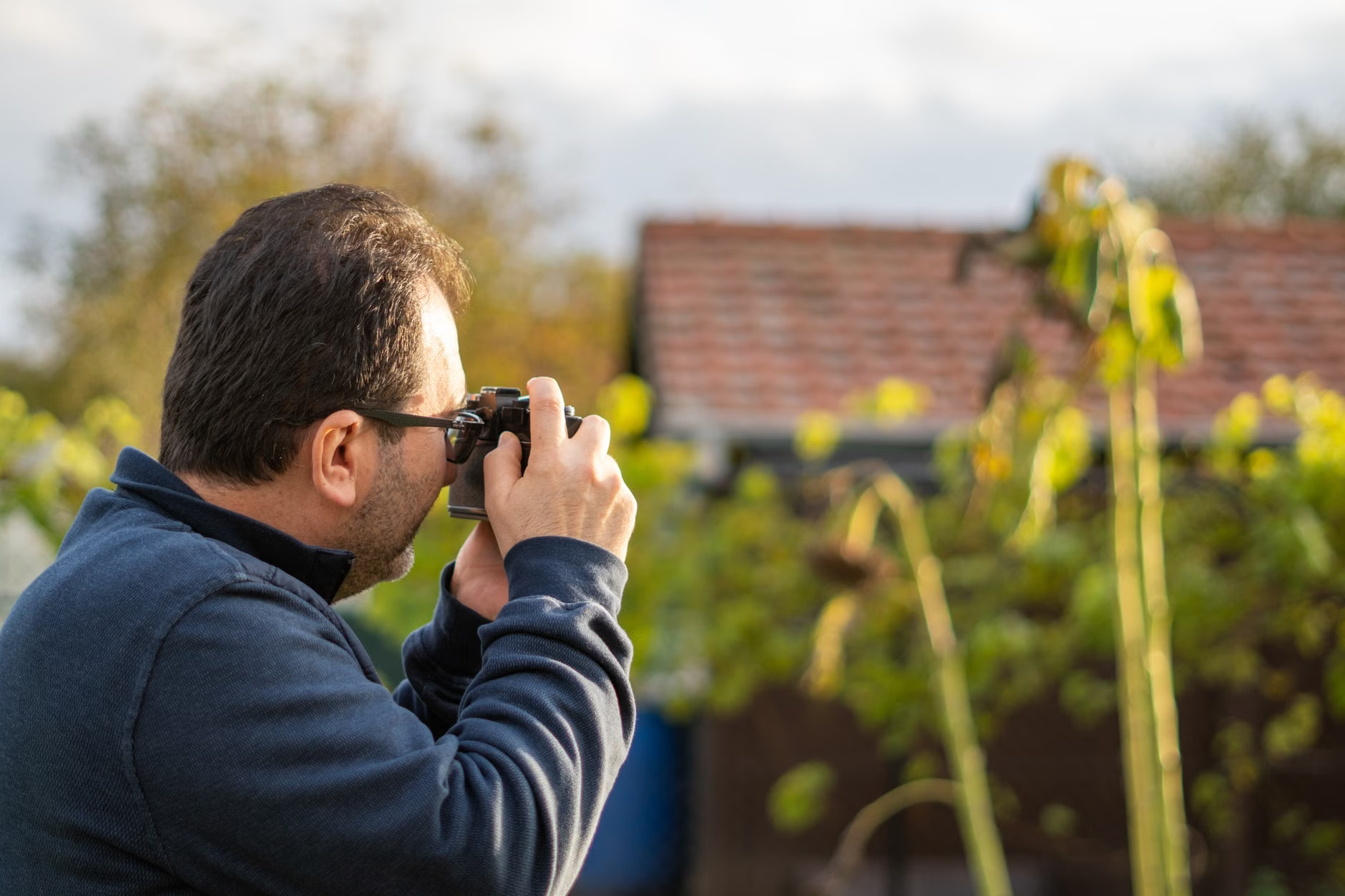
One of the most common mistakes older adults make is buying a heavy, professional-grade DSLR (Digital Single-Lens Reflex) camera. These cameras, while powerful, can weigh several pounds and cause significant neck and shoulder strain. For a photographer in their 60s or 70s, weight and ergonomics should be the priority.
| Equipment Type | Weight/Portability | Ease of Use | Best For |
|---|---|---|---|
| Smartphone | Excellent (fits in pocket) | Very High (touch screen) | Daily snapshots, social sharing, those with limited grip strength. |
| Mirrorless Camera | Moderate (lightweight bodies) | Medium (learning curve) | Serious hobbyists who want high quality without the weight of a DSLR. |
| Bridge Camera | Moderate (fixed lens) | High (all-in-one) | Bird watching or landscape photography where a long zoom is needed. |
Which should you choose? If you struggle with arthritis or hand tremors, a smartphone with a “PopSocket” or a specialized hand grip is often the best choice. If you want the “feel” of a traditional camera, a mirrorless system (like the Sony Alpha or Fujifilm X-series) offers the best balance of image quality and low weight. Avoid heavy telephoto lenses unless you plan to use a tripod, as they can quickly lead to muscle fatigue during a 60-minute outing.
Managing Stability and Tremors
It is a biological reality that our hands may become less steady as we age. Modern technology offers a solution: In-Body Image Stabilization (IBIS). When looking for a camera, ensure it has “optical stabilization” or IBIS. This feature uses internal motors to counteract small movements, ensuring your photos remain sharp even if your hands shake slightly. For smartphone users, using a small, lightweight “gimbal” or a simple monopod can provide the same benefit.
How to Find and Evaluate a Photography Club
Not all photography clubs are created equal. Some are highly competitive and focused on winning national contests, while others are purely social. For the best experience, you must find a group that aligns with your physical abilities and your level of interest.
Vetting a Club: Questions to Ask
Before attending your first meeting, consider contacting the club organizer with the following questions:
- “What is the average age of the members?” While intergenerational clubs are great, a group with many seniors will be more attuned to mobility needs.
- “Are the photo walks accessible?” Ensure the locations chosen have paved paths, benches for resting, and nearby accessible restrooms.
- “Do I need a professional camera?” Ensure the club welcomes smartphone users if that is your preferred tool.
- “Is there a membership fee?” Most community clubs charge a small annual fee (typically $20–$50) to cover room rentals and guest speakers.
Where to Look
- Local Community Centers: Often the first place to check for “Senior Photography” or “Adult Education” photography classes.
- Meetup.com: A global platform where you can search for “Photography” within a specific radius of your zip code. Look for groups that use keywords like “Leisurely,” “Social,” or “Beginner.”
- Public Libraries: Many libraries host monthly photography meetups or provide access to editing software and computers.
- The Royal Photographic Society (UK) or Photographic Society of America (USA): These national organizations often have regional chapters with local meetups.
Overcoming Common Barriers to Participation
Many older adults hesitate to join a club because they feel “behind” or worry about their physical limitations. It is important to remember that everyone in a photography club was once a beginner, and most members are more than happy to share their knowledge.
Addressing Technical Anxiety
If you are worried about not knowing how to use your camera, don’t buy a new one right away. Attend a meeting first. Many club members enjoy “gear talk” and will happily show you their cameras, letting you hold them to see how they feel in your hands. This can save you hundreds of dollars on a camera that might have been too heavy or complex for your needs.
Addressing Mobility Concerns
If you use a cane, walker, or wheelchair, you can still be an excellent photographer. In fact, photography is one of the most accessible arts. A wheelchair provides a very stable “dolly” for smooth movement, and many photographers find that a tripod can double as a stabilizing aid when standing. Macro photography (taking close-up photos of small objects like flowers or insects) can even be done in your own backyard or on a balcony, providing a creative outlet without the need for long-distance walking.
Creating Your Own Informal Photography Group
If you cannot find a local club that fits your needs, starting an informal “Photo Buddy” system is a realistic alternative. You only need one or two other people to gain the social and safety benefits of the hobby.
Step-by-Step: Starting a Small Group
- Identify Two Friends: Ask around your neighborhood or church group. You don’t need “photographers”; you just need people who enjoy taking pictures of their grandkids or their gardens.
- Pick a Consistent Time: “The first Tuesday of the month at 10:00 AM” is easier to remember than a shifting schedule.
- Choose a “Base Camp”: Pick a local park with a café. Spend 30 minutes walking/taking photos, then 30 minutes sitting and looking at the photos on your phone screens.
- Use a Simple Theme: To keep it interesting, give yourselves a “challenge” each month, such as “Take a photo of something blue” or “Capture a reflection in a puddle.”
Conclusion: Your Next Practical Step
Photography is a unique hobby because it captures a moment in time while simultaneously creating a new experience in the present. For adults aged 60 to 80, the social benefits of a community club—the laughter during a walk, the pride of showing a beautiful print, and the mental stimulation of learning—are far more valuable than the photographs themselves.
Your immediate priority: Take your current camera or smartphone and go for a 10-minute walk around your block today. Take three photos of things you usually ignore—a textured brick wall, a flowering weed, or the way the light hits a neighbor’s window. If you find yourself enjoying the process of “looking,” then it is time to search for your local club and turn that solitary walk into a social adventure.
Frequently Asked Questions
1. Do I need an expensive camera to join a photography club?
No. Most modern community clubs welcome members using any device, including smartphones. The focus is usually on composition and the social experience rather than having the most expensive gear. If a club requires “professional gear only,” it may be a competitive club that isn’t the best fit for a social hobbyist.
2. I have trouble walking long distances. Can I still participate in photo walks?
Yes. Many photo walks take place in locations like botanical gardens or city squares that are highly accessible. You can also participate in the “meeting” and “critique” portions of the club without attending every walk. Additionally, many clubs offer “stationary” sessions, such as portrait workshops or still-life photography, which require very little movement.
3. How do I find a club that isn’t too “technical” or intimidating?
Look for clubs that describe themselves as “Social,” “Community-based,” or “Senior-friendly.” Avoid groups that use jargon like “Masterclass” or “Advanced Competition” in their titles. Attending one meeting as a guest is the best way to gauge the atmosphere; if the members are helpful and the tone is encouraging, you’ve found the right place.
Official Resources for Further Reading:
– Photographic Society of America (PSA): https://psa-photo.org/
– The Royal Photographic Society (RPS): https://rps.org/