Maintaining skin resilience and structural integrity as we age is fundamentally linked to the body’s ability to synthesize collagen, a process that relies heavily on the consistent intake of Vitamin C. While skin changes are a natural part of the aging process, understanding how to support your body’s internal repair mechanisms through diet can significantly influence skin health, wound healing, and general tissue maintenance.
- Vitamin C is not just an antioxidant; it is a required co-factor for the enzymes that stabilize and cross-link collagen molecules.
- Dietary intake is superior to supplementation for most seniors because whole foods provide synergistic nutrients that enhance Vitamin C absorption and utilization.
- Skin resilience in your 60s and 70s depends on balancing Vitamin C intake with adequate protein, hydration, and protection from environmental stressors like UV radiation.
The Biological Role of Vitamin C in Collagen Synthesis
Collagen is the primary structural protein in the human body, acting as the “glue” that holds skin, tendons, ligaments, and cartilage together. As we age, the rate of collagen production naturally declines, and the existing collagen fibers become more fragmented. This leads to reduced skin elasticity and slower recovery from minor skin tears or abrasions.
Vitamin C (ascorbic acid) acts as an essential co-factor for two specific enzymes: prolyl hydroxylase and lysyl hydroxylase. Without sufficient Vitamin C, these enzymes cannot function, meaning the body cannot “cross-link” collagen fibers. Think of collagen as a rope; without the cross-linking facilitated by Vitamin C, the rope is loose, fragile, and unable to support the weight of the skin’s structure effectively.
Why Absorption Matters More Than Mega-Dosing
Many individuals believe that taking high-dose supplements will “boost” collagen production indefinitely. However, the human body has a saturation point for Vitamin C absorption. Once the tissues are saturated, excess Vitamin C is excreted through the kidneys. For adults aged 60 to 80, the focus should be on consistent daily intake rather than sporadic high doses. Maintaining steady blood levels ensures that the enzymes responsible for collagen synthesis have a continuous supply of the co-factor they need.
Nutritional Strategies for Optimal Intake
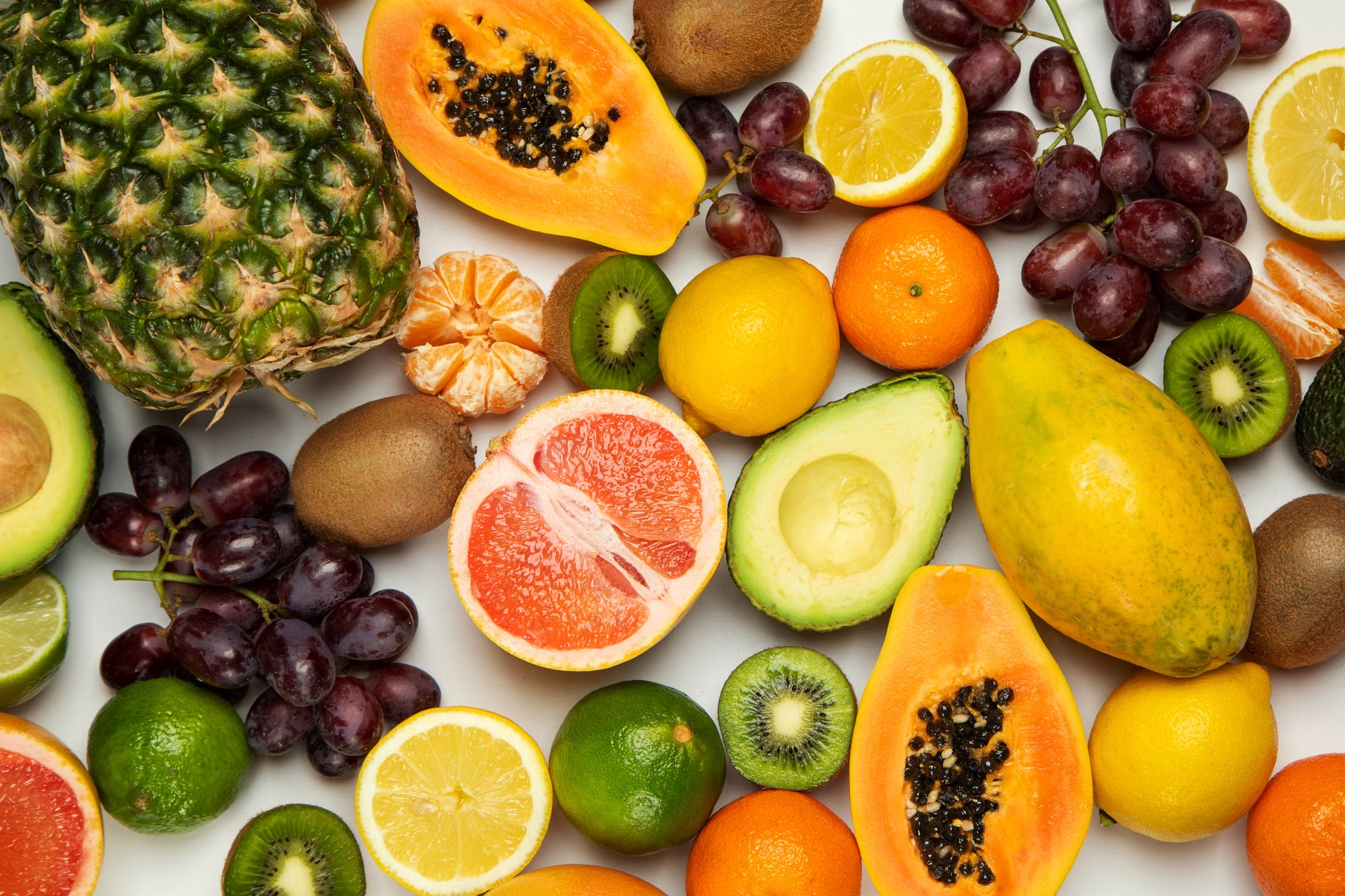
Meeting your Vitamin C needs does not require expensive pills or complex dietary changes. It requires integrating specific, high-density food sources into your daily routine. The following table highlights common sources and their relative Vitamin C density to help you make informed decisions at the grocery store.
| Food Source | Approximate Vitamin C Content | Practical Serving Tip |
|---|---|---|
| Red Bell Pepper (1 medium) | ~150mg | Slice raw for snacks or stir-fry lightly. |
| Kiwi (1 fruit) | ~70mg | Great for breakfast or dessert. |
| Orange (1 medium) | ~70mg | Eat whole rather than juicing for fiber. |
| Broccoli (1 cup, cooked) | ~50mg | Steam gently to preserve nutrients. |
Note: Vitamin C is heat-sensitive and water-soluble. Boiling vegetables for long periods can leach the vitamin into the cooking water. Steaming, roasting, or eating raw are the best methods to maximize retention.
Addressing Common Misconceptions
A frequent myth is that skin creams containing Vitamin C can replace internal dietary intake. While topical Vitamin C (ascorbic acid or its derivatives) can provide localized antioxidant protection against UV rays, it does not bypass the need for systemic collagen synthesis. Topical application treats the surface; dietary intake supports the foundation.
Another misconception is that the “best” source is always citrus. While oranges are excellent, many other vegetables—such as bell peppers, Brussels sprouts, and dark leafy greens—often contain higher concentrations of Vitamin C per gram than citrus fruits. Diversity in your diet is the most reliable way to ensure you are meeting your physiological requirements.
Practical Steps for Daily Skin Resilience
To turn this information into a habit, consider the following checklist. Consistency is the key factor in allowing your body the resources it needs for continuous maintenance.
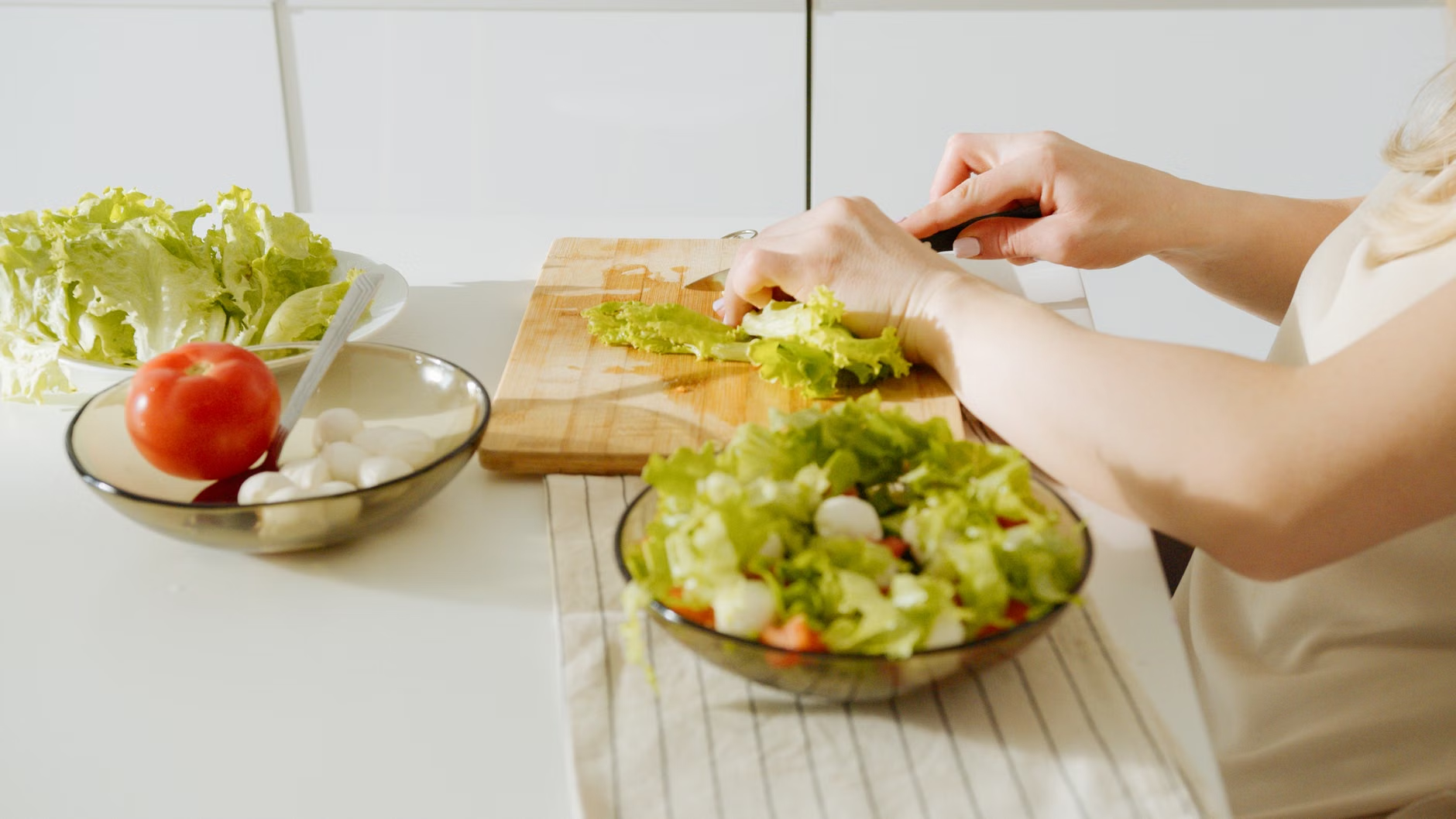
- The “One-Per-Meal” Rule: Aim to include one high-Vitamin C food at every meal. For example, add sliced bell peppers to your lunch salad and a side of steamed broccoli to your dinner.
- Monitor Your Protein: Collagen is a protein. Vitamin C is the “worker” that builds the structure, but protein provides the “bricks.” Ensure you are eating adequate high-quality protein (lean meats, beans, lentils, or dairy) alongside your Vitamin C intake.
- Hydration as a Carrier: Vitamin C is water-soluble. Proper hydration ensures that nutrients are effectively transported to the dermal layers of the skin.
- Protect, Don’t Just Build: UV radiation breaks down collagen. Even with optimal Vitamin C intake, if your skin is constantly exposed to harsh sunlight without protection, the rate of collagen degradation may outpace your body’s ability to synthesize new fibers. Wear sun-protective clothing and use broad-spectrum sunscreen.

When to Consult a Professional
While nutritional support is a cornerstone of preventive health, it is not a substitute for medical care when specific skin issues arise. You should consult a physician or a dermatologist if you notice:
- Delayed Wound Healing: If a minor cut or scrape takes significantly longer to heal than it did in the past.
- Easy Bruising: Frequent or unexplained bruising can sometimes be a sign of fragile blood vessels, which may be related to collagen health or other underlying conditions.
- Significant Changes in Skin Texture: Sudden thinning or loss of elasticity that seems disproportionate to your age.
When you visit your doctor, bring a list of your current medications and any specific supplements you are taking. Some medications can interact with nutrient absorption, and your doctor can provide a personalized assessment based on your medical history.
Deep Dive: The Science of Aging and Nutrient Bioavailability
As we advance into our 60s, 70s, and 80s, the efficiency of our digestive system can change. Reduced stomach acid (hypochlorhydria) is more common in older adults, which can potentially affect the absorption of certain nutrients. However, Vitamin C is generally well-absorbed in the small intestine. The primary challenge for many seniors is not the absorption mechanism itself, but rather the variety and quality of the diet.
Research suggests that elderly individuals living in institutional settings or those with limited mobility often face a higher risk of sub-clinical Vitamin C deficiency. This is not necessarily due to a lack of appetite, but rather a reliance on processed foods that are often stripped of heat-sensitive vitamins during manufacturing. Transitioning toward “whole foods” is the most effective intervention for this demographic.
The Trade-off: Supplements vs. Whole Foods
Should you consider a supplement? If your diet is consistently restricted due to medical conditions, allergies, or difficulty chewing, a low-dose Vitamin C supplement may be discussed with your healthcare provider. However, supplements lack the phytonutrients—such as bioflavonoids—found in whole fruits and vegetables. These compounds have been shown in clinical studies to improve the bioavailability of Vitamin C. In short: the food itself helps you absorb the nutrient better than a lab-isolated pill.
Lifestyle Variables That Affect Collagen Health
Beyond diet, several lifestyle factors influence how well your body utilizes Vitamin C for skin health:
- Smoking and Second-hand Smoke: Smoking is perhaps the most significant factor in accelerating collagen degradation. It introduces oxidative stress that rapidly depletes the body’s Vitamin C stores. If you are a smoker, your daily requirement for Vitamin C is significantly higher than the standard recommendation.
- Chronic Inflammation: Conditions like arthritis or cardiovascular disease increase the body’s baseline demand for antioxidants. When the body is in a state of chronic inflammation, it “uses up” Vitamin C to combat oxidative stress, leaving less available for collagen synthesis. Managing underlying health conditions is, therefore, a skin-health strategy.
- Physical Activity: Regular movement improves circulation. Better circulation means improved delivery of nutrients, including oxygen and Vitamin C, to the skin cells.
Integrating These Habits into Daily Life
For many, the biggest barrier is not knowledge, but the effort required to prepare fresh food. If mobility or stamina is a concern, consider these practical adaptations:
- Frozen Vegetables: Frozen broccoli, peppers, and berries are often frozen at the peak of ripeness, meaning their Vitamin C content is often higher than “fresh” produce that has spent weeks in transit. They are pre-chopped, saving you time and physical effort.
- The “Smoothie” Strategy: If chewing becomes difficult, blending kiwi, strawberries, and spinach into a smoothie is an efficient way to get a high dose of Vitamin C without the need for extensive meal preparation.
- Batch Preparation: If your energy levels fluctuate, prepare your vegetable portions on days when you feel stronger. Store them in the refrigerator so they are ready to be added to your meals throughout the week.
The goal is to move away from “dieting” and toward “nourishing.” By understanding that Vitamin C is a functional tool for your body’s architecture, you can approach your daily nutrition with a clearer sense of purpose. Focus on consistency, prioritize whole food sources, and remember that skin health is a reflection of your overall systemic health.
Frequently Asked Questions
1. Does taking more Vitamin C mean I will have fewer wrinkles?
While Vitamin C is essential for collagen synthesis, it is not a “magic eraser” for wrinkles. Wrinkles are caused by a combination of genetics, sun exposure, collagen loss, and muscle movement. Vitamin C supports the structural integrity of the skin, which can improve resilience and texture, but it cannot reverse deep-set structural aging on its own.
2. Can I get too much Vitamin C from food?
It is virtually impossible to reach toxic levels of Vitamin C through food alone. Because Vitamin C is water-soluble, your body will naturally excrete any excess through your urine. However, extremely high intakes from supplements can sometimes cause digestive discomfort, such as diarrhea or stomach cramps, in sensitive individuals.
3. How do I know if I am getting enough Vitamin C?
If you are eating a balanced diet that includes at least 3-5 servings of various fruits and vegetables daily, you are likely meeting your needs. Clinical deficiency (scurvy) is extremely rare in developed countries today. If you are concerned about your levels, a blood test can be ordered by your physician, though this is usually only necessary if there are specific clinical symptoms of deficiency.
Official guidance on Vitamin C intake can be found at the National Institutes of Health (NIH) Office of Dietary Supplements. Always consult with your primary care provider before making significant changes to your diet or starting new supplement regimens.