- By 2026, many cities are adopting new lighting standards that prioritize “human-centric” illumination to combat glare and improve depth perception for older adults.
- Improved lighting is not just about brightness; it is about color temperature and uniformity to reduce the risk of tripping and enhance navigation in public spaces.
- As a resident, you can advocate for better lighting in your community by identifying “dark zones” and reporting them through your local municipal digital service portals.
As we move toward 2026, international urban planning is shifting its focus toward the specific physiological needs of an aging global population. One of the most significant, yet often overlooked, factors in senior mobility is public lighting. Poor lighting does not just create shadows; it creates barriers to independence, increases the fear of falls, and limits the ability of older adults to engage in evening social activities or utilize public transport after dark.
This article examines the upcoming 2026 standards for age-friendly public lighting, why these changes are necessary, and how you can navigate your local environment to stay safe and mobile.
Understanding the Shift: Why Older Eyes Need Different Lighting
As we age, our eyes undergo natural biological changes that alter how we perceive light. The lens of the eye tends to yellow and thicken, which reduces the amount of light reaching the retina. This makes low-light environments appear significantly darker to an older adult than they would to a younger person. Furthermore, the pupil tends to become smaller and less responsive to changes in light intensity.
What this means for daily life: When walking from a brightly lit shop onto a dimly lit street, an older adult may experience a longer “recovery time” where their vision is temporarily compromised. This creates a high risk for stumbling over uneven pavement, curbs, or unexpected debris. The 2026 standards aim to address these physiological realities through specific technical requirements.
The Three Pillars of Age-Friendly Lighting
The new standards are built upon three core technical principles designed to maximize safety:
- Uniformity: This refers to the consistency of light distribution. Rather than having patches of bright light followed by deep darkness, the new standards mandate a smooth, even spread of light across sidewalks and intersections.
- Color Temperature: Research suggests that excessively “cool” or blue-toned LED lights can cause glare and interfere with sleep cycles. The 2026 guidelines encourage warmer, “softer” light spectrums that provide better contrast without the harsh, blinding effect.
- Glare Reduction: Newer fixtures are designed with better shielding to direct light downward onto the path, rather than outward into the eyes of pedestrians or drivers.
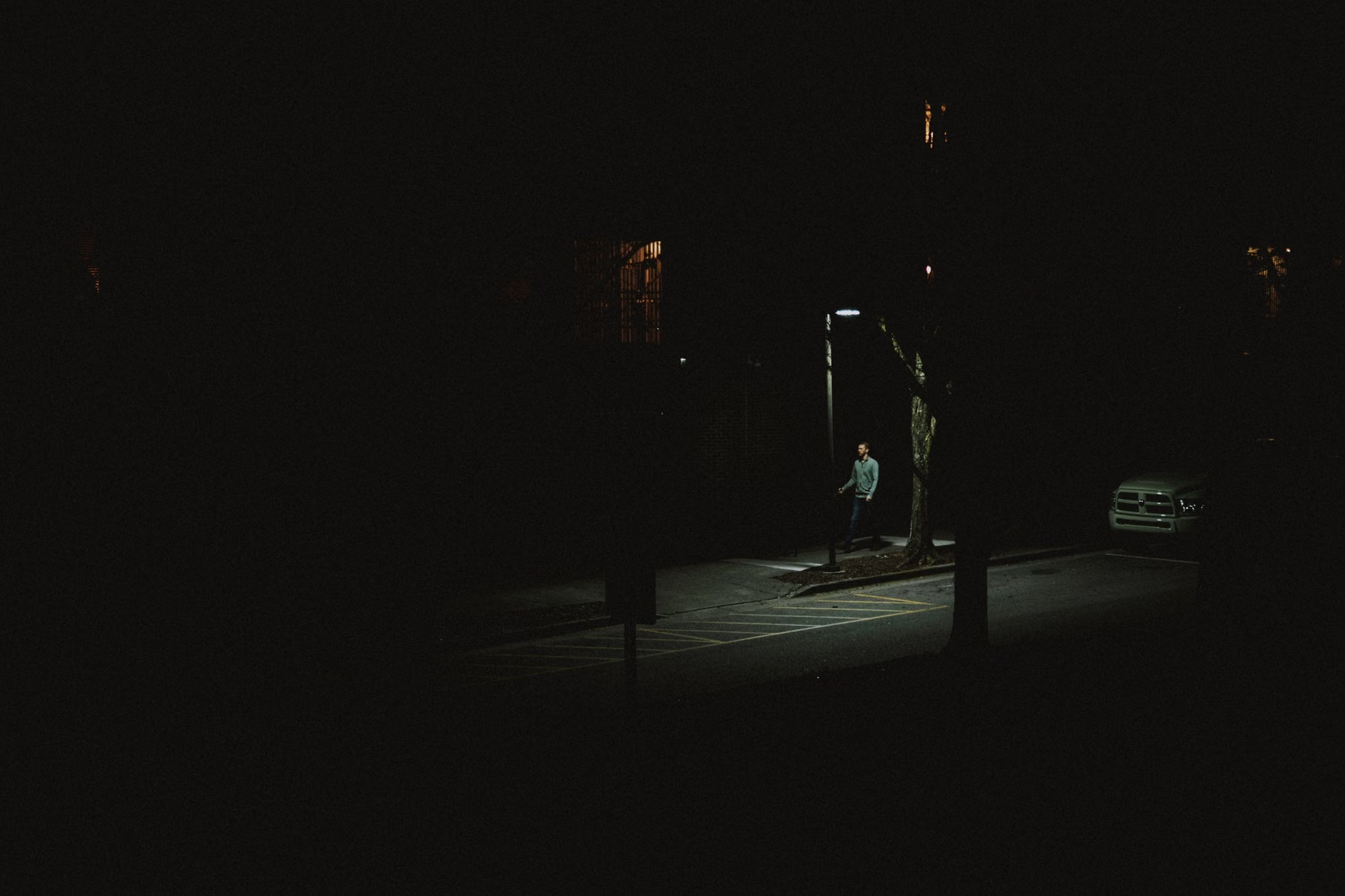
Practical Implications: How to Assess Your Local Environment
While municipal governments are tasked with implementing these standards, the transition will be gradual. It is helpful to understand how to evaluate the safety of the routes you frequent. A simple way to assess your local lighting is to use a “Contrast Test.”
The Contrast Test: A Personal Safety Assessment
When walking in the evening, look at the ground in front of you. Can you clearly distinguish the edge of the curb from the street surface? Can you identify the texture of the sidewalk? If the light creates sharp, black shadows that make it difficult to see the difference between a flat surface and a step, the lighting is inadequate.
| Lighting Quality | Impact on Mobility | Recommended Action |
|---|---|---|
| High Uniformity | Better depth perception and confidence. | Continue using this route safely. |
| High Glare (Harsh) | Increased eye strain and temporary blindness. | Use a hat with a brim to block overhead glare. |
| Patchy/Uneven | High risk of tripping due to hidden obstacles. | Report to local authorities; use a flashlight. |
Note: The table above provides a framework for evaluating lighting. If you find yourself frequently avoiding certain paths after sunset, it is a clear indicator that the lighting quality is below the standard required for your comfort and safety.

Advocating for Better Infrastructure: How to Participate
Many cities now offer digital public services that allow residents to report maintenance issues, including broken or inadequate street lighting. You do not need to be a lighting expert to be an effective advocate for your neighborhood.
Steps to Reporting a Lighting Issue
- Identify the Location: Note the nearest street address or a recognizable landmark.
- Document the Issue: If possible, take a photo during the day to show the area and a description of the problem at night (e.g., “The light flickers constantly” or “The sidewalk is completely dark here”).
- Use the Municipal Portal: Most cities have a “Fix-it” app or a dedicated website for local infrastructure reports.
- Follow Up: Keep your reference number. If the issue is not addressed within a reasonable timeframe (usually 2-4 weeks for non-urgent repairs), contact your local council representative.
Important: Do not assume that because a light is “on,” it is “adequate.” If the light is positioned in a way that creates more shadow than illumination, it is a valid concern for local urban planning departments to address under the new 2026 safety guidelines.
Planning Your Evening: Safety Tips for Mobility
Until your local area fully updates to the 2026 standards, there are practical steps you can take to maintain your mobility and confidence when walking at night.
- Carry a Personal Light Source: A small, high-lumen LED flashlight or a headlamp can be a lifesaver. It allows you to illuminate the ground directly in front of your feet, providing the contrast needed to identify hazards.
- Prioritize Well-Traveled Routes: Even if a route is slightly longer, stick to main roads with high pedestrian traffic and better-maintained infrastructure.
- Wear Reflective Gear: It is not just about what you see; it is about being seen by others. Small reflective strips on your coat, bag, or walking aid significantly increase your visibility to drivers.
- Plan Your Pace: If you are meeting friends for dinner or an event, allow for extra time. Rushing in low-light conditions is one of the leading causes of falls among older adults.

The Intersection of Technology and Public Safety
The 2026 standards also integrate “Smart City” technologies. Many new lighting systems are equipped with motion sensors that increase intensity when a pedestrian is detected. While this saves energy, it can sometimes cause a “startle effect” if the light jumps from dim to bright suddenly.
If you encounter these motion-activated systems, wait a moment for the light to stabilize before proceeding. If a specific area consistently fails to trigger the sensor, this is a technical failure that should be reported to the city’s public works department immediately, as it poses a safety hazard for slower-moving pedestrians.
Conclusion: Taking Control of Your Environment
The move toward 2026 standards for age-friendly public lighting represents a global recognition that urban design must accommodate the changing needs of the population. While cities are responsible for the infrastructure, your awareness and advocacy remain the most powerful tools for ensuring these changes actually improve your daily life.
By understanding why light matters, knowing how to identify hazards, and utilizing local reporting tools, you can continue to enjoy your neighborhood with confidence. Remember, you have a right to navigate your community safely, regardless of the time of day.
Frequently Asked Questions
Q: Will these 2026 standards apply to private residential areas?
A: Generally, these standards are for public infrastructure (streets, parks, and transit hubs). However, many of these principles—such as using warm-spectrum, shielded lighting—are excellent guidelines for your own home’s exterior and driveway lighting.
Q: What if my city is not adopting these standards?
A: Most international standards are adopted by national or regional governments. You can check your local government’s “Urban Development” or “Public Works” website to see if they have signed onto recent “Age-Friendly City” initiatives, which typically include these lighting requirements.
Q: Is there a specific “Age-Friendly” certification for lighting?
A: While there is no single global certification, look for cities that are members of the WHO Global Network for Age-friendly Cities and Communities. These cities have committed to upgrading infrastructure, including lighting, to meet the needs of older citizens. You can check their status at the WHO Age-friendly World portal.
Disclaimer: This article is for informational purposes and does not constitute professional advice. Always prioritize your personal safety and consult with local municipal authorities regarding specific infrastructure concerns in your area.