- Bridge is a high-level cognitive exercise that combines pattern recognition, memory, and logical deduction, offering a protective mental stimulus.
- The social structure of a bridge club provides a predictable, low-pressure environment that combats isolation and fosters long-term community bonds.
- Entering a club requires basic etiquette and rules knowledge; beginners should prioritize local “duplicate bridge” introductory classes to learn at a comfortable pace.
Bridge is frequently misunderstood as merely a card game for the elderly. In reality, it is a complex, partnership-based mental sport that requires significant focus, strategic planning, and interpersonal communication. For adults aged 60 to 80, the bridge club offers a unique intersection of cognitive maintenance and social participation that few other hobbies can match.
The Cognitive Mechanics of Bridge
At its core, bridge is a game of incomplete information. Unlike games like chess, where all pieces are visible on the board, bridge requires players to infer the distribution of cards held by three other people based on a limited sequence of bids and the cards played in previous tricks.
Logical Deduction and Pattern Recognition
When you play bridge, your brain is constantly running simulations. You must remember which cards have been played, track the “trump” suit, and adjust your strategy mid-hand. Research suggests that engaging in mentally challenging activities—specifically those involving social interaction—helps maintain cognitive reserve. Bridge requires the player to switch between different types of thinking: the analytical (bidding) and the intuitive (card play).
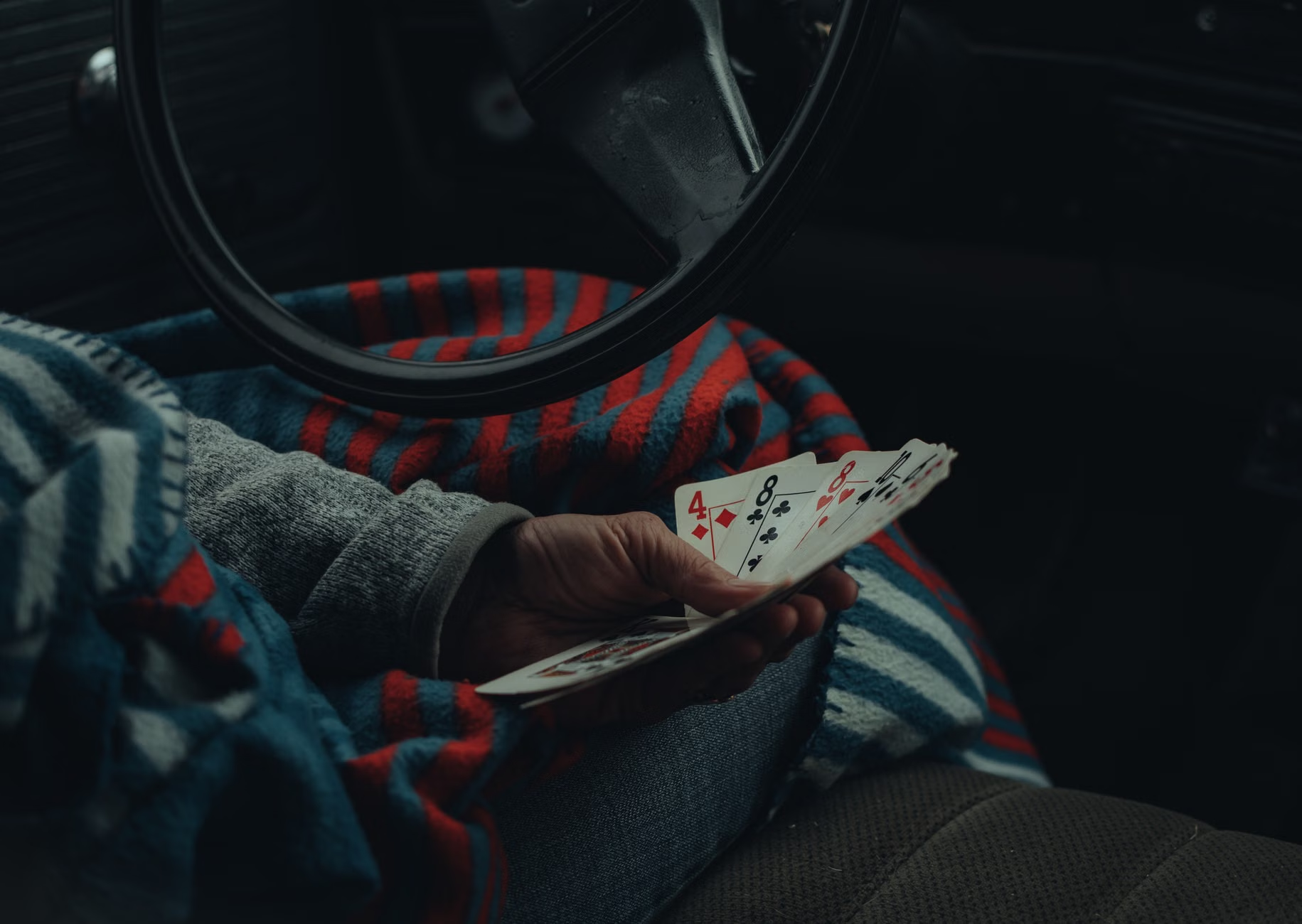
What this looks like in real life: Imagine you are the “declarer.” You have 13 cards, and your partner has 13. You must plan how to win the required number of tricks before you play your first card. This involves counting the suits in your own hand and predicting where the “missing” high cards (Aces and Kings) are located in the opponents’ hands. This is not just a game; it is a structured exercise in executive function.
The Social Infrastructure of Bridge Clubs
One of the primary challenges for retirees is maintaining a sense of purpose and routine. The community bridge club functions as a “third place”—a social environment separate from the home and the workplace. Because bridge is a partnership game, you are inherently required to communicate, collaborate, and navigate social etiquette with others.
Why Formal Clubs Differ from Casual Home Games
While playing with friends at home is enjoyable, formal bridge clubs offer a different set of benefits. Clubs use “duplicate bridge” formats, where multiple tables play the same hands. This removes the “luck of the draw” and shifts the focus entirely to skill. This competitive but friendly environment provides a clear feedback loop for improvement.
| Feature | Casual Home Game | Organized Club Bridge |
|---|---|---|
| Social Scope | Limited to existing friends | Broadens social circle (new peers) |
| Skill Level | Variable; often informal rules | Standardized; follows ACBL or EBU rules |
| Consistency | Often irregular | Set, recurring schedule |
| Cognitive Focus | Socially driven | Strategy and technique driven |
Insight: The “social pressure” of a club is actually a benefit. Because you have a committed partner and opponents, you are less likely to skip sessions compared to solitary hobbies like reading or puzzles. This accountability helps maintain a consistent weekly routine, which is vital for mental health in retirement.
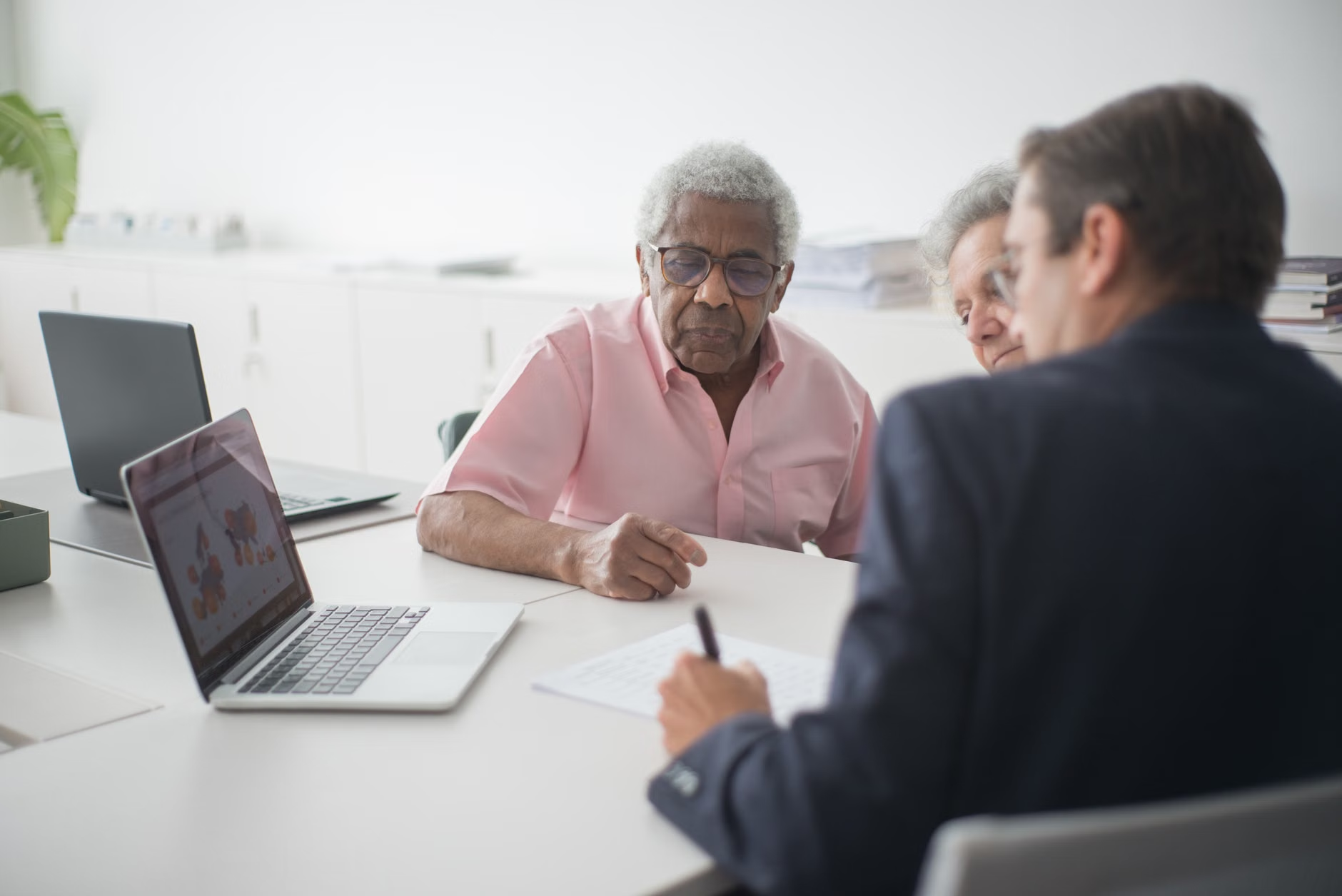
If you are considering joining a bridge club, the first step is to recognize that you do not need to be an expert. Most clubs thrive on a tiered system where beginners, intermediate players, and advanced masters coexist.
Step-by-Step Entry Strategy
- Find a Local Unit: In the US, look for the American Contract Bridge League (ACBL); in the UK, the English Bridge Union (EBU). These organizations have directories of local clubs.
- Seek “Novice” or “Supervised” Play: Do not jump into a competitive “open” game immediately. Look for sessions specifically labeled as “supervised play” or “novice/0-20 masterpoint” games.
- Preparation: You do not need expensive equipment. Most clubs provide the cards, bidding boxes, and score pads. All you need is a willingness to learn and a basic understanding of the game’s objective.
- The Partnership Desk: If you don’t have a partner, call the club director. Most clubs maintain a “partnership desk” that pairs singles with others of similar experience levels.
Common Mistake: Many beginners worry about “holding up the game” or making mistakes. It is important to remember that every master player was once a novice. Clubs that are hostile to beginners are rare; most are desperate for new members and will go out of their way to support your learning.
Practical Considerations for Accessibility and Stamina
Bridge is physically accessible, but it does require certain considerations for older adults. A typical session can last two to three hours. Here is how to ensure your experience remains comfortable:
- Lighting and Vision: If you have macular degeneration or other vision issues, ensure the club has adequate lighting. Many clubs allow the use of large-print playing cards—ask the club director if this is permitted.
- Mobility: Most clubs are held in community centers or dedicated bridge rooms on the ground floor. Before your first visit, call to ask about the parking-to-table distance and whether there are stairs involved.
- Stamina: Bridge requires intense concentration. If you find yourself getting fatigued, choose “short” sessions (often called “mini-bridge” or shorter club games) rather than full-day tournaments.
The Emotional and Psychological Value
The value of a bridge club is not solely in the “win.” It is in the “we.” When you play, you are part of a team. Dealing with the frustration of a bad hand or the excitement of a high-scoring game with a partner fosters resilience. Furthermore, the game is a great equalizer; at the table, your professional background, past career, or physical limitations are secondary to the cards in your hand.
A note on social health: Loneliness is a significant health risk for seniors. Engaging in a hobby that requires face-to-face interaction—not digital, not remote—is one of the most effective ways to mitigate the risks of social isolation. Bridge provides a structured, safe, and intellectually stimulating environment where you can meet people who share your interest in continuous learning.
Conclusion
Bridge clubs offer a unique combination of cognitive engagement and social structure. By participating, you are not just learning a game; you are investing in a community that values mental acuity and social connection. Whether you are looking to sharpen your mind or simply find a consistent, enjoyable way to spend your afternoons, the local bridge club is an accessible and rewarding path forward. Start by visiting your national bridge organization’s website to find a local club, and don’t be afraid to reach out to a director to ask about beginner-friendly sessions.
Frequently Asked Questions
Do I need to be good at math to play bridge?
No. While bridge involves counting, it is not “math” in the academic sense. It is more about logic, probability, and pattern recognition. If you can keep track of a grocery list or manage a household budget, you have the necessary cognitive tools to learn bridge.
What if I don’t have a partner?
This is extremely common. Most bridge clubs have a “partnership chair” or a “partnership desk.” If you call the club a few days before a game, the organizers can almost always find a partner for you. It is a great way to meet new people.
Is bridge expensive to play?
Bridge is one of the most affordable hobbies for older adults. Most clubs charge a small “table fee” per session (typically between $5 and $12 depending on the region) to cover the cost of the room rental and refreshments. There are no expensive membership dues or equipment costs required to get started.