- Assess Infrastructure First: Many rural stations lack elevators; always verify step-free access on official rail operator websites before booking.
- Minimize Physical Burden: Use four-wheeled luggage and prioritize lightweight gear to maintain balance and stamina throughout your journey.
- Strategic Planning: Utilize “Assisted Travel” services, which are free and can be booked in advance to ensure platform staff are ready to assist with boarding.
Mastering Rural Train Travel: A Practical Guide for Senior Mobility and Independence
Traveling by train through rural landscapes offers a unique opportunity to see the world at a comfortable pace. Unlike air travel, which often involves long security queues and cramped cabins, rail travel allows for movement, scenery, and a more relaxed transition between destinations. However, for travelers aged 60 to 80, the transition from urban hubs to smaller, rural train stations requires a different set of preparations. Rural stations, while charming, often feature aging infrastructure, limited staffing, and varying levels of accessibility.
This guide provides a comprehensive framework for navigating these stations, ensuring that you maintain your independence while prioritizing your safety and comfort.
1. Assessing Station Accessibility: The Pre-Departure Audit
Before you purchase a ticket, you must treat the station infrastructure as a critical variable in your travel planning. In many countries, such as the United Kingdom, Japan, or Germany, national rail providers categorize stations by their accessibility levels. A station that is “accessible” in a city center might be “partially accessible” or “unstaffed” in a rural area.
Understanding Station Categories
Most national rail operators provide an accessibility tool on their websites. You should look for specific indicators of station facilities. For example, in the UK, the National Rail website allows you to filter by “Step-free access.” In Japan, JR (Japan Railways) provides detailed diagrams of station layouts. If you cannot find this information online, call the station or the operator’s assistance line directly.
| Facility Type | What to Look For | Action Step |
|---|---|---|
| Platforms | Platform height vs. train floor height | Check for “level boarding” status |
| Vertical Access | Lifts, ramps, or strictly stairs | Verify if the lift is currently operational |
| Staffing | Presence of station agents | Confirm hours of operation |
The “Hidden” Variable: Even if a station is listed as accessible, consider the “last mile” of your journey. A station might be accessible, but the path from the platform to the exit might be steep or poorly paved. Use tools like Google Street View to inspect the immediate surroundings of the station entrance if you are traveling to an unfamiliar location.

2. Managing Luggage and Stamina
The most common mistake senior travelers make is overestimating their physical capacity to handle luggage in transit. Rural platforms often have “gaps” between the train and the platform edge, and many older trains require passengers to step up into the carriage. Your luggage should never compromise your balance.
The Four-Wheel Advantage
Switch to a high-quality, four-wheeled spinner suitcase. Unlike traditional two-wheeled bags that require you to pull weight behind you, a four-wheeled bag moves alongside you. This reduces strain on the shoulder and back, allowing you to maintain an upright posture, which is essential for stability on uneven platform surfaces.
The “Two-Bag Rule”
Limit your luggage to one manageable suitcase and one small, lightweight crossbody bag. A crossbody bag keeps your hands free, which is vital for holding onto railings or steadying yourself when boarding. If you find yourself struggling with luggage, consider using a luggage forwarding service—a common and reliable option in countries like Japan (Takkyubin) or via specialized courier services in Europe—to send your heavy bags directly to your accommodation.
3. Utilizing Assisted Travel Services
Many rail companies offer “Assisted Travel” services, which are often free of charge. This is not just for passengers with physical disabilities; it is a service designed for anyone who needs extra time or help. This can include assistance with boarding, navigating platforms, or even carrying luggage.
How to Request Assistance
- Book in advance: Most operators require 24 to 48 hours’ notice to ensure staff are available at both your departure and arrival stations.
- Clearly state your needs: Use terms like “difficulty with stairs,” “need assistance with boarding ramp,” or “require guidance to the station exit.”
- Arrival timing: Arrive at the station at least 20 minutes before your train is scheduled to depart. This allows the staff to meet you and coordinate with the train conductor.
Common Misconception: Many seniors feel they are “taking up resources” by asking for help. In reality, rail staff are trained to assist passengers to ensure the train stays on schedule. When you request assistance, you are helping the operator manage platform safety more effectively.
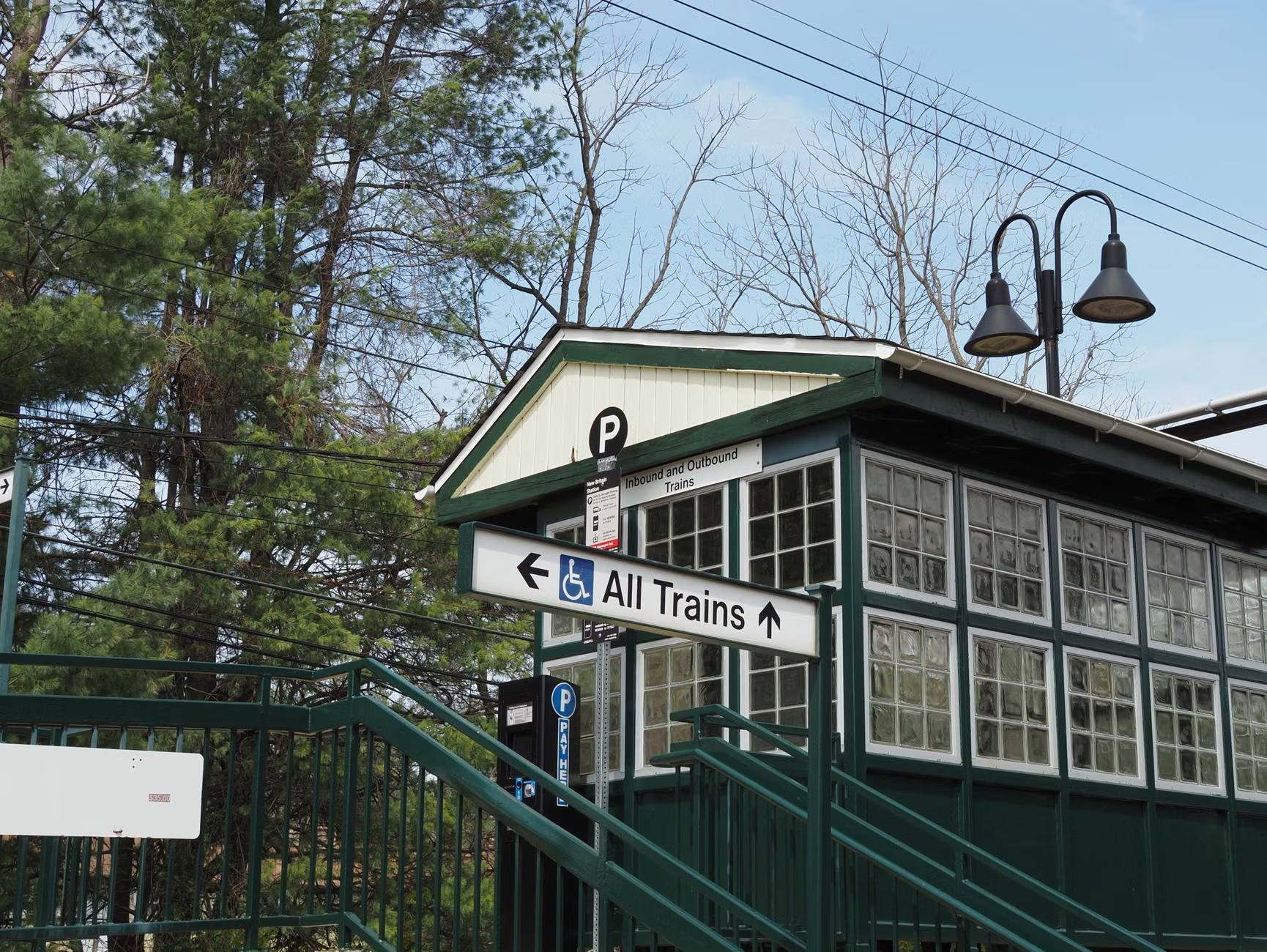
The moment of boarding or disembarking is when most accidents occur. Rural platforms are often shorter or more curved than city platforms, creating a wider gap between the train and the platform edge.
The “Gap” Awareness Protocol
Always stand back from the platform edge until the train has come to a complete stop. When you move to board, look down at the gap. If it looks too wide or the step up seems too high, do not hesitate to signal to the train conductor or platform staff. Ask for the mobile boarding ramp. Even if you are capable of stepping up, using a ramp removes the risk of a fall entirely.
Pacing Your Movement
Do not feel pressured by other passengers moving quickly. If you are boarding, wait until the initial rush of passengers has cleared before moving toward the door. If you are disembarking, wait until the flow of people has slowed down. This gives you more space to maneuver your luggage and allows the conductor to see that you may need a few extra seconds.
5. Preparing for Unstaffed Stations
A significant challenge in rural rail travel is the “unstaffed station.” These are stations with no personnel on site. While they are often quiet and picturesque, they require a higher degree of self-reliance.
The “Contingency Kit” for Unstaffed Stations
- Offline Maps: Always download offline maps of the area to your smartphone. Rural areas may have poor cellular reception.
- Local Taxi Numbers: Before you leave, write down the contact numbers for local taxi services near your destination station. Do not rely on ride-sharing apps, as they may not have sufficient coverage in rural zones.
- Emergency Contact: Keep a printed copy of your itinerary and emergency contact information in your pocket, not just in your bag.
If you arrive at an unstaffed station and find yourself in a difficult position, look for the “Help Point” button. Most modern rural stations are equipped with a direct-line intercom that connects you to a central control center. These operators can provide real-time advice, call for a taxi, or even dispatch local assistance if there is an urgent safety concern.

6. Protecting Your Health and Stamina
Travel is physically demanding. Even without heavy lifting, the act of navigating through stations can be taxing. Your goal should be to arrive at your destination with energy left to enjoy your day.
The Hydration and Nutrition Strategy
Rural stations often lack convenience stores. Always carry a reusable water bottle and non-perishable snacks, such as nuts, dried fruit, or crackers. Maintaining steady blood sugar and hydration levels is essential for cognitive alertness, which helps you make safer decisions when navigating new environments.
Temperature Regulation
Rural platforms can be surprisingly cold or hot depending on the season. Dress in layers. A lightweight, windproof jacket is often more useful than a heavy coat, as it is easier to pack and adjust as you move from the outdoor platform to the climate-controlled train carriage.
Managing Fatigue
If you have a long journey, break it up. Instead of a six-hour journey, look for a mid-point where you can stop for a night or even just a few hours. This allows you to rest, stretch your legs, and reset your stamina. Never prioritize a faster arrival time over your physical comfort.
7. The Importance of Digital and Analog Backups
While digital apps are excellent for planning, they should not be your only source of information. Batteries die, and apps can crash. Always have an analog backup.
Creating Your Travel “Cheat Sheet”
- Printed Timetable: Keep a printed copy of your route, including transfer stations and platform numbers.
- Visual Cues: If you are traveling in a country with a language you do not speak, keep a small card with the name of your destination written in the local script. This is invaluable when asking for directions.
- The “Plan B” Folder: Have a small folder with your hotel address, booking confirmation, and the phone number of your accommodation.
Insight: The most overlooked variable in senior travel is the “cognitive load.” Trying to figure out a complex transport app while standing on a crowded platform increases stress and makes you more prone to mistakes. By having the information printed on paper, you reduce the mental energy required, allowing you to focus on your surroundings and your own safety.
Conclusion: The Joy of Mindful Travel
Navigating rural train stations as a senior is about preparation, not limitation. By assessing the infrastructure beforehand, managing your luggage with care, and utilizing the support systems available to you, you can transform what might seem like a daunting challenge into a seamless and enjoyable part of your journey. Remember that your pace is the correct pace. Take the time you need, ask for help when it makes your life easier, and enjoy the unique perspective that only train travel can provide.
Your next step? Visit the website of your regional rail operator today. Look up the stations on your planned route, check their accessibility status, and if you feel you need it, make that call to the assisted travel desk. A little bit of proactive planning today will pay dividends in peace of mind tomorrow.
Frequently Asked Questions (FAQ)
1. Is it considered rude to ask for assistance at a train station?
Absolutely not. Railway staff are specifically trained to assist passengers who may need extra time or help navigating platforms. Requesting assistance is a proactive way to ensure your own safety and helps the station staff manage passenger flow more efficiently.
2. What should I do if the station lift is out of order when I arrive?
If you discover the lift is broken upon arrival, immediately look for an intercom or “Help Point” button on the platform. These connect to a central control center where operators can advise you on the next available train or arrange for staff to help you navigate the stairs or provide alternative transport to your destination.
3. How much time should I allow for transfers in rural stations?
Standard transfer times suggested by apps are often calculated for agile, younger travelers. For your comfort, add at least 15 to 20 minutes to any suggested transfer time. This buffer allows you to navigate the platform at a safe pace, find the correct departure board, and locate your next platform without unnecessary stress.
For further information on accessible travel, you may refer to the UK Government Transport Accessibility Guidance or the Eurail Accessible Travel Guide as general references for international rail travel standards.