- Active Noise Cancellation (ANC) uses microphones to neutralize low-frequency ambient sounds, significantly reducing auditory fatigue during long-haul travel.
- Choosing between “over-ear” and “in-ear” designs depends on your preference for comfort, battery life, and ease of storage in your carry-on luggage.
- Digital noise control is not just about silence; it is a tool for sensory regulation, helping seniors maintain energy levels and focus throughout a journey.
Travel is an enriching experience, but it often comes with a sensory overload that can be exhausting. The roar of jet engines, the hum of train tracks, and the constant chatter in crowded transit hubs are not just background noise—they are stressors that contribute to auditory fatigue. For older travelers, managing this sensory input is a key strategy for ensuring that energy levels remain high enough to enjoy the destination upon arrival.
Understanding Digital Noise-Canceling Technology
Digital Noise Cancellation, often referred to as Active Noise Cancellation (ANC), is a sophisticated technology that uses built-in microphones to “listen” to external sound waves. The circuitry inside the device then generates an inverted sound wave—the exact opposite of the noise—which effectively cancels out the unwanted sound before it reaches your ears. This is particularly effective against low-frequency, repetitive sounds like engine drones or air conditioning vents.
It is important to distinguish between passive and active noise reduction. Passive isolation relies purely on the physical seal of the ear cushion or the ear tip. Active noise cancellation adds a layer of electronic processing. For the best experience, most travelers seek devices that combine both.
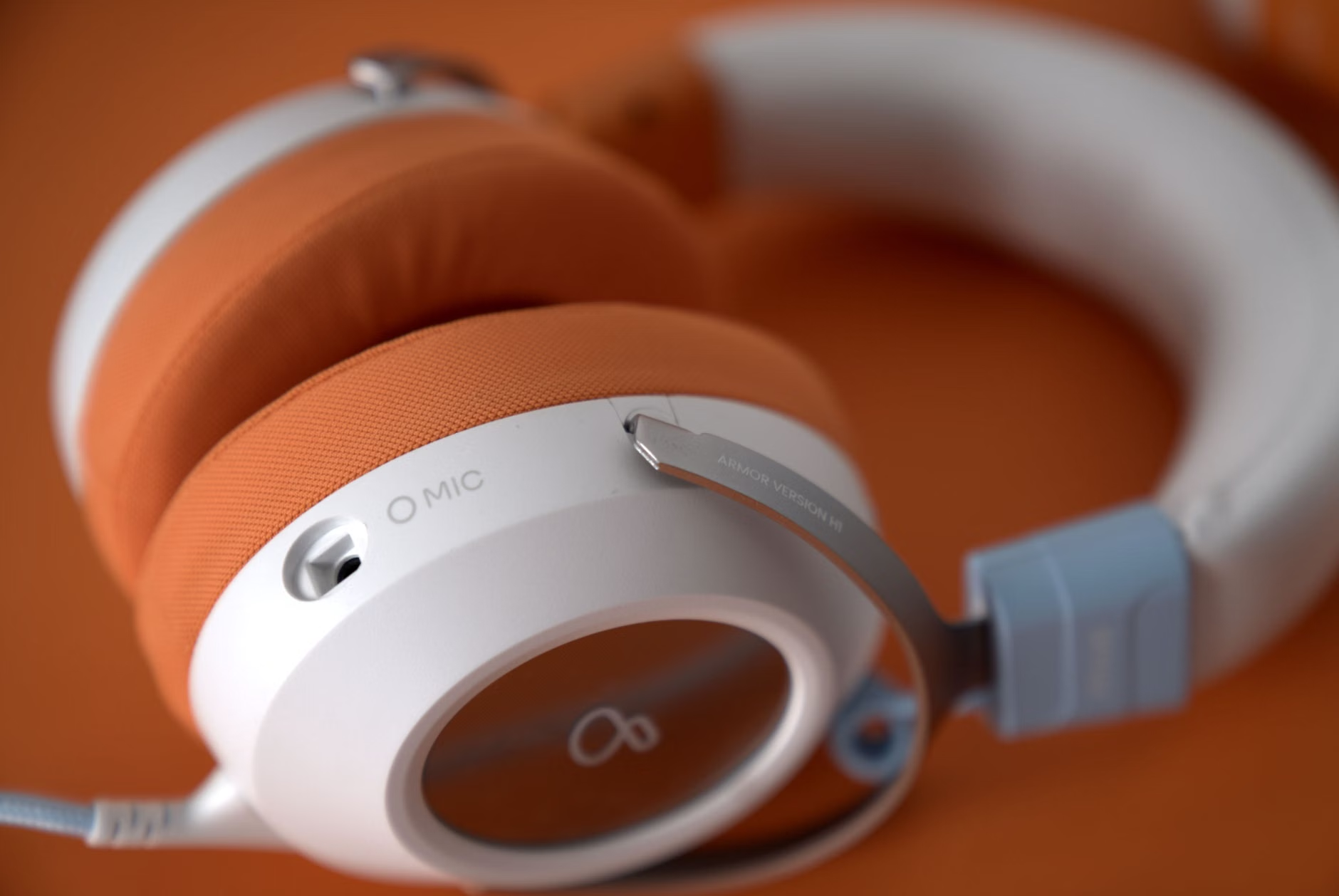
Why Sensory Comfort Matters for the Mature Traveler
As we age, our tolerance for prolonged high-decibel environments can change. Auditory fatigue—the feeling of being “drained” after a long period in a noisy environment—is a real physiological response to sensory overstimulation. When your brain works overtime to filter out background noise, it consumes cognitive energy that could be better spent navigating airport terminals, enjoying a conversation, or simply relaxing.
By dampening ambient sound, you are not just “blocking” noise; you are creating a controlled auditory environment. This can help with:
- Reduced Anxiety: A quieter environment allows for better focus on travel documents and instructions.
- Better Sleep: Eliminating the hum of an airplane cabin can make it easier to rest during long flights.
- Improved Communication: High-quality devices often include “transparency modes” that allow you to hear announcements or conversation partners clearly without removing the device.
Comparing Device Types: What Fits Your Travel Style?
Choosing the right hardware is a balance between comfort, battery performance, and portability. The two primary categories are over-ear headphones and in-ear earbuds.
| Feature | Over-Ear Headphones | In-Ear Earbuds |
|---|---|---|
| Comfort | Generally better for long durations; no pressure inside the ear canal. | Lightweight and discreet, but may cause ear canal fatigue. |
| Battery Life | Often 30+ hours; ideal for long-haul flights. | Usually 5–8 hours per charge; case provides extra power. |
| Portability | Bulkier; requires dedicated space in carry-on. | Fits in a pocket or small handbag. |
For travelers who prioritize stamina and comfort, over-ear models are often the superior choice. They provide a physical “cushion” that many find more relaxing. If you travel with limited luggage or prefer something that feels nearly weightless, in-ear earbuds are the logical alternative.
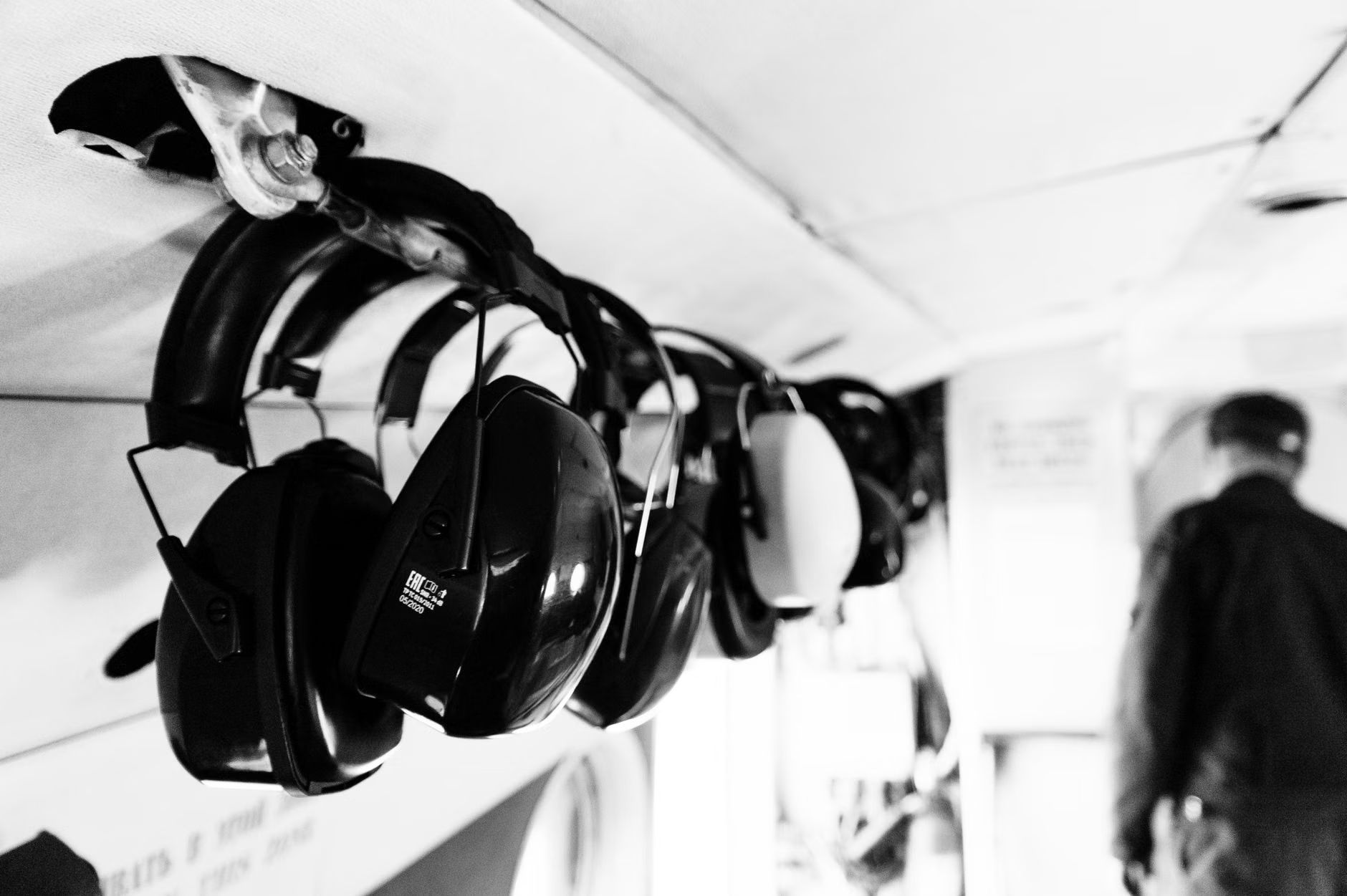
Practical Steps for Integrating ANC into Your Travel Routine
Once you have your device, the goal is to use it effectively to manage your sensory environment. Follow these steps:
- Practice at Home: Do not use your new headphones for the first time at the airport. Spend a few hours wearing them at home to understand how to toggle between “Noise Cancellation” and “Transparency Mode.”
- Check the Battery: Most modern devices have a “fast charge” feature. Ensure you have a small, portable power bank with you to charge your device mid-journey if necessary.
- Use Transparency Mode in Terminals: When walking through busy areas, switch to transparency mode. This allows you to hear emergency announcements or gate changes while still filtering out the harshest background drones.
- Manage Pressure Sensitivity: Some people experience a “sensation of pressure” when ANC is engaged. If you feel this, try a different brand or adjust the intensity of the noise cancellation via the manufacturer’s smartphone app.
Common Mistakes and How to Avoid Them
A common mistake is assuming that ANC will cancel out all sound. It is designed for steady, low-frequency drones. It will not block out sudden, sharp noises like a crying child or a loud conversation nearby. Managing expectations is key to sensory comfort.
Another pitfall is forgetting to pack the correct charging cable. Many devices now use USB-C, but some older models still use Micro-USB. Always verify your cable type before leaving home and keep it in a designated “tech pouch” in your carry-on bag.
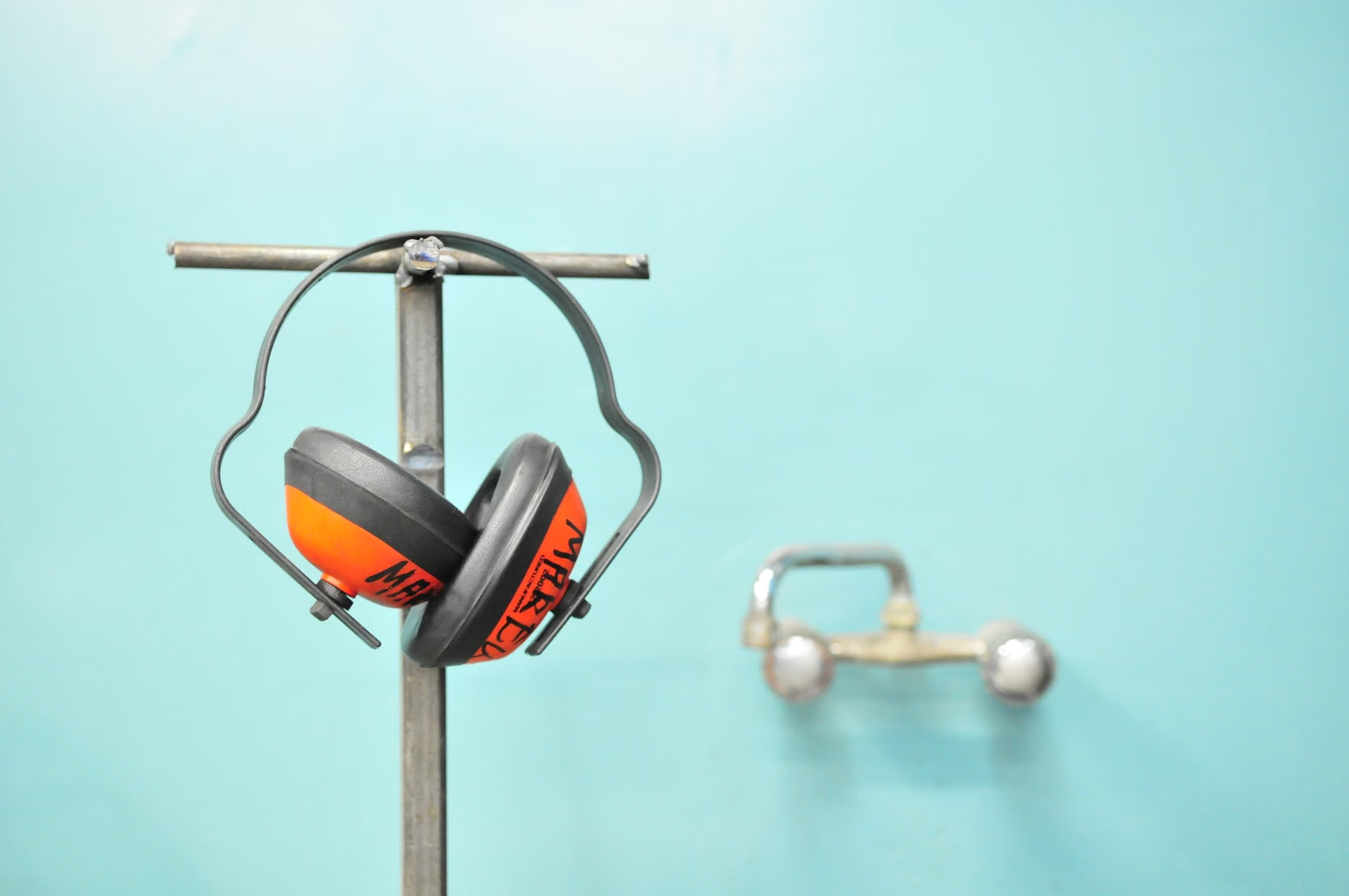
Beyond the Tech: A Holistic Approach to Sensory Comfort
While digital noise cancellation is a powerful tool, it should be part of a broader strategy for travel comfort. Consider these additional factors:
- Hydration and Comfort: Air travel is dehydrating, which can exacerbate physical fatigue. Keep your water intake consistent.
- Pacing: Even with the best technology, travel is tiring. Schedule “recovery time” into your itinerary. If you arrive at your destination, plan for a quiet afternoon before engaging in heavy sightseeing.
- The “Quiet Zone” Strategy: If you are traveling by train, look for “quiet carriages” where phone use and loud conversations are prohibited. Combining this with your noise-canceling headphones creates a near-silent environment that is excellent for resting.
Technical Considerations for the Tech-Confident Traveler
Many high-end noise-canceling devices come with companion apps. These apps are not just for updates; they allow you to customize the “sound profile.” For example, some seniors find that boosting the “mid-range” frequencies in the app settings makes it easier to understand speech when watching movies or listening to podcasts, even while the noise cancellation is active.
Always keep your firmware updated. Manufacturers frequently release updates that improve the efficiency of the noise-canceling algorithm. A quick check of the app before a long trip ensures your device is performing at its best.
Safety and Awareness: Staying Connected to Your Surroundings
While the goal is comfort, safety must remain a priority. Never use full noise cancellation when walking through crowded transit hubs, crossing streets, or interacting with staff. You must remain aware of your environment. Use the “Transparency Mode” or “Ambient Sound” feature whenever you are in a situation where you need to hear your surroundings to stay safe and aware of your gate or platform.
If you have any concerns about how these devices interact with hearing aids, consult your audiologist. Many modern hearing aids now include built-in noise reduction features that can be adjusted specifically for travel, which may be a more seamless solution than wearing headphones over your hearing aids.
Conclusion: Investing in Your Energy
Digital noise-canceling technology is a practical investment in your travel stamina. By reducing the invisible burden of environmental noise, you preserve your energy for what matters most: the experience of your destination and the joy of the journey itself. Whether you choose a high-end pair of over-ear headphones or a compact set of earbuds, the ability to control your auditory environment is a significant asset for the modern, active senior traveler.
For more information on hearing health and travel, you can visit the World Health Organization’s resources on hearing loss to understand how protecting your ears from loud environments contributes to long-term well-being.
Frequently Asked Questions
- 1. Will noise-canceling headphones block out human voices?
- No, ANC technology is best at neutralizing steady, low-frequency sounds like engines. It is less effective at blocking out sudden, high-frequency sounds like human voices, though it will significantly muffle them.
- 2. Can I wear noise-canceling headphones if I use hearing aids?
- It can be physically uncomfortable to wear headphones over hearing aids. Many modern hearing aids have their own built-in noise management features. If you are considering headphones, speak with your audiologist about compatibility or alternative solutions.
- 3. Are these devices complicated to use?
- Most modern devices are designed for simplicity. Once paired with your phone, they usually function with a single button press. Spending 30 minutes practicing at home is usually enough to master the basic controls.