- Cognitive Engagement: Regular weather logging stimulates memory, pattern recognition, and analytical thinking, serving as a low-stress cognitive exercise.
- Environmental Connection: Observing seasonal shifts fosters a deeper connection to your local environment, which is linked to improved mood and reduced feelings of isolation.
- Practical Preparedness: Maintaining a personal weather log helps you better understand local microclimates, aiding in safer planning for daily activities and travel.
Engaging with the world around us is a fundamental pillar of healthy aging. While many hobbies focus on creative expression or physical activity, the practice of basic weather observation and systematic logging offers a unique intersection of scientific curiosity, mindfulness, and cognitive maintenance. By tracking variables such as temperature, barometric pressure, wind direction, and cloud formations, you transform a passive experience of the weather into an active, analytical engagement with your surroundings.
The Cognitive Value of Systematic Observation
At its core, logging the weather is a form of cognitive training that requires consistency, attention to detail, and synthesis of information. When you observe the weather, you are not merely looking at the sky; you are engaging in a multi-step mental process: perception, categorization, and record-keeping.
Memory Retention and Pattern Recognition: By recording daily conditions, you are tasked with remembering the previous day’s weather to identify trends. Over weeks and months, this builds a mental database of seasonal shifts. Research into cognitive health suggests that activities requiring the tracking of longitudinal data—data collected over a period of time—help maintain executive function. You begin to notice that a drop in pressure often precedes a specific type of cloud cover, or that wind from a particular direction brings cooler air.
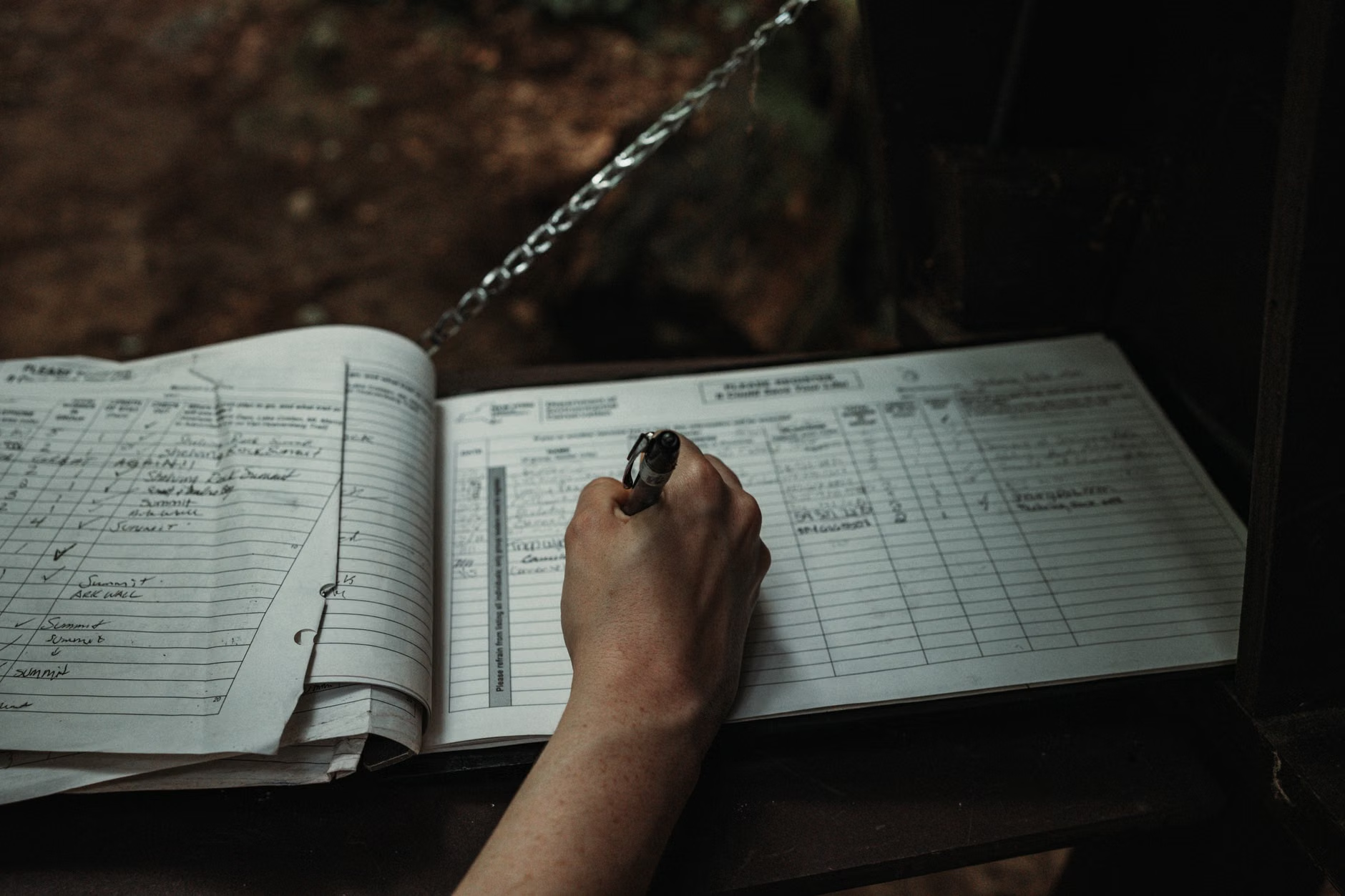
The Mental Benefits of Routine: Establishing a “weather hour” provides a structured anchor for your day. For many, this becomes a ritual that signals the start of the morning or the wind-down of the evening. This predictability is highly beneficial for stress reduction. Unlike complex digital tasks that can become frustrating, the tactile nature of a pen and notebook offers a grounded, sensory experience that is far less demanding on the visual system than screen-based interfaces.
Getting Started: Essential Tools and Techniques
You do not need an expensive professional weather station to begin. The beauty of this hobby lies in its simplicity. The most effective tools are those that are easy to read, reliable, and accessible.
Building Your Basic Kit
To begin your journey as a meteorological observer, consider the following essential items:
| Tool | Purpose | Accessibility Note |
|---|---|---|
| Analog Thermometer | Measures current ambient temperature. | Ensure the scale is large and high-contrast for easy reading. |
| Logbook/Journal | Documents daily observations. | Use a notebook with wide lines and sturdy paper. |
| Rain Gauge | Measures daily precipitation. | Place in an open area away from trees for accuracy. |
| Compass | Determines wind direction. | Basic magnetic compasses are sufficient for identifying cardinal directions. |
Common Mistake: A frequent error for beginners is attempting to record too much data at once. Start with just temperature and general sky conditions (e.g., clear, overcast, rainy). Once you are comfortable with this, you can gradually add more variables like wind speed or humidity. The goal is consistency, not perfection.
The Science of Clouds: A Gateway to Meteorology
Understanding cloud types is perhaps the most rewarding aspect of weather observation. It turns a walk in the park into a dynamic lesson in physics. Clouds are essentially the “visible” indicators of the atmosphere’s state.
The Three Primary Cloud Categories
- Cirrus: These are thin, wispy clouds found at high altitudes. They are composed of ice crystals and often indicate a change in weather is approaching.
- Cumulus: These are the classic “cotton ball” clouds. When small, they indicate fair weather, but if they grow vertically, they may signal instability.
- Stratus: These appear as a flat, grey, featureless layer covering the sky. They are the primary source of overcast days and light drizzle.
By learning to identify these, you are practicing visual classification—a skill that keeps the brain agile. When you see a Cirrus cloud, you might note in your logbook: “Cirrus observed, potential pressure drop.” Later, when the wind picks up, you have the satisfaction of having anticipated the change.

Integrating Weather Observation into Your Daily Routine
To make this hobby sustainable, it must fit seamlessly into your existing lifestyle. If you enjoy morning walks, your weather observation should be part of that walk. If you prefer to stay indoors, your observations can be focused on what you see from your favorite armchair or balcony.
Creating a “Weather Ritual”
Consistency is key to cognitive benefits. Try these steps:
- The Observation Window: Choose a consistent time, such as 8:00 AM, to check your thermometer and rain gauge.
- The Recording Phase: Spend five minutes writing your observations. Include a brief note on how the weather makes you feel—for example, “Crisp morning, invigorating for a walk.”
- The Reflection Loop: Once a week, flip back through your entries. Compare the week’s weather to your mood or activity level. This creates a personal history that is uniquely yours.
Safety Considerations: If you are physically frail or have balance issues, do not venture out into severe weather to check your instruments. Place your equipment in a location that is visible from a safe, indoor vantage point. Your health and safety always take precedence over the accuracy of your weather data.
Practical Benefits: Beyond the Brain
While the primary focus is cognitive health, there are significant practical benefits to becoming a local weather expert. Understanding your microclimate helps you plan your day more effectively.
Optimizing Travel and Errands: By tracking patterns, you become better at predicting when it is best to leave the house. For instance, if you notice that your local area tends to have heavy fog in the late afternoon, you can schedule your appointments for the morning. This reduces the stress of navigating in poor visibility or slippery conditions.
Environmental Awareness: Older adults often benefit from spending time in nature. Weather observation encourages you to look outward. This shift in focus from internal concerns to the external environment is a known strategy for mitigating the effects of social isolation and low-level anxiety.
Deep Dive: The Nuances of Microclimates
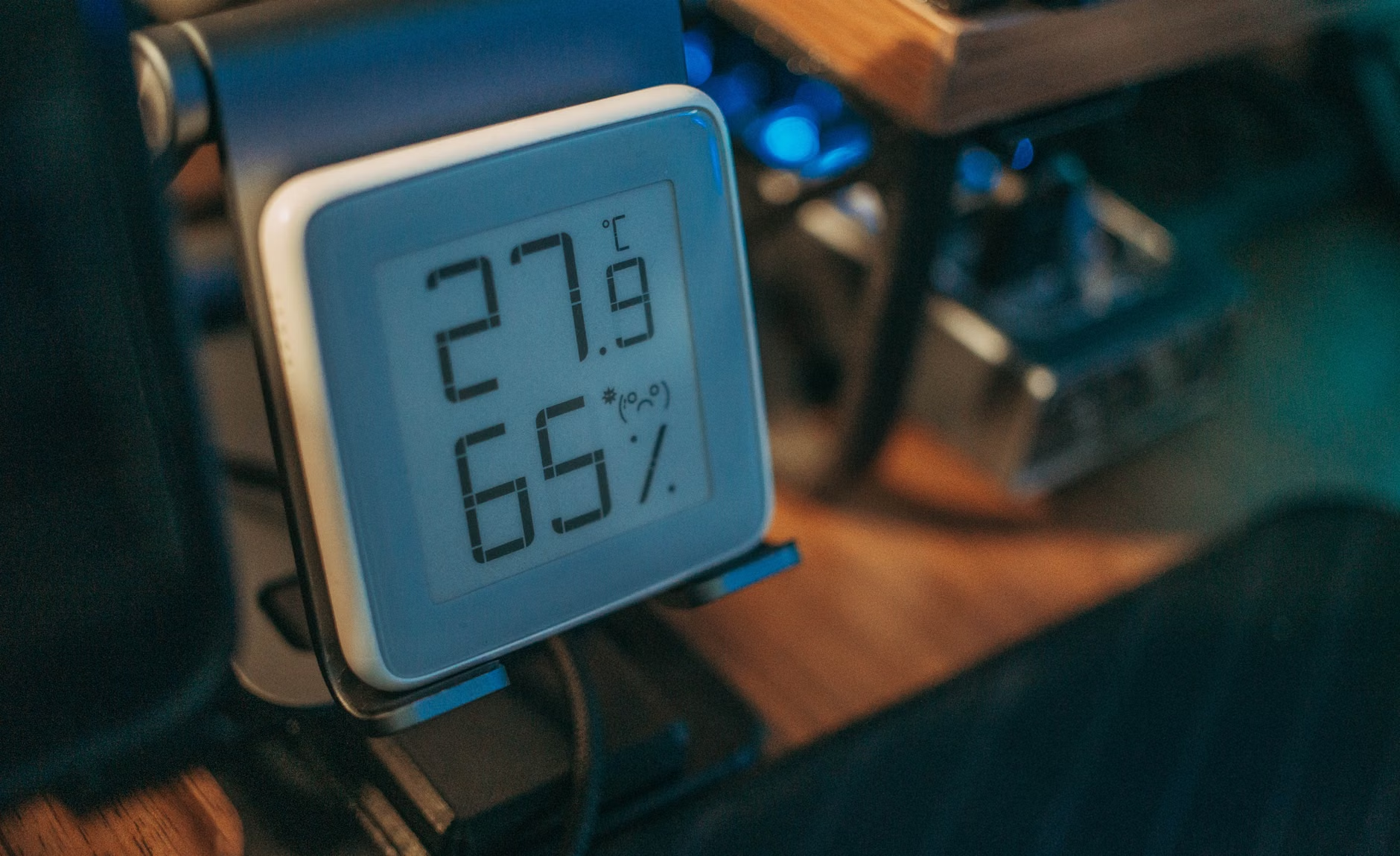
One of the most fascinating aspects of weather logging is discovering your “microclimate.” A microclimate is the climate of a very small or restricted area, which may differ from the climate of the surrounding area. Your backyard might be five degrees warmer than the official regional forecast because of its orientation to the sun or the presence of a brick wall that retains heat.
Why this matters: Understanding your home’s microclimate is critical for health. If you are sensitive to heat, knowing that your patio becomes an “oven” in the early afternoon allows you to plan your gardening or sitting time for the cooler morning hours. This is a form of proactive health management that relies on data you collected yourself, rather than generic advice from a news app.
The Trade-off: While digital apps provide regional data, they often fail to capture these local nuances. By keeping your own records, you are creating a “hyper-local” dataset that is far more relevant to your specific living situation than any generic forecast.
Addressing Potential Challenges
Some may find the idea of keeping a daily log daunting. If you find yourself missing days, do not be discouraged. This is not a formal scientific study; it is a hobby. If you miss a day, simply record “Data missing” and move on. The cognitive benefit comes from the act of observing, not from having a perfect, unbroken record.
If you have difficulty with manual writing due to arthritis or other mobility concerns, consider using a voice recorder or a simple tablet-based note app. The goal is to record your observations in a way that is comfortable for you. The mental process of formulating the observation is where the cognitive work happens, regardless of the recording medium.
When to seek professional advice: If you are using weather observation to help manage conditions like joint pain (which some people find worsens with drops in barometric pressure), keep a log of both your symptoms and the weather. When you visit your doctor, this log can be a valuable tool to show them the correlation you have observed. However, never assume that weather is the sole cause of health changes; always discuss persistent symptoms with your healthcare provider.
Expanding Your Horizons: Community and Citizen Science
Once you are confident in your logging skills, you may wish to share your data. Many countries have “citizen science” programs where amateur observers contribute their data to national meteorological services. This can be a wonderful way to contribute to a larger effort while maintaining your own personal practice.
For example, in the United Kingdom, the Met Office often encourages citizen participation in weather recording. In the United States, the Community Collaborative Rain, Hail and Snow Network (CoCoRaHS) allows individuals to submit their local precipitation data. Engaging with these programs can provide a sense of purpose and community, as you are contributing to a real scientific effort.
Decision Criteria for Joining a Program:
- Time Commitment: Are you willing to report your data online regularly?
- Technical Comfort: Are you comfortable using a web portal or app to submit data?
- Accuracy Requirements: Are you prepared to follow specific, standardized guidelines for instrument placement?
If you prefer a low-pressure environment, stick to your personal journal. If you enjoy the idea of being part of a larger team, these programs offer a structured way to do so.
Conclusion: The Value of the Present Moment
Weather observation is more than just a record of the atmosphere; it is a commitment to being present. In an age where we are constantly bombarded with digital information, the act of stepping outside to look at the sky, feel the breeze, and record the temperature is a grounding, restorative practice. It asks us to slow down, pay attention, and appreciate the subtle changes that define our days.
By turning this into a regular hobby, you are not only sharpening your cognitive faculties but also building a deeper, more nuanced relationship with the world you inhabit. Whether you are tracking the first frost of winter or the gentle onset of spring, you are engaging in a timeless human activity—one that connects us to the cycles of the earth and provides a steady, reliable rhythm to our lives.
Start today. Find a comfortable place to observe, pick up a notebook, and start with the simplest of questions: What is the sky doing today?
Frequently Asked Questions
1. Can weather logging help with my seasonal affective disorder (SAD)?
While weather logging is not a treatment for SAD, it can help you become more aware of your environment and the amount of natural light you are receiving. It can also help you identify patterns in your mood, which you can then discuss with a healthcare professional. Always consult your doctor for personalized advice regarding mental health conditions.
2. What if I don’t have a garden to place a rain gauge?
You can still observe the weather effectively from a balcony or even a window. While you might not be able to measure rainfall accurately without an outdoor space, you can still record temperature, cloud types, and wind direction. The cognitive benefits of observation remain the same regardless of your living situation.
3. How long does it take to see the benefits of this hobby?
Cognitive health is a long-term endeavor. You may find the immediate benefit of a calming, structured routine within the first week. The deeper benefits of improved observation skills and pattern recognition will naturally develop as you continue the practice over several months. Focus on the enjoyment of the process rather than a specific timeline for results.
Official Resources for Further Learning: