- Seated foot-slides provide a low-impact way to maintain synovial fluid movement and muscle flexibility in the hips and knees without bearing full body weight.
- Consistency is more effective than intensity; performing 5–10 minutes of controlled movement daily is superior to sporadic, strenuous exercise.
- Always prioritize pain-free range of motion; if you experience sharp or radiating pain, stop immediately and consult a healthcare professional.
Seated Foot-Slides: A Practical Guide to Maintaining Knee and Hip Mobility
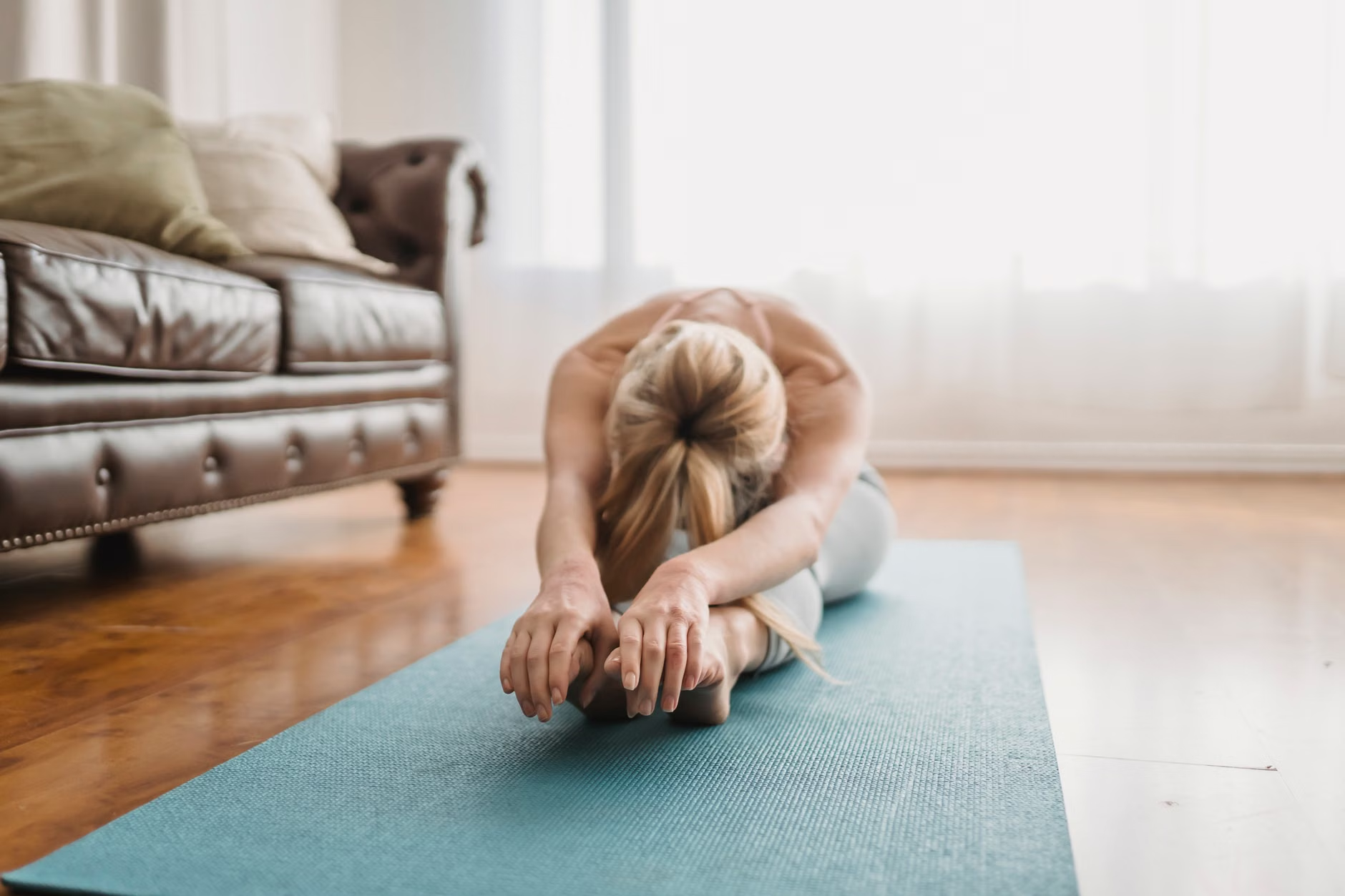
Maintaining joint mobility is a cornerstone of independent living for adults aged 60 to 80. As we age, the tissues surrounding our joints—including ligaments, tendons, and muscles—can become less elastic, leading to stiffness. Seated foot-slides are an accessible, low-impact exercise designed to gently work the knee and hip joints through their natural range of motion. By performing these movements while seated, you eliminate the risk of balance-related falls, making this an ideal preventive habit for daily life.
The Physiology of Joint Stiffness and Why Movement Matters
To understand why a simple movement like a foot-slide is beneficial, we must look at how joints function. Your knees and hips are synovial joints, meaning they are lubricated by synovial fluid. This fluid acts as a shock absorber and a lubricant, allowing bones to glide smoothly against one another. When we remain sedentary for long periods, this fluid becomes more viscous, like cold oil, which contributes to that “stiff” feeling upon standing.
Movement, even at a low intensity, encourages the circulation of synovial fluid. When you slide your foot forward and backward while seated, you are effectively “pumping” this fluid through the joint capsule, which helps nourish the cartilage and maintain joint space. Furthermore, repetitive movement helps keep the supporting muscles—the quadriceps, hamstrings, and hip flexors—supple. When these muscles are tight, they pull on the joints, often causing discomfort. Keeping them loose through gentle, controlled motion is a foundational strategy for preventing long-term mobility decline.
Step-by-Step: How to Perform Seated Foot-Slides Safely
The beauty of the seated foot-slide lies in its simplicity. You do not need specialized equipment or a gym membership. All that is required is a sturdy, armless chair and a smooth floor surface.
1. Setting Up Your Environment
Select a chair that is stable and does not have wheels. A dining room chair is usually ideal. Ensure the chair is placed on a smooth surface, such as hardwood, laminate, or tile. If you are on a carpet, the friction will make sliding difficult; in this case, place a thin towel or a plastic tray under your foot to allow it to glide.
2. The Movement Mechanics
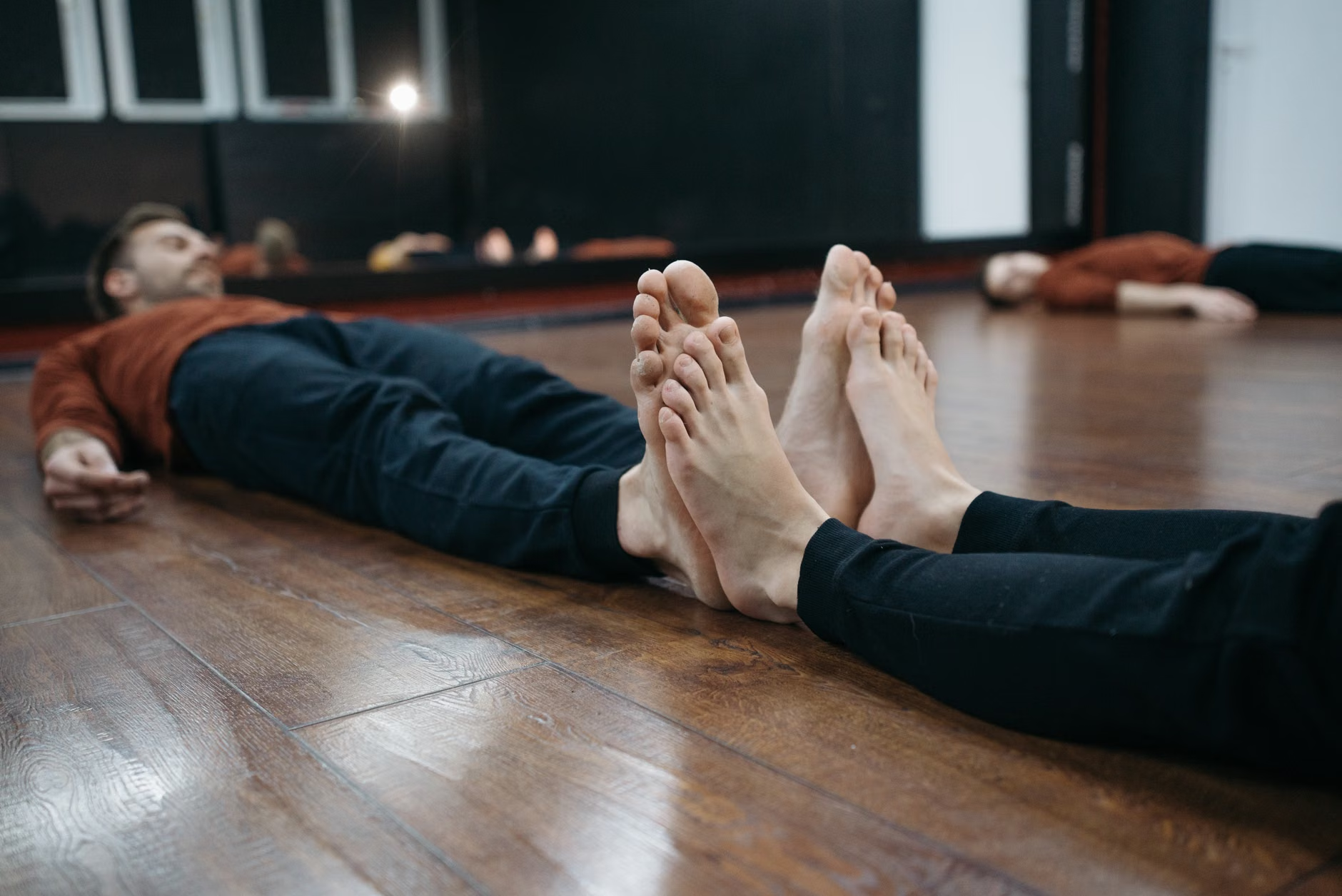
- Positioning: Sit toward the front edge of the chair with your feet flat on the floor. Keep your back straight, engaging your core slightly to support your spine.
- The Slide: Slowly slide your right foot forward, extending your knee as far as is comfortable. Keep your heel in contact with the floor at all times.
- The Return: Gently slide your foot back toward the chair, bending the knee until your foot returns to the starting position.
- Repetition: Repeat this movement 10 times with the right leg, then switch to the left leg.
3. Common Mistakes to Avoid
One of the most frequent errors is “locking” the knee at the end of the extension. Even when your leg is fully extended, keep a micro-bend in the knee to protect the joint. Another mistake is rushing the motion; the benefit comes from the controlled tension of the muscles. Perform the slide slowly, taking about 3 seconds to extend and 3 seconds to return.
Adapting the Exercise for Different Mobility Levels
Not every body responds the same way to repetitive movement. Depending on your current level of comfort, you may need to adjust your approach to ensure safety and effectiveness.
| Condition | Adjustment | Why it helps |
|---|---|---|
| Limited Knee Extension | Slide only as far as pain allows. | Prevents over-stretching of the posterior capsule. |
| Carpeted Floors | Use a slider or a smooth towel. | Reduces friction, preventing strain on the hip. |
| Hip Discomfort | Ensure the chair height allows your hips to be slightly higher than your knees. | Reduces the angle of hip flexion, easing pressure. |
If you find that your hips are lower than your knees, you may be putting unnecessary strain on the hip flexors. Using a firm cushion on the seat of the chair can elevate your hips, creating a more neutral angle that makes the sliding motion significantly easier on the joints.
When to Seek Professional Guidance
While seated foot-slides are a gentle preventive measure, they are not a substitute for medical treatment if you have underlying structural issues. It is important to distinguish between “exercise discomfort”—the feeling of muscles working or slight tightness—and “joint pain.”
Warning Signs to Stop:
- Sharp, stabbing pain in the joint itself.
- Swelling or heat in the knee or hip that persists after exercise.
- A “locking” or “catching” sensation in the joint.
- Pain that radiates down the leg or up into the lower back.
If you experience any of these symptoms, consult a physical therapist or your primary care provider. When preparing for an appointment, bring a written log of when the pain occurs, what activities aggravate it, and how long it lasts. This information allows professionals to provide more accurate assessments. According to the Chartered Society of Physiotherapy (UK) and similar global bodies, early intervention for persistent joint pain is crucial to preventing long-term degradation of range of motion. You can find more information on joint health and professional guidance via the Chartered Society of Physiotherapy.
Integrating Movement into Your Daily Routine
The most significant barrier to successful preventive health is not physical ability, but consistency. Many adults view exercise as a “session” that must last 30 minutes. However, for joint health, “movement snacks”—short, frequent bursts of activity—are often more effective and sustainable.
Try placing a reminder near your favorite chair. You can perform 10 foot-slides every time you sit down to watch the news, or while waiting for a pot of tea to boil. By anchoring the exercise to a habit you already perform, you remove the mental friction of needing to “find time” to exercise.
The Hidden Variable: Shoe Choice
Many people overlook the role of footwear during seated exercises. While you may be tempted to do these barefoot, wearing shoes with a slight grip on the sole can actually provide better control during the slide. Conversely, if your shoes are too “sticky” on the floor, it can cause the foot to jerk rather than slide smoothly. A pair of house shoes with a smooth, synthetic sole is often the perfect middle ground.
Comprehensive FAQ
1. Can I perform these slides if I have had a knee replacement?
Generally, yes, but you must follow the specific protocols provided by your surgeon or rehabilitation team. They may have specific range-of-motion limits they want you to respect. Always clear new exercises with your physiotherapist before starting.
2. How many times a day should I do these?
There is no strict rule, but 2–3 times a day is a standard frequency. If you feel any soreness, reduce the frequency. The goal is to keep the joints lubricated, not to fatigue the muscles to failure.
3. Does this exercise help with back pain?
While this is primarily for knees and hips, good hip mobility often indirectly supports the lower back. By reducing the tension in the hip flexors, you may find that your pelvic alignment improves, which can lead to less compensatory strain on the lumbar spine. However, if you have chronic back pain, consult a specialist to ensure these movements are appropriate for your specific condition.
Disclaimer: This article is for informational purposes only and does not constitute medical advice. Always consult with a healthcare professional before beginning a new exercise program, especially if you have pre-existing joint conditions or chronic health concerns.