- Manganese is a vital trace mineral that works as a cofactor for enzymes involved in bone mineralization and glucose metabolism.
- Most healthy seniors can meet their manganese needs through a varied diet of whole grains, nuts, and legumes, making supplementation largely unnecessary and potentially risky.
- Excessive manganese intake can lead to neurological concerns, especially in individuals with compromised liver function or those taking specific medications.
For adults aged 60 to 80, the focus of nutrition often shifts toward maintaining mobility and metabolic balance. While calcium and vitamin D dominate the conversation surrounding bone health, manganese is an essential, yet frequently overlooked, trace mineral that plays a foundational role in skeletal integrity and energy regulation. Understanding how to incorporate sufficient manganese into your daily diet—without over-relying on supplements—is a practical step in your preventive health strategy.
What is Manganese and Why Does It Matter for Longevity?
Manganese is a trace mineral, meaning your body requires it in small quantities to function correctly. It is not just an inert substance; it is a critical “cofactor.” Think of it as a key that unlocks specific enzymes in your body. Without this key, several biological processes—most notably the formation of bone cartilage and the metabolism of carbohydrates—cannot proceed efficiently.
In the context of aging, two primary functions of manganese become particularly significant:
- Bone Mineralization: Manganese is involved in the synthesis of proteoglycans, the complex molecules that form the structural framework of bone and cartilage. As we age, the rate of bone remodeling changes, and ensuring the availability of these cofactors is essential for maintaining bone density.
- Metabolic Regulation: Manganese is a component of superoxide dismutase (SOD), a powerful antioxidant enzyme that protects cells from oxidative stress. Furthermore, it supports the enzymes required to break down glucose, which is central to maintaining stable blood sugar levels.
Assessing Your Manganese Intake: The Dietary Approach
Unlike some nutrients that require meticulous calculation, manganese is widely available in plant-based foods. The Adequate Intake (AI) for manganese for adults is generally set at 2.3 mg per day for men and 1.8 mg per day for women. Most people living in developed nations who consume a diet rich in whole foods reach these levels naturally.
Top Dietary Sources for Seniors
To integrate manganese into your daily routine, prioritize foods that are nutrient-dense. The following table highlights common sources and their approximate manganese content:
| Food Item | Serving Size | Manganese Content (Approx.) |
|---|---|---|
| Brown Rice | 1 cup (cooked) | 2.1 mg |
| Pecans | 1 ounce | 1.3 mg |
| Spinach | 1 cup (cooked) | 1.7 mg |
| Chickpeas | 1 cup (cooked) | 1.7 mg |
| Pineapple | 1 cup (chunks) | 1.5 mg |
Note: These values are approximations based on USDA data. Variations occur based on soil quality where the crops were grown.
Why Whole Foods Outperform Supplements
A common mistake in senior nutrition is the assumption that more is better. Manganese is one of the few minerals where the gap between the “adequate amount” and the “toxic level” can be narrow for some individuals. When you consume manganese via whole grains or nuts, you are also consuming fiber, magnesium, and healthy fats. These components modulate the absorption rate, preventing the rapid spikes in mineral levels that can occur with high-dose supplements.
While deficiency is rare in healthy adults, toxicity is a genuine concern, particularly for those who experiment with high-dose mineral supplements. Unlike water-soluble vitamins that the body can easily flush out, excess manganese can accumulate in the brain, specifically in the basal ganglia—the area responsible for movement control.
Warning Signs and Considerations:
- Liver Health: Manganese is primarily excreted through bile. If you have any history of liver disease or impaired biliary function, your body may struggle to clear excess manganese, increasing the risk of toxicity.
- Medication Interactions: If you are taking medications for blood pressure or specific antipsychotic drugs, discuss your dietary habits with your physician. Certain drugs can influence how minerals are absorbed or excreted.
- The “Supplement Trap”: Many “multimineral” supplements contain high doses of manganese. If you are already eating a balanced diet, adding a supplement may push your intake well beyond the Tolerable Upper Intake Level (UL) of 11 mg per day for adults.

Practical Strategies for Daily Implementation
Integrating manganese into your life does not require a complete overhaul of your kitchen. It is about consistent, small adjustments that favor nutrient density over convenience foods, which are often stripped of these trace minerals during processing.
Step-by-Step Dietary Integration
- Swap Refined for Whole: Replace white rice or white bread with brown rice, quinoa, or whole-wheat options. These grains retain the manganese-rich outer bran layers.
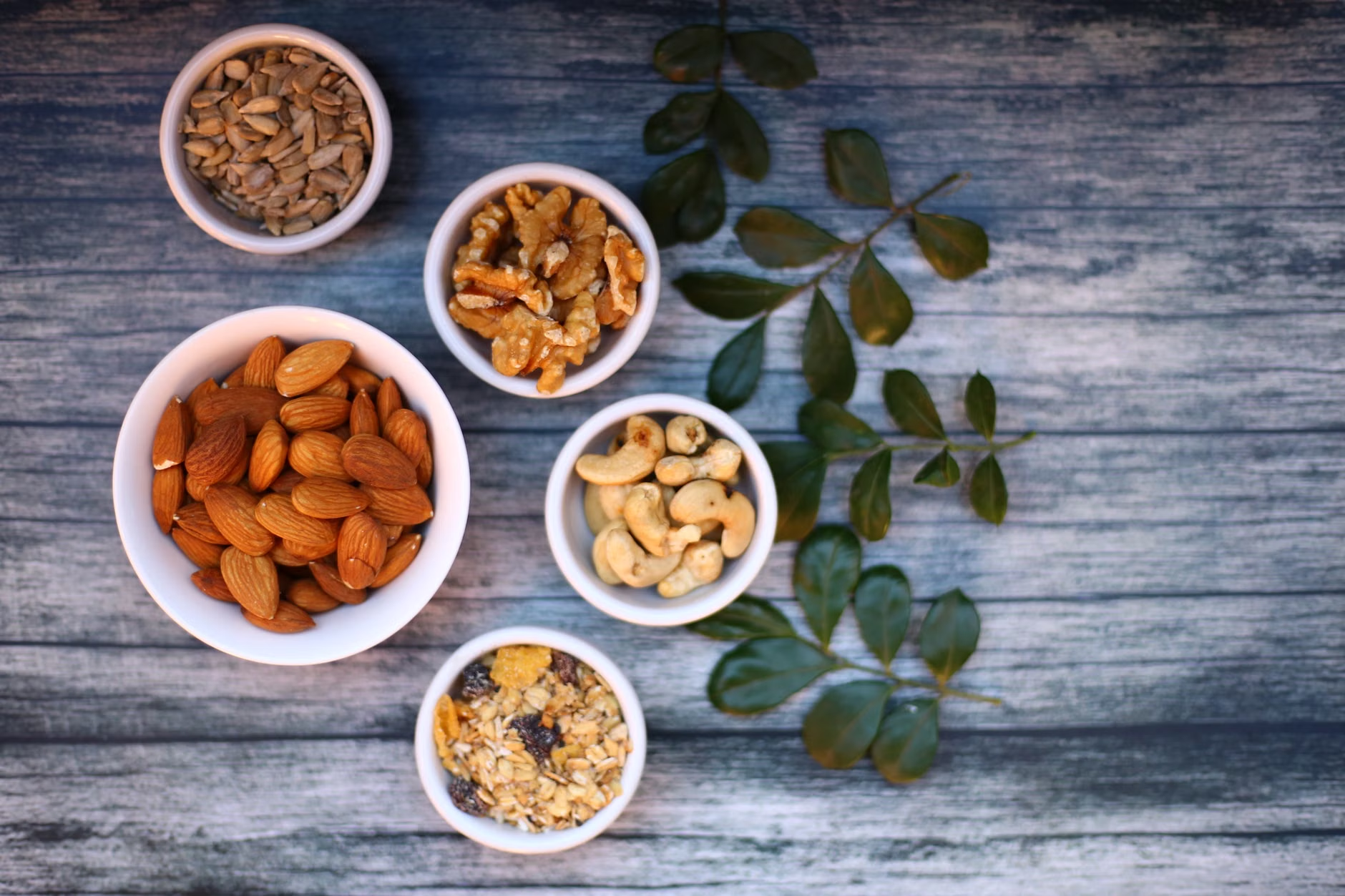
- The Afternoon Snack Audit: Instead of processed crackers, keep a small portion of raw almonds or pecans on hand. A single handful provides a significant portion of your daily manganese needs alongside healthy fats.
- Maximize Vegetable Absorption: Lightly steaming your greens, such as spinach or kale, can make the minerals more bioavailable compared to eating them raw, as heat breaks down some of the compounds that inhibit absorption.
If you find that your appetite is lower, which is common in the 70s and 80s, focus on “nutrient density.” A small bowl of oatmeal with a sprinkle of pumpkin seeds is far superior to a large portion of calorie-dense but nutrient-poor food.
When to Consult a Professional
You do not need to track your manganese intake with a calculator. However, you should consult your primary care provider or a registered dietitian if:
- You have been diagnosed with osteoporosis or osteopenia and are reviewing your overall bone health strategy.
- You are experiencing unexplained tremors or changes in gait, which can sometimes be linked to neurological issues (though these are rarely caused by dietary manganese alone).
- You are considering starting a new supplement regimen, especially one that includes multiple trace minerals.
When you visit your doctor, bring a 3-day food diary. This allows the professional to see if you are truly deficient or if you are simply experiencing the natural slowing of metabolic processes that comes with age. Avoid asking for “a test for manganese”; instead, ask, “Given my current health goals and medication list, is my dietary intake of trace minerals sufficient to support my bone and metabolic health?”

Common Misconceptions and Reality Checks
One prevalent myth is that “superfoods” like wheatgrass or massive amounts of ginger are required to get enough manganese. The reality is that a standard, balanced diet—the Mediterranean-style eating pattern, for instance—provides more than enough. You do not need to seek out obscure ingredients to maintain healthy manganese levels.
Another misconception is that manganese will “cure” joint pain. While it supports the cartilage structure, it is not a painkiller or a treatment for osteoarthritis. If you are managing chronic pain, manganese is a maintenance tool, not a solution for acute inflammation.
Conclusion: Sustainability Over Intensity
Preventive health for adults aged 60 to 80 is a marathon, not a sprint. Manganese is a quiet worker in your body, facilitating the processes that keep your bones strong and your energy metabolism steady. By opting for whole, unprocessed foods, you naturally secure this mineral without the risks associated with concentrated supplements. Focus on variety, keep your portions manageable for your appetite, and prioritize consistent habits over short-term nutritional “fixes.”
Frequently Asked Questions
1. Can I get too much manganese from eating too many nuts and grains?
It is extremely difficult to reach toxic levels of manganese through diet alone. Your body has built-in homeostatic mechanisms to regulate the absorption of minerals from whole foods. Toxicity is almost exclusively associated with high-dose, isolated supplements or extreme environmental exposure.
2. Does cooking destroy the manganese in my food?
Manganese is a mineral, meaning it is heat-stable. Unlike some vitamins (like Vitamin C), cooking does not destroy the manganese content of your food. Steaming or boiling vegetables is perfectly fine and may even help your body absorb the mineral more easily by softening the plant cell walls.
3. Should I take a manganese supplement if I have weak bones?
If you have been diagnosed with low bone density, your first step should be to discuss a comprehensive plan with your doctor that includes calcium, vitamin D, and protein intake, along with weight-bearing exercise. Adding a manganese supplement without professional guidance is not recommended, as it may provide no additional benefit while increasing the risk of accumulation in the body.
Sources:
- National Institutes of Health (NIH) Office of Dietary Supplements: Manganese Fact Sheet for Health Professionals
- Institute of Medicine (US) Panel on Micronutrients: Dietary Reference Intakes for Vitamin A, Vitamin K, Arsenic, Boron, Chromium, Copper, Iodine, Iron, Manganese, Molybdenum, Nickel, Silicon, Vanadium, and Zinc