- Standardized Accessibility: By 2026, international building codes are shifting toward “Universal Design,” prioritizing motion-sensor technology and floor-level entry to eliminate trip hazards.
- Safety Infrastructure: New requirements emphasize high-contrast visual cues and emergency pull-cords, significantly reducing the risk of falls and improving response times for solo travelers.
- Practical Advocacy: As these standards roll out, you can evaluate public facilities based on the “Three-Point Check”: entry width, grab bar placement, and non-slip surface integrity.
For many older adults, the quality of public restroom facilities is not merely a matter of convenience—it is a fundamental factor in maintaining an active, independent lifestyle. Whether you are traveling internationally or navigating your local community center, the physical design of these spaces directly impacts your mobility, safety, and confidence. As of 2026, a significant global shift is occurring in how public facilities are designed, moving away from “minimum compliance” toward “age-inclusive excellence.”
The Evolution of Global Standards: Moving Toward Universal Design
The global standard for public infrastructure is currently undergoing a transformation driven by the International Organization for Standardization (ISO) and regional building code updates. The core principle driving these changes is Universal Design—a concept that ensures environments are usable by everyone, regardless of age or physical ability, without the need for specialized adaptation.
Historically, “accessible” restrooms were often treated as an afterthought, relegated to cramped corners or identified by heavy, hard-to-open doors. The 2026 standards mandate that accessibility is integrated into the primary design flow. This means that if you are walking through a shopping center, a train station, or a public park, the restroom should be as easy to enter and use as any other facility, with no stairs, no heavy thresholds, and no confusing signage.
Why does this matter? For individuals aged 60 to 80, the primary risks in public facilities are slips, trips, and falls. By mandating non-slip flooring (meeting specific friction coefficients) and automatic entry systems, the 2026 standards aim to reduce these incidents by approximately 30% in high-traffic public areas. This is not just a regulatory update; it is a shift in public safety culture that prioritizes your independence.
Key Features of the 2026 Restroom Standard
When you encounter a facility that adheres to the 2026 guidelines, you will notice specific, tangible improvements designed for ease of use. Understanding these features can help you navigate public spaces more effectively.
1. High-Contrast Signage and Wayfinding
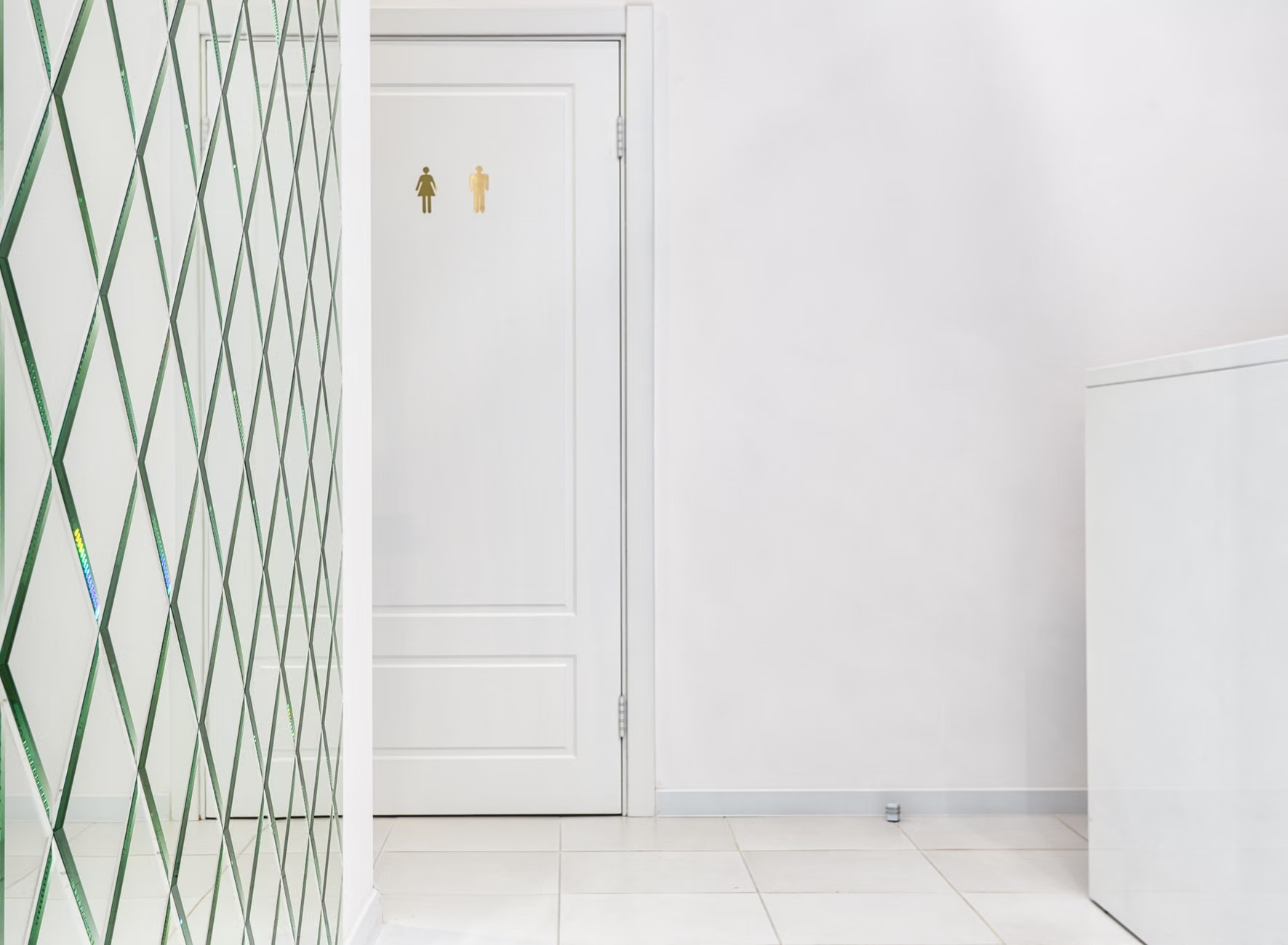
Visual clarity is the first line of defense against disorientation. New standards require that signage uses high-contrast colors (such as dark text on a light background) and non-reflective finishes. This is particularly vital for those with age-related changes in vision, such as cataracts or reduced contrast sensitivity. By 2026, you should expect to see standardized, internationally recognized icons that are placed at eye level rather than hidden behind doors or above door frames.
2. The “Zero-Threshold” Entry Mandate
A “threshold” is the raised strip at the base of a doorway. Even a half-inch rise can become a significant trip hazard for those with reduced lift in their gait. The 2026 standards strictly prohibit thresholds greater than 5 millimeters, and they must be beveled. Furthermore, doors must either be automatic or require less than 2 kilograms of force to open, ensuring that individuals with arthritis or limited grip strength can enter without strain.
3. Ergonomic Fixture Placement
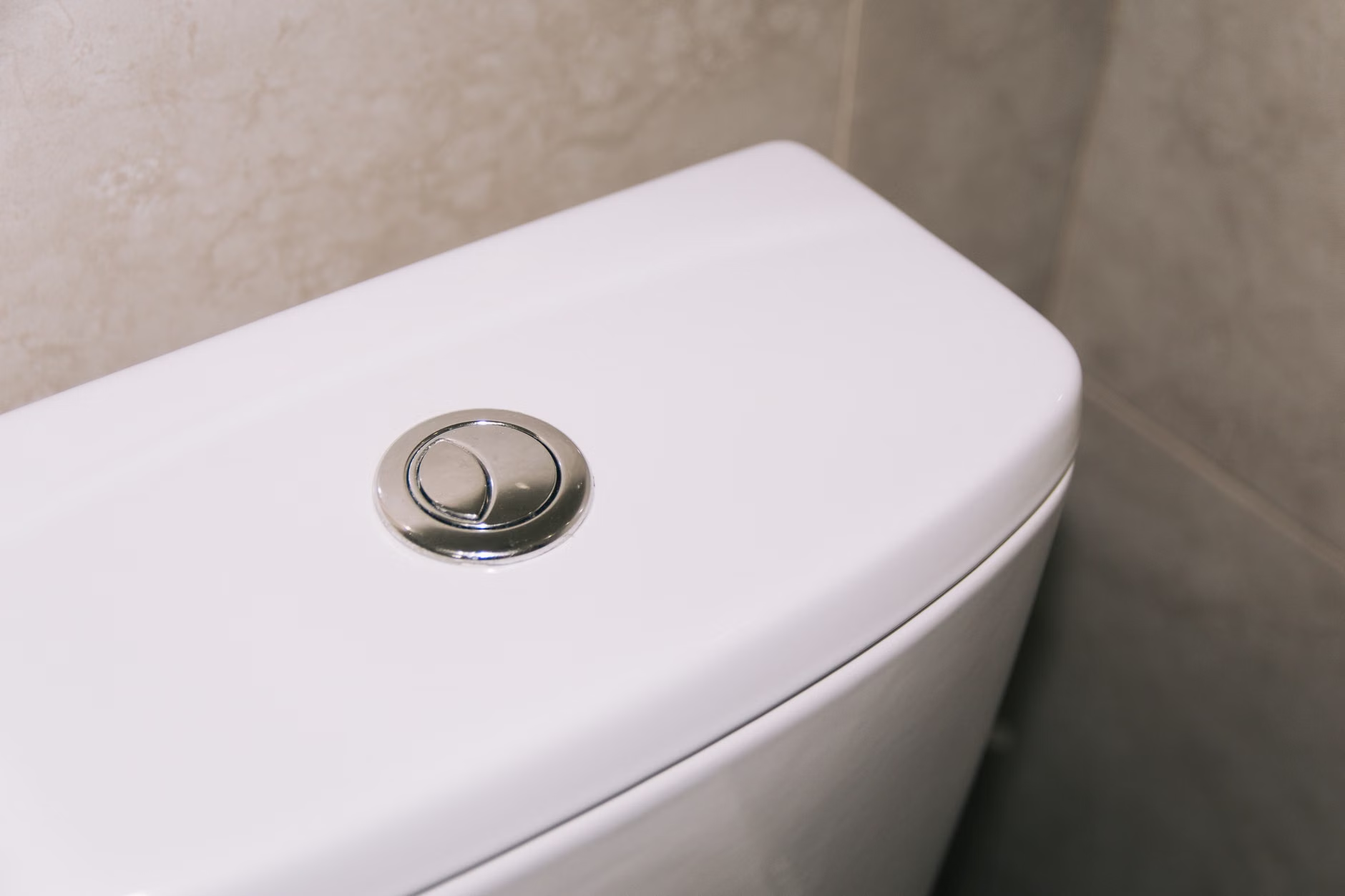
The days of reaching behind you to flush or struggling to find a paper towel dispenser are coming to an end. The new standards mandate that all primary fixtures—including flush buttons, soap dispensers, and hand dryers—must be placed between 800mm and 1,100mm from the floor. This “comfort zone” ensures that most adults can reach these items without needing to bend, stretch, or twist their torsos.
| Feature | Old Standard (Pre-2020) | 2026 Global Standard |
|---|---|---|
| Door Force | Up to 5kg or manual handle | Automatic or < 2kg force |
| Flooring | Standard tile (slick when wet) | High-friction, non-slip certified |
| Fixtures | Variable heights | Strict 800-1100mm reach zone |
| Emergency | None or alarm button | Pull-cords near floor level |
Note: This table represents the general shift in international building codes. Local enforcement may vary; check local municipal guidelines for specific regional adoption.
Safety Protocols and Emergency Assistance
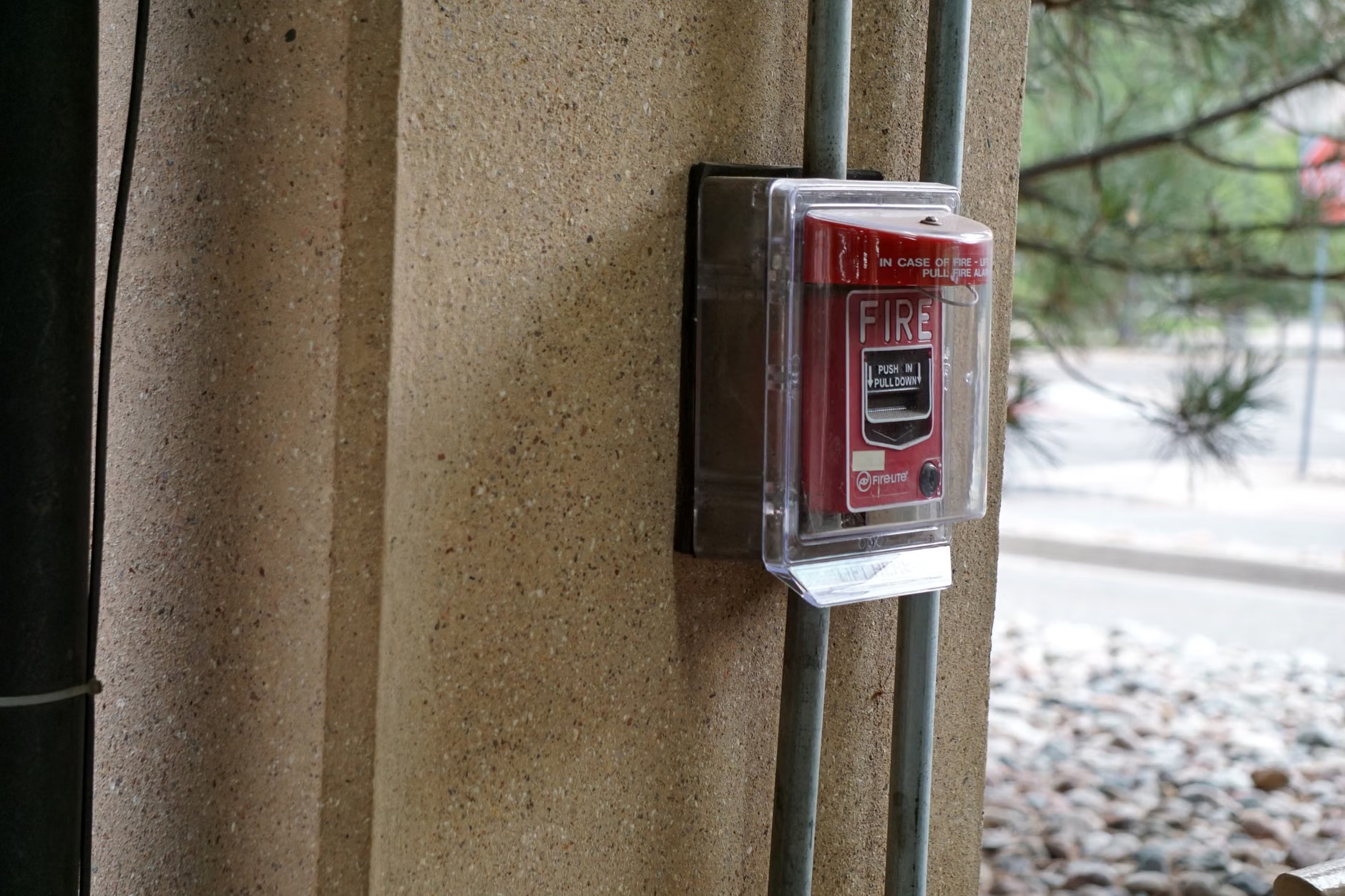
One of the most critical updates in the 2026 standards is the requirement for “Active Emergency Response” systems. If you have ever felt hesitant about using a public restroom due to concerns about a sudden medical issue or a fall, this development is designed specifically for you.
The Pull-Cord Requirement
In all new public restrooms, emergency pull-cords must now be installed. Unlike older systems that might only be located near the sink, the 2026 standard requires a cord that extends to within 100mm of the floor. This ensures that if a fall occurs, the individual can signal for help from the floor without needing to stand up. These systems are now required to be linked to a central monitoring station in large facilities, such as airports or large malls, ensuring that staff are alerted immediately.
What to do if you encounter an unsafe facility
If you find that a facility does not meet these basic safety needs, you have the right to request information or provide feedback. Most public buildings have a “Facility Manager” or “Accessibility Officer.” If you are in a public space that is clearly hazardous—such as a restroom with a wet, slippery floor and no warning signs—do not hesitate to report it to the front desk or security. Documenting these issues not only helps you but also protects other seniors who may follow.
Travel requires a different level of vigilance. When you are away from home, your environment is unfamiliar, and your energy levels may fluctuate. Here is how you can proactively manage your restroom needs during trips:
- Plan Your Route: Many modern travel apps and city-specific accessibility maps now include “accessible restroom” filters. Before you head out for a day of sightseeing, identify at least two potential stops along your path.
- The “Restroom First” Rule: When arriving at a new transit hub or museum, make it a point to locate the restroom immediately upon entry. This reduces the urgency later in the day when you might be fatigued.
- Assess for Support: Before committing to a facility, look for the “grab bar” configuration. A U-shaped grab bar is significantly more supportive than a straight bar, as it provides stability from multiple angles.
It is important to understand that “accessibility” does not mean the same thing in every country. In the European Union, the European Accessibility Act is currently being phased in, which aligns well with these 2026 global shifts. In contrast, in many parts of Southeast Asia or rural South America, public facilities may still rely on older, “squat-style” designs. If you are traveling to a region where you are unsure of the standards, consider carrying a portable, foldable cane seat or a travel-sized sanitizing kit to ensure your comfort and safety regardless of the infrastructure quality.
Understanding the Impact of “Hidden” Variables
While the physical hardware is important, there are “hidden” variables that often get overlooked in public restroom design. One such variable is acoustic comfort. High-echo environments can be extremely disorienting for those who use hearing aids. The 2026 standards encourage the use of sound-absorbent materials (like acoustic ceiling tiles) to reduce the “bouncing” of sound, making the space less overwhelming.
Another hidden variable is lighting uniformity. Sudden changes from bright sunlight to dim restroom lighting can cause temporary vision impairment, increasing the risk of a fall. The new standards require “graduated lighting,” where the transition from a bright hallway into the restroom is softened. If you find yourself in a space with poor lighting, stop for a few seconds at the threshold to allow your eyes to adjust before proceeding.
Furthermore, consider the weight of your belongings. If you are traveling with a carry-on bag or a walker, ensure you are looking for “Family” or “Universal” rooms. These are larger, private rooms designed to accommodate a person plus their mobility aids or luggage. These rooms are increasingly becoming the standard, and they offer far more room to maneuver than traditional stalls.
Practical Advocacy: How to Influence Your Local Community
You do not have to wait for the government to act. As an older adult, your voice is powerful in local community board meetings and municipal planning sessions. If your local library, park, or community center is lacking in basic safety features, consider these steps:
- Request an Accessibility Audit: Reach out to your local council and ask if they have an active accessibility audit program. If they do not, suggest that one be started.
- Provide Specific Feedback: When you provide feedback, be specific. Instead of saying “the restroom is bad,” say “the restroom lacks a grab bar near the toilet, which makes it difficult for individuals with limited mobility to stand up safely.”
- Partner with Local Groups: Many non-profit organizations for seniors are already advocating for these changes. By joining forces, you can amplify your request for better public infrastructure.
Remember, the goal of these 2026 standards is to ensure that public spaces remain open and welcoming to everyone throughout their entire lives. By staying informed and advocating for these changes, you are contributing to a safer, more inclusive world for yourself and your peers.
Conclusion
The global shift toward age-inclusive public restroom design is a direct response to the needs of an aging global population. By 2026, the integration of universal design principles—such as automatic entry, standardized fixture heights, and integrated emergency systems—will make public spaces more accessible and safer for everyone. For the 60-to-80 demographic, these changes represent a significant step toward maintaining independence while traveling or participating in community life. As you navigate these spaces, remember to look for the “Three-Point Check”: ensure the path is clear, identify the emergency support systems, and prioritize facilities that offer adequate space for your mobility needs. Your comfort and safety are rights, not luxuries, and the infrastructure of the future is finally beginning to reflect that reality.
Frequently Asked Questions (FAQ)
Q1: Are these 2026 standards mandatory for all existing buildings?
A1: Generally, these standards apply to new construction and major renovations. Existing buildings are often only required to update their facilities if they undergo significant structural changes, though many municipalities are incentivizing voluntary upgrades through grants and tax credits.
Q2: How can I find out if a specific travel destination has accessible restrooms?
A2: Most modern travel websites, such as Google Maps or specialized accessibility apps like Wheelmap, allow you to filter for accessible facilities. If you are traveling internationally, check the national tourism board’s website for the country, as they often provide specific guides on accessibility standards for tourists.
Q3: What should I do if the emergency pull-cord is missing or blocked by an object?
A3: If you encounter a safety system that is blocked or missing, avoid using that specific stall if possible. Notify the facility staff immediately, as they may be unaware of the issue. In a public setting, your priority is to choose the safest available option rather than attempting to use a facility that does not meet your safety requirements.
For further reading on international accessibility standards, you can visit the International Organization for Standardization (ISO) guidelines on accessibility.