- Prioritize Surface Quality: Always verify if the promenade uses smooth paving or natural materials like gravel, as the latter can cause significant fatigue or stability risks.
- The 500-Meter Rule: For comfortable stamina management, look for routes that feature benches or rest areas at least every 500 meters to ensure recovery time is always within reach.
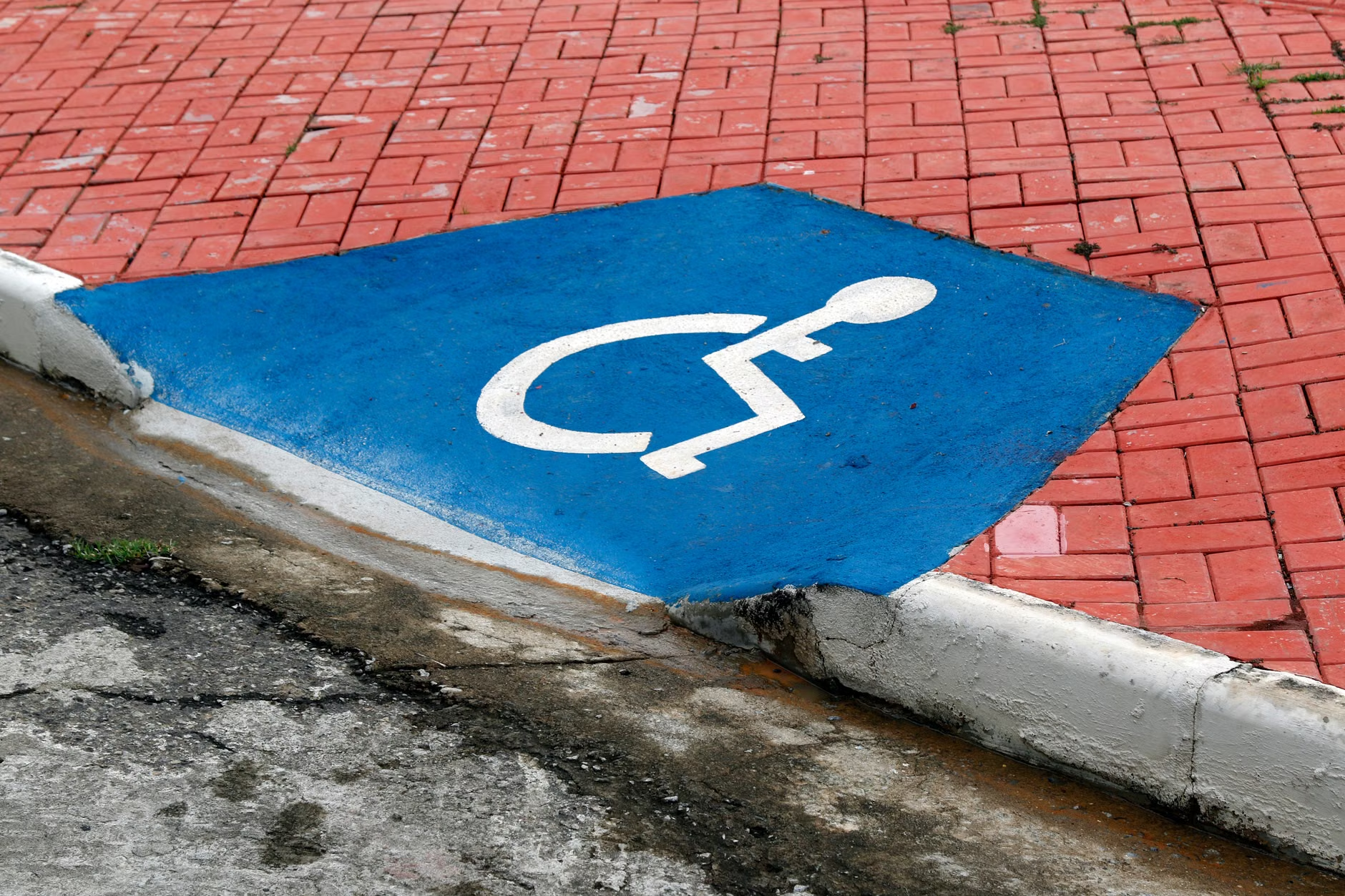
- Verify “Step-Free” vs. “Accessible”: Never assume a location is wheelchair or walker-friendly based on marketing photos alone; look for verified “step-free” access maps or official municipal accessibility audits.
Choosing a riverfront promenade tour requires more than just picking a beautiful view. For the seasoned traveler, the difference between a memorable excursion and an exhausting ordeal often lies in the logistical details of the path itself. Whether you are navigating with a companion or exploring independently, understanding how to evaluate the infrastructure, pacing, and accessibility of a riverfront destination is essential for maintaining your stamina and safety.
Defining Your Mobility Baseline
Before selecting a destination, it is vital to establish your current mobility baseline. This is not about limitations; it is about strategic planning. To make an informed decision, categorize your needs into three primary pillars: surface stability, incline management, and duration of activity.
Surface stability is the most overlooked variable. A picturesque cobblestone path may look historic and charming in photographs, but for those using canes, walkers, or even those who simply prefer stable footwear, irregular stones present a constant tripping hazard. Conversely, modern concrete or asphalt promenades offer the predictability needed for a relaxed pace.
When assessing a potential route, look for official municipal accessibility maps. Many major cities, such as London, Paris, or Singapore, provide “step-free” route planners. If such a tool is unavailable, use satellite views on digital maps to zoom in on the texture of the path. If the path appears granular or highly textured, it is likely gravel or loose stone, which requires significantly more energy to navigate.
The Anatomy of a Senior-Friendly Promenade
A truly accessible riverfront is not just flat; it is a system of supportive infrastructure. When evaluating a tour or location, look for the following five components that determine whether the experience will be sustainable for a full day of exploration.
1. The Proximity of Rest Facilities
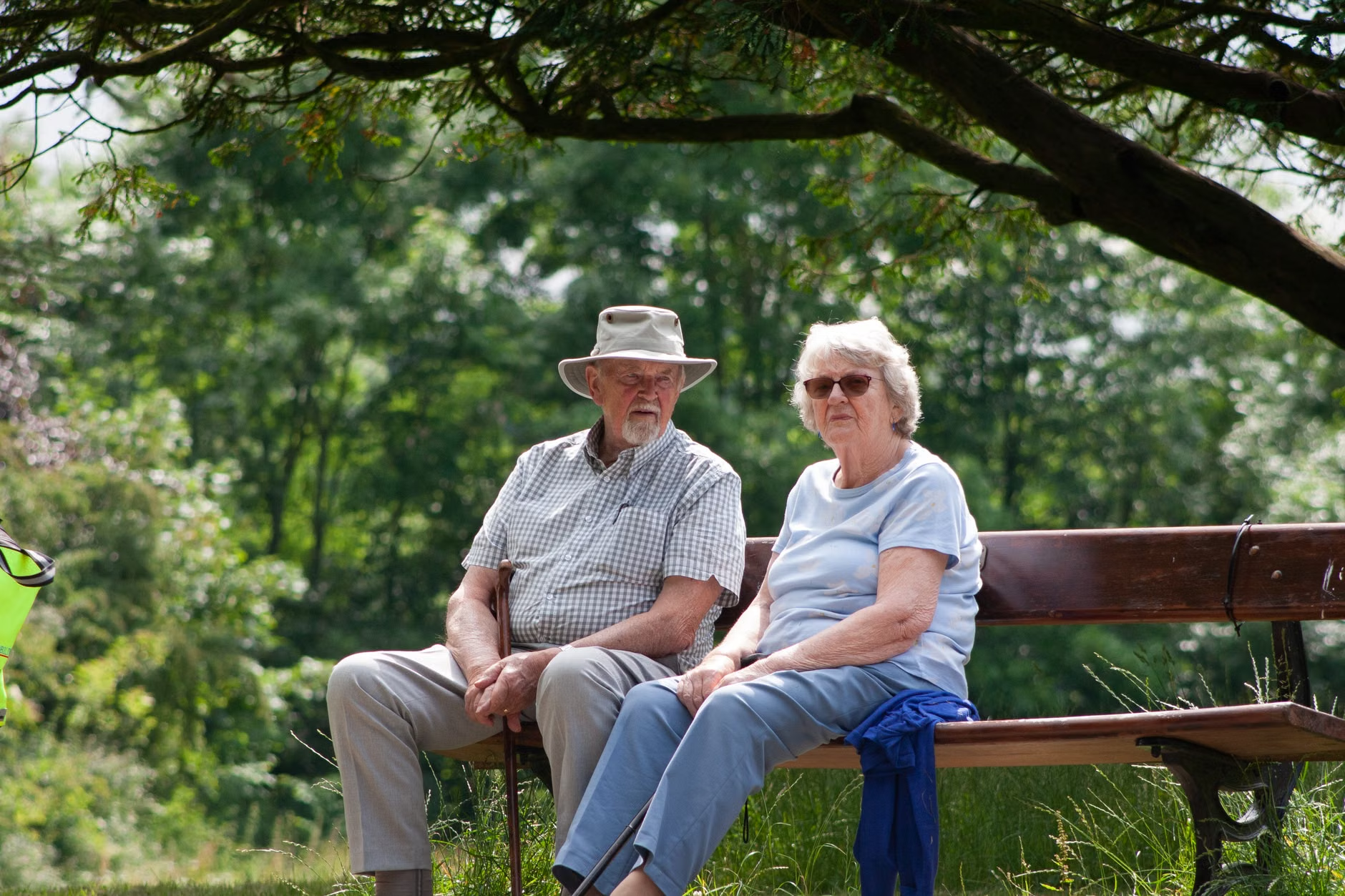
You should never have to walk more than 10 to 15 minutes before encountering a place to sit. A high-quality promenade will feature ergonomic benches with backrests. Avoid destinations that rely on low-walled stone barriers for seating, as these are often difficult to stand up from and lack lumbar support.
2. Toilet Accessibility and Frequency
Public restroom availability is the most common point of failure in travel planning. Check the local city website for “accessible toilet” registries. A good rule of thumb is to map out at least two “safe points” (cafes, museums, or public facilities) along your path where you know the bathroom is clean, accessible, and open to the public.
3. Transport Integration
Does the promenade connect directly to public transit, or is there a long, uphill walk to reach the nearest train station or bus stop? Always identify the distance between the primary drop-off point and the start of the riverfront walk. If the distance exceeds 500 meters, consider if a taxi or local shuttle service can bridge the gap.
4. Shade and Climate Control
Regardless of your fitness level, direct sun exposure for extended periods can lead to rapid dehydration and fatigue. Look for routes that offer natural tree cover or built-in shade structures. If you are traveling in a high-heat climate, prioritize tours that take place during the “Golden Hour”—the two hours before sunset—to avoid peak temperature stress.
5. Emergency Exit Points
A long, continuous riverfront path can be beautiful but restrictive. Ensure the route has multiple “exit points” where you can easily reach a main road, a taxi rank, or a bus stop if you decide to cut the trip short due to fatigue or weather changes.
Strategic Comparison: Guided Tours vs. Independent Exploration
Choosing between a guided tour and an independent walk is a decision based on your comfort with logistics versus your desire for spontaneity. The following table compares these two modes of travel for the senior traveler.
| Feature | Guided Riverfront Tour | Independent Exploration |
|---|---|---|
| Pacing | Pre-set; can be fast for some. | Fully under your control. |
| Logistics | Managed by the operator. | Managed by the traveler. |
| Flexibility | Low; fixed schedule. | High; stop when you wish. |
| Cost | Higher (service fee included). | Lower (pay-as-you-go). |
If you have concerns about stamina or navigating complex transit systems, a guided tour is often the superior choice because the operator has already vetted the route for accessibility. However, if you prefer to set your own pace and take frequent breaks, independent exploration is better, provided you have done your research on the “safe points” mentioned earlier.

Evaluating “Accessible” Claims: A Practical Step-by-Step
The term “accessible” is often used loosely in tourism marketing. To verify if a location truly meets your needs, follow this four-step validation process before you book your trip.
- Check the “Last Mile” Data: Use Google Street View to “walk” the path from the nearest transit stop to the riverfront entrance. Look for curbs, steep gradients, or construction barriers that may not be mentioned on a brochure.
- Review Recent User Reports: Search travel forums for keywords like “walker,” “stroller,” or “wheelchair” in relation to the specific city. If you find recent mentions of closed elevators or broken paving, take that as a sign to have a backup plan.
- Contact the Local Tourism Board: Most major cities have a disability or accessibility liaison. A quick email asking, “Is the path between X and Y step-free?” can save you hours of frustration.
- Verify the “Slope” Factor: A path that is 5% grade is easy for most, but a 10% grade is a significant physical challenge. If you are unsure, search for the local topography or “elevation gain” of the walking path.
Managing Stamina and Recovery
Travel is physically demanding, even when the activity is low-impact. To ensure you remain energetic throughout your trip, treat your daily itinerary as a series of “energy blocks.”
The 2-1-2 Rule: For every two hours of walking or standing, schedule one hour of seated rest in a controlled environment (like a cafe or museum), followed by two hours of light activity or return to your accommodation. This prevents the “cumulative fatigue” that often occurs by the third day of a trip.
Hydration is another critical factor. When walking along a river, you are often exposed to reflected light and breeze, which can mask the symptoms of dehydration. Carry a refillable water bottle and establish a habit of drinking at every rest stop, regardless of whether you feel thirsty. If you are using a mobility aid, ensure your water bottle is easily accessible from a side pouch rather than buried deep inside a backpack.
Hidden Inconveniences to Watch For
Even the most well-planned routes can have hidden pitfalls. Awareness of these factors will help you remain calm if a plan needs to change.
- Construction Zones: Urban riverfronts are popular sites for development. A path that was accessible last year may be under construction today. Always check the city’s official “Public Works” website for current closures.
- Wind Chill Factors: Riverfronts are notoriously windier than the city streets behind them. Even on a mild day, the temperature can feel 5 degrees lower near the water. Dress in layers, ensuring your outer layer is wind-resistant.
- The “Bridge” Trap: Many riverfront tours involve crossing bridges to reach the other side. Bridges often feature steep ramps or long flights of stairs. Always check if the bridge has an elevator or a gradual, spiraling ramp before committing to a route that crosses the water.
- Public Event Overcrowding: Check local event calendars. A beautiful promenade can become impossible to navigate during festivals, marathons, or public holidays. If your trip coincides with a major event, look for “off-peak” hours or choose a different day for your riverfront visit.
Tools for the Modern Senior Traveler
You do not need to be a technology expert to use modern tools to your advantage. Simple, reliable apps can make a significant difference in your confidence.
Digital Map Annotations: Use the “Saved Places” feature on your map app to mark your hotel, the nearest accessible toilets, and the best transit stops. This creates a personalized, offline-accessible map that keeps you oriented without needing to ask for directions constantly.
Accessible Transit Apps: Apps like Wheelmap or local city transit apps often provide real-time status updates on elevators and escalators. Knowing that the elevator at your destination station is working before you board the train provides immense peace of mind.
The Importance of “Exit Strategies”
The most successful travelers are those who have a “Plan B.” Never start a walk without knowing the quickest way out. If you find yourself halfway along a promenade and feeling tired, do not feel pressured to finish the loop. Identify the nearest “exit” points—usually marked by bridges, stairs leading to street level, or ferry landings—before you start. If you are using a ride-sharing app, ensure you know the specific “pick-up points” along the river, as many promenades do not allow cars to pull up directly to the water’s edge.
Conclusion: Crafting Your Own Pace
Selecting an accessible riverfront promenade is about balancing the desire for scenery with the reality of your physical stamina. By prioritizing surface quality, verifying rest facilities, and maintaining a realistic “2-1-2” daily schedule, you can enjoy the serenity of the water without the burden of exhaustion. Remember that the goal of your travel is to experience the destination, not to reach a specific endpoint. If you find a bench with a beautiful view, feel free to stop, sit, and enjoy the moment—that is, after all, the true joy of riverfront travel.
Frequently Asked Questions (FAQ)
Q1: How can I tell if a “paved” path is actually smooth enough for a cane or walker?
A: Look for terms like “paved,” “concrete,” or “asphalt” in descriptions. Avoid paths described as “natural,” “scenic trails,” or “historic stone,” as these often imply uneven surfaces. Use satellite images to look for wide, uniform grey lines, which typically indicate smooth, modern paving.
Q2: What should I do if I encounter a staircase that wasn’t on my map?
A: Always have a backup transportation app like Uber or Lyft ready to call a car to a nearby street-level intersection. Never attempt to navigate a staircase with a mobility aid if you feel unstable; instead, backtrack to the last known level-access point and wait for a ride-share or taxi.
Q3: Are river cruises better for mobility than walking the promenade?
A: For many, river cruises are the most accessible option. They eliminate the need for walking entirely and offer a consistent, comfortable seat. However, always check the boarding process—some older docks have steep gangways that may be difficult during low tide. Call the operator ahead of time to ask about their “step-free boarding” policy.
Disclaimer: This article is for informational purposes only and does not constitute professional medical or travel advice. Always assess your personal health and mobility needs before planning any travel. For official accessibility information, please consult the local tourism board or municipal website of your destination.