Key Takeaways
- Cognitive and Sensory Engagement: Terrarium building provides a low-impact, tactile activity that improves fine motor skills and fosters a sense of accomplishment.
- Self-Sustaining Ecosystems: Closed terrariums act as miniature water cycles, requiring minimal maintenance, which makes them ideal for those who prefer flexible care schedules.
- Strategic Planning: Success depends on the correct layering of materials—drainage, filtration, and soil—to prevent root rot and ensure long-term plant health.
The Therapeutic Value of Miniature Ecosystems
Mindful terrarium building is more than just a decorative hobby; it is a deliberate practice of creating and sustaining a living, breathing ecosystem within your home. For adults aged 60 to 80, this activity offers a unique intersection of artistic expression, environmental connection, and cognitive stimulation. Unlike high-energy sports or complex digital hobbies, terrarium building allows you to work at your own pace, focusing on the tactile sensations of soil, the intricate textures of moss, and the geometric beauty of glass containers.
The therapeutic effect stems from “active meditation.” As you layer stones, charcoal, and soil, your focus narrows to the immediate task, effectively quieting the background noise of daily worries. This practice is scientifically linked to reduced cortisol levels and improved mood regulation, as it provides a tangible, predictable, and rewarding outcome. Furthermore, the act of nurturing a living thing—even one that requires very little intervention—reinforces a sense of purpose and stewardship.
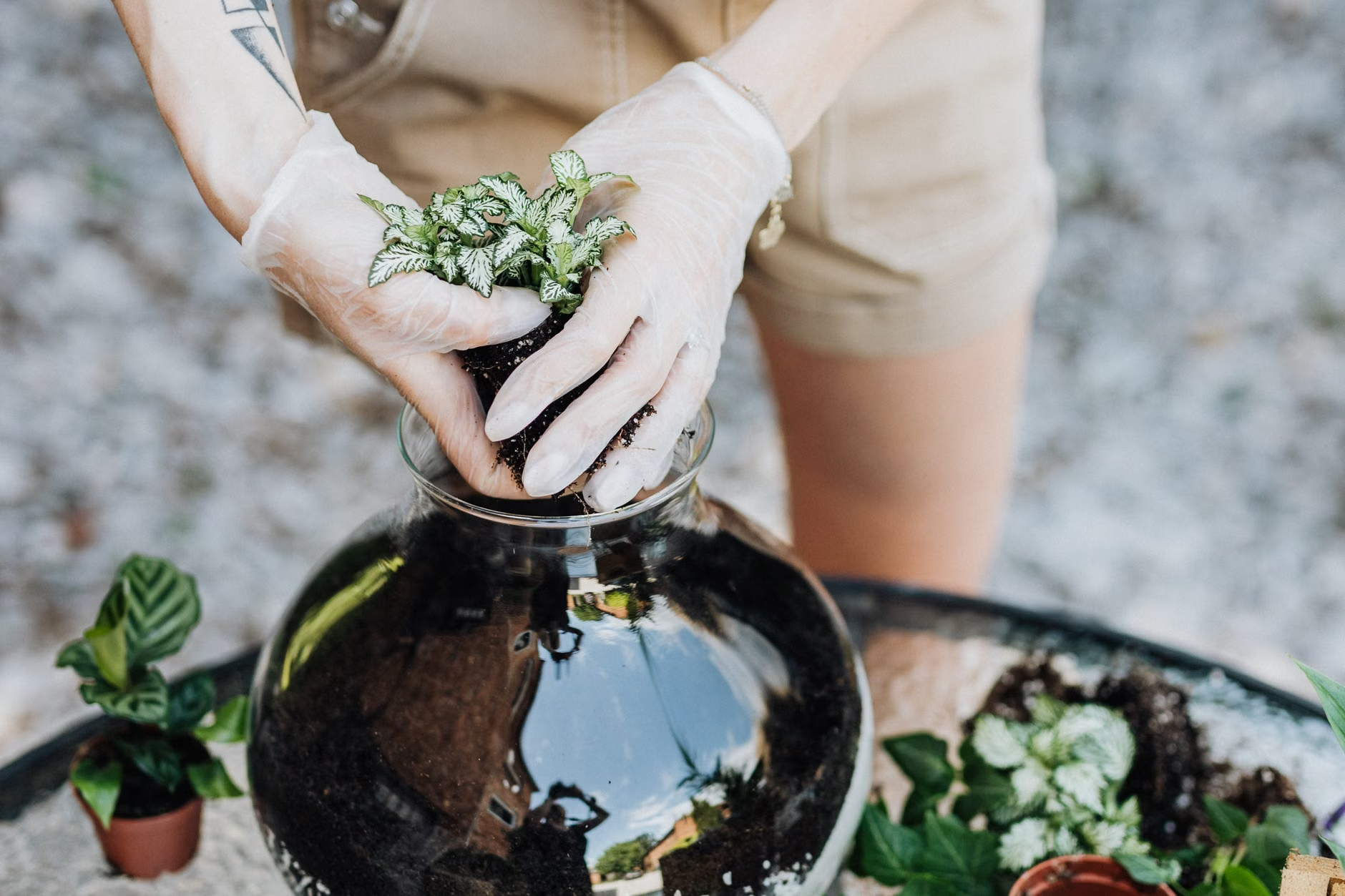
Understanding the Mechanics of a Closed Terrarium
Before you begin, it is essential to understand that a terrarium is a controlled environment. A closed terrarium creates a miniature, self-sustaining water cycle. Moisture evaporates from the soil and plant leaves, condenses on the cool glass walls, and then trickles back down to the roots. This process mimics the natural hydrological cycle of the earth on a micro-scale.
If the system is balanced, you may only need to open the lid for a few minutes once every few months to refresh the air or add a teaspoon of water. This makes it a perfect hobby for those who travel or have a varying schedule, as the plants are not dependent on daily watering. However, achieving this balance requires the correct foundation.
The Four Essential Layers
Success in terrarium building is 90% preparation. You cannot simply put soil in a jar and plant a fern; you must build a structure that prevents water stagnation, which is the primary cause of plant death in indoor gardening.
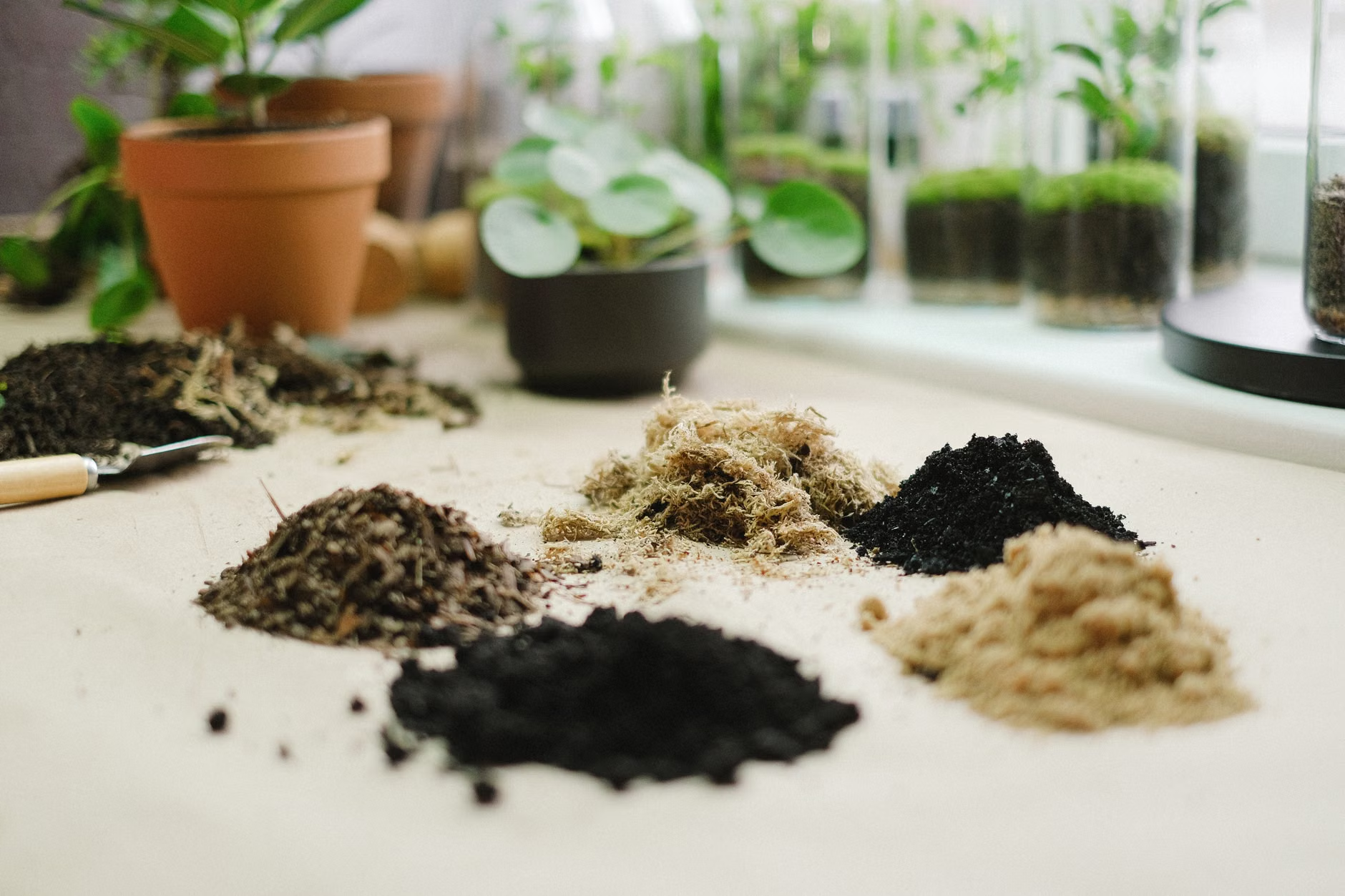
| Layer | Purpose | Material Suggestion |
|---|---|---|
| Drainage | Prevents roots from sitting in water. | Pea gravel or LECA (clay pebbles). |
| Filtration | Keeps water fresh and prevents mold. | Activated charcoal. |
| Barrier | Prevents soil from falling into drainage. | Sphagnum moss or mesh screen. |
| Substrate | Provides nutrients and root support. | Tropical potting mix (peat-free). |
The drainage layer is your insurance policy. Without it, the water will pool at the bottom, leading to root rot, which manifests as yellowing leaves or a foul smell. If you notice a “swampy” odor after assembly, it is a sign that your drainage is insufficient or you have overwatered. The activated charcoal is equally important; it acts as a filter that absorbs toxins and odors, keeping the environment inside the glass fresh for years.
Step-by-Step Assembly Guide
To begin, select a clear glass container. While any jar with a lid works, look for wide-mouthed containers that allow your hands to reach inside comfortably. This is a matter of accessibility—if you struggle with fine motor skills or grip strength, a wider opening significantly reduces frustration.
- Clean the Vessel: Use mild soap and water to ensure no bacteria are trapped inside. Dry it thoroughly.
- Add Drainage: Pour 2-3 cm of gravel into the bottom. Gently tilt the container to create a slight slope; this adds visual interest and allows you to monitor water levels.
- Incorporate Charcoal: Sprinkle a thin layer of activated charcoal over the gravel.
- Place the Barrier: If using a mesh screen, cut it to fit the diameter of your container. If using sphagnum moss, dampen it slightly and press it down over the charcoal.
- Layer the Soil: Add enough potting soil to accommodate the roots of your chosen plants. Do not pack it too tightly; roots need oxygen.
- Planting: Use long tweezers or a spoon to create small holes. Carefully place your plants, ensuring the leaves do not touch the glass walls, as this can encourage rot.
- Final Touches: Add decorative stones, driftwood, or small figurines. Clean the inside of the glass with a long-handled brush or a damp cloth to remove any stray soil.
- Watering: Use a spray bottle to mist the interior. Do not pour water directly; you want the soil to be moist, not muddy.
Plant Selection: Choosing Longevity Over Trends
Not all plants thrive in the high-humidity environment of a closed terrarium. Selecting the wrong plants is the most common mistake beginners make. For a closed system, you need plants that enjoy consistent moisture and low-to-medium light.
Recommended Plants:
- Fittonia (Nerve Plant): Known for its striking vein patterns, it thrives in humidity and stays small.
- Pilea depressa: A creeping plant that fills in gaps beautifully with tiny, bright green leaves.
- Moss (e.g., Cushion or Sheet Moss): The backbone of a terrarium, moss retains moisture and creates a lush, forest-floor aesthetic.
- Ferns (e.g., Button Fern): These add height and delicate texture. Ensure they are dwarf varieties so they do not outgrow your container.
Plants to Avoid: Succulents and cacti. These plants require arid conditions and high light. In a closed, humid terrarium, they will quickly succumb to rot and decay. If you prefer the look of succulents, build an open terrarium—a container without a lid—and use a gritty, sandy soil mix instead of standard potting soil.
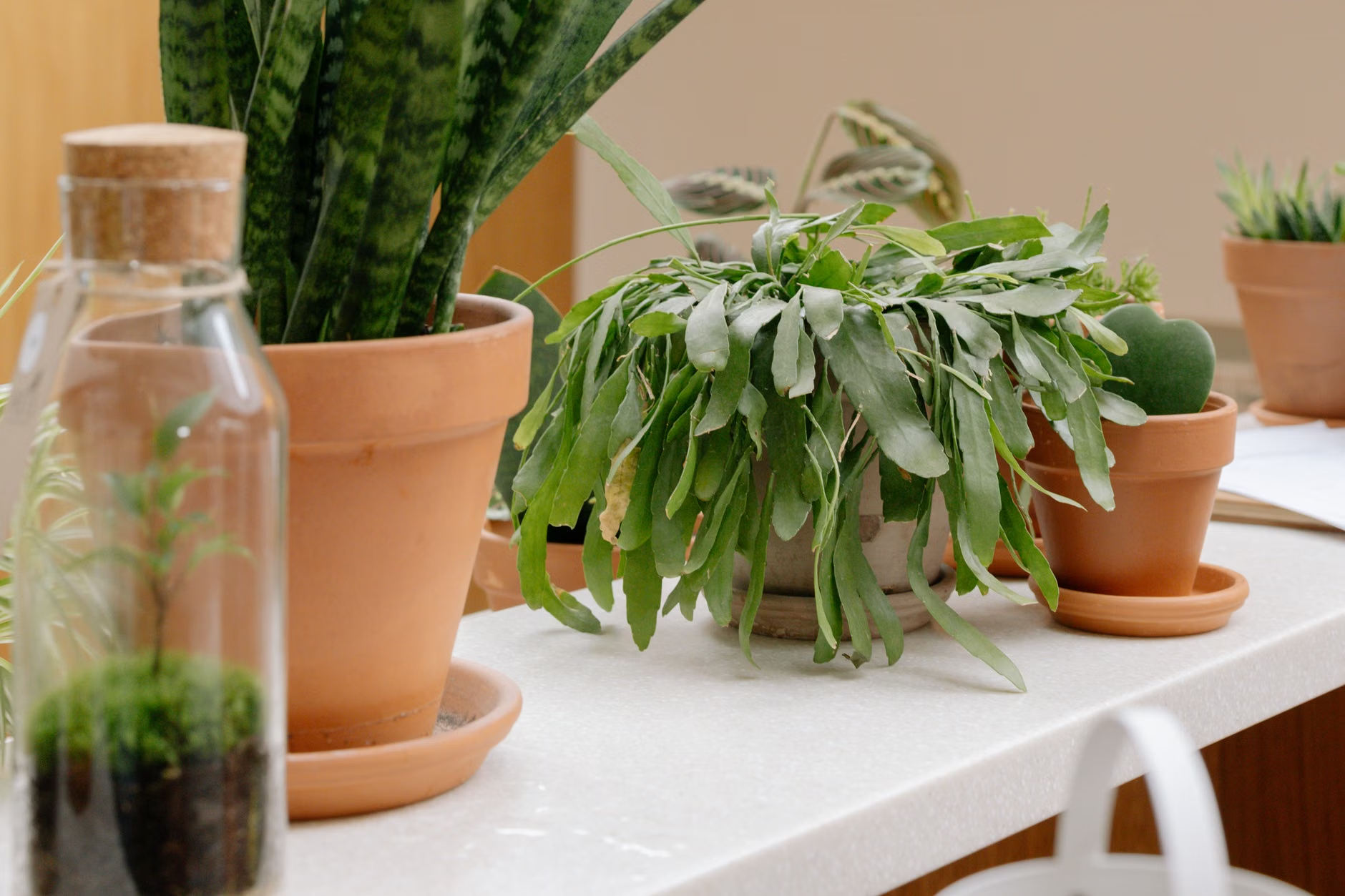
Even with careful planning, you may encounter issues. Understanding how to interpret your terrarium’s “signals” is key to maintaining it over the long term.
The Condensation Test
The glass walls of your terrarium should have light condensation in the morning. If the glass is so foggy that you cannot see the plants, there is too much water. Simply leave the lid off for 24 hours to allow excess moisture to evaporate. If there is no condensation at all, the environment is too dry; add a very small amount of water using a mister.
Managing Overgrowth
Plants will eventually grow. This is a sign of a healthy system. If a plant touches the glass, it may develop rot or block light for others. Do not be afraid to prune. Use clean, sharp scissors to trim back stems. This is not a destructive act; it is a way to encourage fuller growth and maintain the structural integrity of your miniature world.
Light Requirements
Terrariums should never be placed in direct sunlight. The glass acts as a magnifying lens, and the heat trapped inside can quickly cook the plants. Place your terrarium in a spot with bright, indirect light—a north-facing window is often ideal. If you live in a home with limited natural light, modern LED plant lights are an excellent, low-cost solution that can be set on a timer, ensuring your plants receive consistent energy without the risk of overheating.
Advanced Considerations for Long-Term Care
As you become more experienced, you may notice that the soil level drops over time as organic matter decomposes. This is a natural process. Every 1-2 years, you might consider “refreshing” the terrarium by adding a small layer of fresh, sterilized potting soil or introducing new moss. This keeps the ecosystem vibrant and healthy.
Furthermore, consider the “micro-fauna” aspect. Many enthusiasts introduce springtails—tiny, beneficial insects that act as a cleanup crew by consuming mold and decaying organic matter. They are invisible to the naked eye and are entirely harmless to humans and pets. They effectively turn your terrarium into a self-cleaning system, significantly reducing the amount of manual maintenance required.
When selecting your vessel, consider the physical weight. A large, glass-filled terrarium can be heavy. If you have mobility concerns or difficulty lifting heavy objects, opt for several smaller, lightweight acrylic or glass jars rather than one large, cumbersome container. This allows you to arrange your garden on a table at a comfortable height, preventing the need to reach or lean over awkwardly.
Conclusion: The Sustained Joy of Creation
Building a terrarium is an exercise in patience and precision. It invites you to slow down and appreciate the details—the way a leaf unfurls, the soft color of moss, and the subtle shift in light throughout the day. By creating a self-sustaining environment, you are not just decorating a room; you are participating in a quiet, enduring cycle of life.
Start small, choose your materials carefully, and remember that the goal is not perfection, but the process of creation itself. Whether you build one for yourself or as a shared project with family, the result is a living piece of art that brings a touch of nature into your home and a sense of calm into your daily life.
Frequently Asked Questions
1. How often do I need to water my closed terrarium?
In a properly sealed, closed terrarium, you may only need to add water once every few months, or sometimes not at all for a year. The best approach is to observe the condensation on the glass. If you see light morning dew, the water cycle is balanced. If the soil looks dry and there is no condensation, add a small amount of water using a mister or a syringe to control the volume.
2. Can I use plants from my own garden in my terrarium?
It is generally not recommended to use outdoor plants directly. Outdoor plants often carry pests, fungal spores, or insect eggs that can quickly overwhelm a closed ecosystem. If you wish to use a plant from your garden, it must be thoroughly cleaned and quarantined. It is much safer and easier to purchase small, nursery-grown tropical plants specifically labeled for indoor or terrarium use.
3. What should I do if my plants start to die or look unhealthy?
First, check the moisture level. If the soil is soggy, remove the lid to let it dry out. If the leaves are yellowing, it could be a sign of overwatering or lack of light. If the plants are brown and crispy, they may need more water. If you see white, fuzzy mold, it is a sign of poor airflow; remove the moldy leaves, wipe the glass, and keep the lid off for a day or two to increase ventilation. If you have a “cleanup crew” like springtails, they will often handle small amounts of mold naturally.
For further reading on indoor plant care, you can refer to the Royal Horticultural Society’s guide to houseplants, which provides comprehensive advice on light, humidity, and maintenance for various species.