- Mindful Observation: Sketching birds shifts your focus from naming species to truly “seeing” movement, light, and form, which lowers cortisol and improves sustained attention.
- Low-Barrier Entry: You do not need artistic talent; the goal is the process of observation, not the production of a gallery-worthy masterpiece.
- Practical Setup: Success in the field relies on lightweight, ergonomic gear and choosing locations with accessible seating and predictable bird activity.
Bird-sketching is far more than a creative hobby; it is a profound exercise in mindfulness that bridges the gap between scientific observation and artistic expression. For many adults, the transition into retirement or a slower pace of life offers the perfect window to cultivate a practice that demands nothing but your focused presence. Unlike photography, which often relies on technology to “capture” an image in a fraction of a second, sketching forces the eye to linger. When you sketch a bird, you are forced to notice the specific angle of its beak, the way its feathers ruffle in the wind, and the rhythm of its hop. This article explores how to begin this practice, the gear that makes it accessible, and the mental health benefits of slowing down to observe the natural world.
The Neuroscience of Slow Observation
In our modern, fast-paced environment, the brain is often conditioned to scan for “important” information, ignoring the subtle details of our surroundings. This is known as “inattentional blindness.” When you engage in bird-sketching, you are intentionally reversing this process. By focusing on the shape of a wing or the texture of a branch, you engage the parasympathetic nervous system, which is responsible for the “rest and digest” state. Research suggests that repetitive, low-stakes creative tasks can lower heart rate and reduce the physiological markers of stress. Unlike complex art projects that might induce performance anxiety, bird-sketching is inherently ephemeral. If the bird flies away, the sketch ends. This lack of pressure makes it an ideal practice for building resilience and patience.
Essential Gear: Prioritizing Comfort and Portability
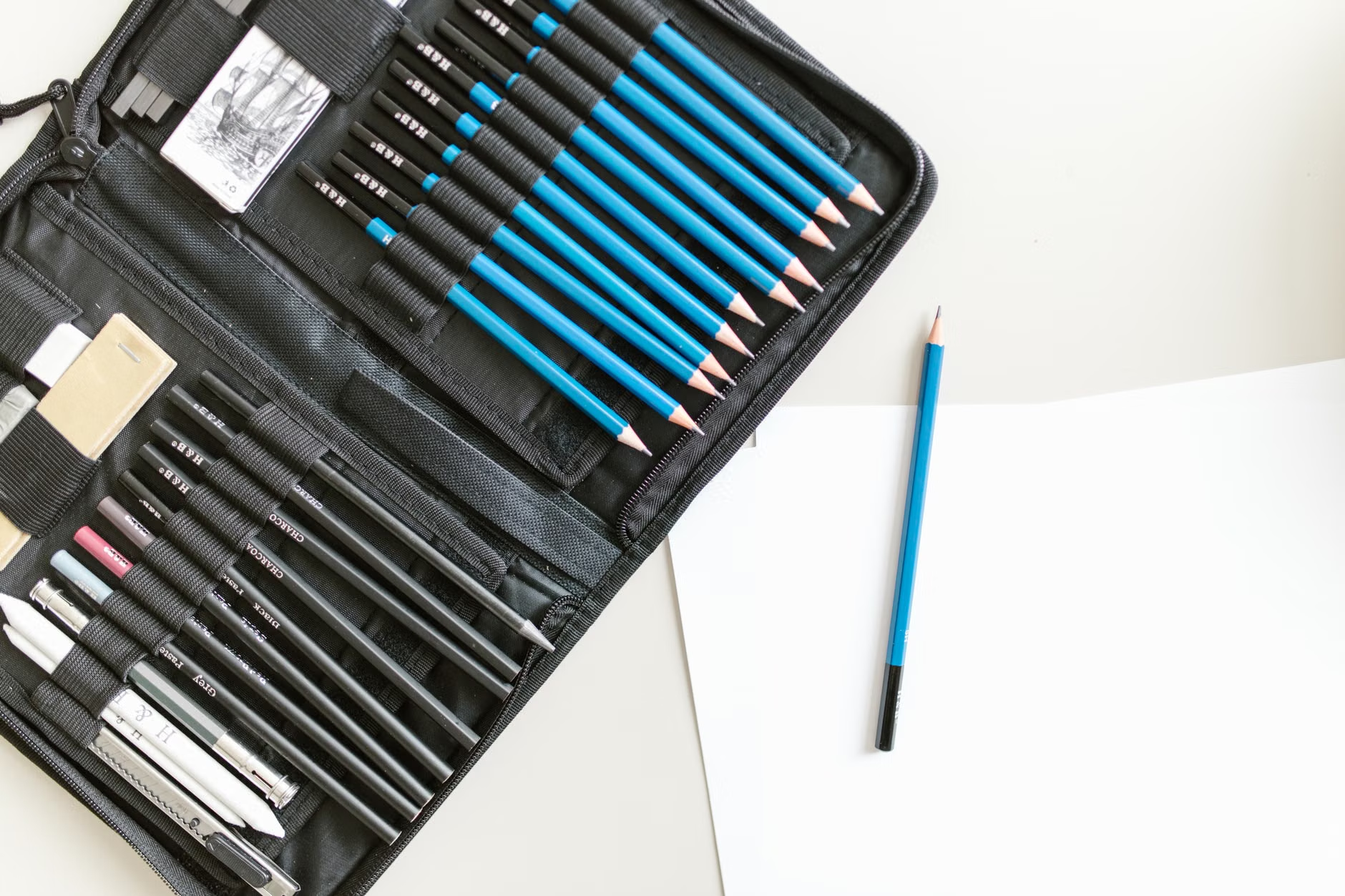
One of the most common mistakes beginners make is over-equipping. You do not need a professional-grade easel or an expensive set of watercolors to begin. In fact, minimalism is your best friend when working outdoors.
| Tool | Why It Matters | Senior-Friendly Tip |
|---|---|---|
| Sketchbook | Provides a record of your progress and observations. | Choose a spiral-bound book that lies flat; it is easier to handle than a glue-bound book. |
| Graphite Pencils | Allows for light, erasable lines that build confidence. | Use 2B or 4B pencils for a softer, darker mark that requires less hand pressure. |
| Binoculars | Brings the subject into clear view without needing to get dangerously close. | Look for “8×42” binoculars—this provides a bright image and a wide field of view, which is easier for the eye to track. |
| Kneaded Eraser | Lifts graphite gently without damaging the paper. | Easier on arthritic hands than stiff, rectangular block erasers. |
When selecting your gear, prioritize weight. If you are walking to a local park or nature reserve, every ounce counts. A lightweight backpack with a dedicated pouch for your sketchbook ensures you remain mobile and comfortable. If you experience hand tremors or arthritis, consider using thicker, ergonomic pencil grips, which are widely available at stationery stores and help reduce fatigue during longer sessions.
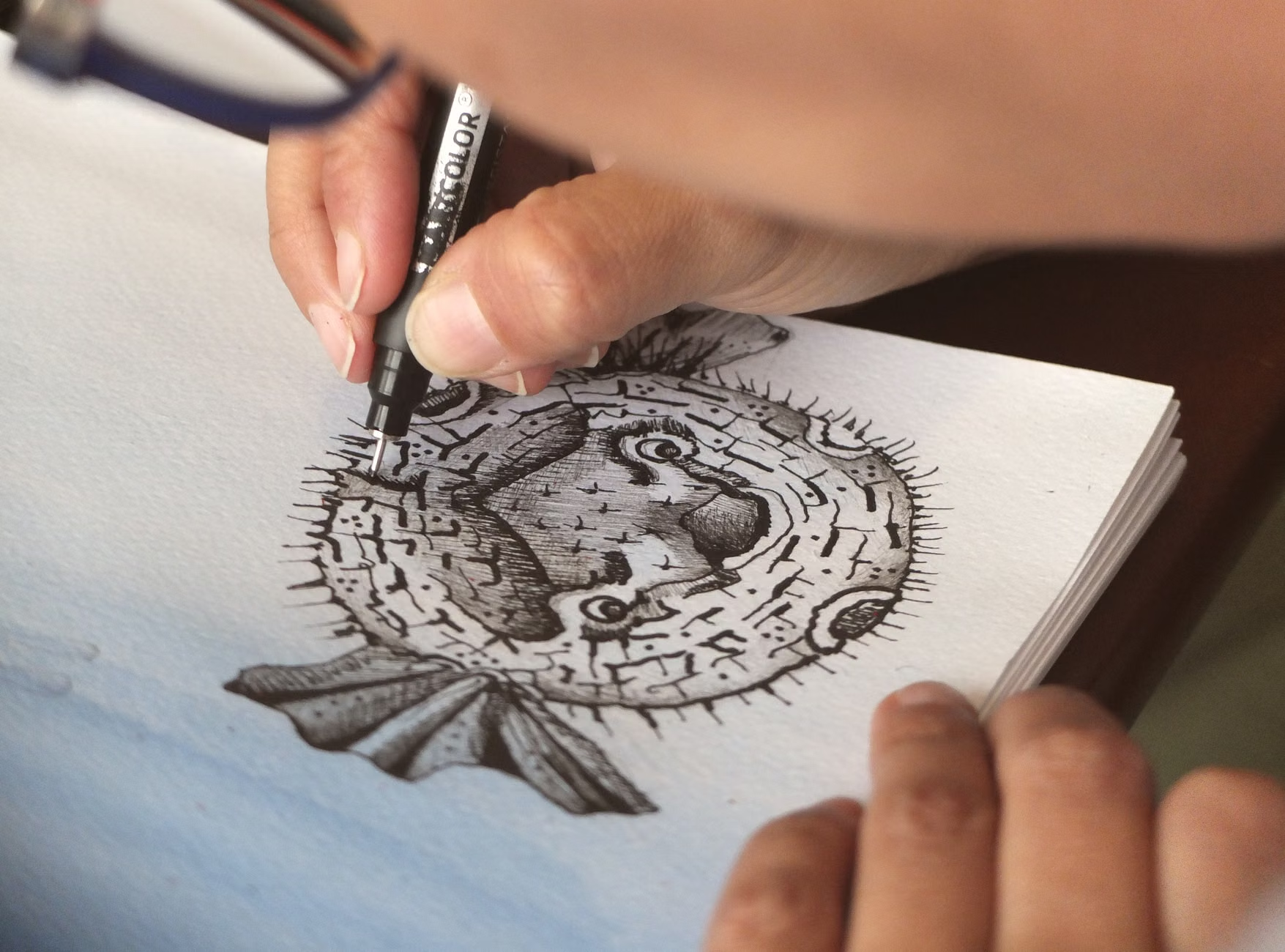
Step-by-Step: The “Three-Shape” Method
The biggest hurdle to starting is the fear of drawing an inaccurate representation. However, nature is rarely symmetrical or perfect. The “Three-Shape” method is a reliable framework for capturing a bird’s essence in under two minutes.
- The Core: Start by drawing a simple oval for the body. Don’t worry about feathers or anatomy yet. Just capture the bulk of the bird.
- The Balance: Add a smaller circle for the head. Place it in relation to the body oval—is the bird hunched? Is it looking up? The relationship between these two shapes defines the bird’s posture.
- The Action: Use a single line to represent the beak and the tail. These two lines provide the “direction” of the bird. If the beak is pointed up, the bird looks alert. If it is tucked down, it looks relaxed.
Once you have these three elements, you have successfully captured the bird. Any detail added after this—such as the eye, the wings, or the legs—is purely decorative. Remember, if the bird flies away, your drawing is complete. Do not feel obligated to “finish” it later from memory. The value is in the observation, not the final product.
Selecting Your Location: Accessibility and Safety
The best location for bird-sketching is one that requires the least amount of effort to reach. If you have to trek three miles into a forest, you will likely be too tired to sketch once you arrive. Instead, look for locations that offer:
- Fixed Seating: A park bench or a sheltered gazebo is ideal. Avoid needing to bring a heavy folding chair unless necessary.
- Predictable Traffic: Areas near bird feeders or water fountains are hotspots. You don’t need to hunt for birds; they will come to you.
- Accessibility: Ensure the path is paved or well-maintained gravel. Avoid steep inclines or areas prone to slippery mud, which pose a fall risk.
Always consider your physical stamina. A session should last no more than 45 to 60 minutes. After that, fatigue can set in, leading to muscle tension and frustration. If you are visiting a public park, check the facility website for information on accessible toilets and parking. Many national parks and botanical gardens provide accessibility maps that highlight benches and rest areas.
Addressing Common Challenges
Even for experienced observers, bird-sketching comes with unique challenges. The most common is the “fleeing subject.” It is important to remember that birds are wild animals. If a bird flies away, it is not a failure of your skill; it is simply the nature of the activity. Use that moment to pause, stretch your neck, and observe the environment. The “empty” moments are just as important as the moments spent drawing.
Another challenge is eye strain. If you are using binoculars, limit your viewing time to 30-second bursts. Take the binoculars away from your eyes, look at the landscape with your naked eye, and then return to the sketch. This helps your eyes maintain focus and prevents the dizziness that can sometimes occur with prolonged optical magnification.
The Hidden Insight: Sketching as a Cognitive Buffer
While we often discuss the physical benefits of getting outdoors, the cognitive benefits of bird-sketching are equally significant. Engaging in a task that requires visual-spatial processing—like translating a 3D bird into a 2D sketch—stimulates areas of the brain associated with memory and executive function. Studies on “creative aging” suggest that learning new, low-stakes skills can build cognitive reserve. By focusing on the specific colors, patterns, and behaviors of birds, you are essentially training your brain to remain plastic and adaptable. You are not just drawing; you are actively maintaining the neural pathways that allow for focus and observation.
Safety and Preparation Checklist
Before heading out, ensure you have a “birding kit” ready by the door. This reduces the friction of deciding to go out.
- Hydration: A small, lightweight water bottle.
- Sun Protection: A wide-brimmed hat and sunscreen, even on cloudy days.
- Comfort: A cushion for the bench if you are prone to hip or back discomfort.
- Communication: A fully charged mobile phone, just in case of an emergency.
- Reference: A small field guide if you are interested in identifying the species, though this is optional.
If you have specific health conditions, such as balance issues or chronic pain, consider bird-sketching from a window in your own home first. Setting up a bird feeder outside a kitchen or living room window allows you to practice the “Three-Shape” method in a climate-controlled, safe environment before heading to public spaces.
Conclusion
Bird-sketching is a gentle invitation to stop and notice the beauty that exists in the periphery of our lives. It does not require a studio, an audience, or a high degree of technical skill. It only requires a pencil, a piece of paper, and the willingness to let your gaze linger on the natural world. By adopting this practice, you are not just creating art; you are cultivating a state of mind that is calm, observant, and deeply connected to the present moment. Start small, keep your tools simple, and remember that every sketch is a success because it represents a moment of true, mindful observation.
Frequently Asked Questions (FAQ)
1. Do I need to know the names of the birds to sketch them?
Absolutely not. The goal of mindful sketching is to observe the form and movement of the subject. You can label your sketches “Small Brown Bird” or “Bird on Fence” and still gain all the cognitive and meditative benefits of the practice. Identifying species is a separate hobby that you can add later if you wish.
2. What if I have shaky hands or poor eyesight?
If you have tremors, use a softer pencil (like a 4B or 6B) and focus on broad, gestural lines rather than fine details. For vision concerns, focus on the silhouette of the bird against the sky or a bright background. Using a pair of binoculars with a wider field of view can also help locate subjects more easily. Always remember that your sketch is a personal record, not a scientific illustration.
3. How do I keep my interest alive if I don’t see many birds?
Bird-sketching is as much about the environment as it is about the birds. If the birds are scarce, sketch the branches they might land on, the texture of the tree bark, or the way the light hits the leaves. The practice is about the act of looking, not the frequency of the sightings. Patience is a skill you are actively building.
For more information on birdwatching and conservation, you may visit the National Audubon Society (Global perspective on bird observation) or your local wildlife trust’s website for region-specific bird activity updates.