- Prioritize Proximity: Always verify if the lounge is located on the same level as the departure platforms to avoid unnecessary navigation of elevators or stairs.
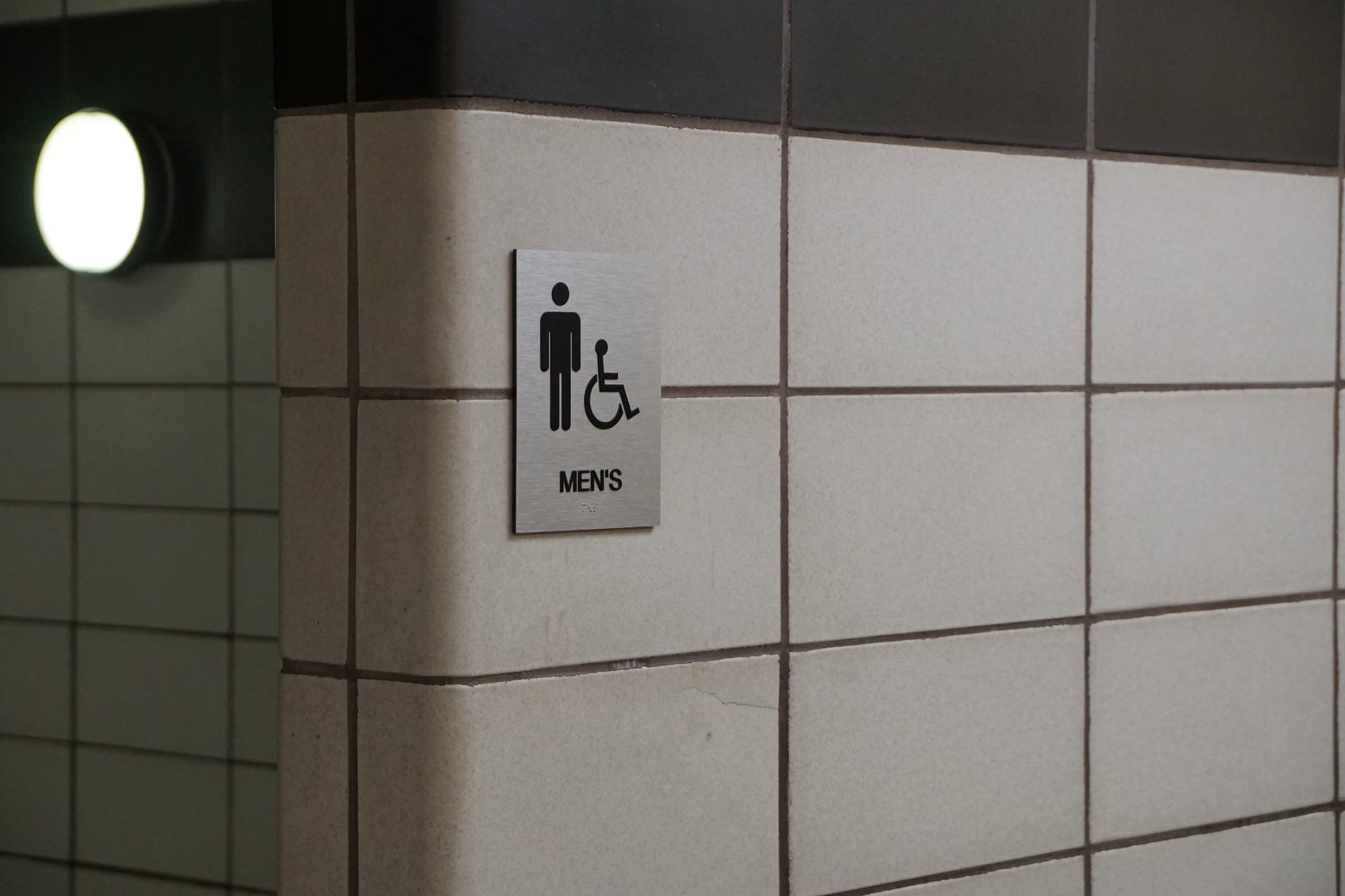
- Assess Infrastructure: Look for “step-free” access, wide aisles for mobility aids, and gender-neutral or family-accessible restrooms within the lounge premises.
- Service Verification: Confirm if the lounge provides dedicated staff assistance for boarding, as this is often more reliable than general station help desks.
Senior-Friendly Travel: Selecting Accessible Train Station Lounge Amenities
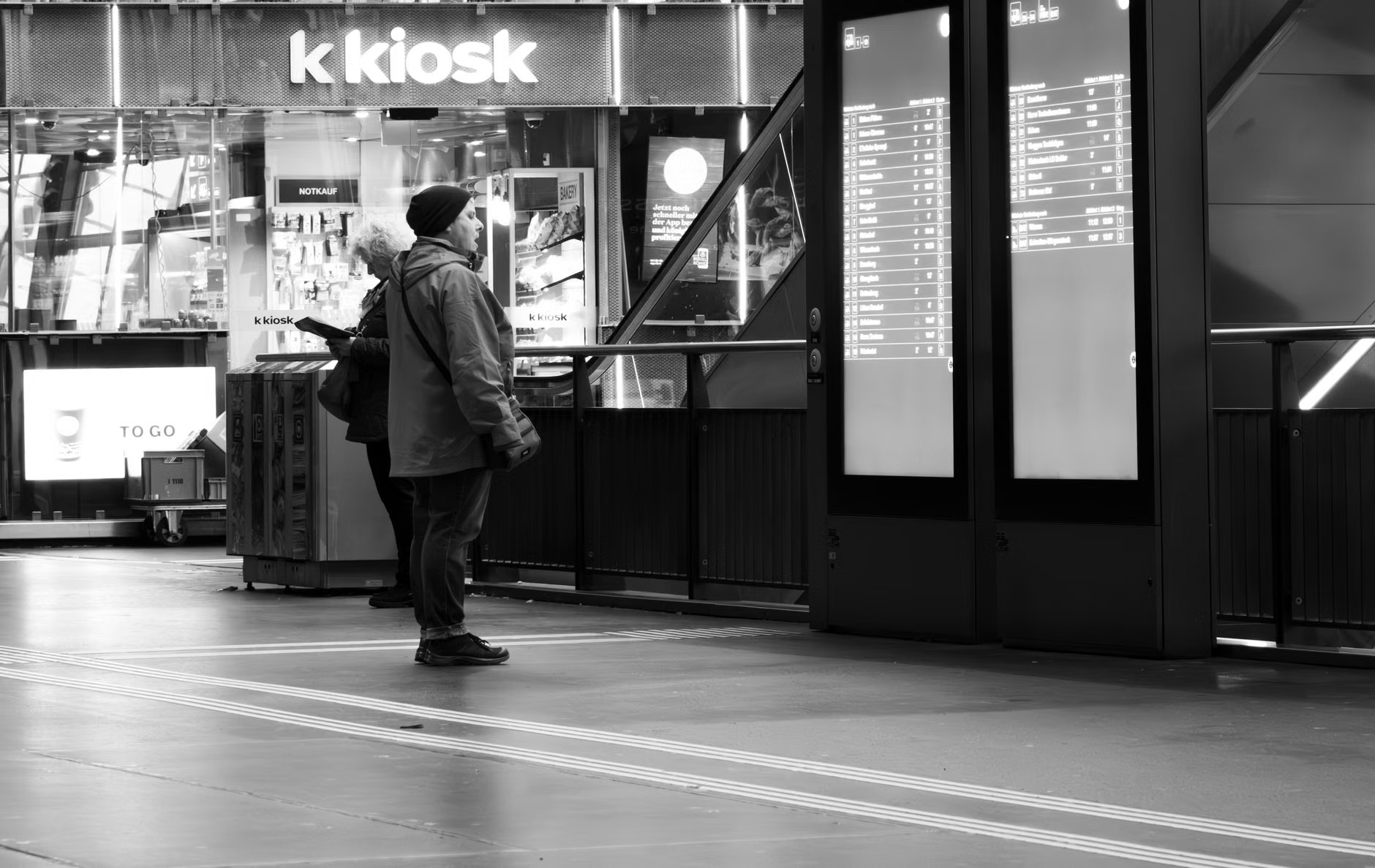
For many travelers aged 60 to 80, the modern train station can be a source of stress rather than the beginning of an adventure. Large crowds, complex layouts, and long walking distances often challenge stamina and mobility. Selecting the right train station lounge is not merely a luxury; it is a strategic decision to ensure safety, minimize physical fatigue, and maintain independence throughout your journey.
This guide provides a systematic approach to evaluating lounge amenities, helping you decide which facilities offer the genuine accessibility you require for a comfortable travel experience.
Understanding the Core Requirements of an Accessible Lounge
When we talk about “accessibility” in the context of rail travel, it encompasses more than just a ramp. For an older adult, a truly accessible space must account for cognitive ease, physical support, and environmental comfort.
The most common pitfall in station navigation is the “hidden” barrier. A lounge might be advertised as accessible, but if the path from the station entrance to the lounge involves a steep ramp or an unreliable elevator, the accessibility is compromised. Step-free access is the gold standard. When researching a lounge, check the station map to see if the lounge is located on the main concourse or requires navigating secondary corridors.
2. Ergonomic Seating and Support
Standard station benches are often low, backless, or made of cold, hard materials that can aggravate joint pain or lower back issues. An ideal senior-friendly lounge should offer a variety of seating options. Look for chairs with armrests, as these provide the necessary leverage for standing up, which is crucial for those with limited knee strength or balance concerns.
Evaluating Essential Amenities: A Decision Framework
Not all lounges are created equal. Use the following criteria to evaluate whether a specific lounge meets your personal needs before you book or purchase access.
| Amenity | Why It Matters for Seniors | What to Look For |
|---|---|---|
| Restroom Proximity | Frequent access is often required; walking long distances in a crowded station is a fall risk. | Private, accessible restrooms located inside the lounge. |
| Boarding Assistance | Ensures you are on the correct platform without rushing. | Dedicated staff who offer escort services to the train carriage. |
| Visual/Audio Clarity | Prevents anxiety regarding gate changes or delays. | Digital displays at eye level and quiet zones with clear, non-distorted announcements. |
| Hydration and Nutrition | Maintains energy levels and prevents dehydration during travel. | Easy-to-reach self-service stations with healthy, non-sugary options. |
When selecting a lounge, prioritize those that offer dedicated staff assistance. Many high-end lounges provide “platform escort” services. If you have concerns about navigating the gap between the platform and the train, or if you are carrying luggage, this service is invaluable. It removes the guesswork and the physical strain of maneuvering through a platform crowd.
The Hidden Variables: What Most Travelers Overlook
While amenities like free Wi-Fi or complimentary food are often highlighted in marketing materials, they are secondary to the “invisible” factors that affect your actual comfort.
The “Stamina” Factor
Even if a lounge is accessible, consider the total distance from the lounge to your assigned platform. Some large international stations have lounges that are a ten-minute walk from the boarding gates. Always ask the lounge concierge: “What is the approximate walking time to the furthest platform, and is there a shuttle or elevator service available?”
Noise Levels and Cognitive Fatigue
Travel is mentally taxing. Many busy station lounges are loud, with constant announcements and background music. If you are sensitive to noise, look for lounges that offer “Quiet Zones” or “Library Areas.” Reducing sensory input can significantly improve your alertness and reduce the feeling of being overwhelmed during transit.
Step-by-Step Selection Process
To make the best choice, follow this preparation checklist before your travel date:
- Check the Official Railway Website: Look for the “Assisted Travel” or “Accessibility” page for the specific station. Do not rely on third-party reviews, as they may not be updated.
- Verify the “Step-Free” Route: If the station is large, look for a map that highlights elevator locations. If the lounge is on a different level, ensure the elevator is clearly marked and functional.
- Inquire About Peak Times: Ask if the lounge has a maximum capacity policy. Overcrowding can make it difficult to navigate with a cane, walker, or luggage.
- Pre-Book Assistance: If the railway offers an “Assisted Travel” service, book it at least 48 hours in advance. This ensures that help is waiting for you the moment you arrive.
Safety and Emergency Preparedness
Safety is the primary reason to choose a lounge over a public waiting area. In a lounge, you are in a controlled environment with staff who are trained to assist. If you experience a sudden health issue, such as dizziness or fatigue, lounge staff are far more equipped to provide water, a place to lie down, or medical assistance than a crowded public concourse.
Always carry a small “Travel Health Card” in your pocket. This should include your name, any critical medical conditions, a list of current medications, and an emergency contact number. If you feel unwell in the lounge, you can simply hand this card to a staff member. It is a simple, effective way to communicate your needs clearly without having to explain yourself while feeling distressed.

Managing Expectations for International Travel
It is important to note that “accessibility” is defined differently across the globe. For example, in many European countries, rail networks are heavily regulated under strict accessibility mandates (such as the EU’s Passengers with Reduced Mobility regulations). In contrast, some regions in Asia or South America may have modern lounges, but the surrounding station infrastructure might still have significant gaps for travelers with limited mobility.
When traveling internationally, do not assume that a “First Class” lounge automatically means “Accessible” lounge. Always look for the wheelchair symbol or the specific “Accessibility” section on the station’s official website. If you are traveling through multiple countries, research the accessibility standard of each major transfer point individually.
The Importance of Pacing and Recovery
A common mistake is trying to reach the station at the last possible minute to “save time.” For senior travelers, the opposite approach is better. Arriving early allows you to settle into the lounge, use the restroom without rushing, and observe the station layout. This “buffer time” is your best defense against the stress that often leads to physical tension and fatigue.
Once you are in the lounge, take the time to hydrate. Travel, especially on air-conditioned trains, can lead to subtle dehydration, which increases feelings of exhaustion. Make it a habit to drink a glass of water upon arrival at the lounge and another before you board your train.
Conclusion
Selecting an accessible train station lounge is about reclaiming control over your travel experience. By focusing on practical amenities like proximity to platforms, ergonomic seating, and dedicated assistance, you can transform a potentially exhausting journey into a smooth and enjoyable one. Remember that your comfort is a priority, not an afterthought. Take the time to research your options, book your assistance in advance, and allow yourself the luxury of time. Your journey should be as comfortable as the destination itself.
Frequently Asked Questions
- Q: Should I pay for lounge access if I only have 30 minutes before my train?
A: Generally, no. The benefit of a lounge is the ability to relax, use private facilities, and receive assistance. If you have less than 45 minutes, the time spent checking in and navigating to the lounge may outweigh the comfort benefits. - Q: What should I do if the “accessible” lounge is full or inaccessible upon arrival?
A: If you have pre-booked assistance, contact the assistance team immediately. If not, approach the station’s customer service desk. Most stations have a legal obligation to provide an alternative waiting area if their primary accessible facilities are unavailable. - Q: Are there specific apps that help track accessible travel routes?
A: While there is no universal global app, many national rail operators (such as Amtrak in the US, SNCF in France, or JR in Japan) have their own apps that provide real-time accessibility information, including elevator outages. Always download the official app of the rail operator you are using for the most accurate data.
For further information on accessible travel rights, you may consult the official guidance provided by your national transportation department or the specific rail operator’s accessibility policy page.