- Zinc is an essential trace mineral that supports immune cell development and function, which is critical as immune response naturally slows with age.
- Dietary sources such as legumes, seeds, nuts, and lean proteins are superior to supplements for most healthy adults, as they provide a balanced nutrient profile.
- Absorption of zinc can be inhibited by phytates in grains and legumes; soaking or sprouting these foods can significantly improve your body’s ability to utilize the mineral.
Understanding the Role of Zinc in Senior Immunity
Maintaining a robust immune system is one of the most proactive steps you can take as you move through your sixties, seventies, and beyond. Among the various micronutrients required for this, zinc stands out for its specific role in the development and activation of T-lymphocytes—the white blood cells that act as the body’s primary defense against pathogens. Unlike some vitamins that the body can store in large quantities, zinc is a trace mineral that the body does not store effectively, meaning it requires regular replenishment through your daily diet.
As we age, a process known as immunosenescence occurs, which is the gradual deterioration of the immune system. While this is a natural part of aging, ensuring your body has the necessary building blocks, like zinc, helps mitigate the decline in immune efficiency. Zinc is not a “cure” for illness, nor will it prevent all infections, but it serves as a foundational component for the complex biological machinery that keeps your defense systems operating at their peak potential.

The Biological “Why”: How Zinc Works
At a cellular level, zinc acts as a structural component for thousands of proteins and an essential cofactor for enzymes. When your immune system detects a potential threat, it needs to rapidly produce and deploy specialized cells. Zinc is required for the division and maturation of these cells. Without adequate levels, the production of these cells can be impaired, potentially leading to a sluggish immune response.
Beyond immunity, zinc is vital for wound healing, DNA synthesis, and maintaining the integrity of the skin and mucous membranes, which act as the body’s first physical barrier against external invaders. When your zinc status is low, you might not feel “sick” immediately, but you may notice slower healing of minor cuts or a general sense of fatigue that is often misattributed to other age-related changes.
Determining Your Daily Needs and Sources
The recommended dietary allowance (RDA) for zinc typically ranges between 8mg and 11mg per day for older adults. However, many seniors fall short of these targets due to changes in appetite, digestion, or medication interactions. Rather than rushing to a supplement aisle, the most reliable and safe way to meet these needs is through a varied, whole-food diet.
Zinc-Rich Food Sources
You do not need to overhaul your entire diet to increase your zinc intake. Incorporating a few key items into your weekly meal plan can make a substantial difference.
| Food Source | Approx. Zinc Content | Practical Serving Suggestion |
|---|---|---|
| Oysters (Cooked) | 75mg per 3oz | Best enjoyed as an occasional nutrient-dense treat. |
| Lean Beef | 4-7mg per 3oz | A small serving once or twice a week provides significant zinc and B12. |
| Pumpkin Seeds | 2-3mg per 1oz | An easy snack or topping for yogurt and salads. |
| Lentils/Chickpeas | 1-2mg per 1/2 cup | Excellent base for soups or stews; soak before cooking. |
| Cashews | 1.5mg per 1oz | A convenient handful for afternoon energy. |
Note: Zinc content varies by preparation method and source quality. The values above are estimates based on standard nutritional databases.
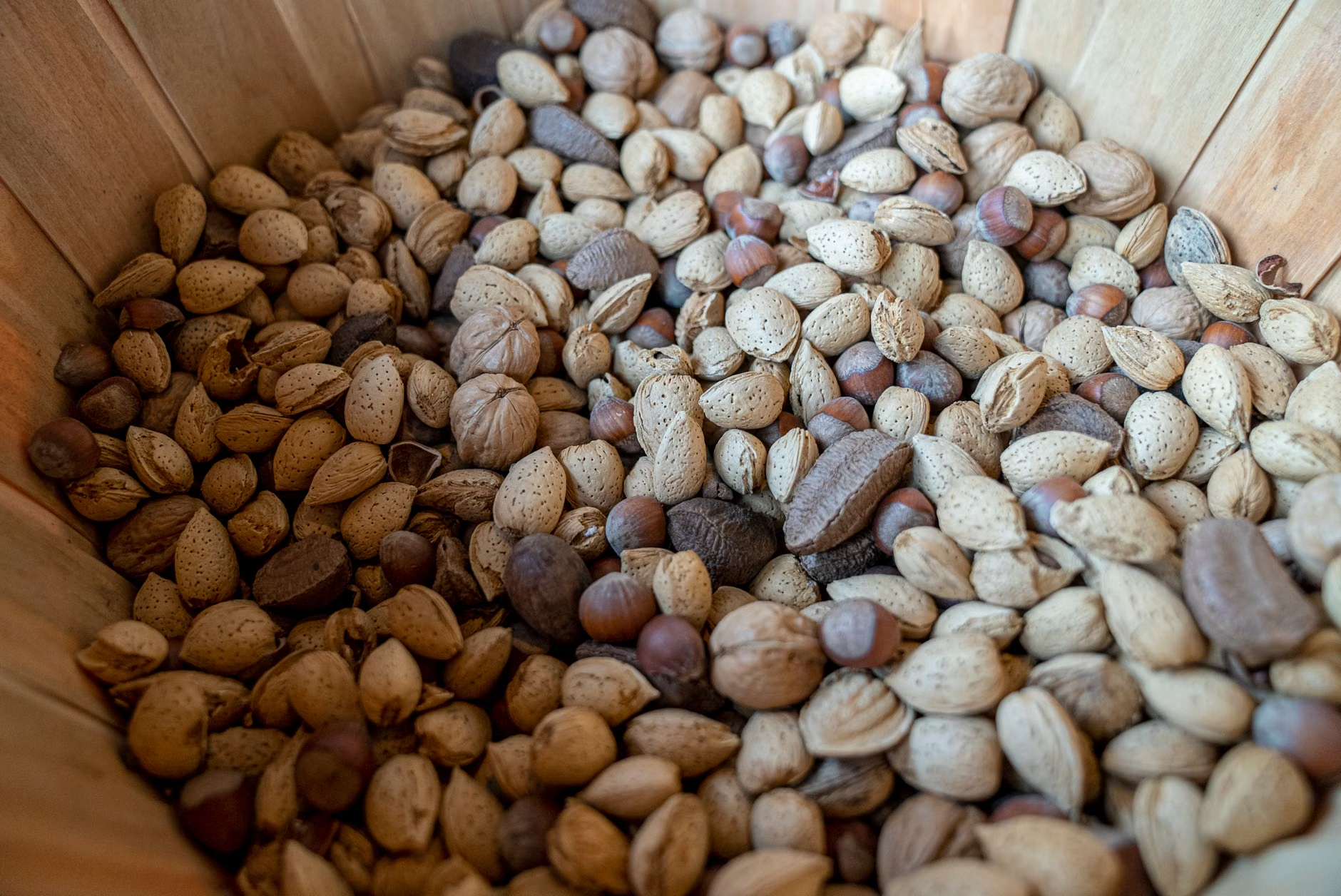
It is not just about how much zinc you eat; it is about how much your body absorbs. A common issue for older adults who rely on plant-based sources (like legumes and whole grains) is the presence of phytates. Phytates are compounds that bind to minerals like zinc in the digestive tract, preventing them from being fully absorbed.
Practical Steps to Improve Absorption:
- Soaking: If you use dried beans or lentils, soak them in water for at least 8 to 12 hours before cooking. Discard the soaking water to reduce phytate content.
- Sprouting: Sprouted grains and legumes have significantly lower phytate levels than their unsprouted counterparts.
- Leavening: If you consume bread, choose sourdough or yeast-leavened bread. The fermentation process breaks down phytates, making the zinc more “bioavailable.”
- Pairing with Protein: Consuming zinc-rich plant foods alongside a small amount of high-quality animal protein (like a piece of chicken or fish) can enhance zinc absorption.
When to Consider Supplements and Professional Guidance
Supplements should be viewed as a “gap-filler” rather than a primary health strategy. In the context of aging, high-dose zinc supplementation can actually be counterproductive. Excessive zinc intake—often seen in those taking high-dose pills without medical oversight—can interfere with the absorption of copper, another essential trace mineral. Over time, this imbalance can lead to anemia and neurological issues.
Warning Signs You Should Consult a Professional:
- You are experiencing persistent, unexplained digestive issues or changes in appetite.
- You have been diagnosed with conditions that affect nutrient absorption, such as Celiac disease or Crohn’s disease.
- You are taking multiple medications, as some (such as certain diuretics or antibiotics) can increase the loss of zinc or compete for absorption.
If you suspect you have a deficiency, do not self-diagnose. A blood test ordered by your primary care physician is the only way to accurately assess your zinc status. When you visit your doctor, bring a list of all supplements you are currently taking, including multivitamins, as these often contain hidden levels of zinc that add up throughout the day.
Integrating Zinc Maintenance into Daily Life
The best approach to immune support is consistency, not intensity. Instead of focusing on “boosting” the immune system—a term often used in marketing that does not reflect how the complex immune system actually functions—focus on “maintaining” it through steady, reliable habits.
Think of your immune system like a long-term savings account. You don’t need to deposit a massive sum all at once; you need regular, small contributions. Adding a tablespoon of pumpkin seeds to your morning oatmeal, choosing lentils for your soup base, or enjoying a moderate serving of lean protein is a sustainable, low-cost way to ensure your body has the raw materials it needs to manage its defense systems effectively.
A Decision Checklist for Your Next Grocery Trip:
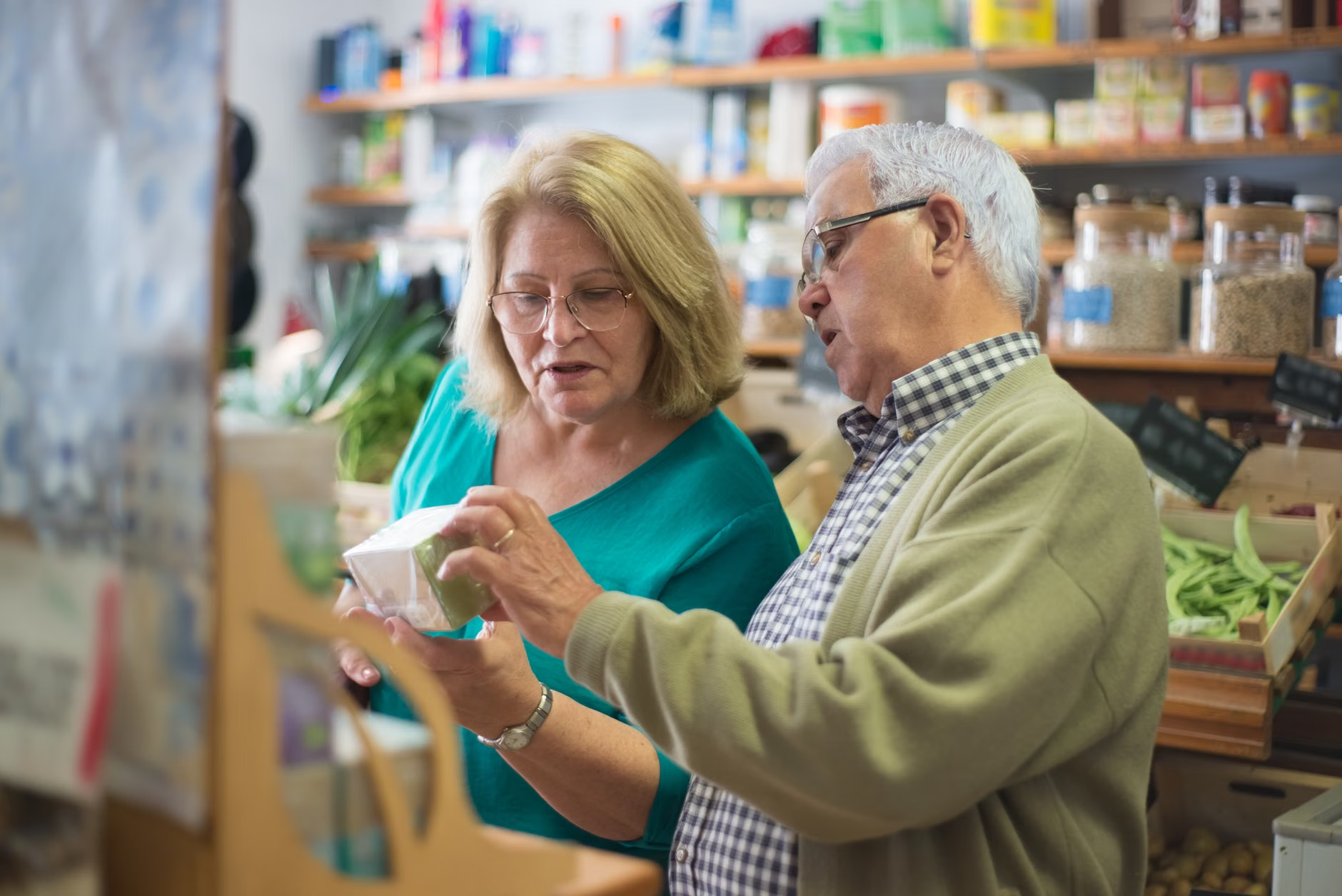
- Check the Label: Look for whole, unprocessed foods. If you are buying canned beans, rinse them thoroughly to remove excess sodium and some surface phytates.
- Variety is Key: Don’t rely on one single food source. Combining different zinc sources ensures you also get a wider range of other essential vitamins and minerals.
- Monitor Your Energy: If you feel consistently fatigued, keep a simple log for two weeks detailing your meals and energy levels. This is a valuable tool to share with a doctor if you decide to seek advice.
Conclusion: A Sustainable Path Forward
Supporting your immune system as an older adult is an exercise in steady, informed maintenance. By prioritizing zinc-rich whole foods, understanding the factors that influence mineral absorption, and avoiding the trap of high-dose supplementation without a clear medical need, you can provide your body with the stability it requires. Remember that nutrition is just one piece of the puzzle; sleep, moderate physical activity, and social engagement play equally vital roles in long-term health. Keep your approach balanced, remain observant of your body’s signals, and rely on professional guidance when you have concerns about specific symptoms or changes in your well-being.
Frequently Asked Questions
Q: Can I get enough zinc through a vegetarian or vegan diet?
A: Yes, it is possible, but it requires mindful planning. Because plant-based sources contain phytates that inhibit absorption, vegetarians and vegans may need to consume more total zinc than those who eat animal proteins. Focus on soaking legumes, eating fermented soy products like tempeh, and including seeds like hemp and pumpkin in your daily intake.
Q: Is there a specific time of day that is best to take a zinc supplement?
A: If a doctor has prescribed a zinc supplement, it is generally recommended to take it with a meal to avoid potential nausea, which is a common side effect of zinc on an empty stomach. Always follow the specific instructions provided by your healthcare provider regarding timing and dosage.
Q: How do I know if my zinc levels are too low?
A: Symptoms of zinc deficiency are often non-specific and can include loss of appetite, impaired sense of taste or smell, slow wound healing, and increased susceptibility to infections. Because these symptoms can also be signs of other health issues, it is important to consult a physician for a proper assessment rather than assuming a deficiency based on symptoms alone.
Official guidance on zinc intake and nutritional requirements can be found at: National Institutes of Health (NIH) Office of Dietary Supplements. Always verify specific health advice with your local healthcare provider, as regional guidelines and individual health profiles vary.