- Prioritize resorts that offer “barrier-free” rooms and direct, flat access to thermal baths to minimize fatigue and fall risks.
- Always verify the specific entry method of the hot spring (e.g., stairs, sloped entry, or lift) before booking, as “accessible” can mean different things across regions.
- Manage your stamina by choosing resorts that provide in-room dining or short, level walking distances between accommodation, dining, and bathing areas.
For many travelers aged 60 to 80, a hot-spring getaway is the ultimate form of restorative travel. However, the difference between a rejuvenating experience and a stressful one often lies in the infrastructure of the facility. Selecting the right resort requires looking beyond aesthetic appeal to evaluate accessibility, terrain, and the physical demands of the amenities.
Evaluating Physical Accessibility: The “Door-to-Bath” Principle
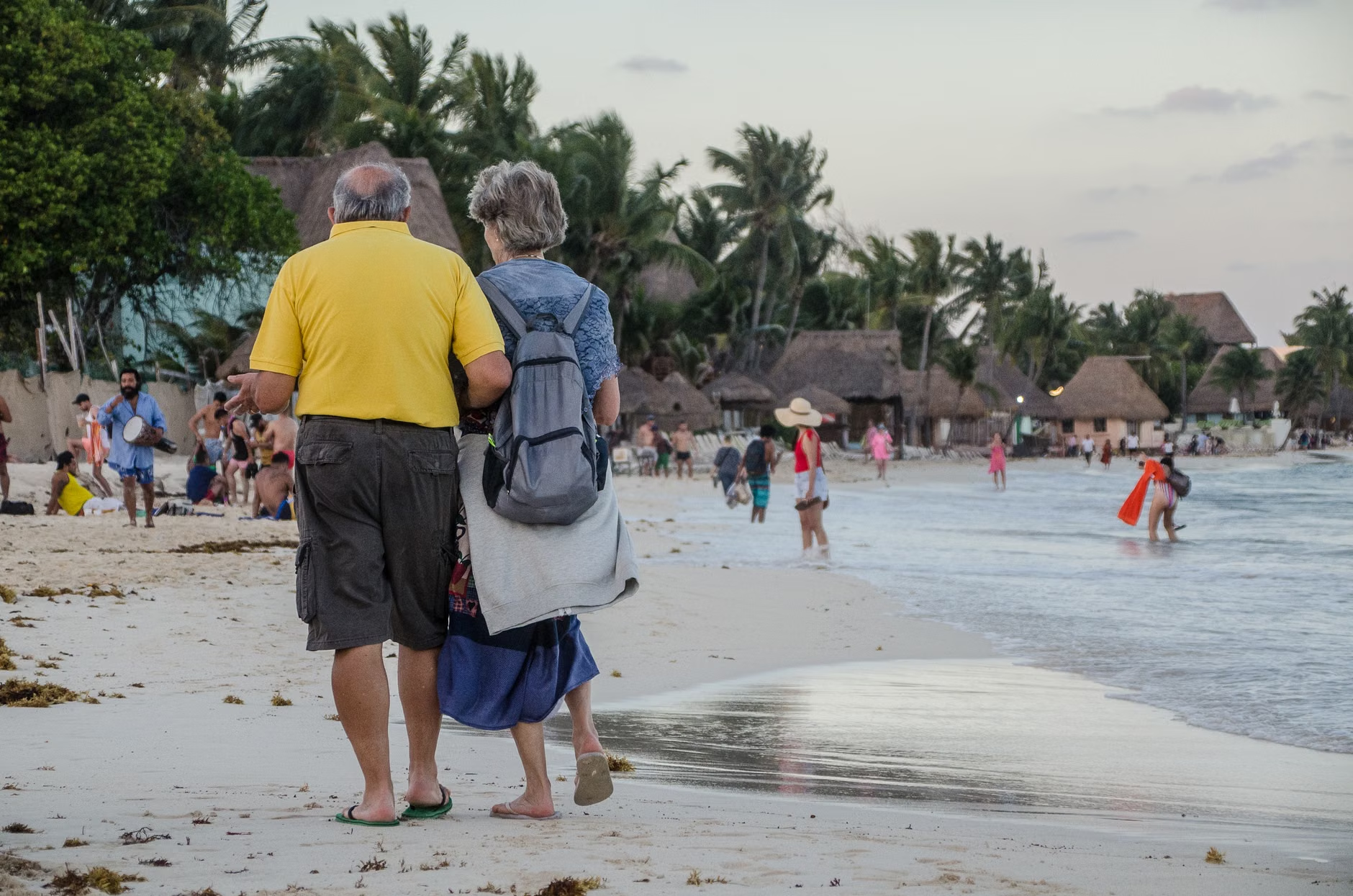
The most important factor in choosing a hot-spring resort is the ease of movement from your bedroom to the water. This is what we call the “Door-to-Bath” principle. In large, traditional resorts, you might find yourself walking long distances through corridors or climbing multiple sets of stairs, which can quickly exhaust your energy.
Assessing the Resort Layout
When researching a destination, look for the following indicators on the resort’s website or by contacting their concierge:
- Floor Continuity: Are the main areas (lobby, dining, baths, guest rooms) on the same level? If not, is there an elevator that does not require a transfer or additional walking?
- Surface Types: Avoid resorts that feature excessive gravel paths, cobblestones, or steep garden inclines. These are high-risk areas for slips and can be difficult for those using mobility aids.
- Proximity to Baths: If you prefer to bathe frequently, ensure your room is located on the same floor as the public bath, or consider a room with a private, in-room thermal tub.
Safety Features in Thermal Bathing Areas
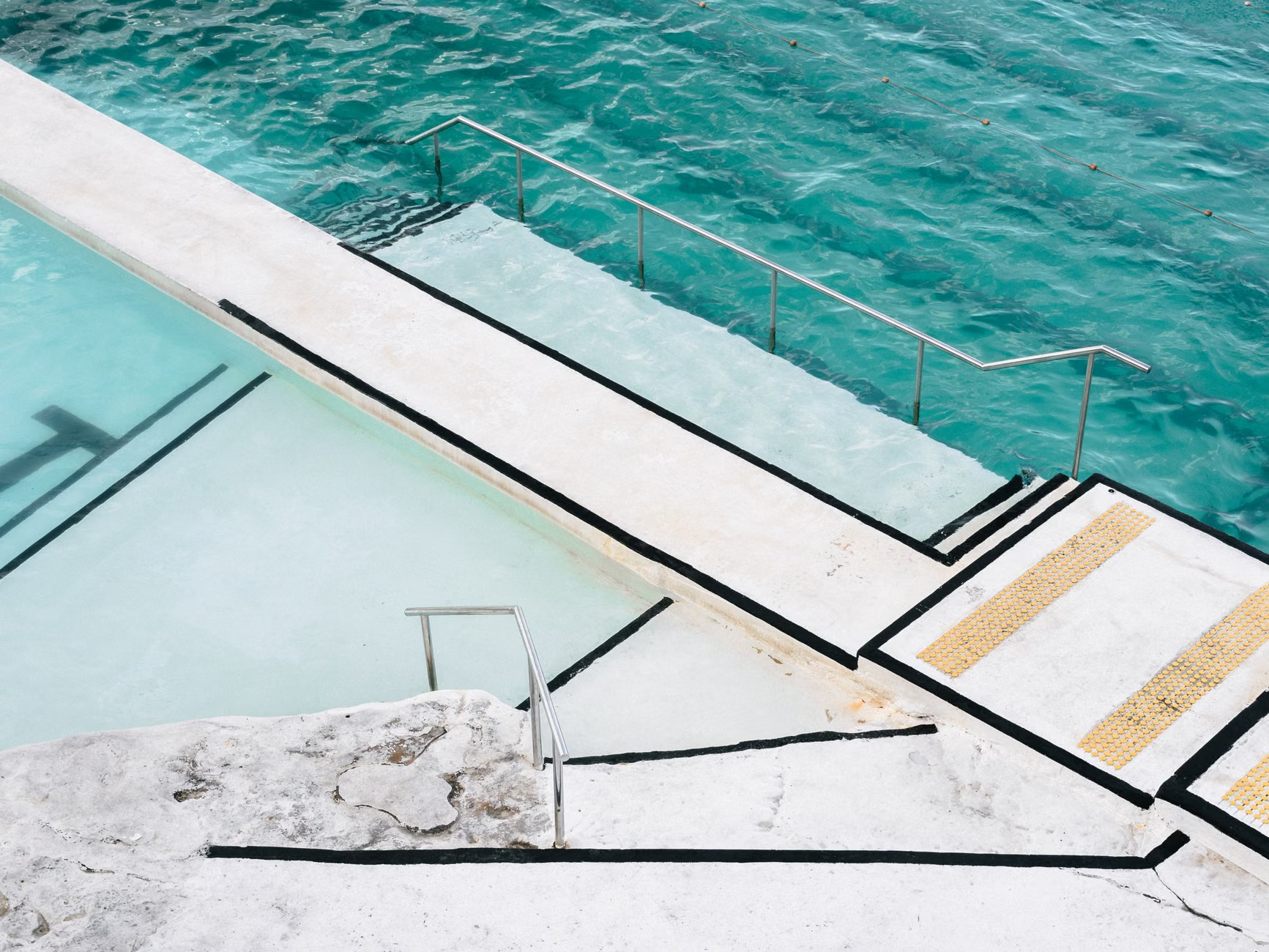
Hot springs are inherently slippery environments. The combination of steam, humidity, and water creates a high risk for falls. When evaluating a resort, do not rely on generic claims of “accessibility.” Ask specific questions about the bath entry design.
Checklist for Bathing Safety
| Feature | Why It Matters | What to Look For |
|---|---|---|
| Entry Method | Reduces strain on knees and hips. | Wide, shallow stairs with double-sided handrails or ramp entry. |
| Floor Material | Prevents slips in wet areas. | Textured, non-slip stone or high-grip rubber mats. |
| Support Rails | Provides stability during entry and exit. | Sturdy, corrosion-resistant bars secured to the wall or pool edge. |
Common Mistake: Many travelers assume that because a resort is “luxury,” it is automatically accessible. In reality, historic or “boutique” resorts often prioritize heritage architecture, which may include narrow doorways, steep steps, and lack of elevators. Always request photos of the bath entry and the path to the dining hall if you have concerns about mobility.
Accommodation Standards: Beyond “Accessible Rooms”
An “accessible room” in one country may be very different from another. In many parts of Europe and North America, accessibility is strictly regulated by building codes (such as the Americans with Disabilities Act in the US). In other regions, “accessible” might simply mean a room on the ground floor.
Key Variables for Your Room Selection
When booking, define your needs clearly. Instead of asking “Is the room accessible?”, ask the following:
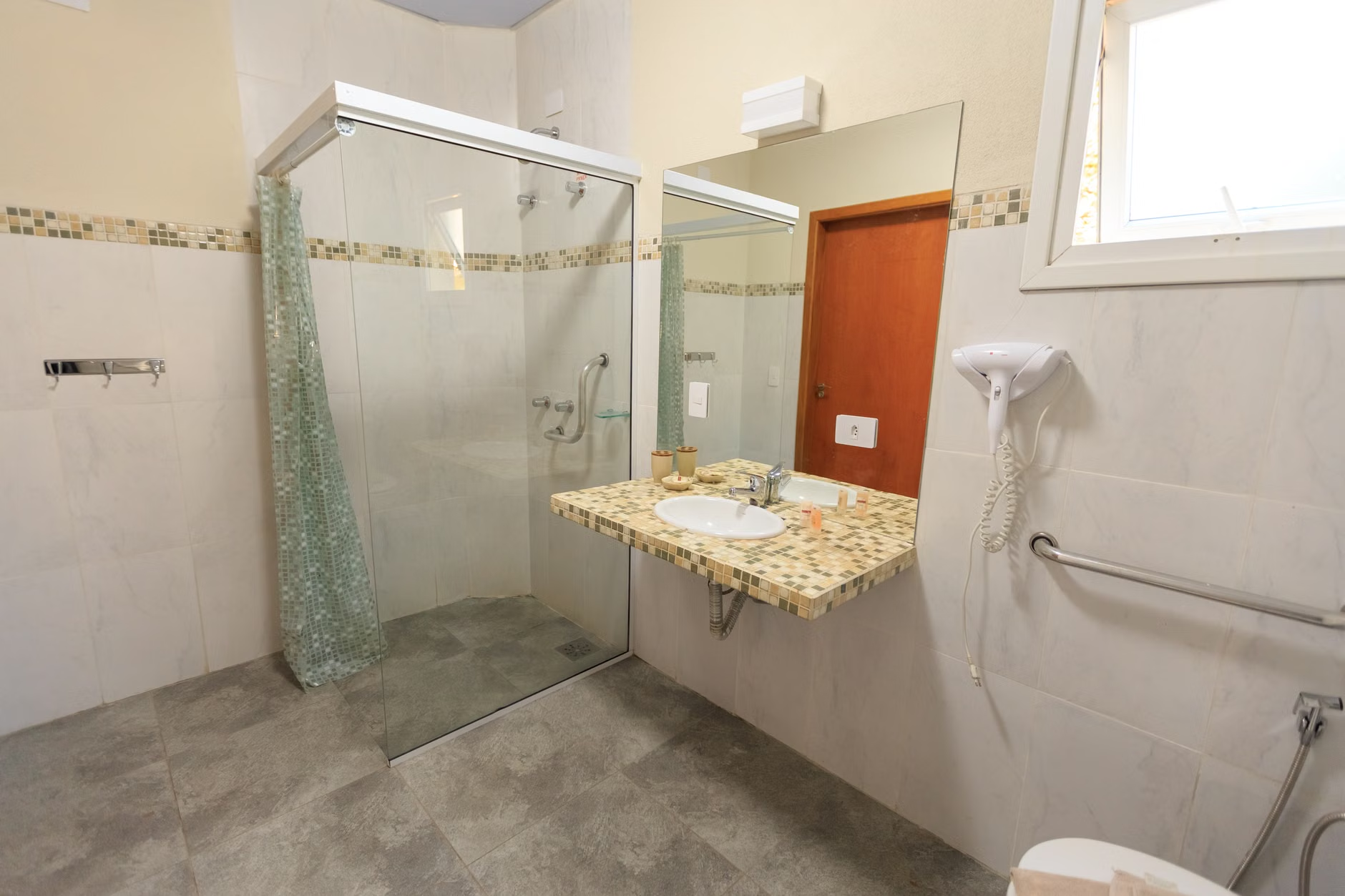
- Bathroom Configuration: Does the bathroom have a walk-in shower with a built-in seat? A high-sided bathtub is often difficult to step into safely.
- Bed Height: Is the bed height suitable for you to sit on the edge and stand up without excessive strain on your knees?
- Emergency Communication: Is there an emergency call button in the bathroom or near the bed?
Health Considerations: Managing the Thermal Load
Hot springs are relaxing, but they also place a physiological demand on the body, particularly the cardiovascular system. Heat causes vasodilation (the widening of blood vessels), which can lead to a drop in blood pressure. This is a common cause of dizziness or lightheadedness in older adults.
Strategies for Safe Soaking
- Hydration: Drink a full glass of water before and after entering the spring. Dehydration is common in hot, humid environments.
- Temperature Control: Avoid the hottest pools if you have high blood pressure or heart conditions. Most resorts offer a range of temperatures; choose the cooler pools for longer, safer soaks.
- Duration: Limit your soak to 10–15 minutes at a time. Take a break to cool down in a seated, shaded area before considering a second round.
- Warning Signs: If you feel faint, dizzy, or experience palpitations, exit the water immediately. Do not attempt to “push through” the discomfort.
Important: If you are taking medications for blood pressure or heart conditions, consult with your doctor before planning a trip that involves significant thermal bathing. Ask if there are specific temperature limitations you should observe.
The travel to the resort is often more taxing than the stay itself. Many premier hot-spring destinations are located in mountainous or rural areas, which may require complex transport arrangements.
Practical Planning Tips
- Private Transfers: If the resort is difficult to reach by public transport, consider the cost of a private taxi or shuttle from the nearest hub. The extra expense is often outweighed by the conservation of your energy.
- Luggage Management: Use luggage forwarding services if available, or travel light. Carrying heavy bags through train stations or resort lobbies is a frequent source of travel-related injury.
- Pacing: Do not schedule arrival and departure on the same day as heavy sightseeing. Plan for at least one “low-activity” day to allow your body to recover from the travel fatigue.
The Hidden Variable: Local Regulations and Standards
It is crucial to recognize that accessibility standards are not universal. In Japan, for example, many traditional ryokan (inns) have specific “universal design” rooms, but public baths remain segregated and often lack private support. In contrast, many Nordic spa facilities prioritize modern, open-concept designs that are highly accessible but might lack the traditional cultural experience.
Before booking, check the official tourism board website of the country you are visiting. Many countries provide “accessible travel” guides that list certified facilities. For example, the European Network for Accessible Tourism (ENAT) provides resources that can help you identify resorts that meet international standards for accessibility. Always verify if the resort has been audited by a third party or if they have internal accessibility certifications.
Conclusion: Prioritizing Your Comfort
Selecting the right hot-spring resort is about balancing your desire for a relaxing experience with the practical realities of your mobility and health. By focusing on the “Door-to-Bath” principle, verifying safety features in the water, and managing your physical exertion, you can ensure that your trip remains a source of renewal rather than a source of stress.
Remember that the best resort is one that allows you to focus on your wellbeing without having to worry about your environment. Take the time to ask questions, request photos, and plan your pacing carefully. Your health and comfort are the most important parts of any travel itinerary.
Frequently Asked Questions
1. Should I bring my own bathing support equipment?
While some resorts provide shower chairs, it is rarely guaranteed. If you require specific support for showering, such as a portable shower chair or a non-slip mat for your room, contact the resort in advance to see if they can provide it. If they cannot, consider bringing a lightweight, foldable shower seat if your travel arrangements allow.
2. How can I confirm if a resort is truly “accessible”?
Never rely solely on the word “accessible” on a booking website. Ask the resort to email you photos of the bathroom, the path to the hot spring, and the entrance to the building. If they are unable or unwilling to provide these, it is a red flag that the facility may not be equipped for your needs.
3. Are there specific times of day that are better for soaking?
Mid-morning or mid-afternoon are generally the quietest times at hot-spring resorts. This is ideal for those who prefer more space, less noise, and a slower pace. Avoiding peak hours (usually early evening) also reduces the risk of crowding in the changing rooms and bathing areas, making it easier to maneuver safely.
Sources and Further Reading:
- European Network for Accessible Tourism (ENAT) – General guidance on accessible travel standards.
- Americans with Disabilities Act (ADA) Requirements for Places of Lodging – Useful for understanding the baseline for accessibility in the United States.
Note: This article is for informational purposes and does not constitute medical advice. Always consult with your healthcare provider regarding your individual health status before engaging in activities that involve heat exposure or significant physical exertion.