- Accessibility First: Prioritize community gardens with raised beds and wide, paved pathways to ensure your gardening experience is safe and sustainable for your mobility level.
- Social Integration: Community gardening acts as an “intergenerational bridge,” providing structured social interaction that reduces isolation without the pressure of forced conversation.
- Physical Pacing: Treat gardening as a form of “functional fitness” rather than a chore; using ergonomic tools and frequent rest breaks is essential to prevent strain and maximize long-term enjoyment.
Community gardening is more than just a hobby of growing vegetables or flowers; it is a structured social intervention that addresses the dual challenges of physical inactivity and social isolation in later life. As we age, the nature of our social networks often shifts, and the opportunities for spontaneous, meaningful interaction can decrease. Community gardens provide a “third space”—neither home nor work—where individuals from diverse backgrounds converge around a shared, productive goal.
Understanding the Social Architecture of Community Gardens
The social benefit of community gardening is rooted in the concept of “shared purpose.” Unlike a purely social club where the primary focus is conversation, a garden focuses on the task at hand. This environment is particularly beneficial for adults aged 60 to 80 because it removes the pressure to “perform” socially. When you are planting seeds or weeding, the conversation occurs naturally and sporadically, which is often more comfortable for those who find formal social gatherings draining or intimidating.
The Role of Intergenerational Exchange
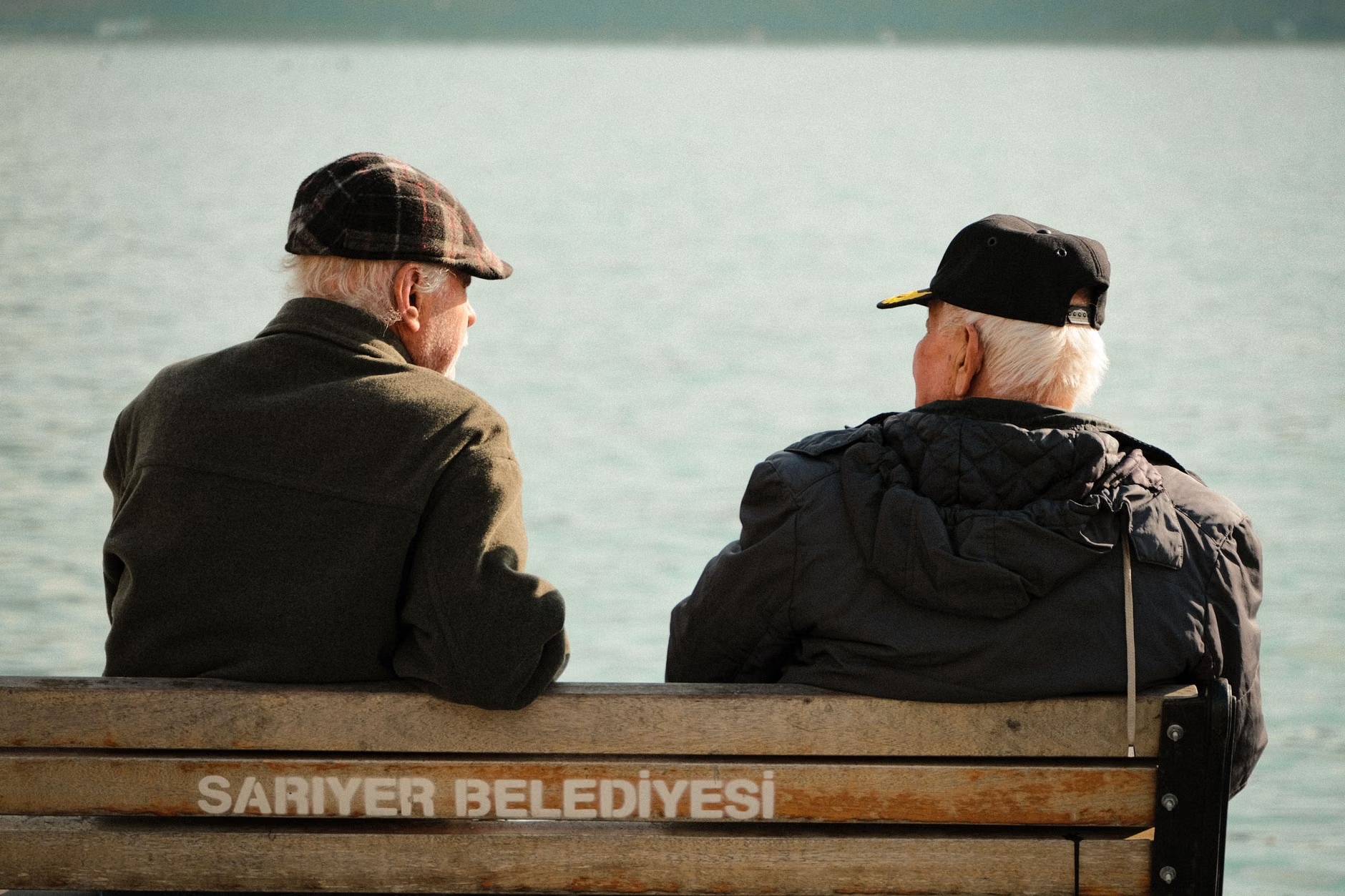
Many community gardens operate on a model that encourages intergenerational participation. You might find yourself working alongside a university student, a young family, or a fellow retiree. This diversity is a significant contributor to cognitive health. Engaging with different perspectives and life stages keeps the mind agile. Furthermore, seniors often possess a wealth of horticultural knowledge, which places them in a position of mentorship. This role of the “experienced guide” fosters a sense of competence and value, which are essential components of psychological wellbeing.
Reducing Loneliness Through Routine
Loneliness is not merely the absence of people; it is the absence of meaningful connection. The routine of a community garden—returning to the same plot at the same time each week—creates a sense of belonging. You become a familiar face. Over time, these brief interactions with neighbors can evolve into a robust support network. In many jurisdictions, these gardens also host communal meals or harvest festivals, which serve as critical touchpoints for community cohesion.
Evaluating Your Physical Requirements and Safety
While the benefits are significant, the physical reality of gardening must be managed with care. For many, the primary barrier to entry is the fear of physical strain or injury. It is critical to select a garden that matches your current physical capacity rather than pushing yourself to match the intensity of younger participants.
The Importance of Accessible Infrastructure
When searching for a community garden, you should prioritize sites that have invested in universal design. Look for the following features:
| Feature | Why it matters for you |
|---|---|
| Raised Beds | Eliminates the need for kneeling or bending to the ground, significantly reducing back and knee strain. |
| Wide, Paved Paths | Ensures stability for those using walking aids or wheelchairs and prevents tripping on uneven dirt. |
| Proximity to Seating | Allows for frequent rest breaks, which are necessary to manage stamina and heat exposure. |
| Accessible Water Sources | Ensures that watering cans or hoses are not too heavy or difficult to operate. |
If a garden lacks these features, it does not mean you cannot participate, but it does mean you will need to adapt your strategy. For example, if beds are at ground level, you may need to bring a high-quality, sturdy garden stool or look for a group that allows for “container gardening” on a tabletop.
Practical Steps to Getting Started
Finding the right community garden requires more than a simple internet search. You need to assess the culture of the group and the logistics of the site before committing your time and energy.
1. Assessment of Local Opportunities
Start by contacting your local municipal parks department or a national gardening association (such as the American Community Gardening Association in the US or the National Allotment Society in the UK). These organizations often maintain databases of active plots. When you visit, do not just look at the plants; look at the people. Ask yourself: Is the pace of work comfortable for me? Are there other seniors active here? Is the communication style welcoming?
2. The “Trial Period” Strategy
Most community gardens have a waiting list, but many also have “volunteer days.” Before signing up for a full plot, which requires a season-long commitment, spend a few sessions as a general volunteer. This allows you to test the physical demands and the social dynamic without the pressure of managing your own space.
3. Investing in the Right Tools
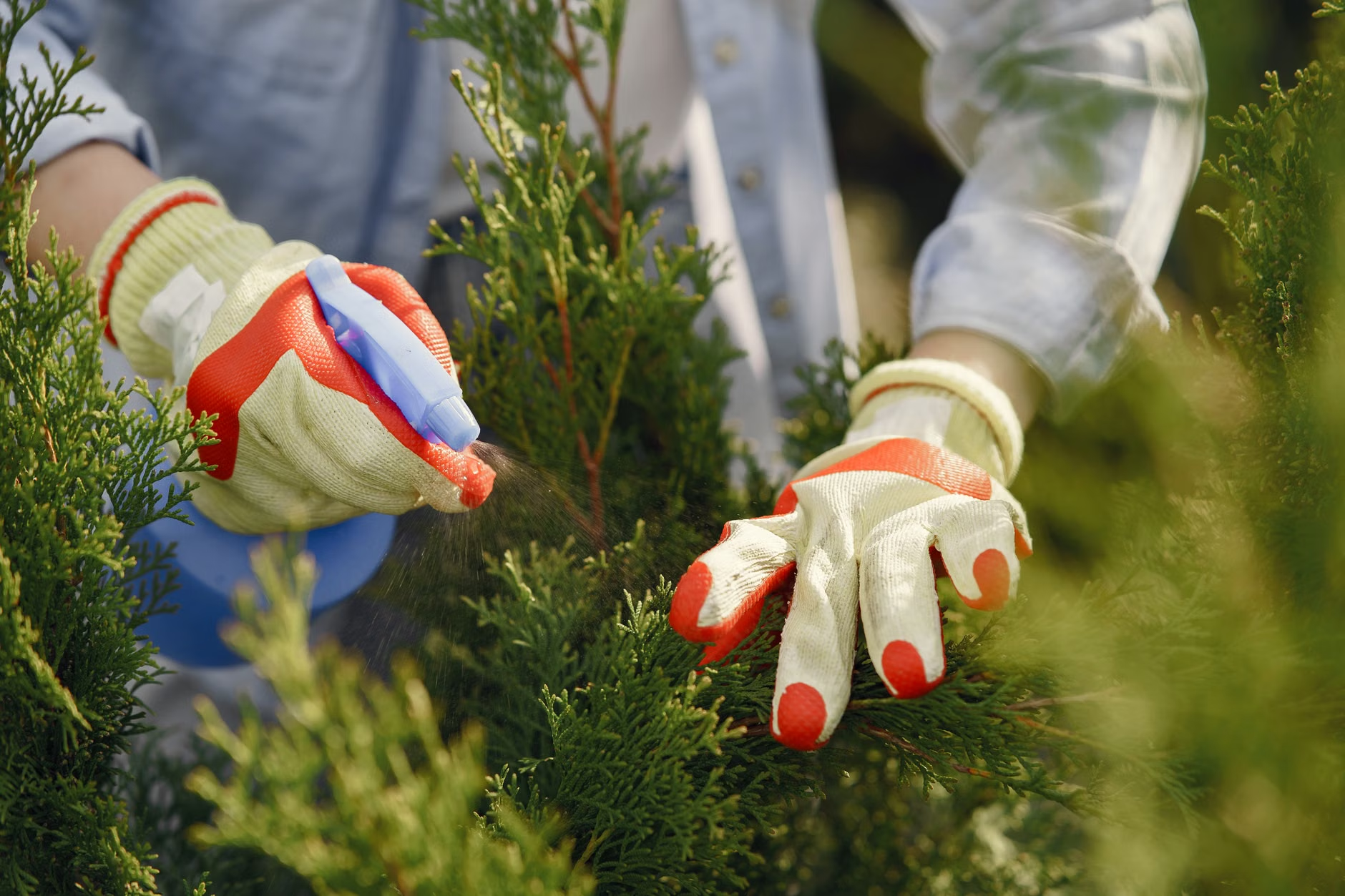
Gardening does not have to be physically exhausting. The modern market for ergonomic gardening tools is vast. Prioritize tools with:
- Padded, non-slip grips: These are essential for those with arthritis or limited grip strength.
- Long-handled tools: These allow you to reach across beds without over-extending your reach.
- Lightweight materials: Carbon fiber or aluminum tools are significantly easier to maneuver than traditional heavy steel options.
Managing Risks: Health and Stamina
Gardening is a form of exercise, and like any exercise, it requires preparation. If you have underlying health conditions, such as cardiovascular issues or chronic joint pain, it is advisable to discuss your intent to start gardening with your primary care provider. They can provide specific guidance on duration and intensity.
Preventing Overexertion
A common mistake is treating a garden as a “weekend project” to be finished in one day. This leads to muscle fatigue and potential injury. Instead, adopt a “micro-gardening” approach. Aim for 20 to 30-minute sessions, three times a week, rather than a single four-hour stint on a Saturday. This frequency keeps you connected to the garden and your fellow gardeners more consistently, which enhances the social benefit while keeping your physical exertion within safe limits.
Sun and Hydration Safety
Older adults are more susceptible to dehydration and heat-related illness. Always carry a water bottle, even if you do not feel thirsty. Wear a wide-brimmed hat, use high-SPF sunscreen, and aim to garden during the cooler parts of the day—early morning or late afternoon. If you notice symptoms like dizziness, rapid heartbeat, or extreme fatigue, stop immediately and move to a shaded, seated area.

The Overlooked Variable: The “Governance” of the Garden
One aspect often ignored by newcomers is the “governance” or rules of the community garden. Some gardens are highly structured with mandatory work hours and strict bylaws, while others are more informal. For a senior, the informal style might seem more relaxing, but the highly structured garden often provides more consistent social support. In a structured environment, you know exactly when others will be there, which makes it easier to plan your social outings.
Conversely, if you prefer autonomy, an informal garden allows you to work at your own pace without the pressure of meeting group obligations. When choosing, consider whether you are looking for a social club that happens to have a garden, or a garden project that happens to have a social component. Both are valid, but they fulfill different needs.
Financial and Practical Considerations
Gardening is generally a low-cost hobby, but it is not free. Costs can include annual plot fees, membership dues, seeds, soil amendments, and tools. Before signing a contract, ensure you understand the fee structure. Some municipalities offer discounted rates for seniors or those on fixed incomes. Do not hesitate to ask the garden coordinator about these options, as they are often available but not widely advertised.
In some regions, community gardening is recognized as a public health initiative. In the UK, for example, “Social Prescribing” allows medical professionals to refer patients to community groups, including gardening clubs, to improve mental wellbeing. Check with your local health authority to see if such programs exist in your area, as they can sometimes cover the costs of equipment or membership.
Additionally, if you have a disability or mobility impairment, some regions offer grants or support for creating accessible gardening infrastructure. If you are starting a group or joining a new one, look into local government grants for “green space” or “community wellness,” which can provide the funding necessary to install the raised beds or paved paths mentioned earlier.
Ensuring Long-Term Success
The transition from a novice to an active community gardener takes time. The first season is often the most challenging as you learn the soil, the climate, and the personalities of your fellow gardeners. Do not be discouraged if your first crop is modest. The primary goal of community gardening, particularly for those of us aged 60 to 80, is the process of engagement rather than the volume of produce.
If you find that the physical demands become too much, consider shifting your role. Many successful community gardens have members who focus on the administrative side, organizing the seed swaps, managing the website, or coordinating the communal harvest dinners. These roles are just as vital to the survival of the garden as the weeding and planting.
Finally, remember that the social connections you form in the garden are your most valuable harvest. When you find yourself in a conversation with a neighbor about the weather, the upcoming harvest, or a shared challenge in the garden, you are actively combating isolation and building a safety net of friends who care about your presence. That is the true success of community gardening.
Frequently Asked Questions
1. I have limited mobility; can I still participate in a community garden?
Yes, but you must be selective. Look for gardens specifically designed with “accessible” or “inclusive” features, such as raised beds that allow you to garden while standing or sitting on a bench. Avoid gardens that require kneeling on the ground or navigating steep, unpaved terrain. Contact the garden coordinator before visiting to ask if they have specific accommodations for those with mobility aids.
2. Is there a risk of injury if I am not used to manual labor?
Gardening is a physical activity, and there is always a risk of strain if you overdo it. The key is to start slowly. Treat gardening as a form of exercise: warm up your muscles, use ergonomic tools that reduce the pressure on your joints, and keep your sessions short. If you have pre-existing health conditions, consult your doctor regarding the intensity of activity that is appropriate for you.
3. How do I find a community garden in my area?
Start by searching for “community garden” combined with your city or region name. Local municipal parks and recreation websites are the best starting point. If you are in the US, the American Community Gardening Association (https://communitygarden.org/) provides a directory. In the UK, the National Allotment Society (https://www.nsalg.org.uk/) is a valuable resource. If you cannot find a directory, check local community center notice boards or social media groups for your neighborhood.
Disclaimer: This article is for informational purposes only and does not constitute medical or professional advice. Always consult with your healthcare provider before starting any new physical activity or if you have concerns about your health and mobility.