- Pottery is a low-impact, therapeutic activity that enhances fine motor skills, hand strength, and cognitive focus.
- Hand-building techniques, such as pinching and coiling, are often more accessible and physically manageable for beginners than wheel-throwing.
- When selecting a studio, prioritize accessibility features like height-adjustable tables, proximity to restrooms, and instructors experienced in working with older adults.
The Intersection of Creativity and Wellbeing
Pottery is far more than a craft; it is a sensory-rich practice that bridges the gap between physical movement and cognitive engagement. For adults aged 60 to 80, the act of molding clay offers a unique combination of tactile stimulation and meditative focus. Unlike fast-paced hobbies that require high-intensity physical exertion, pottery invites a slower, intentional pace that aligns well with the desire for both productivity and relaxation.
The practice involves working with raw earth, which has been shown in various psychological studies to ground the individual, reducing stress and promoting “flow”—a state of total immersion in an activity. For the aging population, it serves as a powerful tool for maintaining dexterity, keeping the joints of the fingers and wrists active, and providing a tangible sense of accomplishment through the creation of functional art.
Understanding the Physical and Cognitive Benefits
The benefits of pottery extend beyond the finished product. By engaging in regular clay work, you are participating in a form of “functional exercise.” The resistance provided by the clay acts as a natural strengthener for the small muscles in the hands and forearms, which can help mitigate the effects of age-related stiffness. Furthermore, the cognitive demand of planning a piece, monitoring the drying process, and experimenting with glazing patterns keeps the mind sharp and encourages spatial reasoning.
Fine Motor Skills and Joint Mobility
As we age, maintaining the range of motion in our hands is essential for daily independence. Pottery requires repetitive, gentle motions such as pinching, rolling, and smoothing. This is not about strenuous lifting; it is about controlled, precise movements. If you have concerns about arthritis or joint pain, it is important to note that working with soft, well-wedged clay is much easier on the joints than working with stiff, dry clay. Always ensure your clay is properly conditioned before starting your session.
The Meditative Aspect of “Flow”
The sensory experience of cold, wet clay against the skin provides immediate feedback that helps anchor the mind in the present moment. This mindfulness-based approach is a recognized method for reducing anxiety. In a world of constant digital distraction, the tactile nature of clay demands your full attention, which creates a natural barrier against intrusive or ruminating thoughts.
| Technique | Physical Demand | Best For |
|---|---|---|
| Pinch Potting | Low | Beginners, those with limited hand strength. |
| Coiling | Moderate | Creating larger, structured vessels; requires patience. |
| Slab Building | Moderate | Geometric shapes; requires rolling and cutting. |
| Wheel Throwing | High | Those with good core stability and wrist strength. |
Note: The table above outlines common techniques. For those just starting, we recommend beginning with “Pinch Potting” as it requires the least amount of equipment and physical strain.
Selecting the Right Studio and Environment
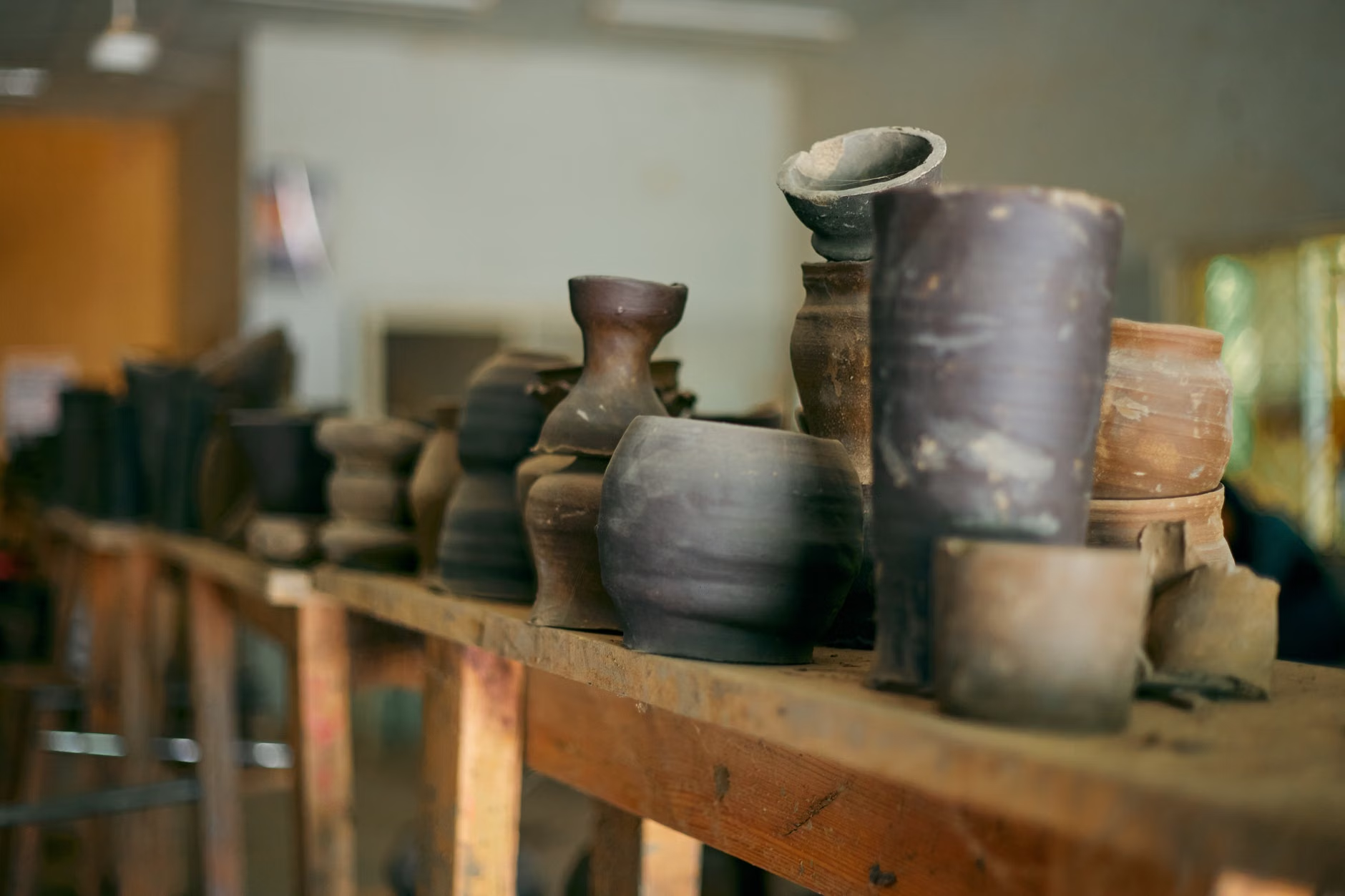
Choosing the right environment is crucial for a positive experience. Not all pottery studios are created equal, and for the senior practitioner, certain logistical factors must be considered to ensure comfort and safety.
Accessibility and Logistics Checklist
Before signing up for a class or purchasing a membership, consider the following environmental factors:
- Table Height: Can you stand or sit comfortably at the work table? Look for studios that offer height-adjustable tables to prevent back strain.
- Flooring: Pottery studios can be messy and slippery. Ensure the flooring is non-slip and that the studio is well-maintained to prevent tripping hazards.
- Lighting and Ventilation: Adequate lighting is essential for precision work and eye health. Furthermore, ensure the studio has proper ventilation, especially when working with glazes or kiln fumes.
- Proximity to Facilities: Ensure that the studio is easily accessible from your primary transport and that restroom facilities are nearby and equipped with grab bars if necessary.
Getting Started: A Step-by-Step Approach for Beginners
If you are new to pottery, the most effective way to start is through a structured workshop rather than attempting to self-teach. Professional guidance ensures that you learn proper techniques that protect your joints and prevent injury.
Step 1: The Initial Consultation
Visit a few local studios. Observe a class if possible. Ask the instructor about their experience with older students. A good instructor will be able to modify techniques to accommodate your specific range of motion or energy levels.
Step 2: Preparing Your Workspace
When you start, keep your setup simple. You do not need an expensive wheel. A sturdy wooden table, a canvas-covered board, and a few basic wooden tools are sufficient. Ensure you have a chair with back support if you prefer to sit while you work.
Step 3: The Process of Hand-Building
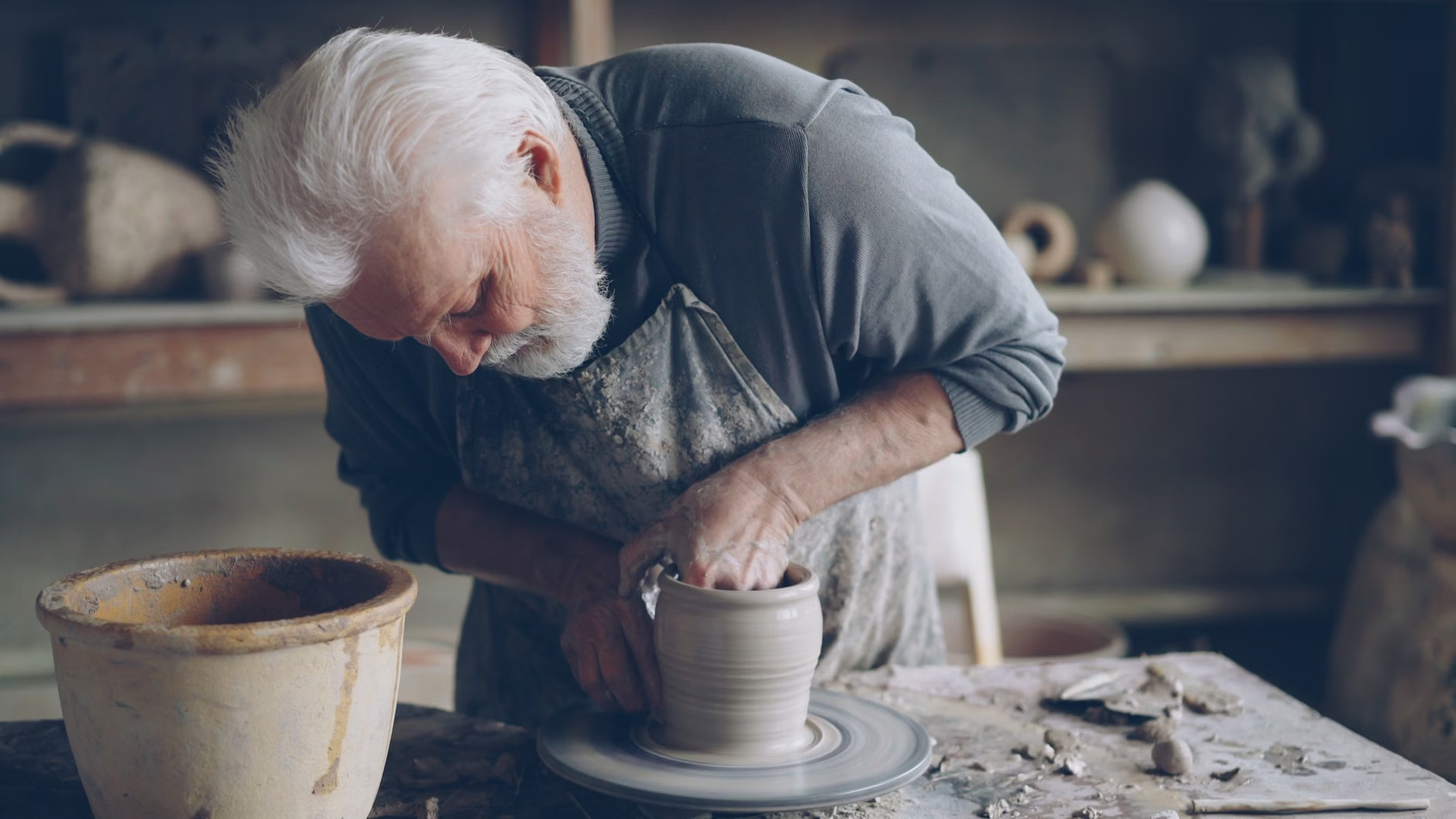
Start with “Pinch Potting.” Take a ball of clay, press your thumb into the center, and gently pinch the walls as you rotate the ball. This is a rhythmic, calming process that requires no heavy equipment. It allows you to feel the clay’s consistency and learn how it reacts to pressure.
Addressing Common Challenges
Even with the best intentions, you may encounter hurdles. Understanding these ahead of time can help you manage your expectations and prevent frustration.
Managing Physical Fatigue
Pottery can be surprisingly tiring, especially for the core and back. Do not attempt to work for more than 60 to 90 minutes in your first few sessions. Listen to your body; if your wrists or back begin to ache, take a break. Stretching your hands and shoulders between sessions is a highly recommended practice to maintain flexibility.
The “Clay Dust” Concern
Dry clay produces fine dust, which should not be inhaled. Always keep your workspace damp—a wet sponge is your best friend. Wipe surfaces down with a damp cloth rather than sweeping to keep the air clean. Most modern studios are well-versed in these safety protocols, but it is always good to be mindful of your own immediate workspace.
Equipment and Cost Considerations
Pottery can be an expensive hobby if you invest in professional equipment like a kiln or a high-end wheel. For most, the most cost-effective approach is to pay for studio access or class fees. This saves you the cost of maintenance, electricity, and the significant space required for a home studio.
The Emotional Rewards of Creative Expression
There is a profound sense of satisfaction in holding an object that you created from raw material. For many, this process becomes a form of “legacy building,” where the items created are gifted to family members or friends. This social connection adds another layer of value to the hobby, transforming it from a solitary act into a means of communication and connection with loved ones.
Safety and Preventive Care in the Studio
Safety in the studio is not just about avoiding accidents; it is about maintaining a healthy practice that you can sustain for years. If you have pre-existing conditions such as carpal tunnel syndrome or severe arthritis, consult with your physician before beginning a pottery course. They may be able to provide specific exercises or tell you which movements to avoid to protect your joints.
When attending a class, always carry a small notebook to record your glazing combinations or clay types. This helps you track what works and what doesn’t, reducing the frustration of “failed” experiments. Furthermore, ensure you stay hydrated. The studio environment, especially if it is warm, can be dehydrating.
Conclusion: Crafting Your Own Path
Pottery is a journey, not a race. Whether you are creating simple pinch pots or complex sculptures, the value lies in the process itself. It is a hobby that respects your pace, rewards your patience, and offers tangible evidence of your creativity. By choosing the right studio, focusing on ergonomic hand-building techniques, and listening to your body, you can turn pottery into a lifelong source of joy and mental clarity.
If you are ready to begin, start by searching for “community pottery centers” in your area. These centers are often more budget-friendly and community-oriented than private, high-end studios, making them an ideal starting point for those looking to explore this rewarding craft.
Frequently Asked Questions (FAQ)
1. Is pottery too physically demanding for someone with arthritis?
Not necessarily. Many people with arthritis find that working with soft, plastic clay is actually therapeutic. The key is to avoid excessive force. We recommend starting with hand-building techniques like pinch potting, which require less pressure than wheel-throwing. Always consult with your doctor to ensure that the movements involved are safe for your specific joint health.
2. Do I need to have artistic talent to start pottery?
Absolutely not. Pottery is a functional craft as much as it is an art form. The beauty of a handmade item often lies in its unique, organic imperfections. Focus on the process of learning the clay’s properties rather than trying to create a perfect masterpiece on your first attempt.
3. How often should I practice to see improvements?
Consistency is more important than duration. Practicing once a week for two hours is often better than practicing for six hours once a month. This consistency helps your muscle memory develop and allows you to learn from the drying and firing stages of the pottery process, which are essential parts of the craft.
For further information on ceramic safety and best practices, you may refer to the American Ceramic Society for educational resources on materials and studio safety.